wayground logo

Free Printable Worksheets

Font size

S
M
L
XL
Worksheets

Sci7 Final Exam Review

Total questions: 83

Worksheet time: 56mins

Name
Class
Date
1.
An organism that can make its own food is called an
a)
automobile
b)
automatic
c)
autobahn
d)
autotroph
2.
An autotrophic organism is a
a)
plant
b)
human
c)
bird
d)
lizard
3.
A ____________ is an organism that cannot make its own food; it must eat other organisms to survive.
a)
heterotroph
b)
heterozygous
c)
homozygous
d)
homologous
4.
During ______________ conditions inside our bodies are kept stable (the same).
a)
homeostasis
b)
homeopathic
c)
Homo sapien
d)
homologous
5.
Turning around to see who is calling your name is an example of a
a)
response
b)
responsibility
c)
reason
d)
rationale
6.
The following list represents characteristics of a living thing :
a)
made of cells, has lungs, can reproduce
b)
grows and develops, responds to surroundings, can move
c)
has similar chemicals, makes noises, made of cells
d)
made of cells, grows and develops, uses energy
7.

Diffusion is the movement of molecules from an area of _____ concentration to an ______ concentration.

a)

High to Low

b)

Low to High

c)

Low to Low

d)

High to High

8.

If there is more oxygen in the blood than in an organ, which direction would the oxygen move?

a)

Out of the blood

b)

Into the blood

9.
Plants need ________ for photosynthesis
a)
oxygen
b)
soil
c)
carbon dioxide
d)
sugar
10.
What are the products of photosynthesis?
a)
water and carbon dioxide
b)
oxygen and glucose
c)
oxygen and carbon dioxide
d)
oxygen and water
11.
What molecule absorbs sunlight for photosynthesis?
a)
chloroplast
b)
thylakoid
c)
grana
d)
chlorophyll
12.
Which statement about photosynthesis is correct?
a)
Plants get the energy they need for photosynthesis from water.
b)
Plants get the energy they need for photosynthesis from soil.
c)
Plants get the energy they need for photosynthesis from sunlight.
d)
Plants do not require energy to perform photosynthesis.
13.
Where does photosynthesis occur?
a)
mitochondria
b)
stomata
c)
xylem
d)
chloroplast
14.
Where does  respiration take place in the cell?
a)
Cell Membrane
b)
Nucleus
c)
Mitochondria
d)
Vacuole
15.
What gas is released from the plant during RESPIRATION?
a)
carbon dioxide
b)
oxygen
c)
nitrogen
d)
argon
16.
What is respiration?
a)
The way a plant grows
b)
The way a plant releases excess waste
c)
The way a plant makes its food
d)
When way a plant uses sugar for energy
17.
What is the result of mitosis?
a)
1 cell
b)
2 genetically identical cells
c)
2 genetically different cells
d)
4 genetically identical cells
18.
The cells produced via meiosis are called:
a)
sex cells
b)
somatic cells
c)
body cells
d)
skin cells
19.
This produces 2 identical cells.
a)
mitosis
b)
meiosis
20.
Which of these cells would be produced through meiosis?
a)
skin cells
b)
liver cells
c)
brain cells
d)
sperm cells
21.
A male shark has 40 chromosomes in each of its sex cells. How many would be present in its body cells?
a)
20
b)
40
c)
80
d)
160
22.
An organism’s physical appearance is its
a)
Genotype
b)
Phenotype
c)
Codominance
d)
Heterozygous
23.
The different forms of a gene are called
a)
Alleles
b)
Factors
c)
Masks
d)
Traits
24.
An organism that has two identical alleles for a trait is
a)
Codominant
b)
Tall
c)
Homozygous
d)
Heterozygous
25.
Organize the following structures from the largest to the smallest:
a)
nucleus, cell, chromosome, gene, allele
b)
cell, nucleus, chromosome, gene, allele
c)
cell, nucleus, gene, chromosome, allele
d)
nucleus, chromosome, cell, gene, allele
26.
If the body cells of an organism have twenty chromosomes, then the sex cells of that organism would have
a)
5 chromosomes
b)
10 chromosomes
c)
20 chromosomes
d)
40 chromosomes
27.
Chromosomes are found in the ____________ of the cell
a)
Chloroplast
b)
Nucleus
c)
Cytoplasm
d)
Mitochondria
28.
Which of the following is heterozygous
a)
FF
b)
tt
c)
Gg
d)
RR
29.
Which of the following is homozygous recessive?
a)
rr
b)
AA
c)
TT
d)
Ff
30.
Which of the following is heterozygous
a)
Ww
b)
ii
c)
DD
d)
kk
31.
Mary is heterozygous. If F for freckles, and f is for no freckles, what is Mary's phenotype?
a)
Freckles
b)
No Freckles
c)
A few Freckles
d)
One Freckle
32.
Why is DNA important?
a)
it is very small and very complicated
b)
it's in everything
c)
it serves as the blueprint for traits of all living things
d)
because we eat it every day for energy
33.
In the table shown, the empty square should be filled in as:
a)
RR
b)
Rr
c)
rr
d)
RRrr
34.
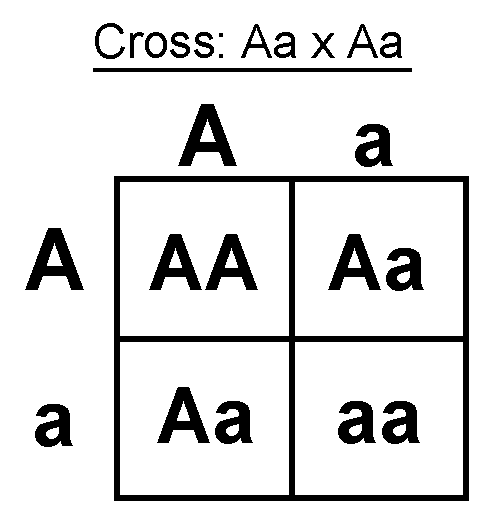
What is the phenotype of the offspring? (A-Brown hair; a-blond hair) 
a)
50 % Brown Hair and 50% Blond Hair 
b)
25 % Brown Hair and 75% Blond Hair 
c)
75 % Brown Hair and 25% Blond Hair 
d)
0% Brown Hair and 100% Blond Hair 
35.
A green pea plant (GG) is being crossed with a green pea plant (Gg). What is the phenotype?
a)
100 % rainbow 
b)
50% yellow and 50% green 
c)
100% green
d)
100% yellow 
36.
A homozygous dominant brown mouse is crossed with a heterozygous brown mouse (tan is the recessive color). 
a)
100 % tan
b)
100 % brown 
c)
50 % brown and 50% tan 
d)
75 % brown and 25 % tan 
37.
Two heterozygous red flower (white flowers are recessive) are crossed. What is the phenotype?
a)
75% red and 25% white
b)
25% red and 75% white
c)
100 White 
d)
50% red 50% red 
38.
What is a change in an organism that allows for it to survive in its environment?
a)
homologous
b)
vestigial
c)
variation
d)
adaptation
39.
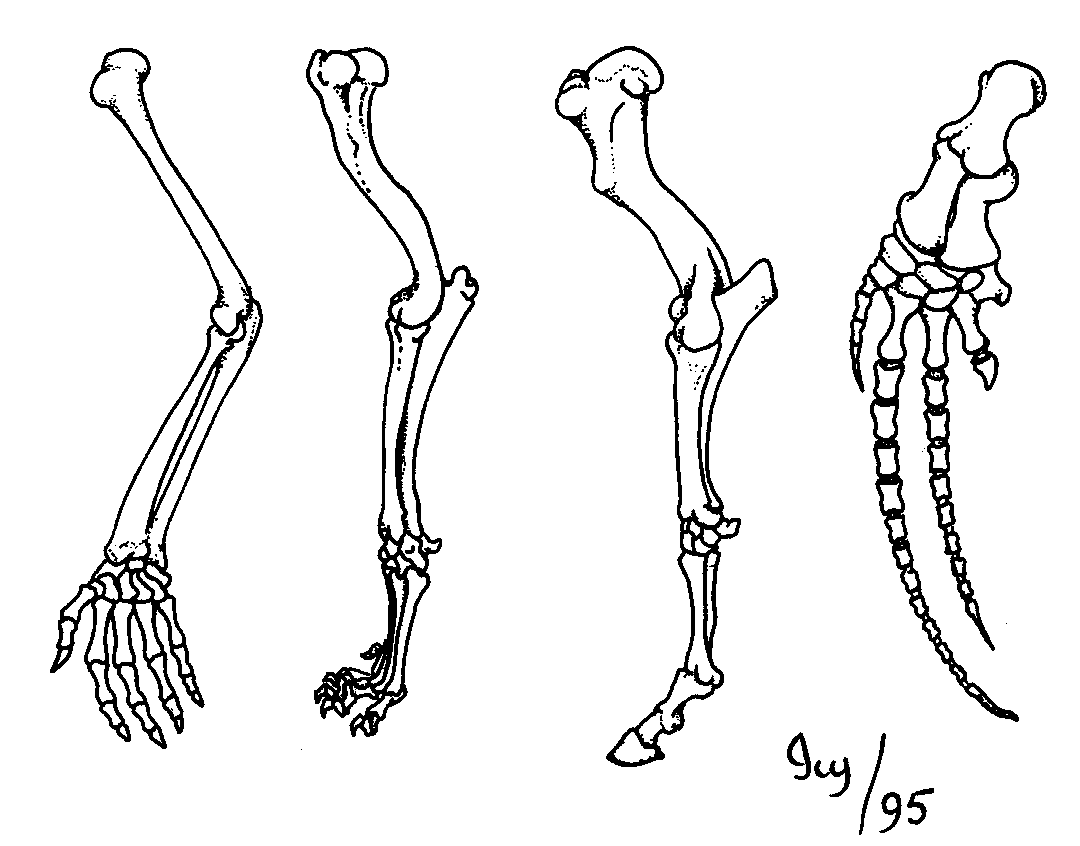
Structures with the same parts have different functions; suggests that organisms share a common ancestry
a)
vestigial structures
b)
homologous structures
c)
adaptive radiation
d)
fossil
40.
Which of the following is a term for a group of similar organisms that can reproduce fertile offspring?
a)
individual
b)
population
c)
species
d)
fossil
41.
Why are advantageous traits more likely to be passed onto offspring?
a)
Because they are more likely to survive and reproduce.
b)
Because they come from dominant alleles.
c)
Because they come from recessive alleles.
d)
Because the trait is an acquired phenotype.
42.
Which type of muscle makes up the heart?
a)
cardiac
b)
smooth
c)
skeletal
d)
all of these
43.
A(n) muscle that contracts under unconscious control
a)
voluntary
b)
skeletal
c)
involuntary
d)
striated
44.
What type of muscle is found in internal organs?
a)
skeletal
b)
striated
c)
smooth
d)
voluntary
45.
where two or more bones meet
a)
sarcomere
b)
marrow
c)
joint
d)
ligament
46.
Which of the following is the correct order of organization in living things from most basic (simple) to most complex?
a)
a.  Organism, cell, tissue, organ, organ system
b)
a.  Organ system, organ, tissue, cell, organism
c)
a.  Cell, tissue, organ, organ system, organism
d)
a.  Cell, organ, tissue, organ, organism, organ system
47.
A group of cells that work together
a)
organ system
b)
organism
c)
organ
d)
tissue
48.
The heart contains different types of tissue. What level is the heart?
a)
cell
b)
organ system
c)
organ
d)
tissue
49.
The digestive system includes the stomach. What level is the stomach?
a)
organ
b)
tissue
c)
cell
d)
organism
50.
The chewing and grinding of food into smaller pieces is an example of...
a)
Mechanical Digestion
b)
Chemical Digestion
51.
Nutrients from digested food are absorbed in which digestive organ?
a)
Small Intestine
b)
Stomach
c)
Large Intestine
d)
Gallbladder
52.
Which organ pushes food down to the stomach?
a)
Mouth
b)
Esophagus
c)
Rectum
d)
Large intestine
53.
Which is NOT a function of the Digestive System?
a)
To rid the body of solid waste
b)
Absorb nutrients for energy & growth
c)
Break down nutrients from food
d)
Pump blood around the body
54.
Enzymes (chemicals) in your saliva help break down food while chewing.  This is...
a)
Mechanical digestion
b)
Chemical digestion
55.

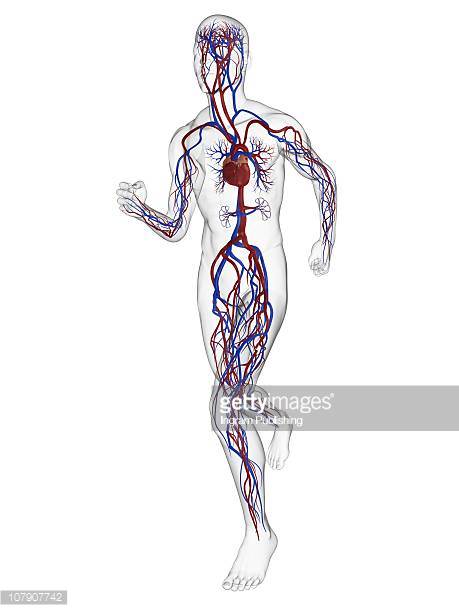
What is the main organ of the circulatory system?

a)

small intestine

b)

bone

c)

lungs

d)

heart

56.

Arteries carry oxygen rich blood away from the heart.

a)

True

b)

False

57.

Veins carry oxygen poor blood back to the heart.

a)

False

b)

True

58.

The job of the heart is to . . .

a)

pump blood around the body.

b)

send food to the small intestines.

c)

break down food.

d)

give energy to the body.

59.

How does the heart work?

a)

It pumps blood first to the lungs, back to the heart and then around the rest of the body.

b)

It pumps blood first to the rest of the body, back to the lungs and then to the heart.

c)

It pumps blood around the rest of the body, back to the heart and then to the lungs,
60.
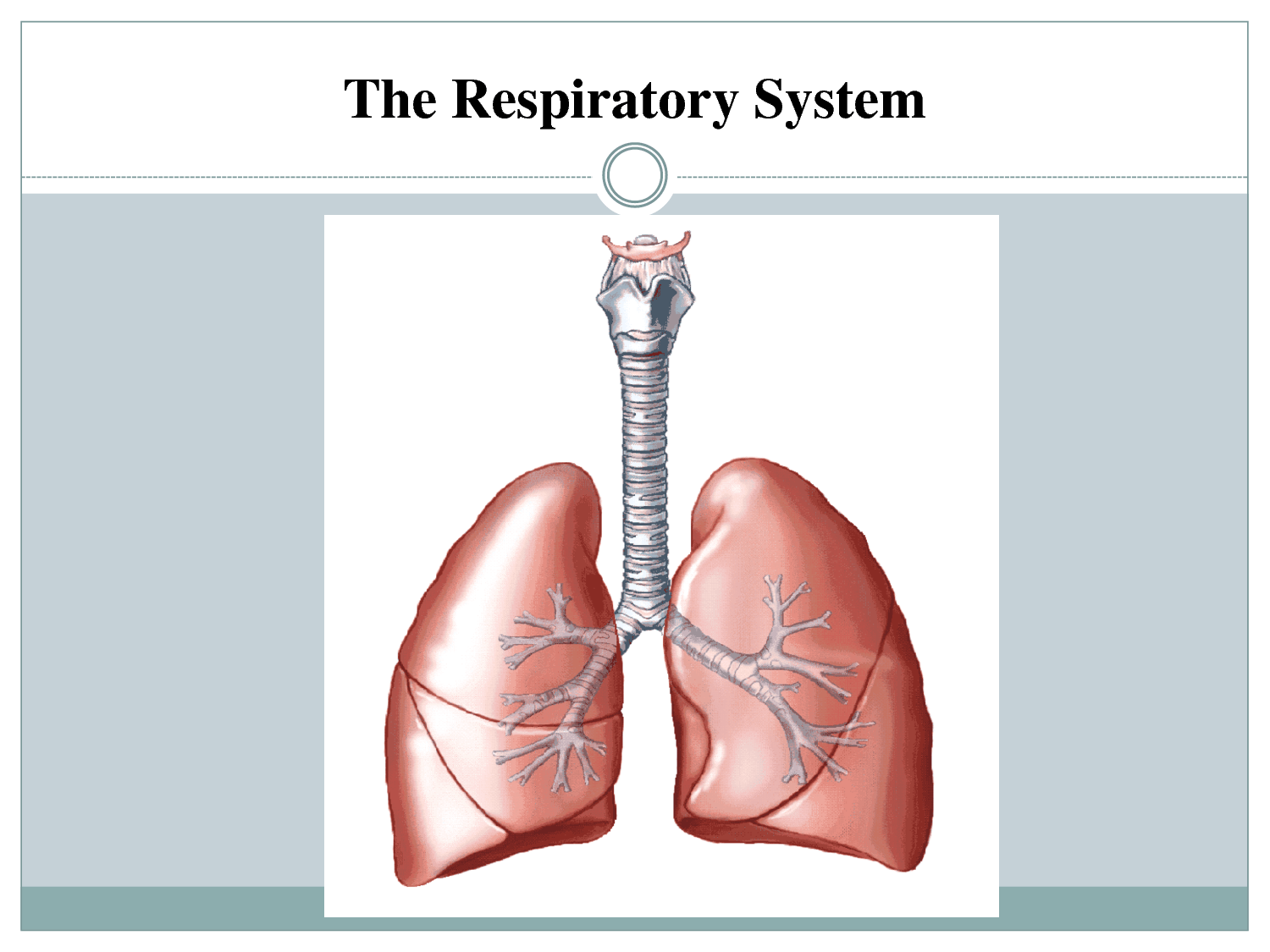
What is the main function of the respiratory system?
a)
to provide oxygen and remove carbon dioxide from the body
b)
to bring oxygen to the body
c)
to break down food and absorb nutrients
d)
to remove oxygen from the body and deliver carbon dioxide
61.
Flap of skin that covers the opening to the windpipe during swallowing
a)
Stomach
b)
Trachea
c)
Pancreas
d)
Epiglottis
62.
Which organ system removes cellular wastes as the result of cellular respiration?
a)
nervous
b)
digestive
c)
excretory
d)
circulatory
63.
One major function of the excretory system is to clean the what?
a)
urine
b)
blood
c)
kidneys
d)
bladder
64.
What two things are found in the central nervous system?
a)
brain/spinal cord
b)
spinal cord/motor neurons
c)
motor/sensory neurons
d)
only brain
65.
What is another word for autonomic?
a)
voluntary
b)
involuntary
c)
central 
d)
brain
66.
The Peripheral Nervous System contains the brain and the brain stem. 
a)
True
b)
False
67.
Which process is goverened by the autonomic nervous system?
a)
writing
b)
chewing
c)
running
d)
digesting food
68.
A part of an environment that keeps a populations size at a level below its full potential. Can be biotic or abiotic
a)
limiting factor
b)
carrying capacity
c)
competition
d)
cooperation
69.
One organism is hurt while the other benefits.
a)
mutalism
b)
parasitism
c)
commensalism
70.
One organism benefits the other is unharmed
a)
mutalism
b)
commensalism
c)
parasitism
71.
Both organisms benefit
a)
mutualism
b)
commensalism
c)
parasitism
72.
What is one ABIOTIC factor in this ecosystem?
a)
frog
b)
tadpole
c)
water
d)
snail
73.
What is one BIOTIC factor in this ecosystem?
a)
soil
b)
Sun
c)
water weeds
d)
water
74.
If immigration happens...
a)
the population will increase
b)
the population will decrease
c)
the population will not change
75.
A series of steps used by scientists to solve a problem or answer a question. 
a)
scientific method
b)
recipe
c)
data collection
d)
metric system
76.
Which is NOT a step in the scientific method?
a)
Make observation
b)
Form a theory
c)
Collect data
d)
Form a hypothesis
77.
A testable explanation to a problem that has not yet been tested. 
a)
data
b)
theory
c)
hypothesis
d)
fact
78.
This variable in an experiment is the one being changed by the scientist. 
a)
dependent variable
b)
independent variable
c)
data
d)
control group
79.
An experiment is performed on plants to see how different liquids affect plant growth. Each plant in the experiment is given a different liquid; water, apple juice, or milk. Each plant has the same amount of soil, sunlight, and listens to the same music. In this investigation, the independent variable is ...
a)
The type of plant
b)
The amount of sunlight
c)
The type of music
d)
The type of liquid
80.
Dependent variable means
a)
the scientist controls what to test
b)
educated guess
c)
ask a question
d)
what is being measured
81.
If you increase the amount of spinach you eat, then you will increase the iron in your blood. 
What's the dependent variable?
a)
increase the amount of iron in your blood
b)
spinach you eat
82.
If I ride my bike to school instead of walking, then I will get to school faster. What is the dependent variable?
a)
True
b)
How fast you get to school
c)
Riding a bike or walking
d)
False
83.
If I study for my scientific method test, then I will have a better test score. What is the dependent variable?
a)
Scientific Method
b)
Studying
c)
Independent variable
d)
Test score