Wayground logo

Free Printable Worksheets

Font size

S
M
L
XL
Worksheets

S137 Body Systems

Total questions: 43

Worksheet time: 28mins

Name
Class
Date
1.
What is responsible for delivering oxygen and removing carbon dioxide from the body?
a)
cell nucleus
b)
excretory system
c)
nervous tissue
d)
respiratory system
2.
Which body system transports oxygen and nutrients through out the body?
a)
Muscular System
b)
Nervous System
c)
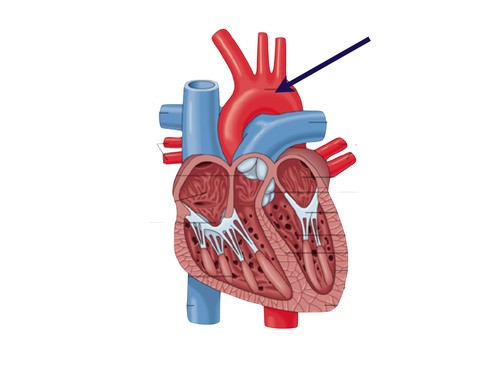
Digestive System
d)
Circulatory System
3.
The chewing and grinding of food into smaller pieces is an example of...
a)
Mechanical Digestion
b)
Chemical Digestion
4.

Which of the following organs does food NOT pass through in the digestive system?

a)

Small Intestine

b)

Esophagus

c)

Gallbladder

d)

Stomach

5.
Bile is made by which digestive organ?
a)
Gallbladder
b)
Stomach
c)
Rectum
d)
Liver
6.
Which digestive organ makes digestive juices to help the small intestine absorb nutrients?
a)
Liver
b)
Gallbladder
c)
Pancreas
d)
Esophagus
7.
Nutrients from digested food are absorbed in which digestive organ?
a)
Small Intestine
b)
Stomach
c)
Large Intestine
d)
Gallbladder
8.
Number 4 is pointing to the....
a)
Anus
b)
Rectum
c)
Large Intestine
d)
Small intestine
9.
Number 5 is pointing to the...
a)
Liver
b)
Gallbladder
c)
Pancreas
d)
Stomach
10.
Number 3 is pointing to the...
a)
Small intestine
b)
Rectum
c)
Large intestine
d)
Stomach
11.
Number 2 is pointing to the...
a)
Esophagus
b)
Stomach
c)
Small intestine
d)
Anus
12.
Which organ pushes food down to the stomach?
a)
Mouth
b)
Esophagus
c)
Rectum
d)
Large intestine
13.
As waste moves through the digestive system, the ______ absorbs water before storing waste in the rectum.
a)
Small intestine
b)
Stomach
c)
Esophagus
d)
Large intestine
14.
Bile is stored in which secondary digestive organ?
a)
Stomach
b)
Liver
c)
Gallbladder
d)
Pancreas
15.
Which is NOT a function of the Digestive System?
a)
To rid the body of solid waste
b)
Absorb nutrients for energy & growth
c)
Break down nutrients from food
d)
Pump blood around the body
16.
Enzymes (chemicals) in your saliva help break down food while chewing.  This is...
a)
Mechanical digestion
b)
Chemical digestion
17.
Flap of skin that covers the opening to the windpipe during swallowing
a)
Stomach
b)
Pepsin
c)
Pancreas
d)
Epiglottis
18.
What do the villi do?
a)
Digests food in the mouth.
b)
Digests food in the stomach
c)
Protects the stomach from digesting iteself
d)
Absorbs nutrients from food so the body has energy.
19.
Churns and mixes food, produces acid to kill pathogens & pepsin to digest proteins.
a)
stomach
b)
liver
c)
gall bladder
d)
pancreas
20.
Where waste is stored before it is eliminated from the body.
a)
rectum
b)
epiglottis
c)
esophagus
d)
pancreas
21.

Amylase breaks down ________ while trypsin and pepsin break down _________

a)

starch, lipids

b)

starch, proteins

c)

proteins, starch

d)

lipids, protein

22.
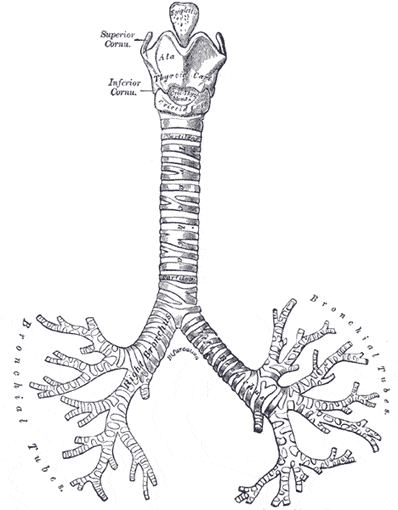
The two main branches from the trachea (one to each lung)
a)
bronchi
b)
alveoli
c)
capillaries
d)
bronchioles
23.
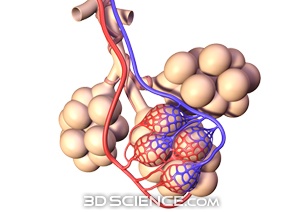
The air sacs that are covered with capillaries where gas exchange takes place
a)
bronchi
b)
lungs
c)
oxygen
d)
alveoli
24.
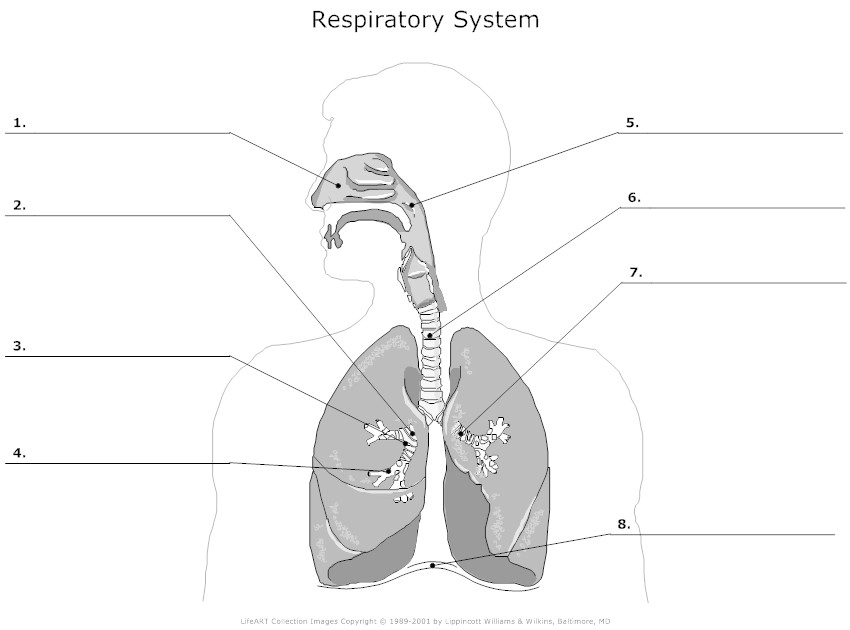
Name the organ label # 6. 
a)
alveoli 
b)
bronchi 
c)
trachea 
d)
lungs 
25.
Flap of skin that covers the opening to the windpipe during swallowing
a)
Stomach
b)
Trachea
c)
Pancreas
d)
Epiglottis
26.
What does the cilia do in the respiratory syestem ?
a)
The cilia carries food and air through the respiratory system. 
b)
The cilia is known to be part of a cell. 
c)
Cilia filters particles that enter the nose. 
d)
Cilia contains the vocal chords. 
27.

Given the following structures:

1. larynx

2. nasal cavity

3. bronchi

4. trachea

5.alveoli

Which of the following is the correct order that air would flow during inhalation.

a)

1,2,3,4, 5

b)

2,1,4,3,5

c)

2,1,3,5,4

d)

4,2,3,1, 5

28.

Digestion of food takes place in all of the following organs EXCEPT

a)

Liver

b)

Small Intestine

c)

Large Intestine

d)

Mouth

e)

Stomach

29.

When you inhale...

a)

The diaphragm moves up

b)

The diaphragm moves down

c)

Carbon Dioxide rushes in

d)

Oxygen rushes out

30.

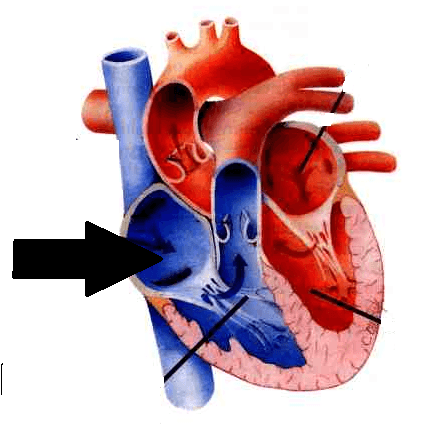
Identify what part of the heart the arrow is pointing to

a)

Left atrium

b)

Right atrium

c)

Left ventricle

d)

Right ventricle

31.

Identify what part of the heart the arrow is pointing to

a)

Pulmonary veins

b)

Pulmonary artery

c)

Aorta

d)

Vena cava

32.
This chamber of the heart RECEIVES blood returning from the body
a)
Right Atrium
b)
Right Ventricle
c)
Left Atrium
d)
Left Ventricle
33.
Which chambers of the heart are the thickest and strongest?
a)
Atria
b)
Ventricles
c)
Valves
d)
Aorta
34.
The aorta is the largest artery in the body. The blood leaving the aorta is full of?
a)
Oxygen 
b)
Carbon Dioxide 
c)
White blood Cells 
d)
Potassium 
35.
Thin-walled vessels that allow for the exchange of O2 , CO2, nutrients and wastes between blood cells or air sacs in the lungs
a)
Arteries
b)
Veins
c)
Capillaries
36.
  Compared to arteries, veins 
a)
have a pleated endothelium.
b)
have thinner walls.
c)
have more smooth muscle in their tunica media. 
d)
hold their shape better when cut. 
37.
Carry blood away from heart; mostly oxygen-rich
a)
Arteries
b)
Veins
c)
Capillaries
38.
Which is NOT a function of the circulatory system?
a)
deliver O2 and nutrients to cells
b)
remove CO2 and wastes from cells
c)
break down carbohydrates into glucose
d)
transport other materials through body
39.
A blood vessel that carries blood TO the heart is called ...
a)
vein
b)
capillary
c)
blood vessel
d)
artery
40.
White blood cells (WBC’s), red blood cells (RBC’s), plasma, & platelets are the 4 parts of what?
a)
blood vessels
b)
organs
c)
heart disease
d)
blood
41.
What is a pulmonary vein?
a)
  a aorta
b)
a main blood vessel 
c)
the blood vessel that carries newly oxygenated blood from the lungs
d)
it is a heart valve 
42.
Where does the deoxygenated blood from the body go ?
a)
Stomach
b)
Colon
c)
Toes
d)
Lungs
43.
Which order is correct? 
a)
Superior and inferior vena cavas into the right atrium through the tricuspid valve
b)
Superior and inferior vena cavas into the left atrium through the bicuspid valve
c)
right ventricle through the tricuspid valve into the right atrium
d)
body cells and tissues to the aorta through the aortic valve