
 Worksheets
SCIENCE MAP PRACTICE TEST
Total questions: 90
Worksheet time: 2hrs 45mins
Name
Class
Date
1.
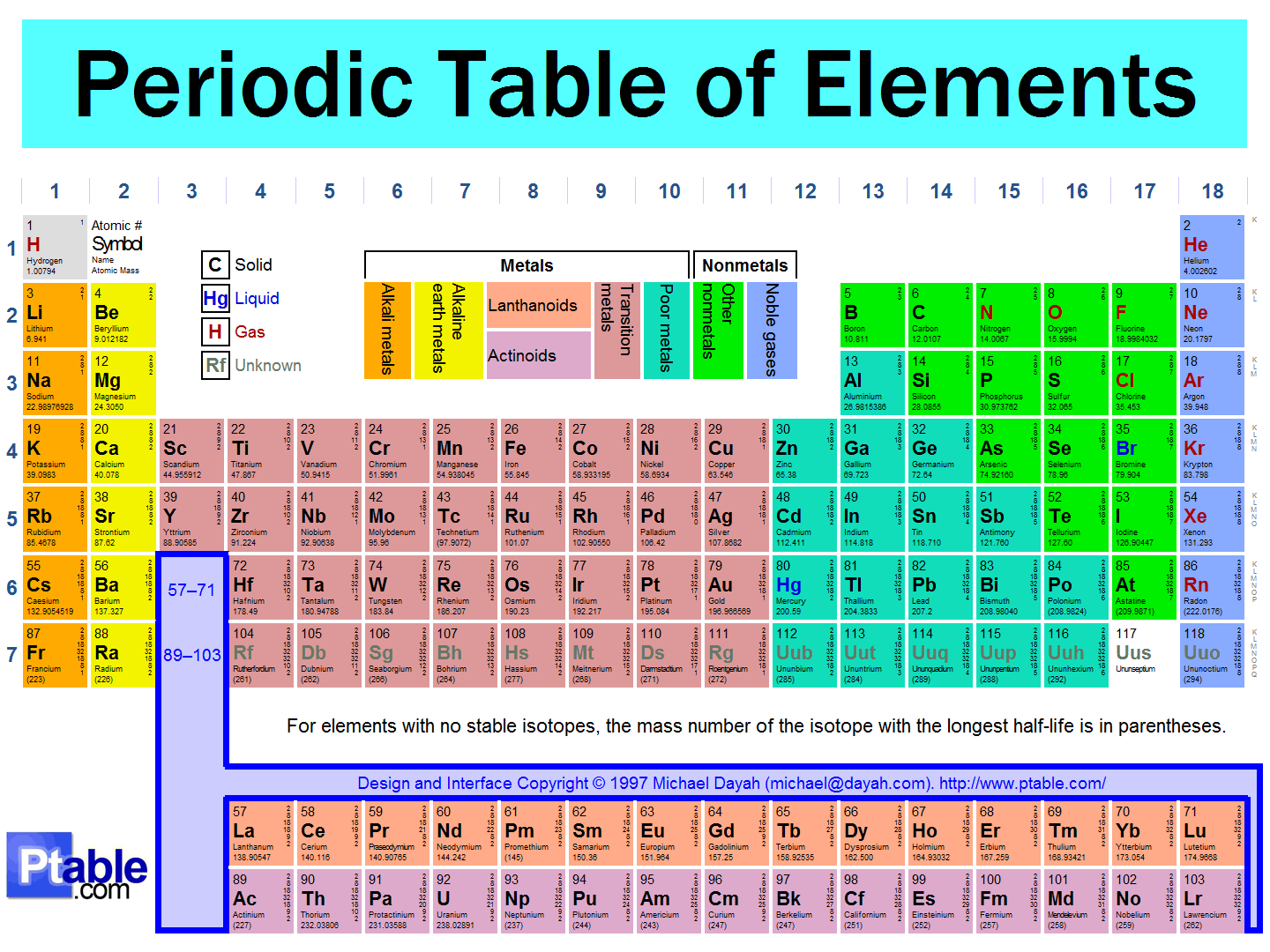
The horizontal row on the periodic table is called a
a)
group
b)
family
c)
period
d)
atomic number
2.

How did Mendeleev arrange the elements?
a)
alphabetical
b)
density
c)
melting point
d)
atomic mass
3.
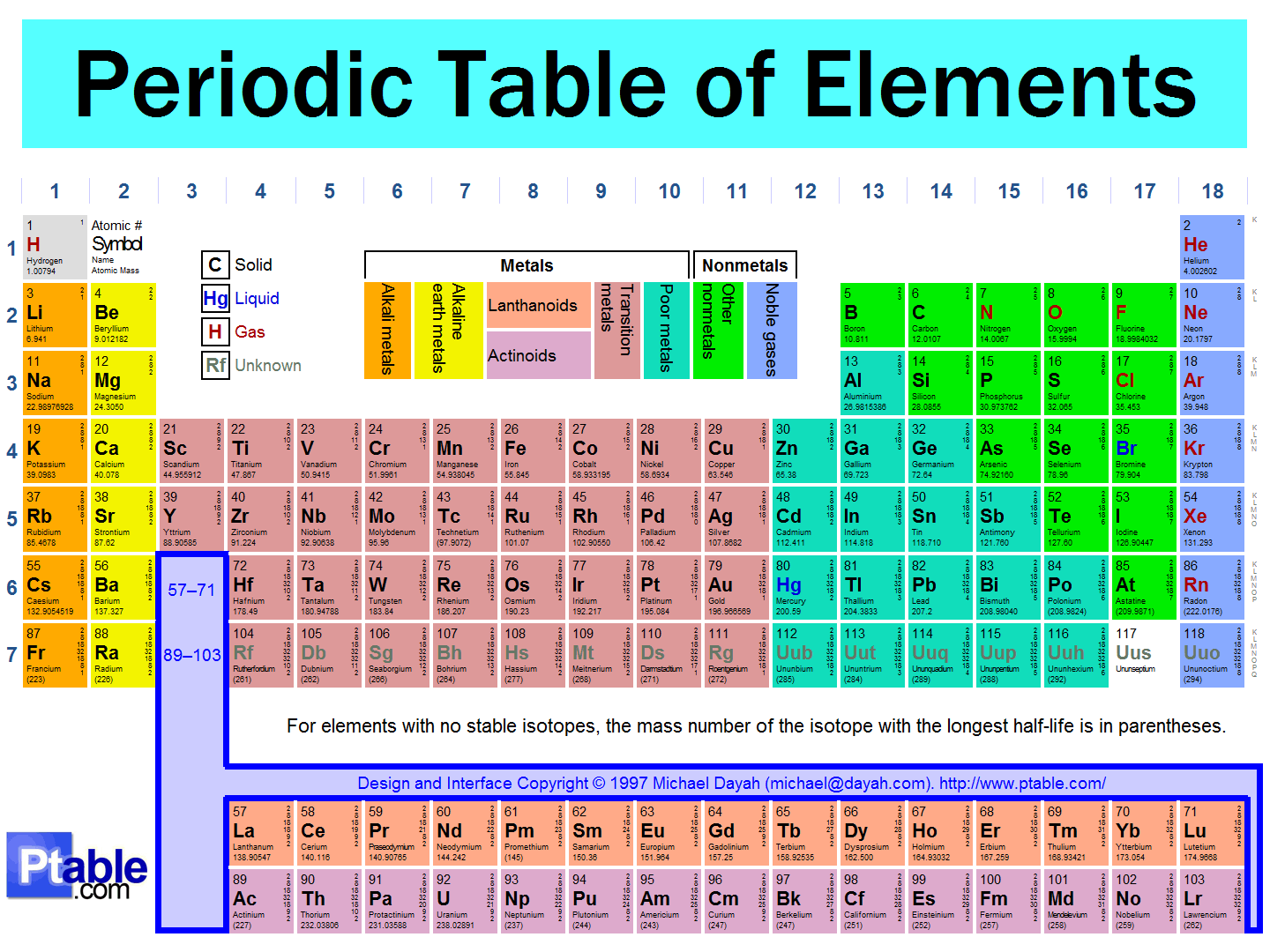
A vertical column is called...
a)
group
b)
tower
c)
period
d)
crew
4.
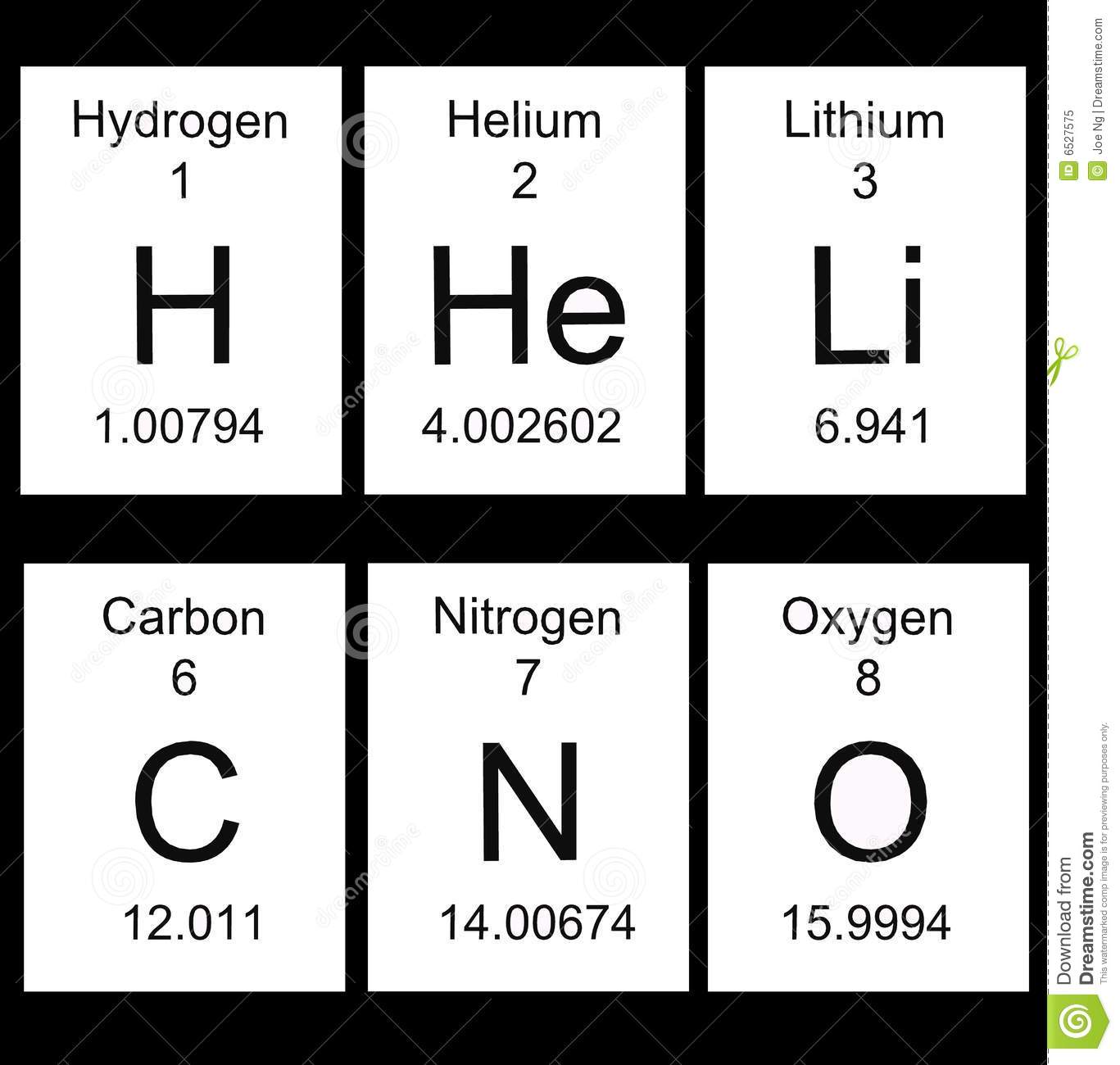
The number at the bottom of each square on the periodic table is the ...
a)
atomic number
b)
atomic mass
c)
chemical symbol
d)
element name
5.
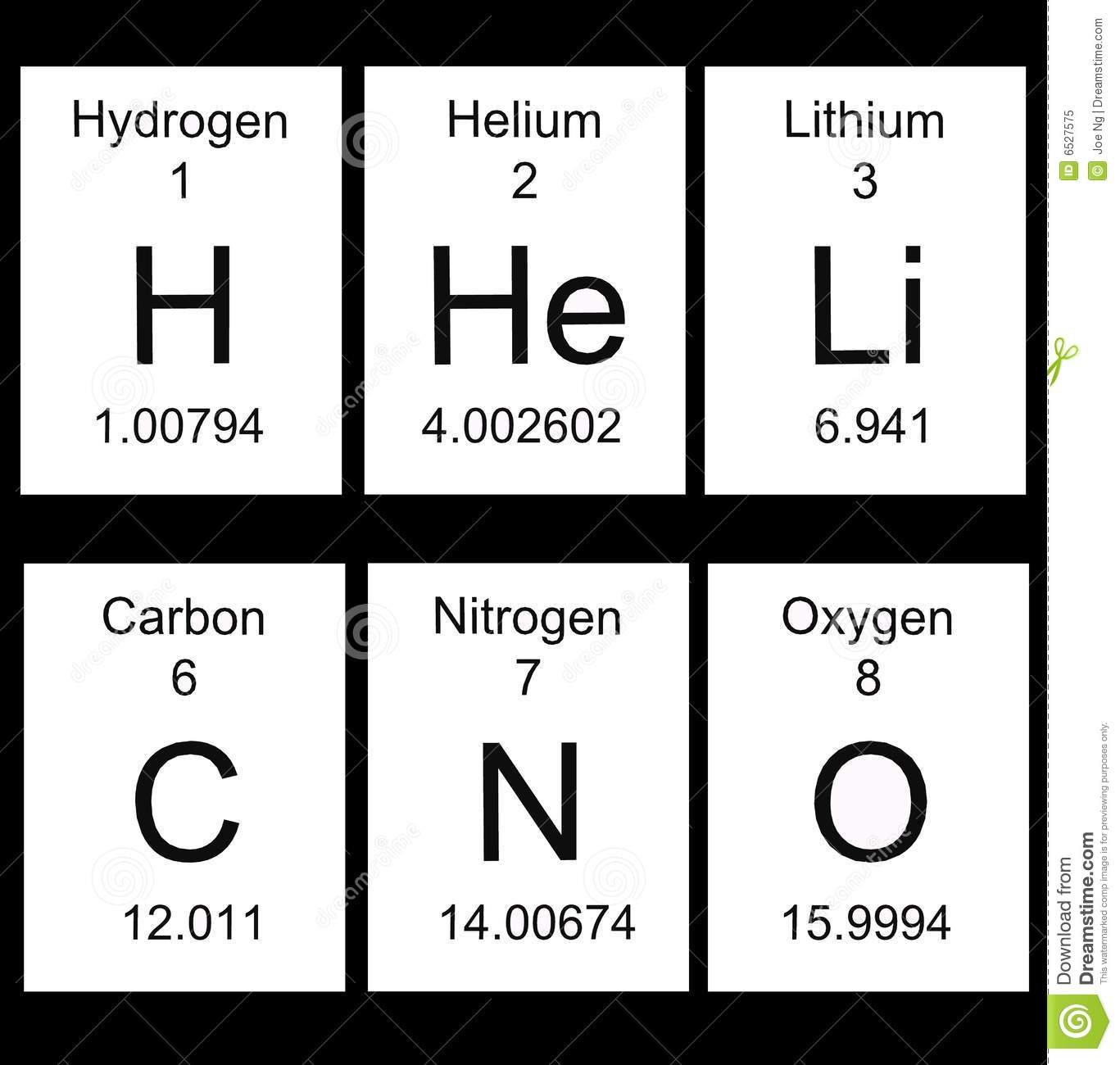
The number at the top of each square on the periodic table is the ...
a)
atomic number
b)
atomic mass
c)
Chemical Symbol
d)
Element Name
6.
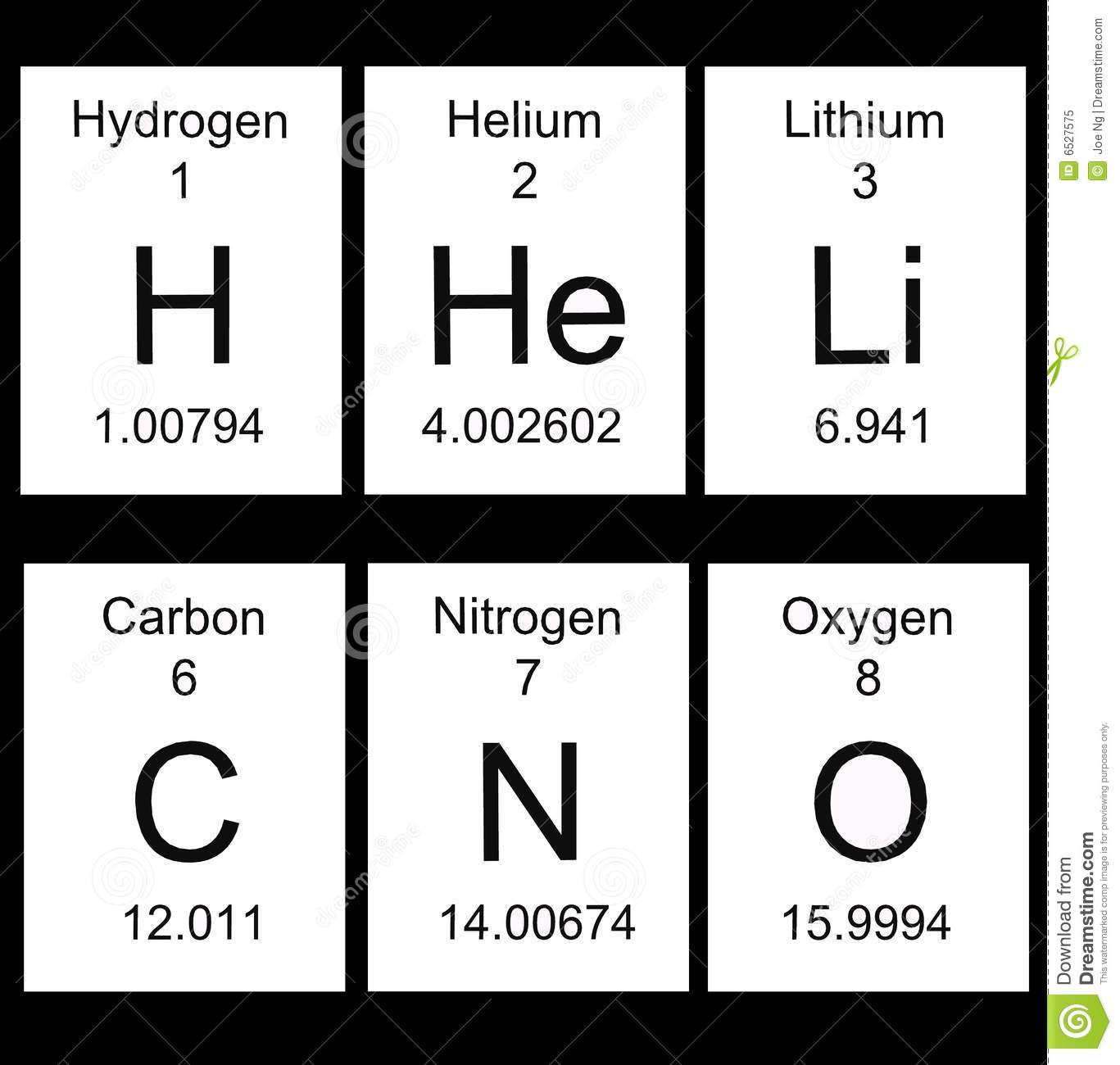
What is the chemical symbol for Lithium?
a)
H
b)
He
c)
Li
d)
N
7.

Pure forms of these elements are stored in oil so they won't react with oxygen and water in the air.
a)
Alkali Metals
b)
Alkaline-earth metals
c)
Halogens
d)
Noble Gases
8.
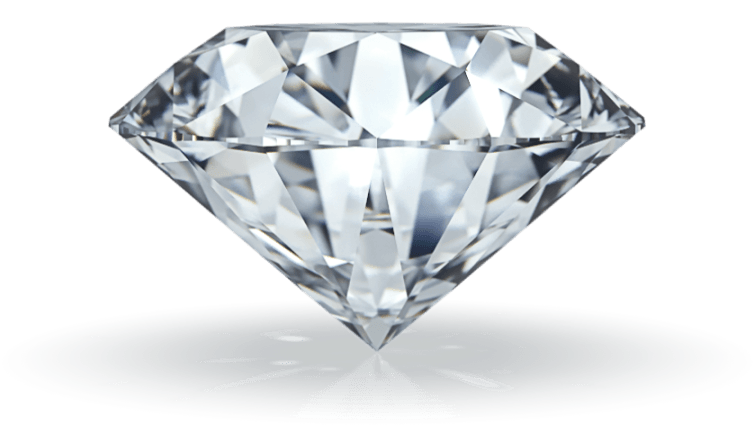
Diamonds are a pure form of what element?
a)
Carbon
b)
Oxygen
c)
Silicon
d)
Silver
9.

Most of the elements on the periodic table are classified as _____.
a)
Metals
b)
Nonmetals
c)
Metalloids
d)
Periods
10.
The atomic number tells you what?
a)
number of electrons
b)
number of protons
c)
number of neutrons
d)
both electrons and protons in an atom.
11.
Which group of the periodic table is composed of inert (not reactive) gases?
a)
alkali metals
b)
alkaline earth metals
c)
halogens
d)
noble gases
12.
Which element is not a metal?
a)
H
b)
Re
c)
Al
d)
B
13.

The atoms along the staircase are called
a)
metals
b)
nonmetals
c)
metalloids
d)
noble gases
14.
Which is a halogen?
a)
Helium
b)
Chlorine
c)
Oxygen
d)
Neptune
15.
A proton is....
a)
A negatively charged subatomic particle
b)
A positively charged subatomic particle
c)
A neutrally charged subatomic particle
d)
The only subatomic particle located in the nucleus
16.
A neutron has a charge of
a)
+2
b)
No charge
c)
-1
d)
+1
17.
How many electrons does Oxygen need to fill its outer shell?
a)
3
b)
4
c)
1
d)
2
18.
How many Valance electrons does Iodine Have?
a)
6
b)
16
c)
7
d)
17
19.
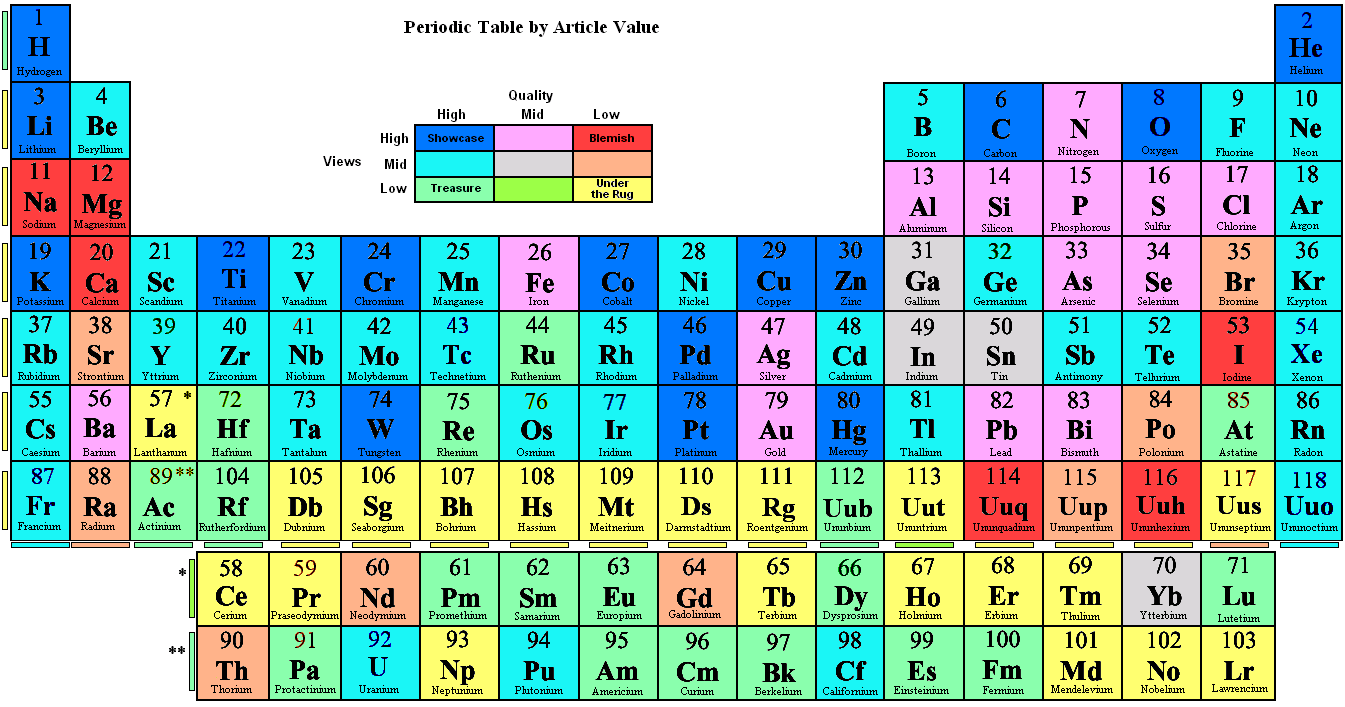
The period for Bromine is ___________.
a)
3
b)
2
c)
4
20.
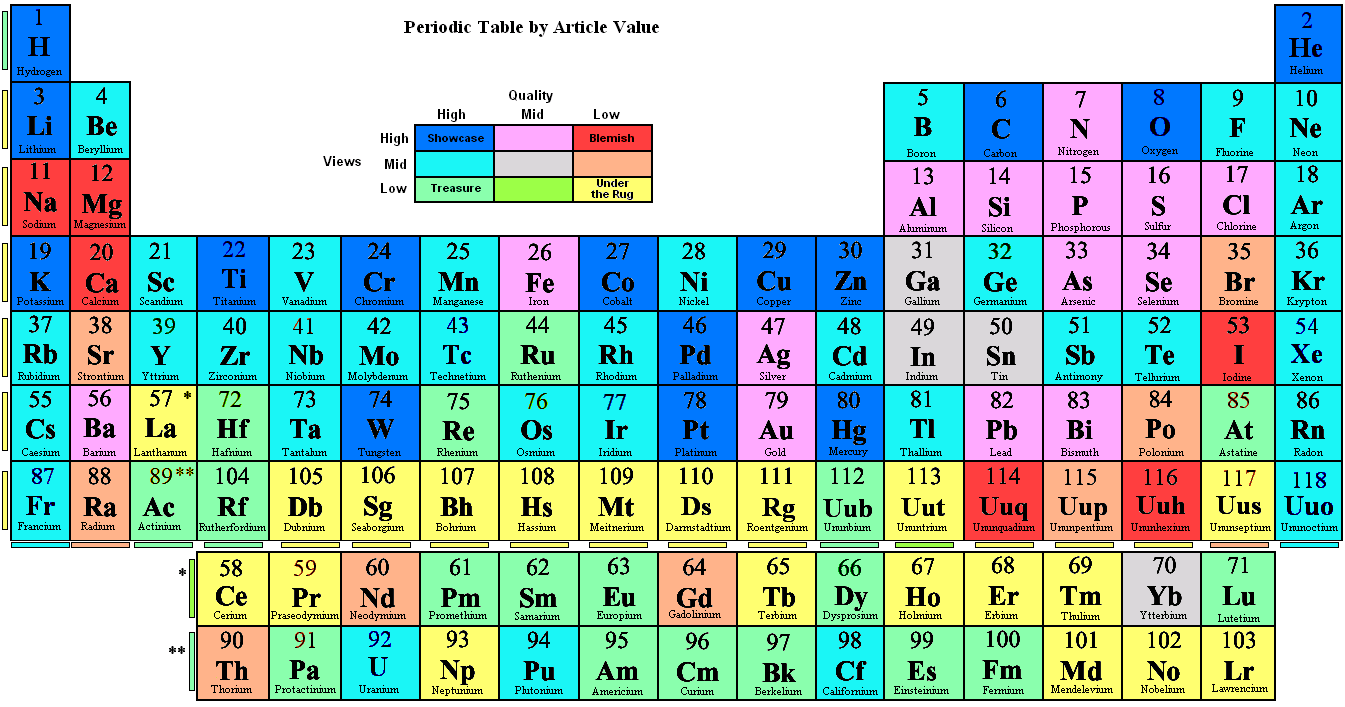
Beryllium is in group number______.
a)
Group 2
b)
Group 3
c)
Group 4
d)
Group 7
21.
The periodic table has __ periods.
a)
18
b)
8
c)
2
d)
7
22.
An element's identity is determined by the number of
a)
electrons.
b)
protons.
c)
neutrons.
d)
valence.
23.
Group 18 elements are known as the _____ _____ and have full valence shells.
a)
royal gases.
b)
supreme solids.
c)
noble gases.
d)
legit liquids.
24.
What period and group is Silver (Ag)?
a)
Period 2, Group 1
b)
Period 3, Group 16
c)
Period 5, Group 11
d)
Period 2, 14
25.
The elements in this group have 5 valence electrons and include elements N, P, and As.
a)
Group 5
b)
Group 1
c)
Group 18
d)
Group 15
26.
The elements in this group only have 1 valence electron and include Li, Na, and K.
a)
Group 11
b)
Group 1
c)
Group 3
27.
Jack has a rock. The rock has a mass of 14g and a volume of 2cm3. What is the density of the rock?
a)
7 mL
b)
7 g/cm3
c)
28 g/cm3
d)
1/7 g/cm3
28.
Which units of measurement are used for volume?
a)
grams
b)
centimeters
c)
grams/milliliter
d)
milliliter
29.
Which lab tool might you use to measure the volume of a liquid?
a)
electric scale
b)
bunsen burner
c)
test tube
d)
graduated cylinder
30.

What is the volume of Object X?
a)
10.0 cm3
b)
15.0 cm3
c)
20.0 cm3
d)
25.0 cm3
31.
True or False: The density of a specific type of material never changes.
a)
True
b)
False
32.

I have two objects with the same volume but different masses. Which object will be more dense?
a)
The object with less weight.
b)
The object with more weight.
c)
The object with more mass.
d)
The object with less mass.
33.
What is the formula for density?
a)
density = mass x volume
b)
density = mass / volume
c)
density = mass + volume
d)
density = mass - volume
34.
Frank has an eraser. It has a mass of 4g, and a volume of 2cm3. What is its density?
a)
8 g/cm3
b)
2 g/cm3
c)
1/2 g/cm3
d)
24 g/cm3
35.
Frank has a paper clip. It has a mass of 9g and a volume of 3cm3. What is its density?
a)
3 g/cm3
b)
1/3 g/cm3
c)
27 g/cm3
d)
39 g/cm3
36.
An object with which of the following densities will float on water?
a)
0.7 g/cm3
b)
1.2 g/cm3
c)
3.5 g/cm3
d)
11.4 g/cm3
37.
A block has a mass of 54g and a volume of 20cm3. What is the density of the block?
a)
74 g/cm3
b)
1080 g/cm3
c)
34 g/cm3
d)
2.7 g/cm3
38.
A can of Coke will sink in a bowl of water. A can of Diet Coke will float in a bowl of water. What does this tell you about the density of the Diet Coke?
a)
it is bigger than 1
b)
it is smaller than 1
c)
it is equal to 1
d)
it is equal to -1
39.
Why do ice cubes float in a glass of water?
a)
the ice cubes are more dense than the water
b)
the water is more dense than the ice cubes
c)
the water is more dense than the glass
d)
the ice is more dense than the glass
40.
Will an object with a density of 1.01 g/cm3 float or sink?
a)
float
b)
sink
41.
A brick sinks in water while a wooden block of the same size floats. This is because the brick has a
a)
lower volume than the wooden block
b)
lower density than the wooden block
c)
higher volume than the wooden block
d)
higher density than the wooden block
42.
Mercury is a metal that is liquid at room temperature and has a density of 13.5 g/cm3. Which of these metals would sink below the mercury if dropped into a container of mercury?
a)
gold (density=19.3 g/cm3)
b)
lead (density=11.4 g/cm3)
c)
iron (density=7.9g/cm3)
d)
aluminum (density=2.7g/cm3)
43.
What is the density of a liquid that has a mass of 27g and a volume of 30ml?
a)
0.9 g/ml
b)
3 g/ml
c)
57 g/ml
d)
810 g/ml
44.
Will an object with a density of 0.999 sink or float in water?
a)
sink
b)
float
45.
What is the density of water?
a)
0 g/ml
b)
1 g/ml
c)
10 g/ml
d)
100 g/ml
46.
What is the density of a substance that has a mass of 30g and a volume of 6 liters?
a)
24 g/l
b)
5 g/l
c)
36 g/l
d)
180 g/l
47.
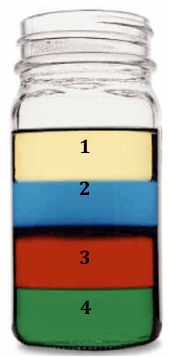
Put the liquids in order from most dense to least dense?
a)
4, 3, 2, 1
b)
1, 2, 3, 4
c)
3, 4, 2, 1,
d)
4, 3, 1, 2
48.
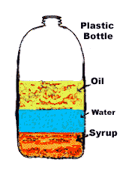
Which liquid is the least dense?
a)
oil
b)
water
c)
syrup
d)
plastic bottle
49.

Which box has a higher density?
a)
Box A
b)
Box B
c)
cannot be determined
d)
they are the same
50.
The substances listed on the right side of a chemical equation are the
a)
Yields
b)
Reactants
c)
Products
d)
Precipitates
51.
In chemical reactions, what does the principle of conservation of mass mean?
a)
Matter is not created or destroyed.
b)
The total mass of the reactants is greater than the total mass of the products.
c)
The total mass of the reactants is less than the total mass of the products.
d)
Matter is not changed.
52.
How many Oxygen (O) atoms are in 2C2HO8Cl2
a)
2
b)
16
c)
8
d)
5
53.
How many Hydrogen (H) atoms are in NH3O5
a)
3
b)
4
c)
5
d)
1
54.
A molecule is________
a)
a glob of gelatinous goo
b)
smaller than an atom
c)
filled with raisons
d)
more than one atom bonded together
55.
Which is the Law of Conservation of Matter?
a)
matter cannot be created or destroyed, it only changes form
b)
matter can be created but it cannot be destroyed, it never changes form
c)
matter can be destroyed but it cannot be created, it usually just changes form
d)
matter is an unproven theory created by Hans Geiger
56.
How many molecules of Carbon are in the following formula? 3C2H6
a)
3
b)
6
c)
12
d)
18
57.
How many elements are in C6H12O6?
a)
1
b)
2
c)
3
d)
4
58.
Fill in the blank to balance the chemical equation.
2KI + ____Cl2 → 2KCl + I2
2KI + ____Cl2 → 2KCl + I2
a)
1
b)
2
c)
3
d)
4
59.
What coefficient should go in the blank space to balance the chemical equation?
2Al +____ HCl → 2AlCl3 + 3H2
2Al +____ HCl → 2AlCl3 + 3H2
a)
2
b)
4
c)
3
d)
6
60.
Stored energy between atoms, ions, and molecule is __________________ energy?
a)
potential
b)
mass
c)
nuclear
d)
chemical
61.
T/F Mechanical energy is the sum of _______________energy and ______________ energy in a system.
a)
thermal and nuclear
b)
kinetic and chemical
c)
potential and kinetic
d)
nuclear and radiant
62.
The __________________of an atom move around the nucleus.
a)
neutrons
b)
protons
c)
electrons
d)
anitrons
63.
The food you eat provides your body with ______________energy.
a)
nuclear
b)
chemical
c)
heat
d)
radiant
64.
Which energy transformation occurs when you light a gas burner?
a)
Radiant to Thermal
b)
Nuclear to Thermal
c)
Electric to Chemical
d)
Chemical to Thermal
65.
What is energy?
a)
It is measured in watts
b)
It is the ability to do work
c)
It is power
d)
It is fluid motion
66.

Which coconut has the greatest gravitational potential energy?
a)
Position 1
b)
Position 2
c)
Position 3
d)
None of the above
67.

At what position does the cyclist have the least gravitational potential energy?
a)
A
b)
B
c)
C
d)
D
68.

The pizza that you eat has ___ energy.
a)
Chemical
b)
Electrical
c)
Kinetic
d)
Sound
69.
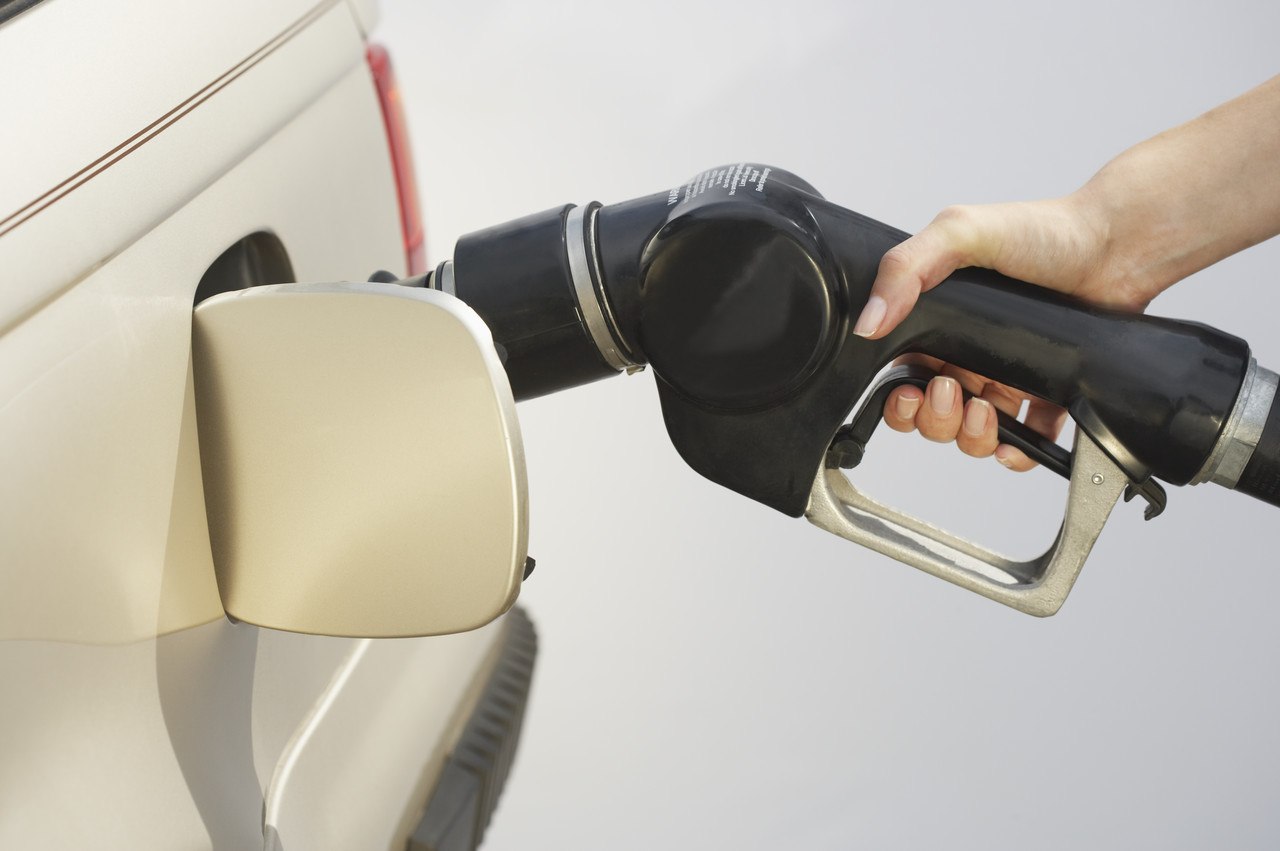
Which energy conversion is taking place when you put gasoline in a car?
a)
thermal -> electrical
b)
mechanical -> electrical
c)
chemical -> mechanical
d)
mechanical -> electromagnetic
70.

what type of energy is stored in a battery?
a)
electrical
b)
chemical
c)
thermal
d)
mechanical
71.
Which energy transformation occurs in a toaster?
a)
chemical to electric
b)
electric to thermal
c)
kinetic to chemical
d)
thermal to potential
72.
Energy transformations occur when...
a)
energy is created through conduction
b)
energy changes from one form to another
c)
two forces slide together that are touching
d)
a chemical reaction takes place
73.
Gravitational potential energy depends on the ________ and ________ of the object.
a)
Height and mass
b)
Friction and movement
c)
Mass and Movement
d)
Height and Friction
74.

Shona cycles at an average speed of 2.22 m/sec. How far has she traveled if she cycles for 4 hours?
a)
about 55 km
b)
about 32 km
c)
about 43 km
d)
about 32 miles
75.

Bob runs from 4:50 pm until 5:20pm at an average speed of 1.5 m/sec. How far did he go?
a)
4500 m
b)
3500 m
c)
2700 m
d)
1400 m
76.

What is the speed of an object that travels 60 meters in 4 seconds?
a)
240 m/s
b)
15 m/s
c)
0.067 m/s
d)
15 mph
77.
What is the equation to calculate distance?
a)
distance = speed/time
b)
distance = time/speed
c)
distance = speed/distance
d)
distance = speed x time
78.
Dave runs a 400 m race with a speed of 4 m/s. What time will it take him to finish the race?
a)
400 minutes
b)
100 minutes
c)
100 seconds
d)
.25 seconds
79.

What is the speed of this object at 3 seconds?
a)
5 m/s
b)
45 m/s
c)
5 s/m
d)
45 s/m
80.

What is this objects speed at 2 s?
a)
5 m/s
b)
5 s/m
c)
20 m/s
d)
20 s/m
81.
What is the equation to calculate time?
a)
time = speed/distance
b)
time = distance/speed
c)
time = speed x distance
d)
time = distance x speed
82.
A man runs at 0.75 m/sec for 5 min, what distance will he run?
a)
200 m
b)
10 m
c)
25 m
d)
225 m
83.
Dave runs a 400 m race with a speed of 4 m/s. What time will it take him to finish the race?
a)
400 minutes
b)
100 minutes
c)
100 seconds
d)
.25 seconds
84.

What is happening at D?
a)
Stationary
b)
Accelerating
c)
Fast steady speed; moving away from the starting position
d)
Slower steady speed; moving away from the starting position
85.

Which runner won the race?
a)
A
b)
B
c)
C
86.

How long did it take this object to travel 10 m?
a)
0 s
b)
10 s
c)
15 s
d)
20 s
87.

At 60 seconds, how far had this object traveled?
a)
0 m
b)
10 m
c)
20 m
d)
40 m
88.

What is this graph showing?
a)
Constant Speed
b)
Acceleration (speeding up)
c)
Deceleration (slowing down)
d)
No motion
89.

What does this graph represent?
a)
Constant speed
b)
Acceleration
c)
Not moving
90.

How fast is the object traveling between points B and C?
a)
1 km/hr
b)
0 km/hr
c)
There is no way to tell from this graph
d)
0.9 km/hr
100 %

