wayground logo

Free Printable Worksheets

Font size

S
M
L
XL
Worksheets

KS3 Year 8 Mock Revision

Total questions: 93

Worksheet time: 1hrs 3mins

Name
Class
Date
1.
Which nutrient is our body's MAIN source of energy?
a)
Carbohydrates
b)
Fats
c)
Water
d)
Minerals
2.
How many calories in 1 cup of soup?
a)
160
b)
120
c)
100
d)
60
3.
What nutrient keeps our bodies hydrated?
a)
Vitamins and Minerals
b)
Protein
c)
Water
d)
Carbohydrates
4.
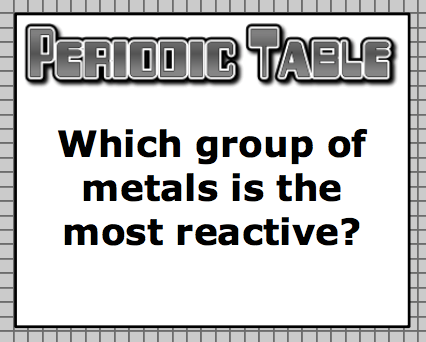
Which nutrient helps you feel full and also helps with digestion?
a)
Fats
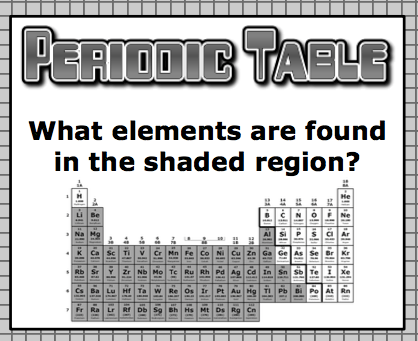
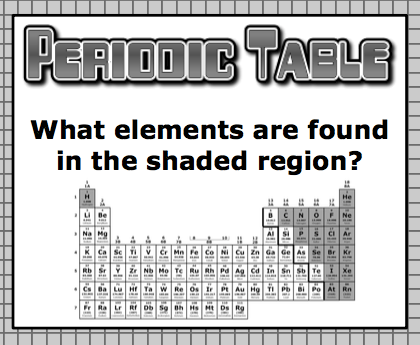
b)
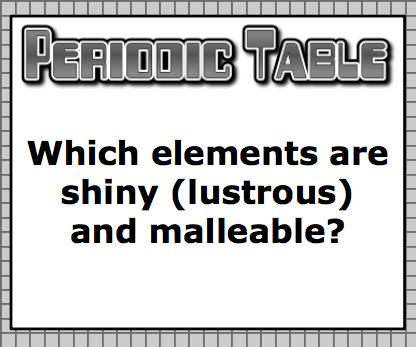
Sugar
c)
Protein
d)
FIber
5.

The purpose of fats is:

a)

to provide a layer of insulation for protection and warmth

b)

to boost the immune system and fight off infection.

c)

to provide the body with energy.

d)

to help us get a good night's rest.

6.
All of the following are true of fiber, except:
a)
it comes from foods that are high in saturated fat.
b)
it aids in digestion.
c)
it benefits heart health.
d)
it comes from dark, leafy greens.
7.
Jerry wants to build up his muscles, which food group intake he should increase ? 
a)
Carbohydrates
b)
Fats
c)
Proteins
d)
vitamins
8.
Define the term 'balanced diet'.
a)
A diet containing some nutrients in the correct proportions.
b)
A diet containing most nutrients in the correct proportions.
c)
A diet containing none nutrients in the correct proportions.
d)
A diet containing all nutrients in the correct proportions.
9.
_____________ increases the risk of diet related diseases.
a)
High Blood Pressure
b)
Coronary Heart Disease
c)
Diabetes
d)
Obesity
10.

Tube that carries swallowed food to the stomach

a)

Oesophagus (or gullet)

b)

liver

c)

pancreas

d)

rectum

11.
The organ in orange represents the:
a)
Liver
b)
Lung
c)
Stomach
d)
Pancreas
12.
The highlighted organ is the
a)
liver
b)
large intestine
c)
small intestine
d)
stomach
13.
The acid in your stomach used for digestion.
a)
sodium bicarbonate
b)
insulin
c)
hydrochloric
d)
amylase
14.
The main purpose of the large intestine.
a)
absorb hormones
b)
absorb protein
c)
absorb nutrients
d)
absorb water
15.
a)
Pancreas
b)
Stomach
c)
Small Intestine
d)
Liver
16.

Any substance, other than food, that alters the function of both the mind and the body.

a)

Liquid

b)

Drug

c)

Alcohol

d)

Hormone

e)

Pizza Crunchers

17.

A drug that increases the speed of the body's functions.

a)

Stimulants

b)

Depressants

c)

Hallucinogens

d)

Narcotics

e)

Inhalants

18.
Nausea, vomiting, sweating, body aches, irritability, and mood swings can all be examples of 
a)
Withdrawal 
b)
Tolerance 
c)
Addiction 
d)
Dependence 
19.
Cigarettes cause a black sticky substance called____________? to build up in a persons air passages.
a)
Tar
b)
Nicotine
c)
Cirrhosis
d)
Smoke
20.
The addictive chemical in tobacco is......?
a)
THC
b)
Tar
c)
Methane
d)
Nicotine
21.
What type of medicine can only be bought with a doctor's order?
a)
Drugs
b)
Prescription medicine
c)
OTC medicine
22.
Smoking causes...
a)
Strokes
b)
Heart Disease
c)
Cancer
d)
All of the above
23.
Which organelle performs PHOTOSYNTHESIS?
a)
Chloroplast
b)
Mitochondria
24.
Which gas is removed from the atmosphere during photosynthesis?
a)
hydrogen
b)
oxygen
c)
nitrogen
d)
carbon dioxide
25.
What are the products of photosynthesis?
a)
water and carbon dioxide
b)
oxygen and glucose
c)
oxygen and carbon dioxide
d)
oxygen and water
26.
Energy produced through respiration using oxygen is called _____ respiration
a)
aerobic
b)
anaerobic
27.
Energy produced through respiration when oxygen is NOT used is called ____ respiration.
a)
aerobic
b)
anaerobic
28.
What happens to your breathing rate when you exercise?
a)
It increases
b)
It decreases
c)
It stays the same
29.
What are the products of aerobic respiration?
a)
Glucose and oxygen
b)
Carbon dioxide and water
c)
Lactic acid
d)
Carbon monoxide
30.
The way energy is passed from one organism to another
a)
food chain
b)
energy
c)
extinct
d)
habitat
31.
Example of a consumer
a)
worm
b)
bacteria
c)
mushroom
d)
hawk
32.
A tree is a ....
a)
composer
b)
decomposer
c)
producer
33.
What is a producer?
a)
an organism that gets energy from eating other organisms
b)
an organisms that uses sunlight to make its own food
c)
an organism that gets energy from eating dead organisms, non-living material or waste
d)
an organism that uses chemical energy to make its own food
34.
What is a herbivore?
a)
an animal that gets energy from eating other animals
b)
an organism that gets energy from eating only plants
c)
an animal that gets energy by eating both plants and other animals
d)
an animal that eats only herbs
35.
A connection of food chains with many food energy paths in an ecosystem is a ____________
a)
ecosystem
b)
food web
c)
environment
d)
population
36.
An animal that is hunted and eaten for food is a 
a)
predator
b)
prey
c)
population
37.
What is a carnivore?
a)
an animal that gets energy by eating other animals
b)
An animal that gets energy by eating only plants
c)
an animal that gets energy by eating both plants and animals
d)
an animal that makes its own energy through photosynthesis
38.
An animal that gets energy from eating both plants and animals is a 
a)
herbivore
b)
carnivore
c)
omnivore
d)
autotroph
39.
The shrew provides energy for the _______?
a)
cricket
b)
grasshopper
c)
frog
d)
snake
40.
Which of the following is a herbivore?
a)
cricket
b)
frog
c)
hawk
d)
shrew
41.
What is this called?
a)
Food Web
b)
Food Chain
c)
Abiotic Factors
42.
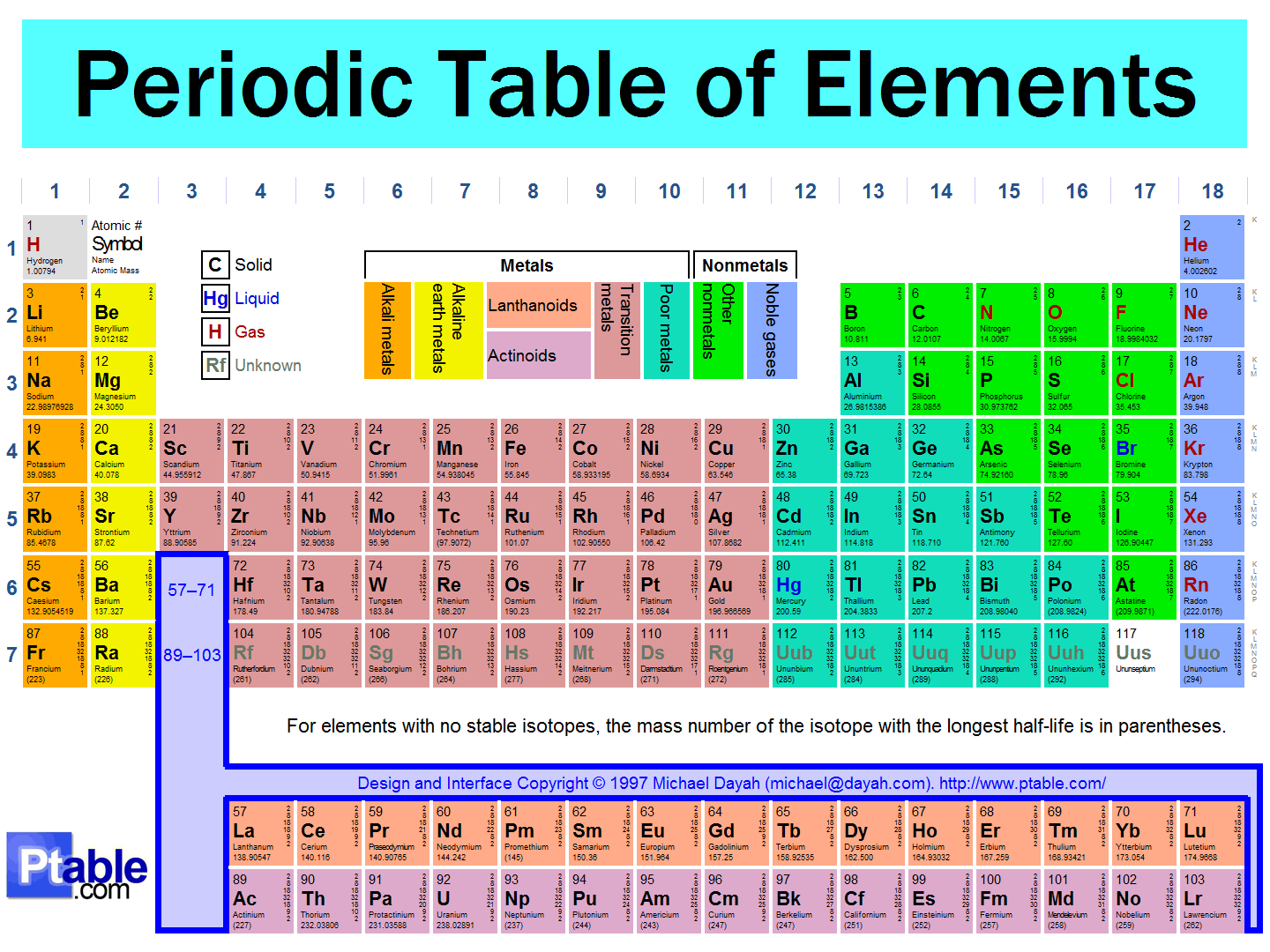
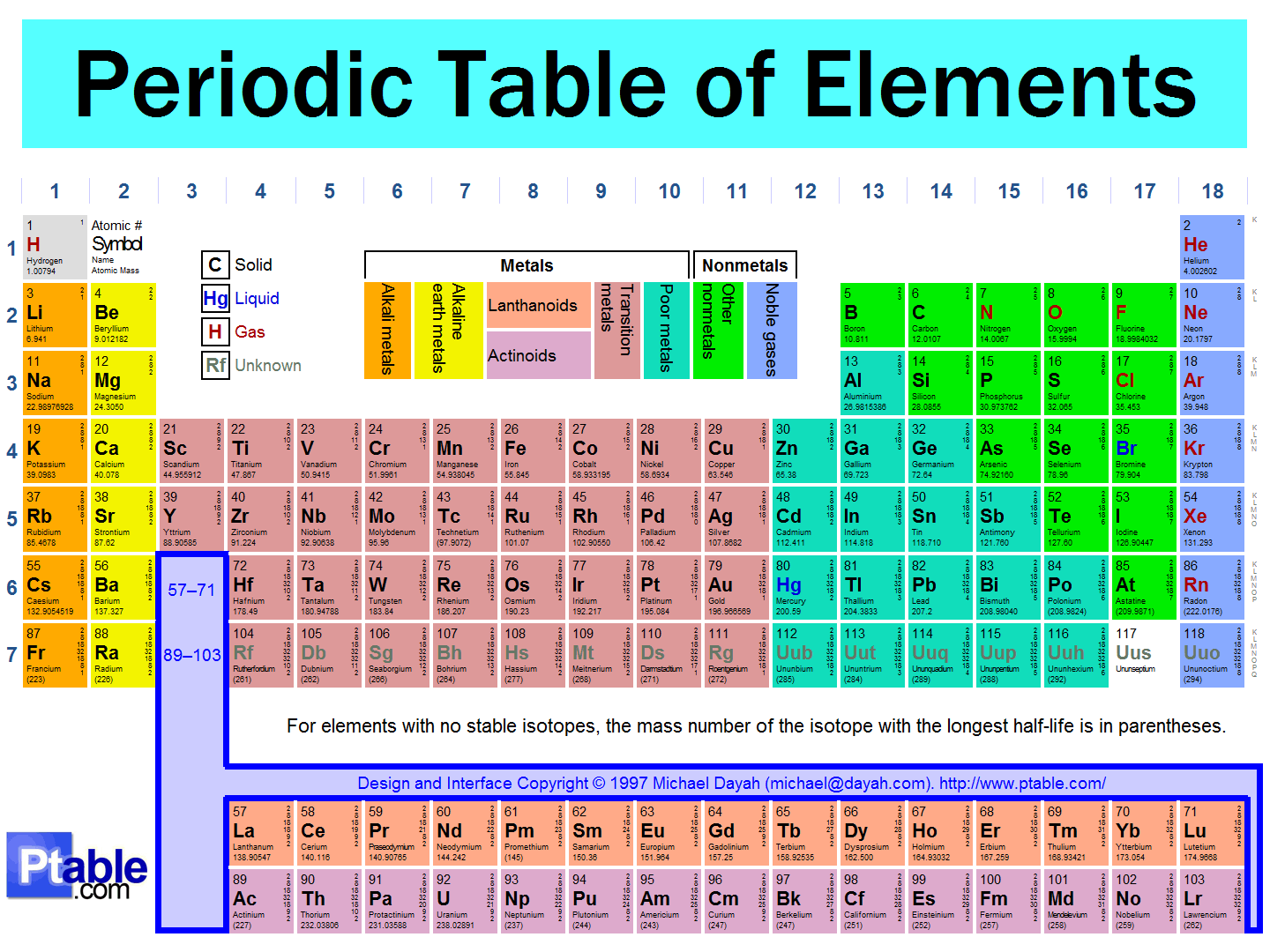
The horizontal row on the periodic table is called a
a)
group
b)
family
c)
period
d)
atomic number
43.
A vertical column is called...
a)
group
b)
tower
c)
period
d)
crew
44.
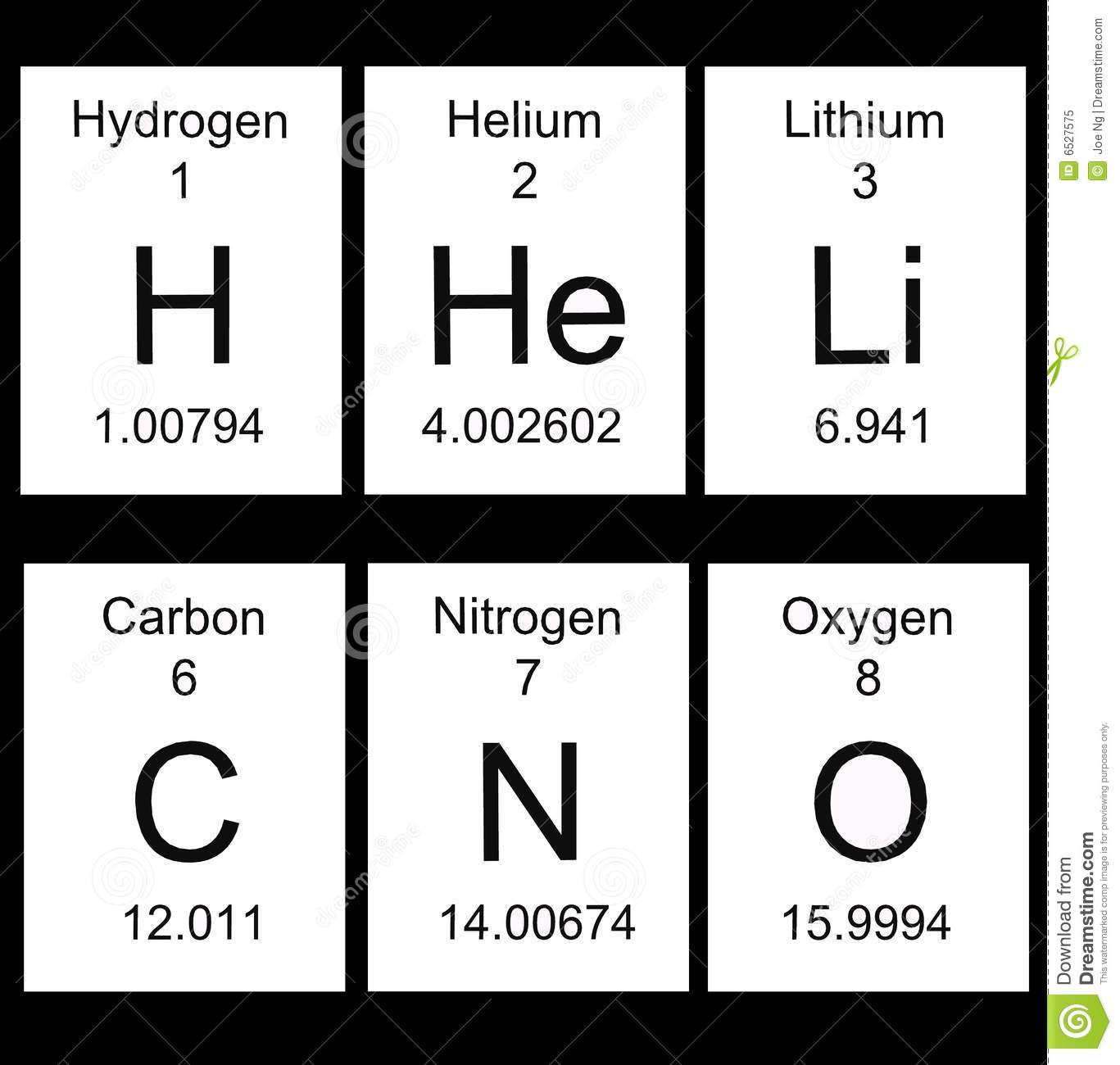
What is the chemical symbol for Lithium?
a)
H
b)
He
c)
Li
d)
N
45.
Pure forms of these elements are stored in oil so they won't react with oxygen and water in the air.
a)
Alkali Metals
b)
Alkaline-earth metals
c)
Halogens
d)
Noble Gases
46.

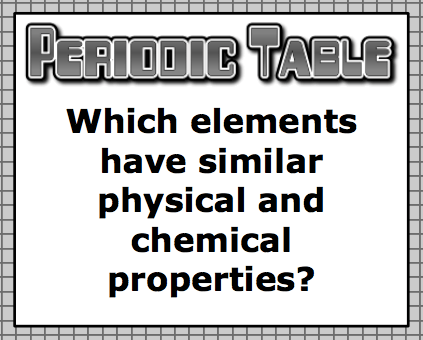
Read the question in the picture

a)

Same group

b)

Same period

47.
a)
Group 1
b)
Group 17
c)
Group 18
d)
Group 2
48.

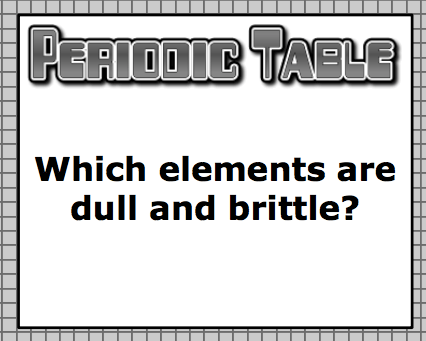
Read the question in the picture

a)

Metals

b)

Nonmetals

c)

Metalloids

49.
a)
Metals
b)
Nonmetals
c)
Metalloids
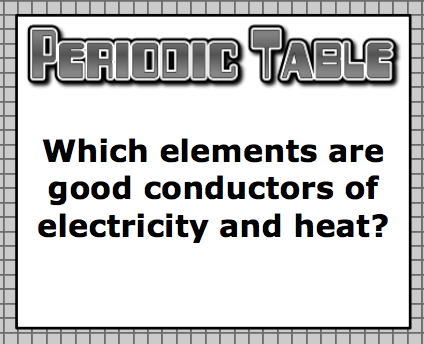
50.
a)
Metals
b)
Nonmetals
c)
Metalloids
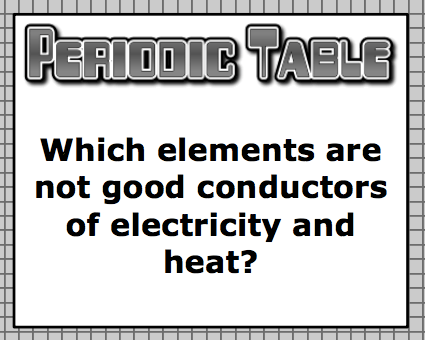
51.
a)
Metals
b)
Nonmetals
c)
Metalloids
52.
a)
Metals
b)
Nonmetals
c)
Metalloids
53.
a)
Metals
b)
Nonmetals
c)
Metalloids
54.
Which of the following pairs of substances may best be separated through distillation
a)
 sand and soil
b)
water and soil
c)
salt and sand
d)
 water and alcohol
55.
Which one of the following techniques would best be used to separate soil and water?
a)
Decanting
b)
distillation
c)
Filtration
d)
Chromatography
56.
Which one of the following solids is insoluble in water?
a)
sugar
b)
sand
c)
copper sulfate
d)
salt
57.
Two or more substances mingled together, but not chemically combined are known as a
a)
residue
b)
solution
c)
distillate
d)
mixture
58.
Water and alcohol are easily separated by distillation because of their
a)
 different melting points
b)
different colours
c)
different densities
d)
different boiling points
59.
A process in which a liquid changes in to vapor or gas by boiling throughout is called
a)
Fractional distillation
b)
filtration
c)
distillation
d)
evaporation
60.
Boiling point is a point at which liquid turns in to..
a)
solid
b)
liquid
c)
molten
d)
gas
61.
To separate rock salt what separation methods are needed?
a)
Evaporation and distillation
b)
Evaporation and filtration
c)
Evaporation and chromatography
d)
Evaporation and distillation
62.
The flow of electricity in a circuit-
a)
current
b)
flow
c)
circuit
63.
____________ allows electricity to flow.
a)
A conductor
b)
An insulator
c)
A magnet
64.
____________ stops the flow of electricity.
a)
A conductor
b)
An insulator
c)
A magnet
65.
Two types of circuits are
a)
parallel and magnetic
b)
electromagnetic and series
c)
series and parallel
66.
What kind of circuit is this?
a)
series
b)
parallel
67.
What kind of circuit is this?
a)
Series
b)
Consecutive
c)
Parallel
d)
Training
68.
measure of electric current
a)
watt
b)
ohm
c)
volt
d)
amp
69.
measure of resistance
a)
watt
b)
ohm
c)
volt
d)
amp
70.
In a parallel circuit if one light bulb goes OUT; then they ALL go out. TRUE OR FALSE?
a)
TRUE
b)
FALSE
71.
What is a Parallel circuit? 
a)
Has only one path 
b)
Has more than one path 
c)
Allows energy to travel through easily 
d)
Has only one light bulb
72.
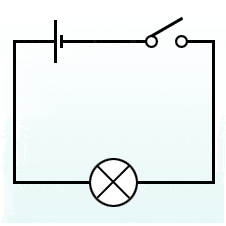
this circuit is .....?
a)
open
b)
parallel
c)
closed
d)
The cutest little circuit evah!
73.
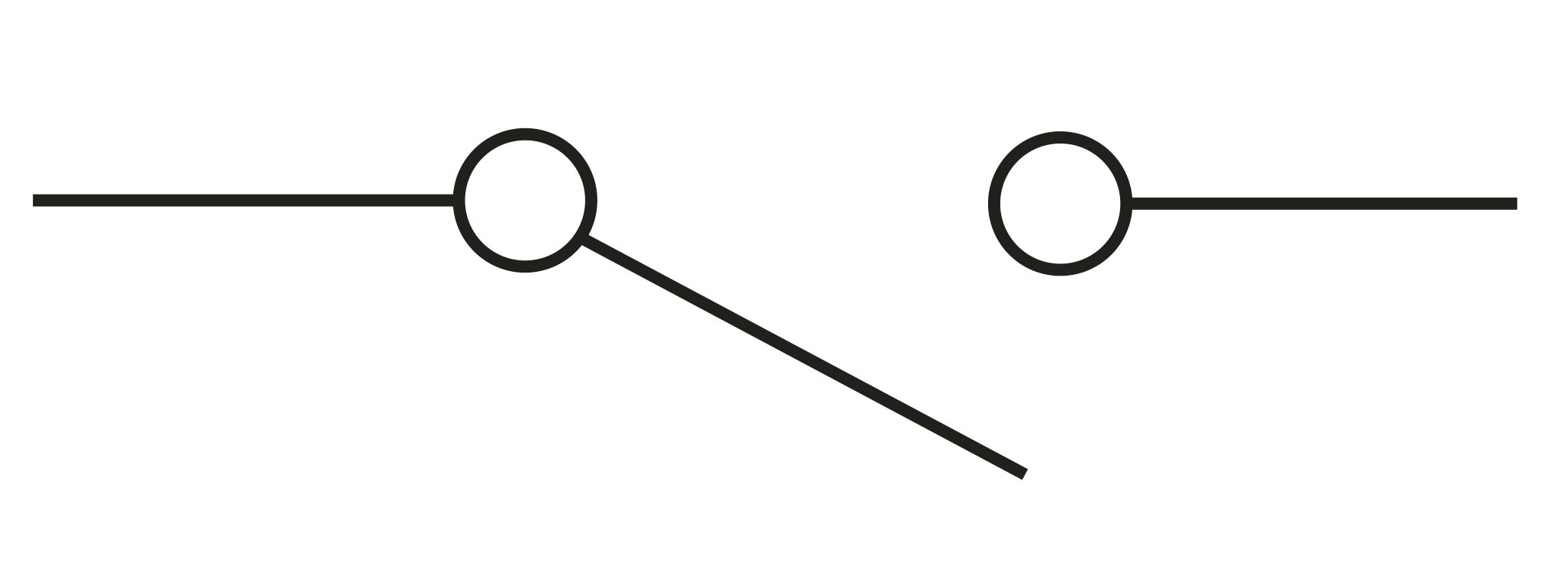
this is the symbol for a _____?
a)
switch
b)
light 
c)
battery
d)
wires
74.
A class prepared some electrical circuits using battery, connecting wires, and three light bulbs.  Which of these circuits can make the three bulbs light?
a)
A
b)
B
c)
C
d)
D
75.
Which of these substances conducts electricity the best?
a)
wood
b)
brick
c)
copper
d)
plastic
76.
What material would be safest to use as an insulator to cover electrical wires?
a)
rubber
b)
tin
c)
aluminum
d)
water
77.
Bits of paper are attracted to the surface of this balloon.  What attracts the paper pieces to the balloon?
a)
Friction
b)
Static Electricity
c)
Magnetism
d)
Potential Energy
78.
A bar magnet is placed on a table, and a sheet of blank paper is placed over the magnet.  What could be sprinkled on the paper to show the magnetic field of the bar magnet?
a)
salt
b)
iron filings
c)
sand
d)
soil
79.
In this picture, the iron filings show the shape of the magnetic --
a)
axis
b)
core
c)
field
d)
pole
80.
To make an electromagnet, a conductor should be coiled around --
a)
a glass tube
b)
an iron nail
c)
a roll of paper
d)
a wooden stick
81.
The magnetic fields of any magnet are greatest --
a)
around the poles
b)
around the middle
c)
around only the south pole
d)
around only the north pole
82.
Which of these correctly shows what happens when two magnets are placed side by side?
a)
A
b)
B
c)
C
d)
D
83.
Will the light bulb in this circuit light and why/why not?
a)
yes, because it has two batteries
b)
no, because the switch is open
c)
yes, because it is in a circuit
d)
no, because the bulb is burned out
84.
If the current through the battery was 10A in this diagram. What would the current through each bulb be?
a)
10A
b)
5A
c)
20A
d)
0A
85.
What is the unit of voltage?
a)
Amps
b)
Watts
c)
Volts
d)
Joules
86.
What type of energy is in this picture?
a)
Kinetic
b)
Potential
c)
Electromagnetic
87.

What kind of energy?

a)

Thermal (kinetic)

b)

Nuclear

c)

Gravitational potential

88.
What kind of energy?
a)
Radiant
b)
Electrical
c)
Thermal
d)
Chemical
89.

What kind of energy?

a)

Thermal energy

b)

Gravitational potential

c)

Chemical (potential) energy

d)

Kinetic

90.
What form of energy is stored in the bonds between molecules of matter?
a)
chemical energy
b)
heat energy
c)
kinetic energy
d)
mechanical energy
91.
Which of the followings are examples of thermal energy?
a)
a violin string plucked, talking, ringing telephone
b)
boiling water, steam, heat from a flashlight
c)
candle flame, light bulb light
d)
energy from the sun (fusion, energy from a nuclear power plant (fission)
92.
At what position does the rock have the greatest kinetic energy?
a)
A
b)
B
c)
D
d)
E
93.

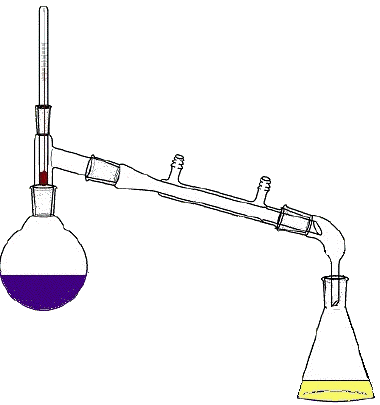
What process is shown in the picture?

a)

Crystallisation

b)

Filtration

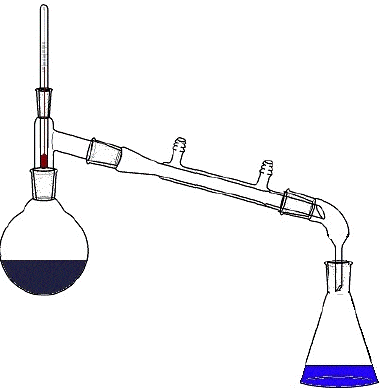
c)

Distillation