
 Worksheets
MRC Chemistry The Periodic Table
Total questions: 57
Worksheet time: 2hrs 49mins
Name
Class
Date
1.
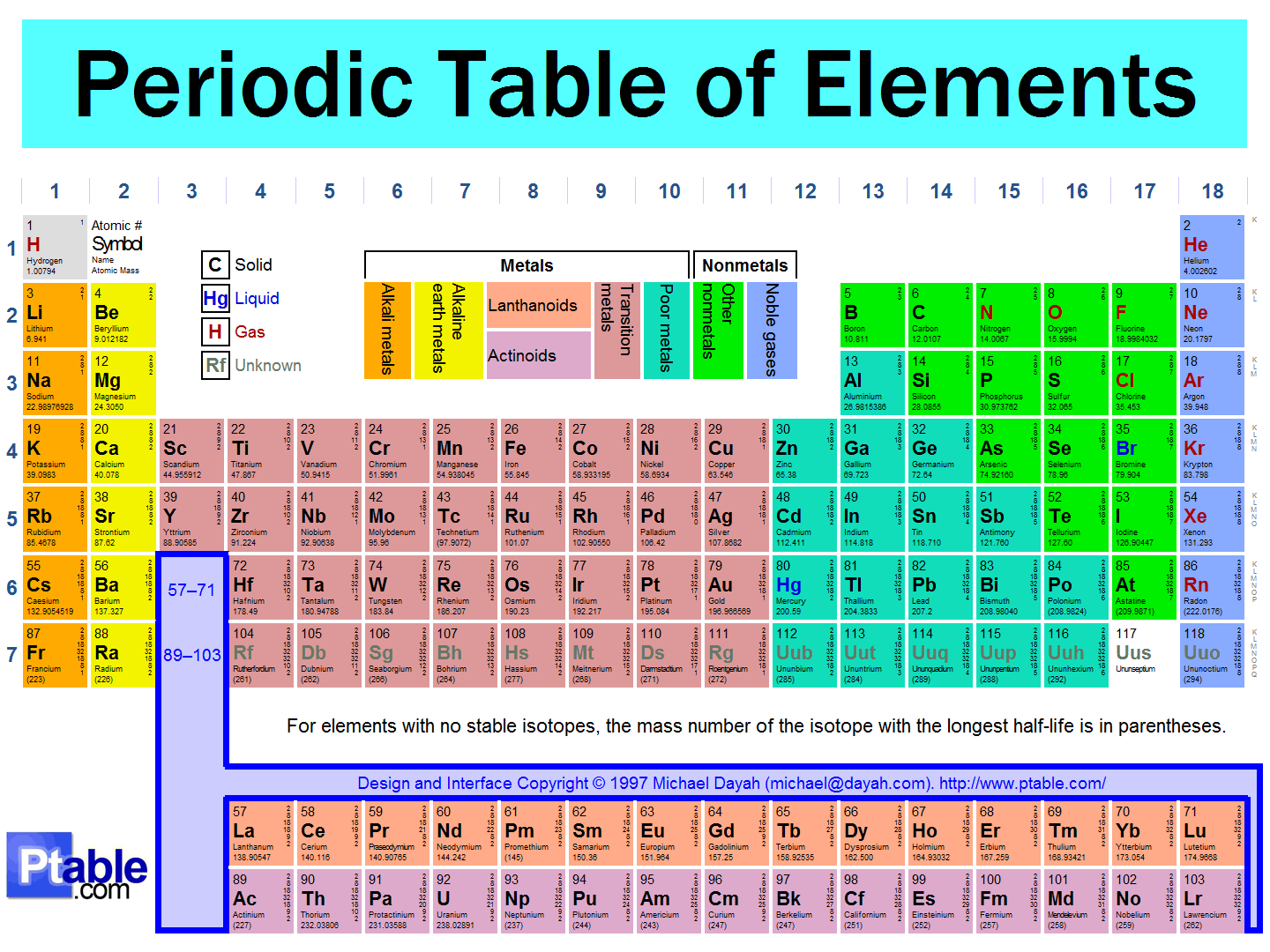
The horizontal row on the periodic table is called a
a)
group
b)
family
c)
period
d)
atomic number
2.
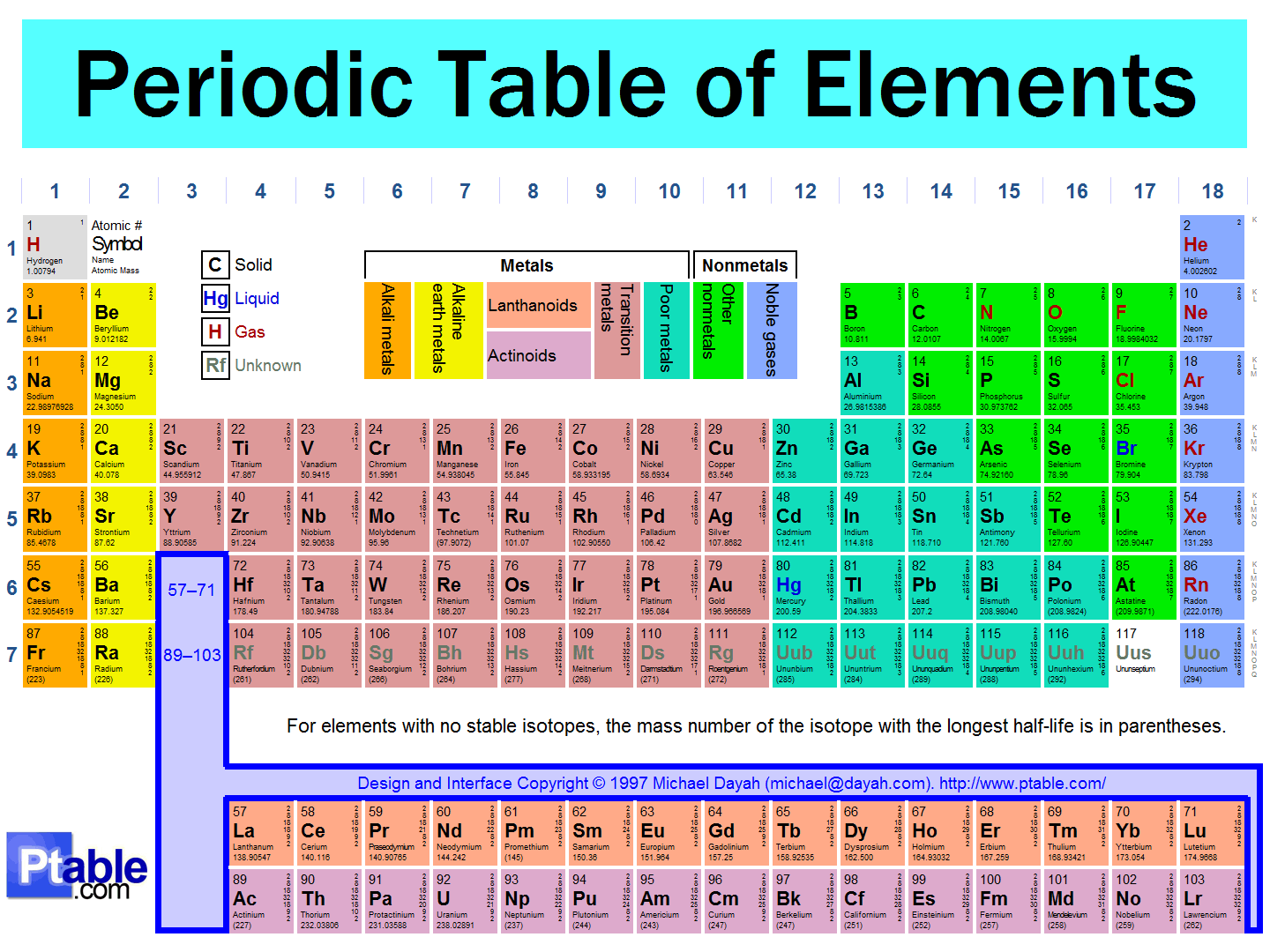
A vertical column is called...
a)
group
b)
tower
c)
period
d)
crew
3.
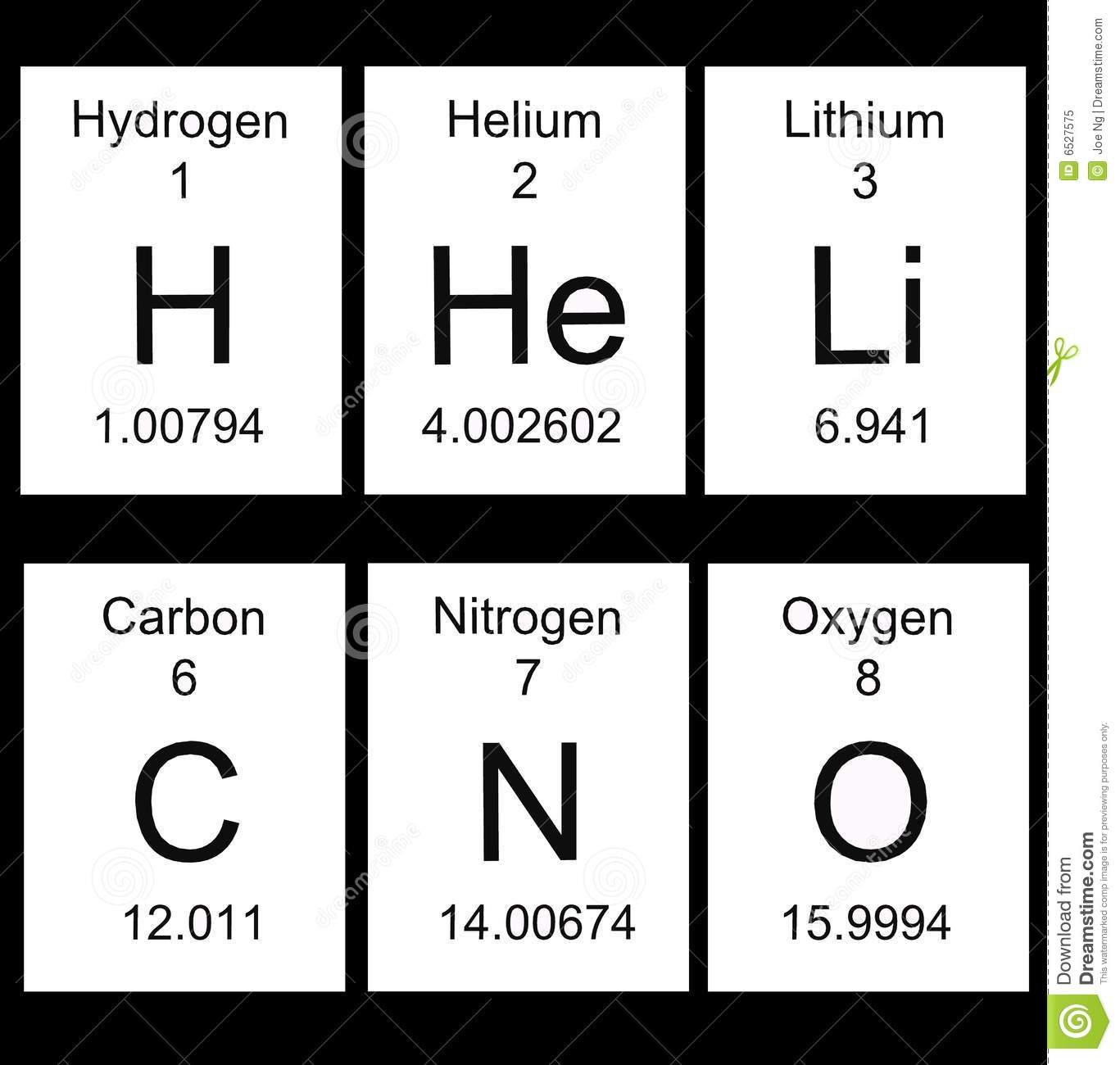
The number at the top of each square on the periodic table is the ...
a)
atomic number
b)
atomic mass
c)
Chemical Symbol
d)
Element Name
4.
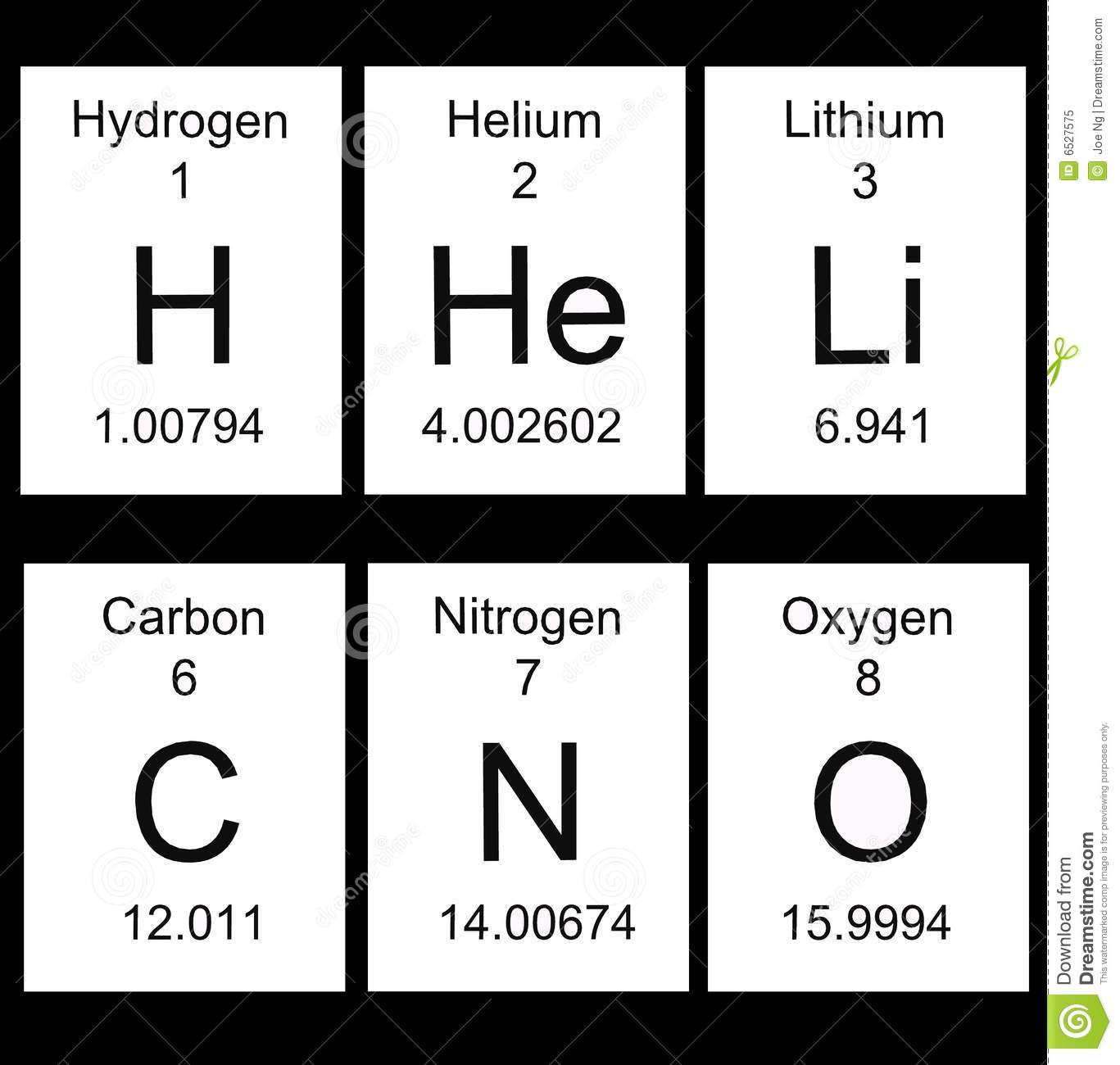
What is the chemical symbol for Lithium?
a)
H
b)
He
c)
Li
d)
N
5.
Each column in the periodic table is called a
a)
period
b)
group
c)
cluster
d)
unit
6.
The atomic number tells you what?
a)
number of electrons
b)
number of protons
c)
number of neutrons
d)
both electrons and protons in an atom.
7.
A horizontal row of elements in the periodic table.
a)
column
b)
group
c)
period
8.
Elements in a ..................have similar chemical properties.
a)
period
b)
group
c)
row
9.
A vertical column in the periodic table. Elements share similar properties.
a)
row
b)
group
c)
period
10.
A proton is....
a)
A negatively charged subatomic particle
b)
A positively charged subatomic particle
c)
A neutrally charged subatomic particle
d)
The only subatomic particle located in the nucleus
11.
A neutron has a charge of
a)
+2
b)
No charge
c)
-1
d)
+1
12.
The positive particles of an atom are
a)
electrons
b)
positrons
c)
neutrons
d)
protons
13.
Particles in an atom that are neutral and have no charge are
a)
negatrons
b)
electrons
c)
neutrons
d)
protons
14.
The electrons of an atom are found...
a)
in the outer "cloud" surrounding the atom.
b)
in the nucleus of the atom.
c)
in the cloud and in the nucleus.
15.
The subatomic particle with a negative charge is the
a)
electron
b)
proton
c)
neutron
d)
nucleus
16.
In the modern periodic table elements are arranged by:
a)
atomic mass
b)
atomic number
c)
valence electrons
d)
number of isotopes
17.

GOLD
a)
Al
b)
Ag
c)
Ar
d)
Au
18.

CHLORINE
a)
C
b)
Ca
c)
Cl
d)
Cu
19.

CALCIUM
a)
C
b)
Ca
c)
Cu
d)
Cl
20.

CARBON
a)
C
b)
Ca
c)
Cl
d)
Cu
21.

COPPER
a)
C
b)
Ca
c)
Cu
d)
Cl
22.

SILVER
a)
Au
b)
Ag
c)
Al
d)
Ar
23.

SULFUR
a)
Su
b)
S
c)
Sf
d)
Si
24.

SILICON
a)
S
b)
Si
c)
Su
d)
Sc
25.

SODIUM
a)
S
b)
So
c)
N
d)
Na
26.

HELIUM
a)
H
b)
He
c)
Hl
d)
Hm
27.

HYDROGEN
a)
H
b)
He
c)
Hy
d)
Hd
28.

IRON
a)
I
b)
Ir
c)
F
d)
Fe
29.
ZINC
a)
Zn
b)
Z
c)
Zi
d)
Zc
30.

NICKEL
a)
N
b)
Ni
c)
Nc
d)
Nl
31.

FLUORINE
a)
F
b)
Fl
c)
Fu
d)
Fe
32.

BORON
a)
B
b)
Be
c)
Bo
d)
Br
33.

ALUMINUM
a)
Al
b)
Au
c)
Ag
d)
Am
34.

NEON
a)
N
b)
Ne
c)
No
d)
Nn
35.

NITROGEN
a)
N
b)
Ne
c)
Ni
d)
Nt
36.

OXYGEN
a)
O
b)
Ox
c)
Oy
d)
Og
37.

POTASSIUM
a)
P
b)
Ka
c)
K
d)
Pt
38.

BERYLLIUM
a)
B
b)
Bo
c)
Be
d)
Br
39.
MAGNESIUM
a)
M
b)
Mg
c)
Ma
d)
Mn
40.
PHOSPHOROUS
a)
P
b)
Ph
c)
K
d)
Ps
41.
Is burning wood a chemical or physical change?
a)
chemical
b)
physical
42.
Is glass breaking a chemical or phyiscal change?
a)
chemical
b)
physical
43.
Is hammering wood together to build a house a chemical or physical change?
a)
chemical
b)
physical
44.
Is a a rusting bicycle a chemical or physical change?
a)
chemcial
b)
physical
45.
Is melting butter for popcorn a chemical or physical change?
a)
chemical
b)
physical
46.
Is melting ice a chemical or physical change?
a)
chemical
b)
physical
47.
Is spoiling food a physical or chemical change?
a)
phyiscal
b)
chemical
48.
Is corroding metal a chemical or physical change?
a)
physical
b)
chemical
49.
Is bleaching your hair a physical or chemical change?
a)
physical
b)
chemical
50.
Are fireworks exploding a physical or chemical change?
a)
phyiscal
b)
chemical
51.
Is burning leaves a physical or chemical change?
a)
chemical
b)
physical
52.
Ice melting
a)
Chemical Change
b)
Physical Change
53.
Water freezing
a)
Chemical Change
b)
Physical Change
54.
Blue liquid and yellow liquid mixed to make a green liquid
a)
Chemical Change
b)
Physical Change
55.
hydrochloric acid reacts with magnesium to produce hydrogen gass
a)
physical change
b)
chemical change
56.
a piece of copper is cut in half
a)
physical change
b)
chemical change
57.
rubbing alcohol evaporates
a)
physical change
b)
chemical change
100 %

