wayground logo

Free Printable Worksheets

NEW

Font size

S
M
L
XL
Worksheets

Look to the Stars

Total questions: 45

Worksheet time: 1hrs 29mins

Name
Class
Date
1.

All stars are the same

a)

true

b)

false

2.

Nuclear fusion converts matter into energy

a)

true

b)

false

3.

A galaxy is a large group of stars held together by gravity

a)

true

b)

false

4.

Astronomers use meter sticks to measure distance in space

a)

true

b)

false

5.

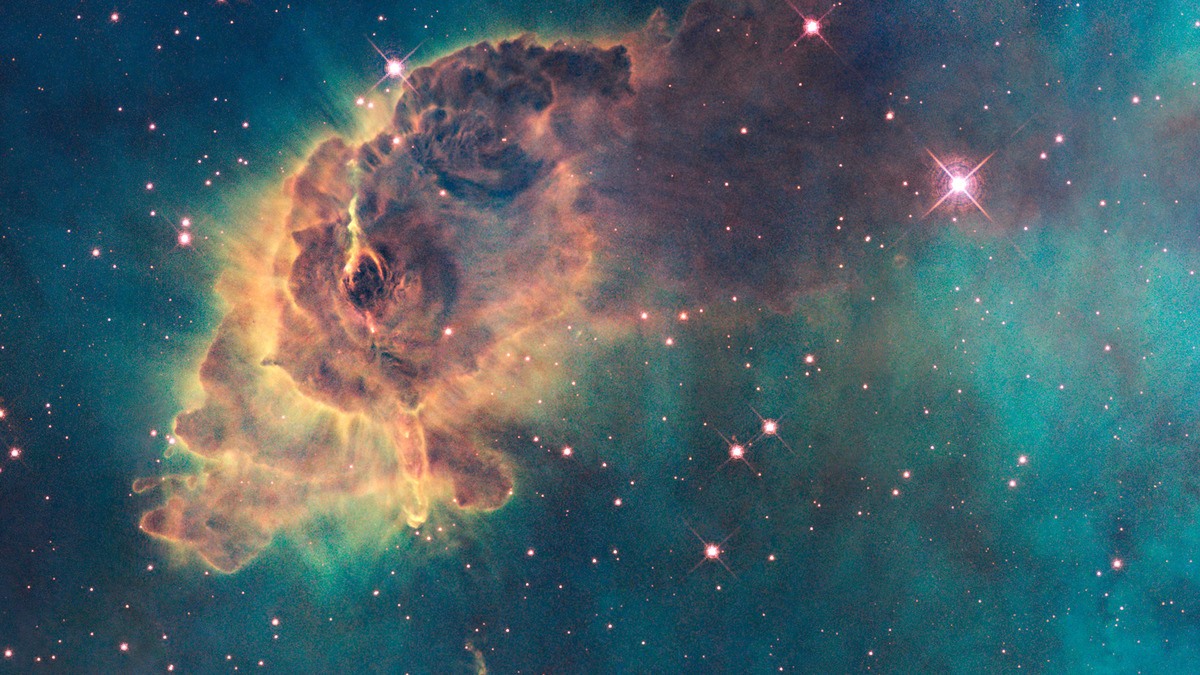
Nebulas are denser clouds formed within the interstellar medium

a)

true

b)

false

6.

What does the Big Bang theory explain?

a)

A. how time began

b)

B. how the universe began

c)

both A and B

d)

neither A nor B

7.

Stars die.

a)

true

b)

false

8.

Which of the following describes a galaxy

a)

a spiral shape of stars

b)

a large group of stars held together by gravity

c)

the Milky Way

d)

the rotation of many planets and stars

9.

What is the process of nuclear fusion

a)

the process of carrying light

b)

the process of two atoms fusing

c)

the process of gravity and inertia keeping the universe together

d)

the process of fusing two stars

10.

The matter between stars is called

a)

asteroid belt

b)

space

c)

interstellar medium

d)

Kuiper Belt

11.

What does a light-year measure

a)

volume

b)

weight

c)

circumference

d)

distance

12.

In what year did NASA launch the Spitzer Telescope?

a)

2004

b)

2000

c)

1994

d)

2014

13.

When two hydrogen atoms fuse, they become _____________.

a)

lithium

b)

helium

c)

carbon

d)

uranium

14.

Stars form from ______________.

a)

nebula

b)

oxygen

c)

interstellar medium

d)

black holes

15.

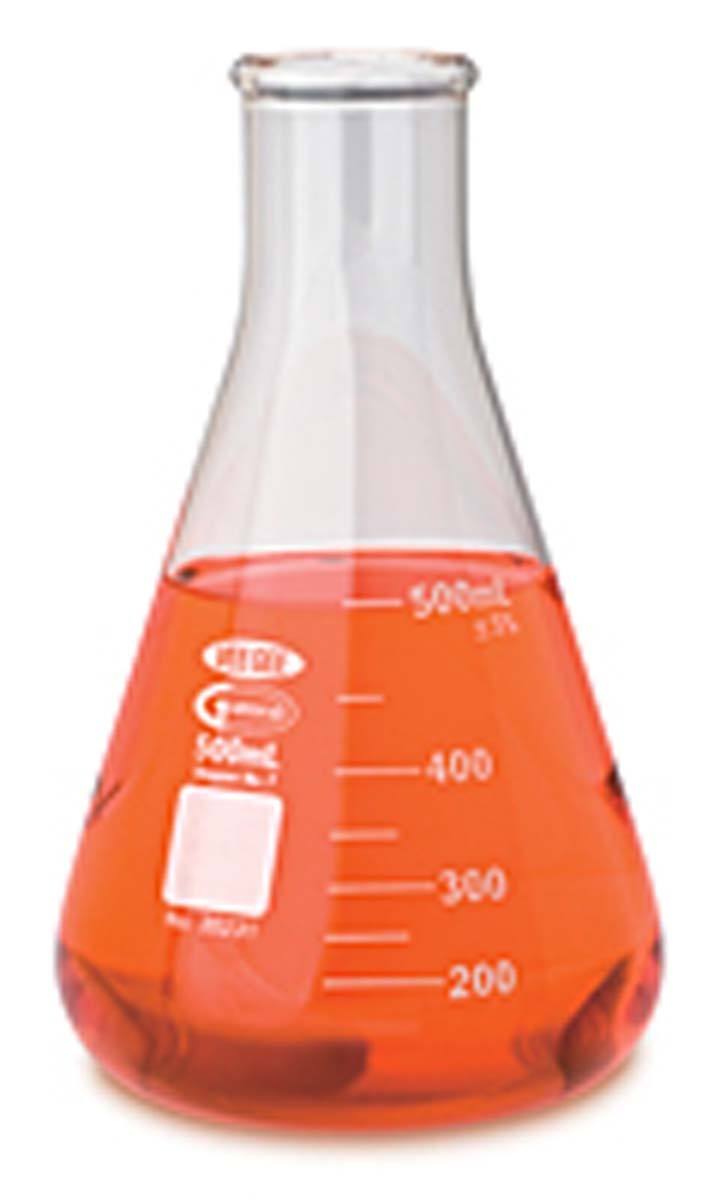
What is used to swirl, mix, or store chemicals?

a)

Beaker

b)

Flask

c)

Test Tube

d)

Graduated Cylinder

16.

What is used to pick up items?

a)

Clamps

b)

Tongs

c)

Hand lens

d)

Pipette

17.
Identify the equipment shown here:
a)
grinder
b)
evaporating dish
c)
mortar and pestle
d)
crucible
18.
That this animal has fur is an...
a)
inference
b)
conclusion
c)
observation
d)
opinion
19.
That this animal has fur is an...
a)
inference
b)
conclusion
c)
observation
d)
opinion
20.
Which of the following hypotheses is written correctly?
a)
Frozen tennis balls will not bounce as high.
b)
If I heat up a tennis ball it will bounce high.
c)
If I freeze a tennis ball, then it will not bounce as high.
d)
If a tennis ball is frozen, then it won't bounce as high as one that is not frozen.
21.
What step does every scientific experiment begin with?
a)
hypothesis
b)
question/problem
c)
procedures
d)
conclusion
22.
A possible explanation to a problem that has not yet been tested. 
a)
data
b)
theory
c)
hypothesis
d)
fact
23.
The summary at the end of an experiment that explains the results. 
a)
conclusion
b)
procedures
c)
materials
d)
responding variable
24.

Testing a hypothesis often involves a(n):

a)

answer

b)

beaker

c)

problem

d)

safety check

25.
A possible explanation to a problem that has not yet been tested. 
a)
data
b)
theory
c)
hypothesis
d)
fact
26.
Which is NOT a step in the scientific method?
a)
Make observation
b)
Form a theory
c)
Collect data
d)
Form a hypothesis
27.
Observations made during an experiment are called:
a)
data
b)
problems
c)
conclusions
d)
questions
28.

A _________________ is a testable prediction about what will happen in an experiment, written as an "if, then" statement.

a)

Hypothesis

b)

Conclusion

c)

Research

d)

Variable

29.

When scientists follow the steps of an experiment procedure, they're doing it in order to:

a)

Test the hypothesis

b)

Determine the problem they need to solve

c)

Establish a control group

d)

Waste time

30.

When a scientist states the purpose of an experiment, they are _____________________________.

a)

Defining the problem

b)

Collecting and analyzing data

c)

Drawing conclusions

d)

Forming a hypothesis

31.

In a science experiment, what is it called when a scientist records and examines information?

a)

Collecting and analyzing data

b)

Researching background information

c)

Drawing conclusions

d)

Establishing a hypothesis

32.
What is the name of the largest stars?
a)
Protostars
b)
Supergiants
c)
Red Giants
d)
Dwarf Stars
33.
What is the name of the gas/dust clouds that form stars?
a)
Nebulas
b)
Protostars 
c)
Supernova
d)
Neutron Star
34.
What is the name of the explosion at the death of a massive star?
a)
Supergiant
b)
Supernova
c)
Black Hole
d)
Nebula
35.
What is the name of the star in our solar system?
a)
Venus
b)
Sun
c)
Jupiter
d)
Mars
36.
All stars begin their life in a
a)
Main Sequence
b)
Nebula
c)
Protostar
d)
Black Dwarf
37.
______ is a force that causes dust particles to stick together in a nebula.
a)
nuclear fusion
b)
gravity
c)
hydrogen
d)
friction
38.
A supergiant might explode and become a_____.
a)
main sequence stars
b)
white dwarf
c)
supernova
d)
nebula
39.

The professional who studies the stars is...

a)

an astronaut.

b)

an astrologer.

c)

an astronomer.

40.
Why do stars in the night sky look so small?
a)
stars are small
b)
stars are close
c)
stars are far away
41.
Our galaxy is called the
a)
Earth Nebula
b)
The Hubble Galaxy
c)
The Milky Way
d)
The Snickers
42.
A black hole is an object so dense with so much gravity that even ________ cannot escape.
a)
gravity
b)
galaxies
c)
spaceships
d)
light
43.

How many stars are in space?

a)

10,000

b)

millions

c)

trillions

44.

Protostars form in a large cloud of gas and dust called a

a)

supernova

b)

nebula

c)

galaxy

d)

quasar

45.

A mid-sized star eventually becomes a

a)

nebula

b)

supernova

c)

white dwarf

d)

red giant