wayground logo

Free Printable Worksheets

Font size

S
M
L
XL
Worksheets

AP Biology Chapter 2-3

Total questions: 50

Worksheet time: 53mins

Name
Class
Date
1.

Which of the following bond types/interactions is the weakest?

a)

Van der Waals

b)

ionic bonds

c)

covalent bonds

d)

hydrogen bonds

2.

What do we call an atom that has lost or gained electrons?

a)

ion

b)

metal

c)

nonmetal

d)

isotope

3.

Which of the following statements are correct?

A. Protons have a positive charge.

B. Electrons have a negative charge.

C. Neutrons have a positive charge.

a)

A

b)

B

c)

A + B

d)

C

e)

A + C

4.

Atoms of a given element ALWAYS contain the same number of ______________.

a)

protons and electrons

b)

protons and neutrons

c)

neutrons and electrons

d)

all of these

e)

none of these

5.

A solution with a pH of 2 is _____ times more ______ than a solution with a pH of 4.

a)

2 , acidic

b)

20 , acidic

c)

100 , acidic

d)

20 , basic

e)

2 , basic

6.

An acid has a pH ______________ 7.

a)

less than

b)

more than

c)

equal to

7.

What type of bond shares electrons?

a)

covalent

b)

ionic

c)

hydrogen

d)

van der waals

8.

What type of bond transfers electrons?

a)

ionic

b)

covalent

c)

hydrogen

d)

van der waals

9.

Water is an example of a _____________ substance.

a)

polar

b)

ionic

c)

living

d)

nonpolar

10.

Which of the following is the lowest level of biological organization that can perform all the activities required for life?

a)

atom

b)

tissue

c)

cell

d)

organism

11.

What are isotopes?

a)

atoms of the same element with different number of neutrons/mass

b)

atoms of the same element with different number of electrons

c)

atoms with a charge

d)

atoms of the same element with different number of protons

12.

What is the approximate mass of an atom with 16 neutrons, 15 protons, and 15 electrons?

a)

30 daltons

b)

31 daltons

c)

1 dalton

d)

46 daltons

13.

Which of the following are CHEMICAL BONDS? (formed by a chemical reaction) - Choose all that apply.

a)

ionic bonds

b)

hydrogen bonds

c)

polar covalent bonds

d)

nonpolar covalent bonds

14.

Which of the following determines the type of molecular bond that will form between two atoms?

a)

electronegativity

b)

charge

c)

# of neutrons

d)

size of electron cloud

15.

Which of the following is the molecular bond of water?

a)

ionic

b)

polar covalent

c)

nonpolar

d)

hydrogen bond

16.

Which types of molecules like to interact with water?

a)

hydrophilic

b)

hydrophobic

c)

nonpolar

17.
How do isotopes of the same element differ from each other?
a)
number of protons
b)
number of electrons
c)
valence electron distribution
d)
number of neutrons
18.
When atoms combine, they may gain, lose, or share:
a)
protons
b)
electrons
c)
neutrons
d)
nuclei
19.
The property of water that allows water molecules to stick to each other is
a)
adhesion
b)
cohesion
c)
density
d)
specific heat
20.
A solution with a pH of 8.6 would be...
a)
Acid
b)
Base
c)
Neutral
d)
Acid and Base
21.
The lower the pH, the greater the concentration of :
a)
OH-
b)
H+
22.
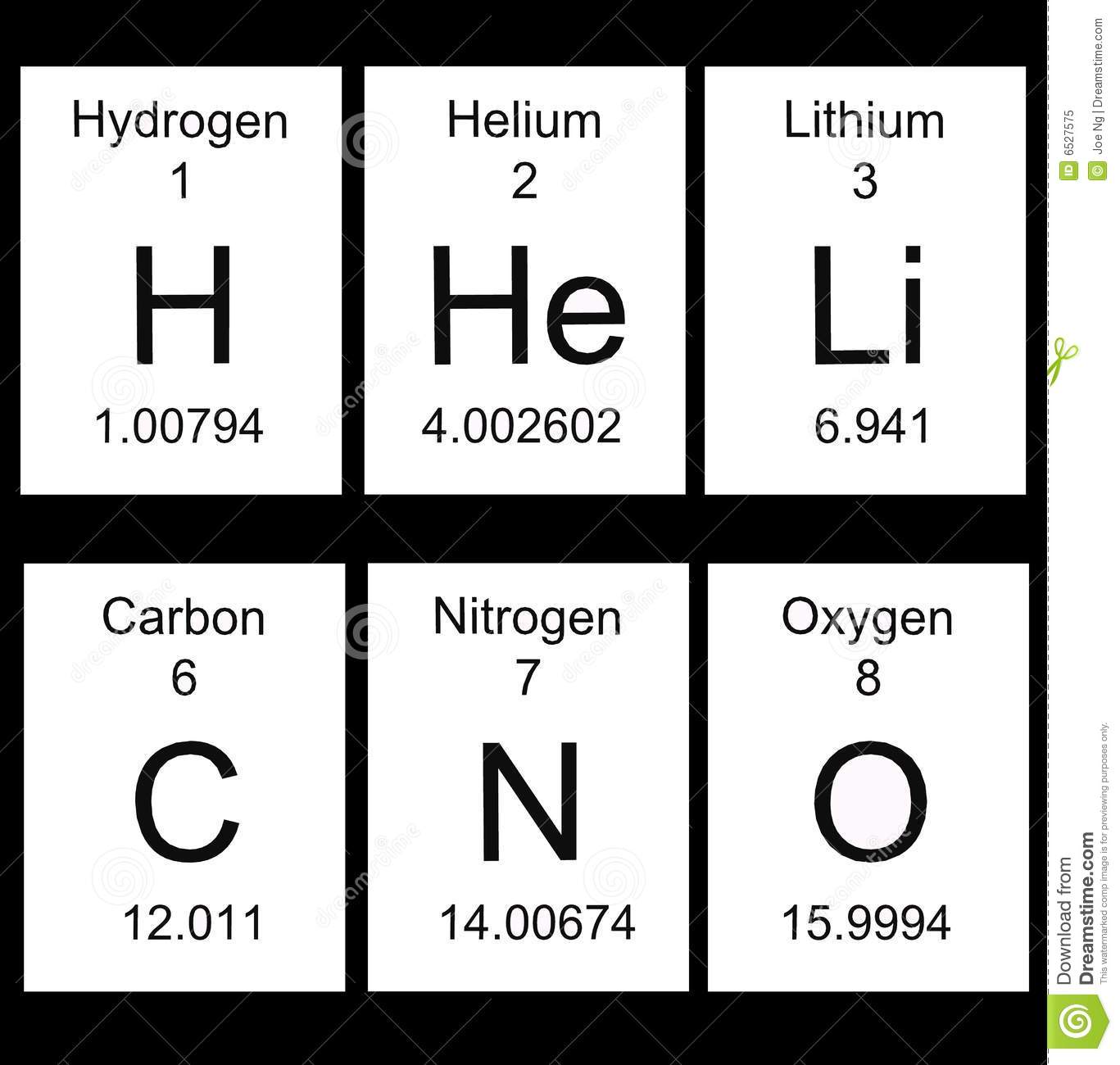
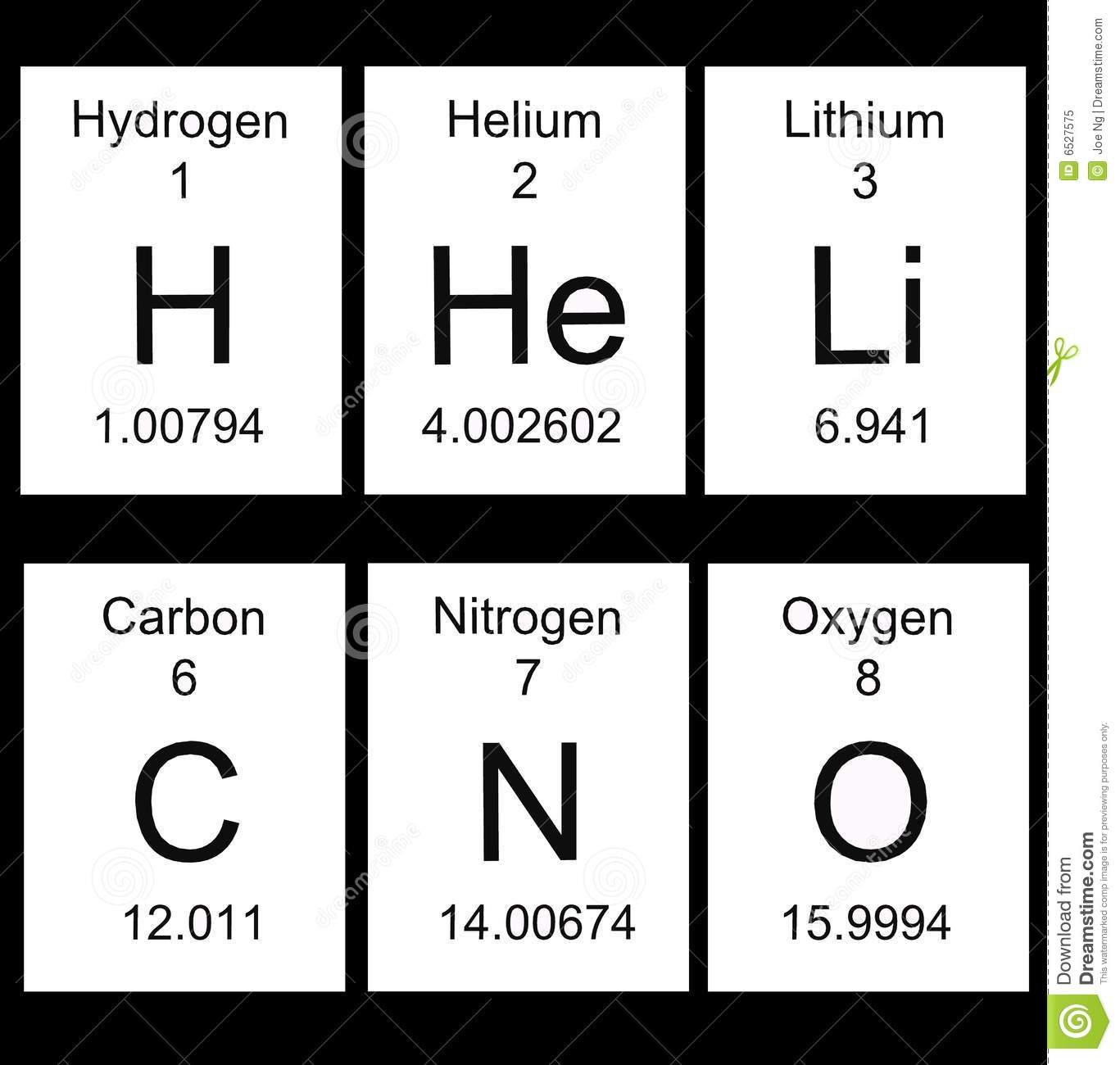
The number at the bottom of each square on the periodic table is the ...
a)
atomic number
b)
atomic mass
c)
chemical symbol
d)
element name
23.
The number at the top of each square on the periodic table is the ...
a)
atomic number
b)
atomic mass
c)
Chemical Symbol
d)
Element Name
24.

The atomic number tells you what?

a)

number of electrons

b)

number of protons

c)

number of neutrons

d)

both electrons and protons in an atom.

25.
A neutron has a charge of
a)
+2
b)
No charge
c)
-1
d)
+1
26.

The atom pictured is of which element?

a)

carbon

b)

hydrogen

c)

oxygen

d)

sulfur

27.

What is the mass of this atom?

a)

2

b)

5

c)

7

d)

14

28.
What property of water allows it to be such a versatile solvent that it is often called the "universal solvent?"
a)
Purity
b)
Polarity and cohesion
c)
High heat capacity
d)
Expansion upon freezing
29.
Which of the following properties of water enables molecules to cling together as they move from the roots to the leaves of plants?
a)
Water expands as it freezes.
b)
Water is an excellent solvent.
c)
Water exhibits cohesive behavior.
d)
Water moderates temperature.
30.
Capillary action is the result of adhesion. Which aspect of water is responsible for this?
a)
Nonpolar covalent bonds enable water to dissolve other substances.
b)
Polar covalent bonds join molecules of water to other substances.
c)
Hydrogen bonds form between water and another substance.
d)
Ionic bonds enable electrons to flow through water and into another substance.
31.
Large bodies of water do not quickly fluctuate, or change, in temperature. Why?
a)
Water is a solvent.
b)
Water has a high heat capacity.
c)
Water acts as a buffer.
d)
Water is non-polar.
32.
Some insects can stand on the surface of calm water. Their feet push the surface of the water down slightly, but they do not break the surface. Why?
a)
The insects are light enough so they do not break the hydrogen bonds holding the water molecules together
b)
The insects actually use their wings to hover slightly above the water’s surface and they only skim it with their feet.
c)
The insect’s feet are non-polar, so they are repelled by the polar water molecules and are pushed away from the water’s surface.
d)
The insects are small enough to see the individual water molecules, so they are able to step carefully from one molecule to the next
33.
What term describes when water is attracted to other substances?
a)
Cohesion
b)
Adhesion
c)
Capillary Action
d)
Surface Tension
34.
Why does water move from the roots to the leaves of plants?
a)
Water is pushed by solutes.
b)
Capillary action pulls the water molecules like a chain.
c)
Water is pulled by gravity.
d)
Water’s cohesion causes it to “pull” towards the leaves.
35.
Attractions between water molecules due to polarity are called:
a)
Covalent bonds
b)
Ionic bonds
c)
Polar bonds
d)
Hydrogen bonds
36.
The attraction that causes water and other liquids to form drops on thin films is called ________________. This is also water’s ability to be attraction to other water molecules.
a)
adhesion
b)
capillary action
c)
cohesion
d)
surface tension
37.
What two elements make up water?
a)
Helium and oxygen
b)
Hydrogen and oxygen
c)
helium and carbon
d)
oxygen and carbon
38.
What property of water helps to moderate earth's temperature?
a)
adhesion
b)
chohesion
c)
Specific heat capacity
d)
Latent heat of vaporization
39.

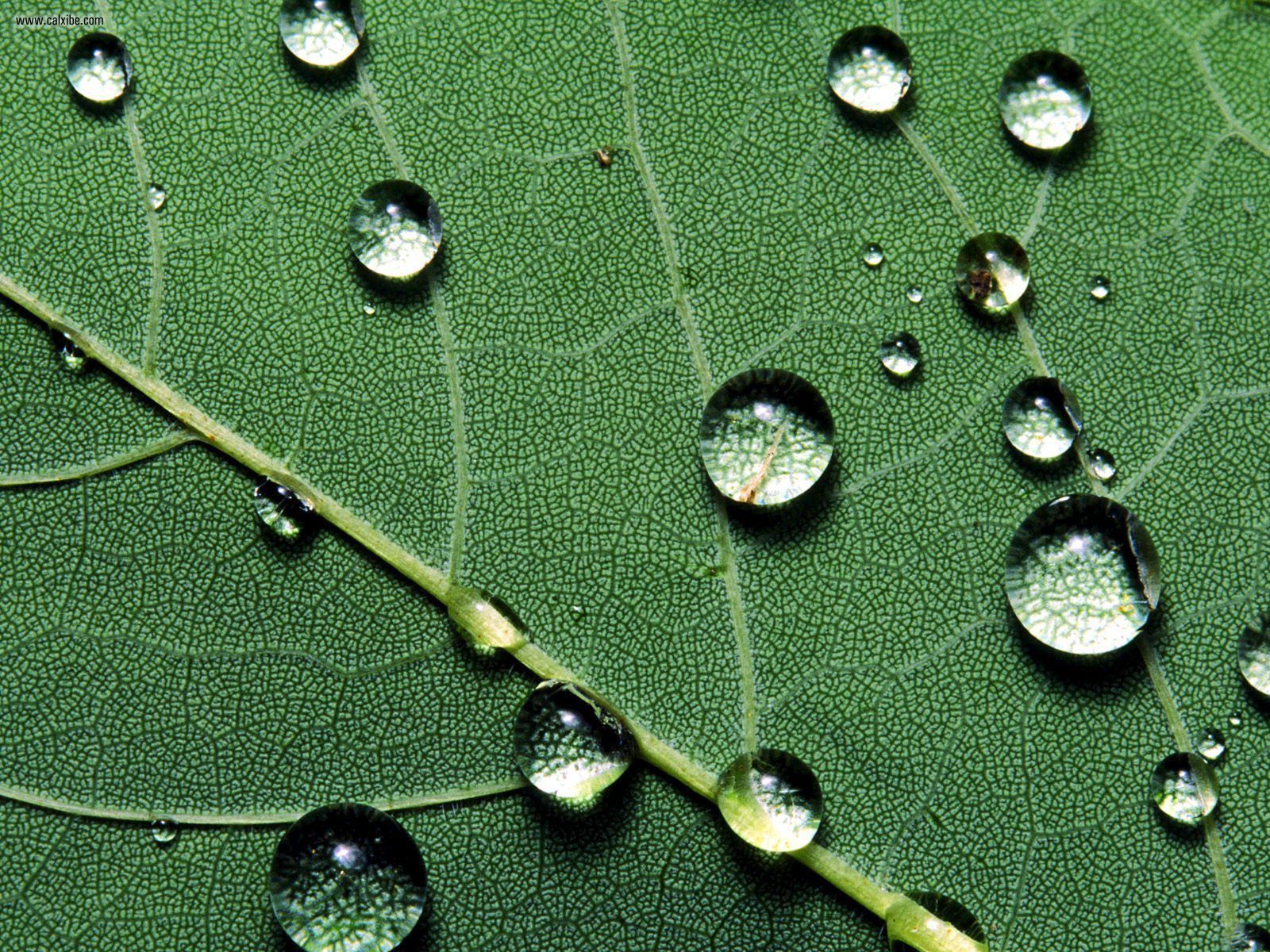
Refer to the picture; the water sticks to the leaf because of:

a)

Adhesion

b)

Cohesion

40.

How does a hydrogen bond form?

a)

Between the positive hydrogen of one water molecule and the negative oxygen of another

b)

Between the positive hydrogen of one water molecule and the negative hydrogen of another

c)

Between the positive oxygen of one water molecule and the negative oxygen of another

d)

Between the positive hydrogen of one water molecule and the positive hydrogen of another

41.
A measure of how difficult it is to stretch or break the surface of a liquid is called...
a)
polar molecule
b)
surface tension
c)
capillary action
d)
specific heat
42.
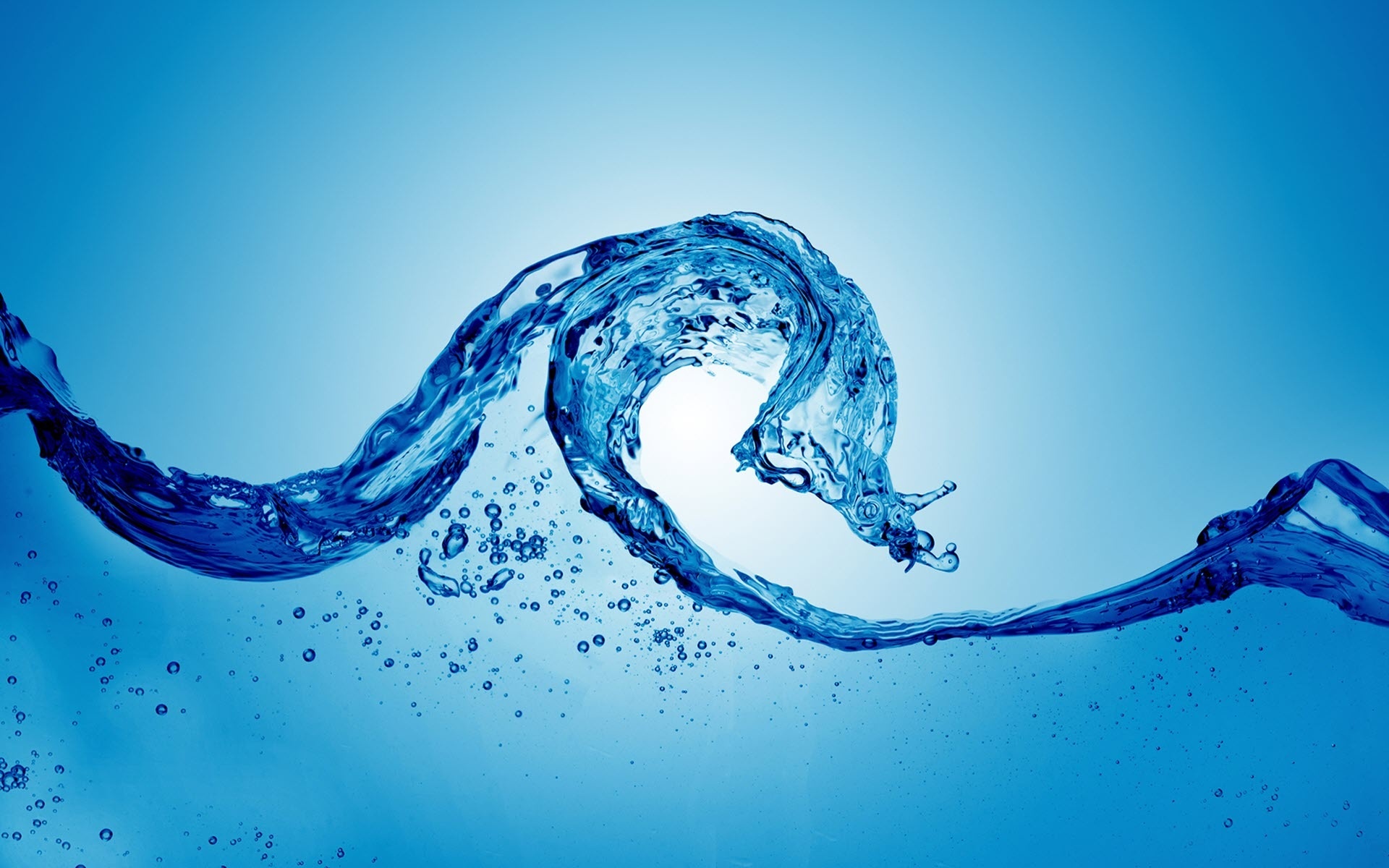
What property of water is shown in the picture?
a)
capillary action
b)
surface tension
c)
evaporation
d)
universal solvent
43.
A water molecule is a ________ molecule, which has one oxygen that has a __________ charge and two hydrogens that have a ___________ charge.
a)
nonpolar, positive, negative
b)
polar, positive, negative
c)
polar, negative, positive
d)
nonpolar, negative, positive
44.

Pure water has a pH of

a)

6

b)

15

c)

3

d)

7

45.
What force between adjacent water molecules helps transpiration?
a)
Cohesion
b)
Adhesion
46.
What property of water helps to moderate earth's temperature?
a)
adhesion
b)
chohesion
c)
Specific heat capacity
d)
Latent heat of vaporization
47.
 Many fish and aquatic plants can survive a cold winter because the layer of ice that forms at the top of the lake insulates the water below and prevents the lake from freezing solid. What unique property of water contributes to this effect? 
a)
Water absorbs heat when it evaporates and forms a gas 
b)
 Water expands and becomes less dense when it freezes.
c)
Water molecules completely separate into ions in solutions.
d)
 Water forms hydrogen bonds with ions and other polar substances. 
48.
In Florida, daytime and nighttime temperatures usually only differ by 5 to 10°C, while temperatures in the desert often differ by as much as 40°C. What role does water play in keeping temperatures in Florida from fluctuating dramatically?
a)
Bodies of water store heat during the day and release it at night which keeps temperatures steady
b)
Humid air releases heat as it rises, keeping temperatures constant
c)
Evening rain brings heat from the upper atmosphere back to Earth
d)
Water cools the land around it so that it never gets as hot as a desert.
49.
The pH scale is a range from:
a)
1-7
b)
0-14
c)
1-5
d)
1-20
50.
What is the only substance with a neutral pH of 7?
a)
Milk
b)
Orange Juice
c)
Water
d)
Blood