wayground logo

Free Printable Worksheets

Font size

S
M
L
XL
Worksheets

DB024 Chapter 1 Practical Activity

Total questions: 50

Worksheet time: 1hrs 10mins

Name
Class
Date
1.

which of the following is not a domain

a)

PROTISTA

b)

EUKARYA

c)

BACTERIA

d)

ARCHAEA

2.

Which of the following is not a bacterial shape?

a)

bacilli

b)

spirilla

c)

double helix

d)

cocci

3.

Process by which bacteria reproduce asexually

a)

binary fission

b)

transduction

c)

transformation

d)

conjugation

4.
The name streptococcus tells you the bacteria are arranged as ___.
a)
pairs of round cells
b)
long chains of round cells
c)
groups of spirals
d)
chains of rods
5.

?

a)

coccus

b)

bacillus

c)

spirilla

d)

double helix

6.

?

a)

coccus

b)

bacillus

c)

spirilla

d)

double helix

7.
What shape of bacteria is present in the image?
a)
Bacillus
b)
Coccus
c)
Spirochete
d)
Vibrio
8.
What shape of bacteria is present in the image?
a)
Bacillus
b)
Coccus
c)
Spirillum
d)
Vibrio
9.
What type of grouping is shown in the image?
a)
Diplo
b)
Staph
c)
Strep
d)
Vibrio
10.
What type of grouping occurs in the image, where the arrows are pointing?
a)
Bacillus
b)
Diplo
c)
Staph
d)
Strep
11.
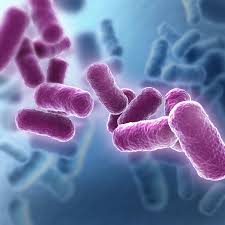
What bacterial shape is in this image?
a)
Bacillus
b)
Coccus
c)
Spirillum
d)
Vibrio
12.
Plants with seeds in cones are called?
a)
gymnosperms
b)
angiosperms
c)
flowers
d)
mosses
13.

Where do the seeds of a gymnosperm come from?

a)

fruit

b)

flowers

c)

spores

d)

cones

14.
What do male cones produce?
a)
spores
b)
pollen
c)
eggs
d)
seeds
15.

Female cones produce________.

a)

spores

b)

cones

c)

pollen

d)

eggs

16.

The joining of sperm and eggs in the female cone is called?

a)

pollination

b)

germination

c)

fertilization

d)

dispersal

17.
How is pollen able to move from a male cone to a female cone?
a)
blows loose in the wind
b)
through tiny little water droplets
18.

A plant is ...

a)

Heterotrophic, multicellular, eukaryote

b)

Autotrophic, unicellular, eukaryote

c)

Autotrophic, multicellular, eukaryote

d)

Heterotrophic, unicellular, prokaryote

19.

The two types of vascular tissue in plants are _____________ and _________________?

a)

bark, wood

b)

ground, dermal

c)

roots, stem

d)

phloem, xylem

20.

Xylem carries ...

a)

water

b)

nutrients

c)

blood

d)

protein

21.

Which is an example of a conifer?

a)

Cedar tree

b)

Pine tree

c)

Spruce tree

d)

Fir tree

e)

All of these are conifers

22.

Conifers are called conifers because they produce _______________ ?

a)

flowers

b)

cones

c)

cons

d)

fruit

23.
a)

Obelia sp.

b)

Dugesia sp.

c)

Ascaris sp.

d)

Pheretima sp

e)

Achatina sp.

24.
a)

Obelia sp.

b)

Dugesia sp.

c)

Ascaris sp.

d)

Pheretima sp

e)

Achatina sp.

25.
a)

Obelia sp.

b)

Dugesia sp.

c)

Ascaris sp.

d)

Pheretima sp

e)

Achatina sp.

26.
a)

Obelia sp.

b)

Dugesia sp.

c)

Ascaris sp.

d)

Pheretima sp

e)

Achatina sp.

27.
a)

Obelia sp.

b)

Dugesia sp.

c)

Ascaris sp.

d)

Pheretima sp

e)

Achatina sp.

28.

Horseshoe crabs have body segmentation

a)

True

b)

False

29.

Grasshoppers (Valanga sp.) undergoes metamorphosis, which means

a)

They are shape shifters

b)

They morph at puberty

c)

The youngs and adults have different morphology

d)

They have fixed body morphology

30.

Choose all the correct types of body segmentations

a)

Head

b)

Thorax

c)

Cervix

d)

Cephalothorax

e)

Legs

31.

Which one of these organisms move using tube feet?

a)

Valanga sp.

b)

Ascaris sp.

c)

Asteris sp.

d)

Macrobrachium sp.

32.

Which one of these classes contain organisms that have porous and light endoskeleton?

a)

Mammalia

b)

Arachnida

c)

Aves

d)

Reptilia

e)

Amphibia

33.
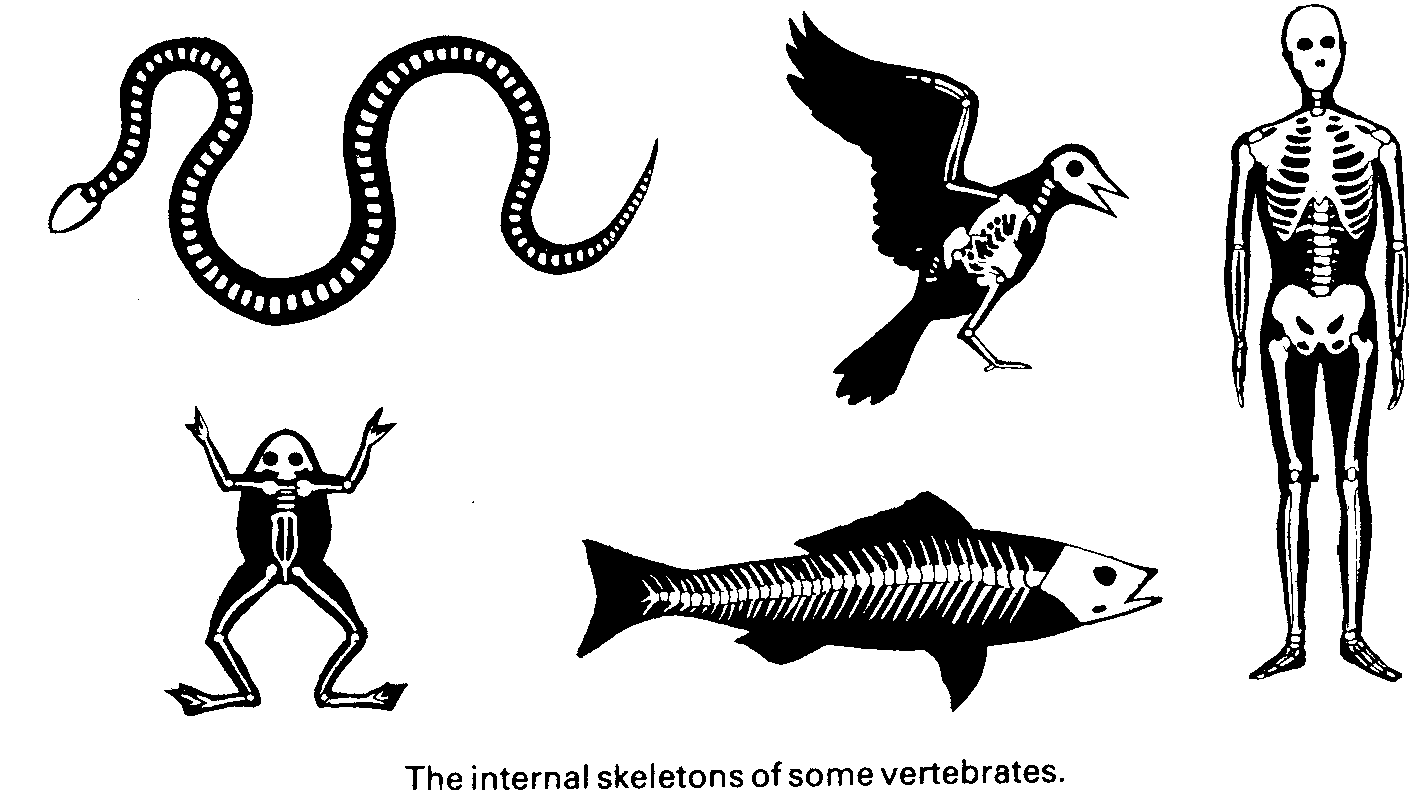
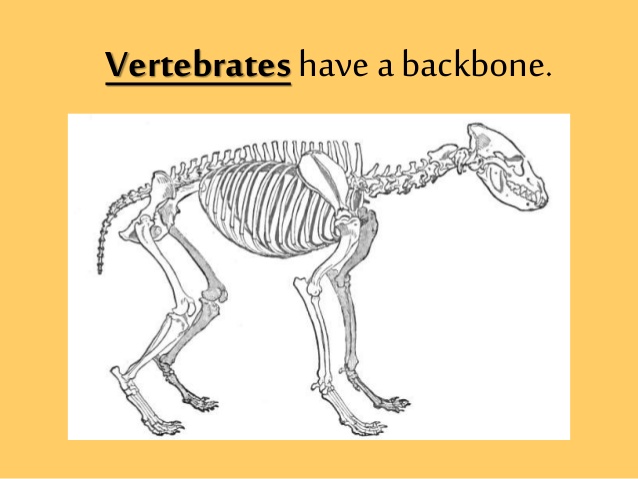
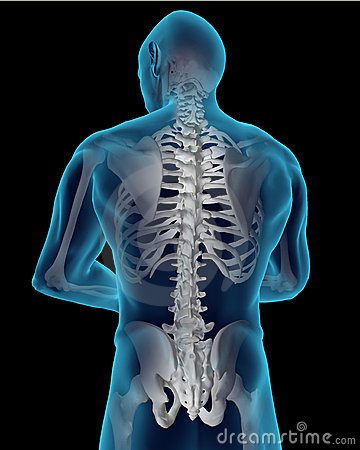
All vertebrates have a ___________.
a)
last name
b)
tail
c)
backbone
d)
neck
34.
Which of the following is NOT a vertebrate?
a)
mammal
b)
arthropods
c)
fish
d)
amphibians
35.
Tigers, toads, turkeys, and tarantulas are all examples of vertebrates.
a)
True
b)
False
36.
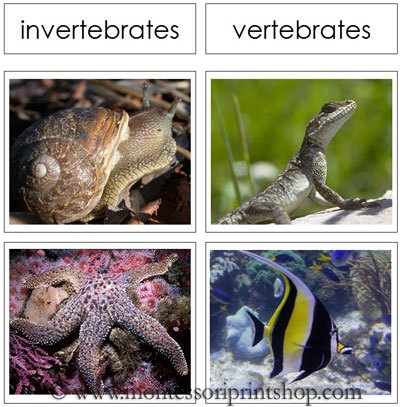
What is the major difference between vertebrates and invertebrates?
a)
Vertebrates are always smaller than invertebrates.
b)
Invertebrates always live in the water.
c)
Vertebrates have a backbone but invertebrates do not.
d)
Vertebrates and invertebrates are the same.
37.
Mammals, fish, reptiles, amphibians, and birds are all __________________.
a)
invertebrates
b)
vertebrates
c)
good pets
38.
Humans are vertebrates.
a)
True
b)
False
39.
Vertebrate or Invertebrate?
a)
Vertebrate
b)
Invertebrate
c)
Neither
40.
Vertebrate or Invertebrate?
a)
Vertebrate
b)
Invertebrate
c)
Neither
41.
Vertebrate or Invertebrate?
a)
Vertebrate
b)
Invertebrate
c)
Neither
42.
Vertebrate or Invertebrate?
a)
Vertebrate
b)
Invertebrate
c)
Neither
43.
Vertebrate or Invertebrate?
a)
Vertebrate
b)
Invertebrate
c)
Neither
44.
Vertebrate or Invertebrate?
a)
Vertebrate
b)
Invertebrate
c)
Neither
45.
Vertebrate or Invertebrate?
a)
Vertebrate
b)
Invertebrate
c)
Neither
46.
Vertebrate or Invertebrate?
a)
Vertebrate
b)
Invertebrate
c)
Neither
47.
Vertebrate or Invertebrate?
a)
Vertebrate
b)
Invertebrate
c)
Neither
48.
Vertebrate or Invertebrate?
a)
Vertebrate
b)
Invertebrate
c)
Neither
49.
Vertebrate or Invertebrate?
a)
Vertebrate
b)
Invertebrate
c)
Neither
50.
Vertebrate or Invertebrate?
a)
Vertebrate
b)
Invertebrate
c)
Neither