wayground logo

Free Printable Worksheets

Font size

S
M
L
XL
Worksheets

Unit 3: Quantum Model of the Atom & the Periodic Table

Total questions: 63

Worksheet time: 2hrs 3mins

Name
Class
Date
1.
How did Mendeleev arrange the elements?
a)
alphabetical 
b)
density
c)
melting point
d)
atomic mass
2.
The horizontal row on the periodic table is called a
a)
group
b)
family
c)
period
d)
atomic number
3.
A vertical column is called...
a)
group
b)
tower
c)
period
d)
crew
4.
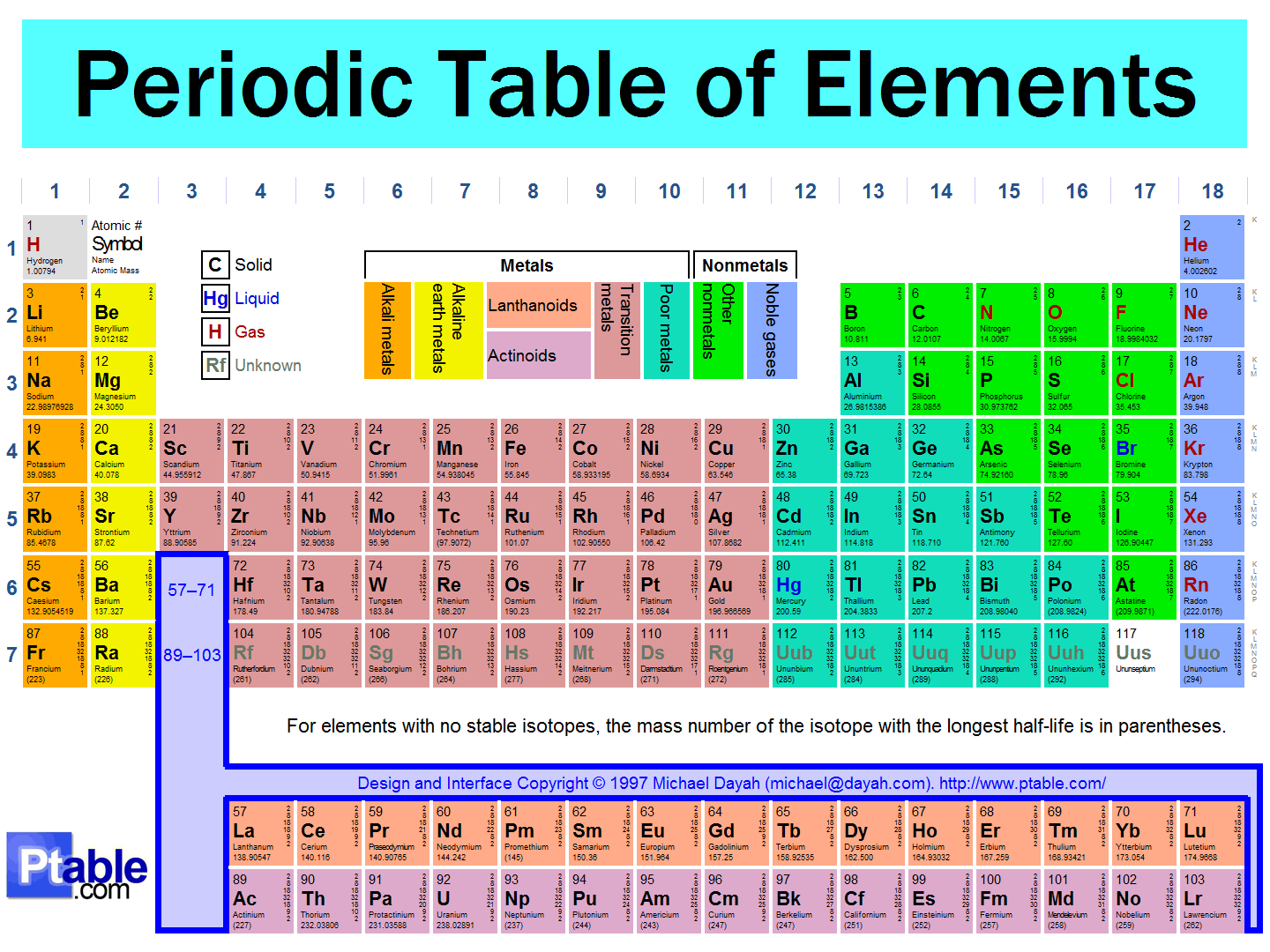
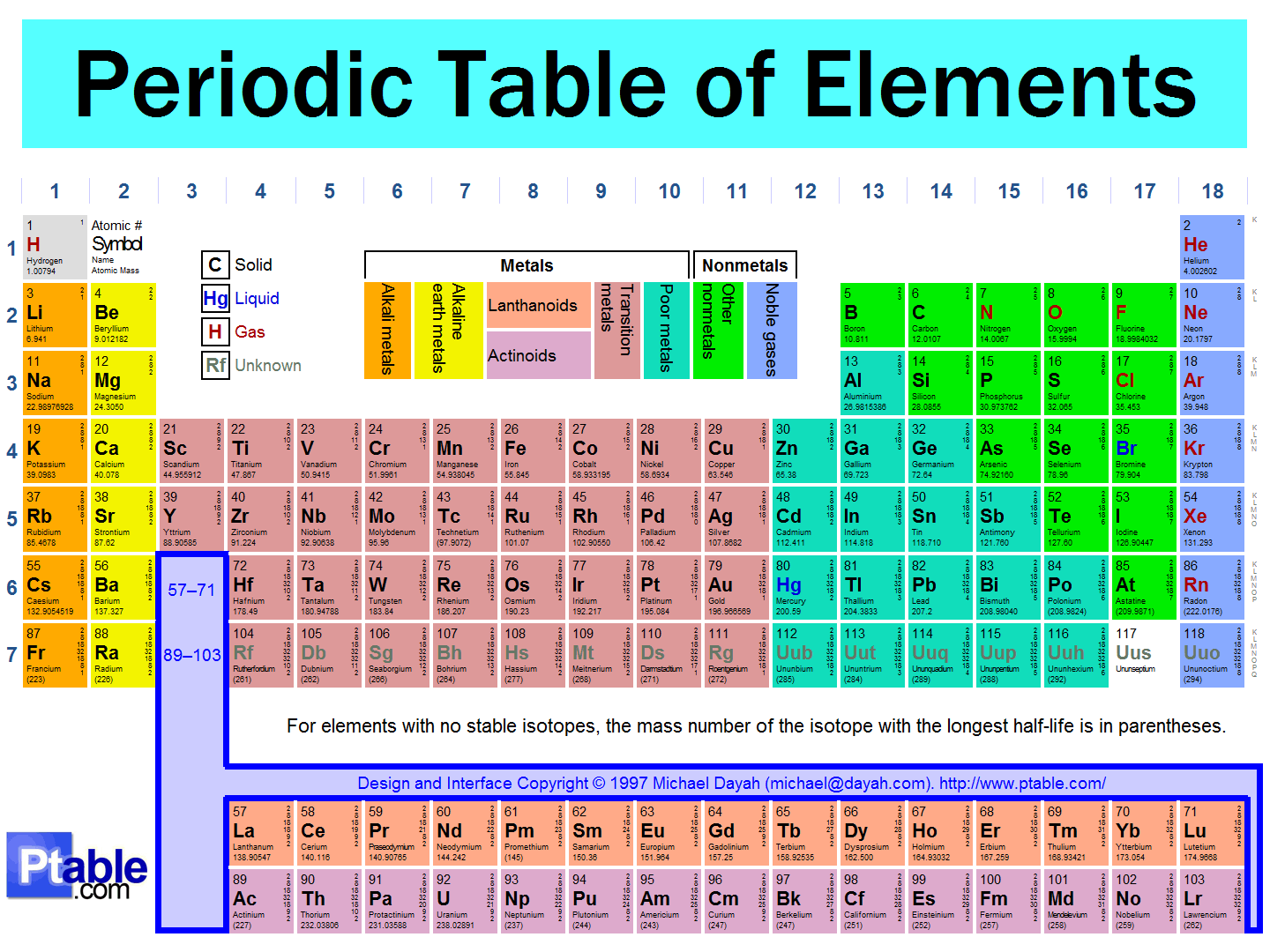
Which of the following is the most metallic element in period 3?
a)
Boron (B)
b)
Sodium (Na)
c)
Argon (Ar)
d)
Silicon (Si)
5.
Which of these element is the least metallic?
a)
Potassium (K)
b)
Carbon (C)
c)
Sulfur (S)
d)
Neon (Ne)
6.
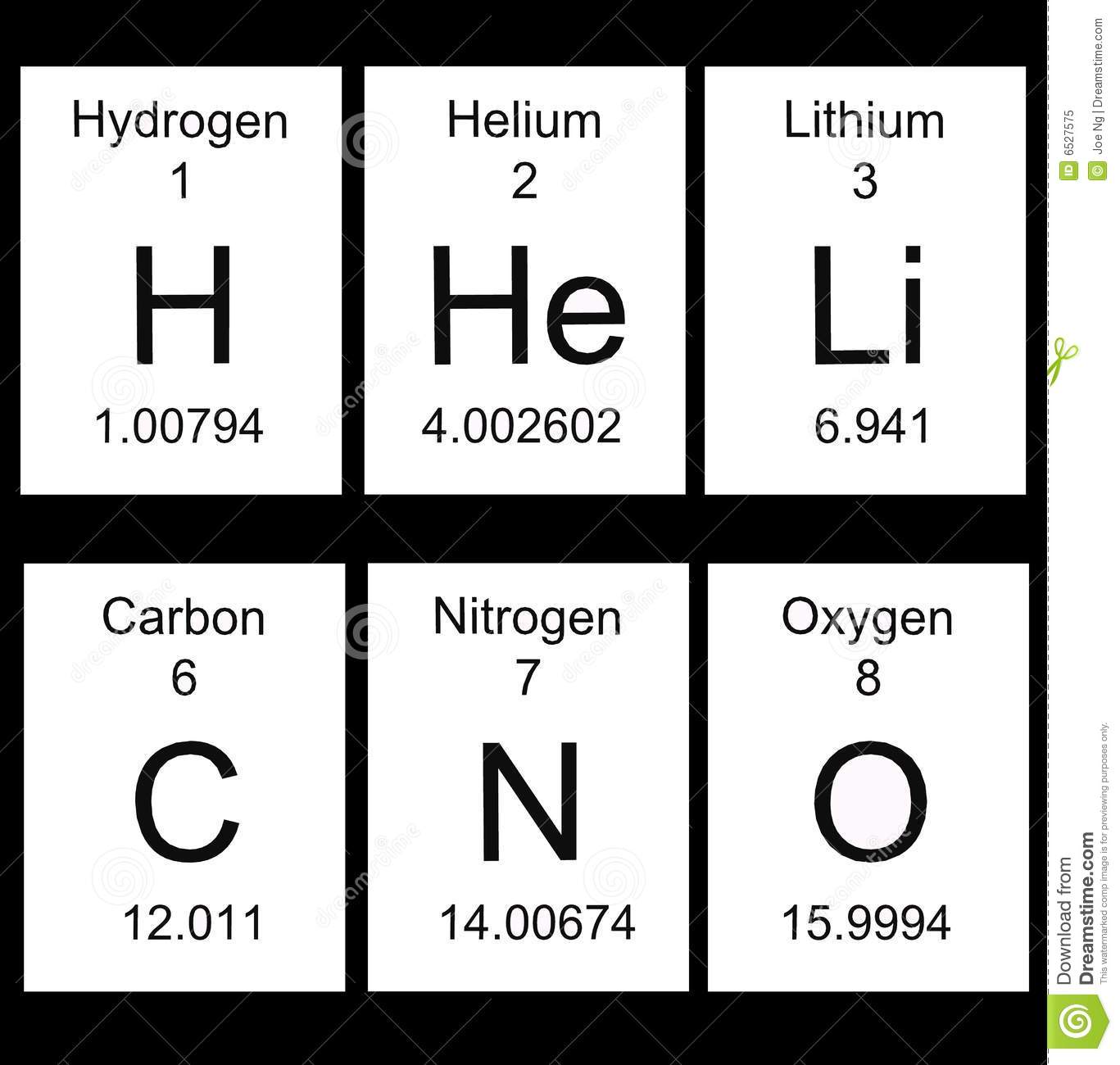
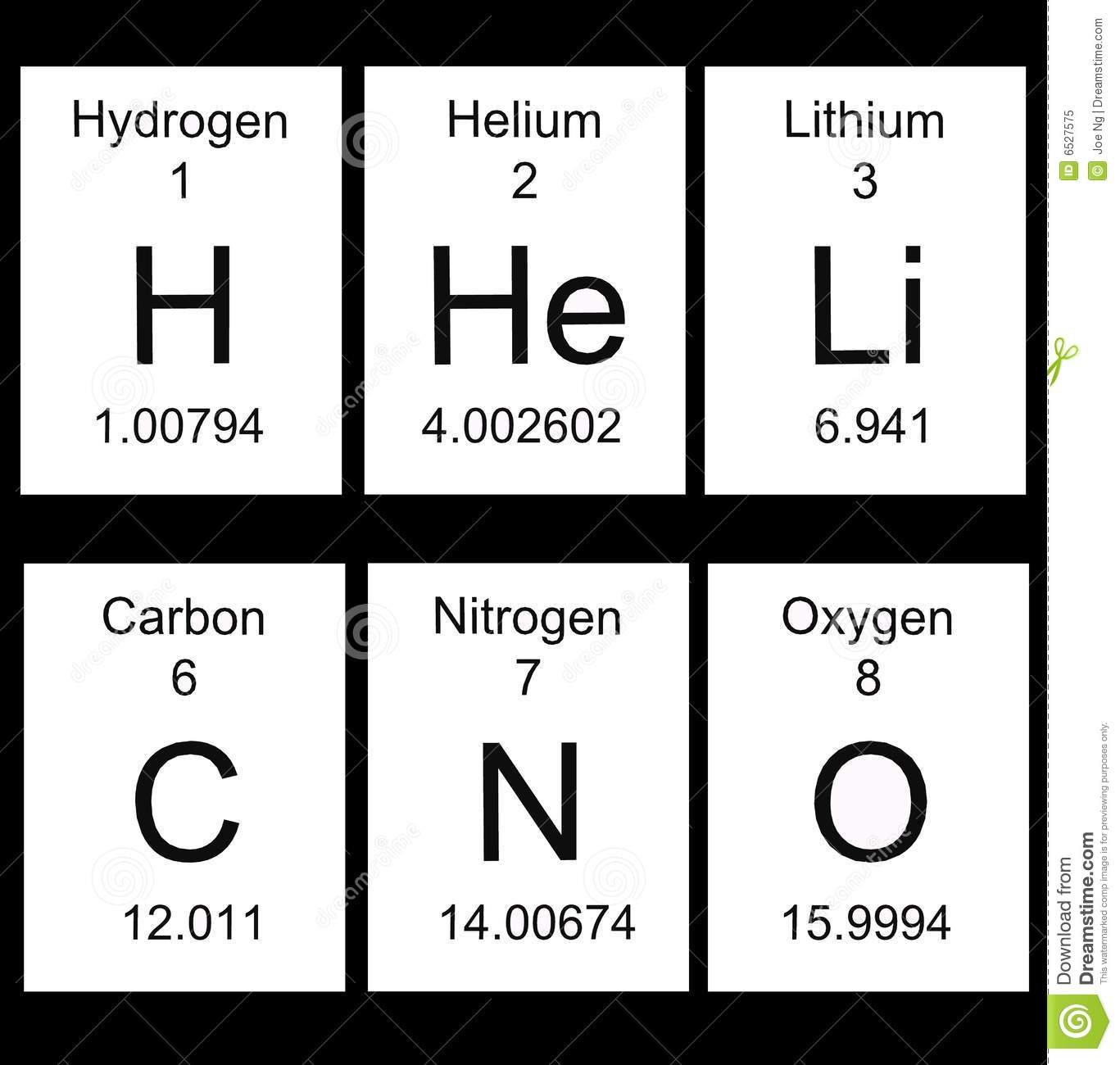
The number at the bottom of each square on the periodic table is the ...
a)
atomic number
b)
atomic mass
c)
chemical symbol
d)
element name
7.
The number at the top of each square on the periodic table is the ...
a)
atomic number
b)
atomic mass
c)
Chemical Symbol
d)
Element Name
8.
A rule that states that repeating chemical and physical properties of elements change periodically with the atomic number of the elements is the _________.
a)
periodic law
b)
alkaline-earth metals
c)
actinide
d)
group rule
9.

Pure forms of these elements are stored in oil so they won't react with oxygen and water in the air.

a)

Alkali Metals

b)

Alkaline-earth metals

c)

Halogens

d)

Noble Gases

10.
Most of the elements on the periodic table are classified as _____.
a)
Metals
b)
Nonmetals
c)
Metalloids
d)
Periods
11.
This class of elements are sometimes called "semiconductors."
a)
Metals
b)
Nonmetals
c)
Metalloids
d)
Groups
12.
What atom matches this electron configuration?
1s22s22p63s23p64s23d10
a)
Zinc
b)
Copper
c)
Nickel
d)
Germanium
13.
What atom matches this electron configuration?
1s22s22p63s2
a)
Neon
b)
Magnesium
c)
Aluminum
d)
Potassium
14.
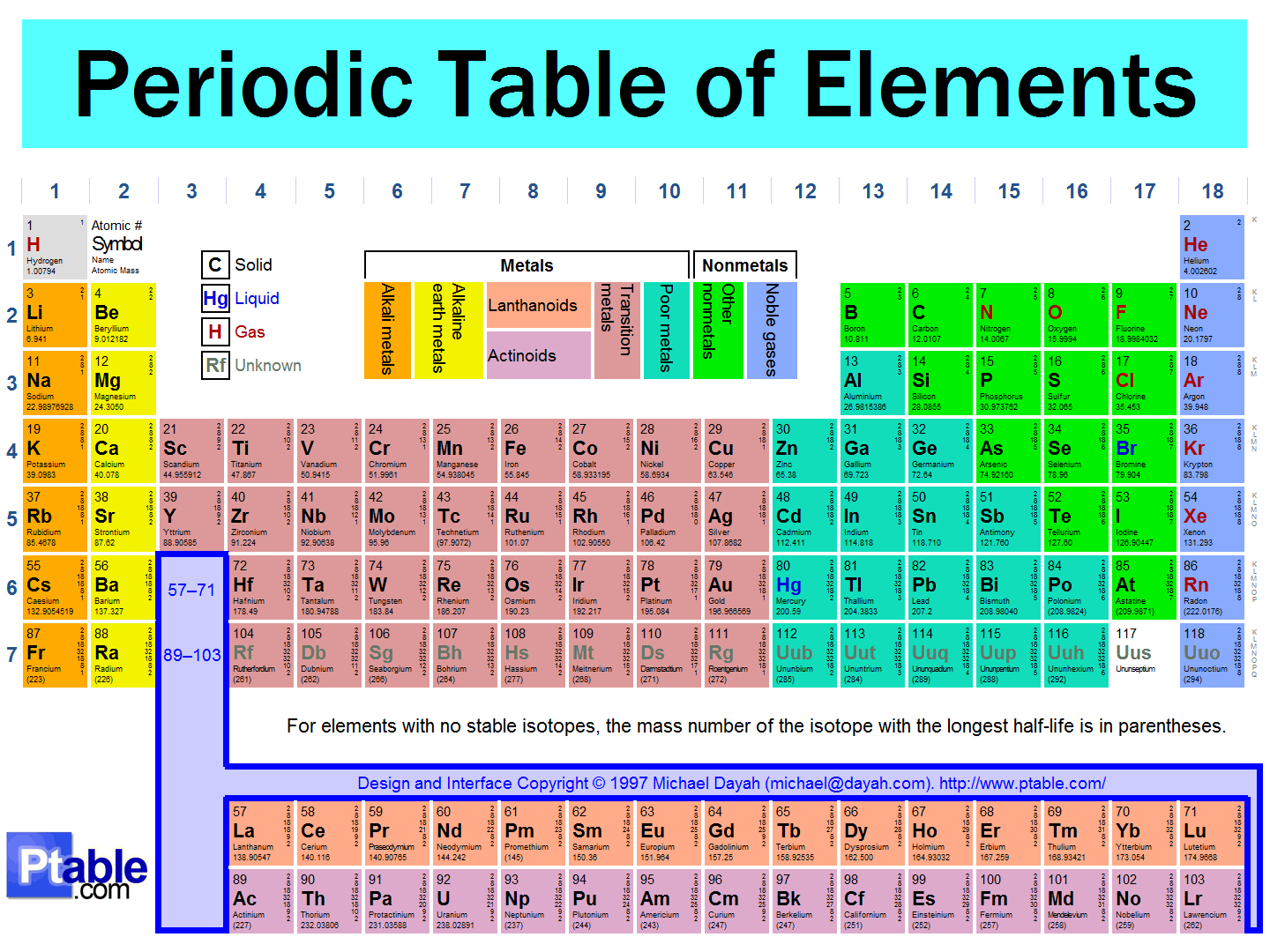
How many electrons does Si contain? (click to see image)
a)
14
b)
28
c)
2
d)
4
15.
How many electrons can the first energy level hold?
a)
1
b)
2
c)
8
d)
0
16.

What do you start electron configuration with? "What did Aufbau say?"

a)

1s1

b)

1d10

c)

1f14

d)

1p6

17.
There are 4 different types of subshells s,p,d,f
a)
true
b)
false
18.

Electrons occupy orbitals of lowest energy first is part of what electron configuration rule?

a)

Hund’s Rule

b)

Aufbau Principle

c)

Pauli Exclusion Principle

d)

none of the these

19.
What is the shorthand electron configuration for Sulfur atom?
a)
[Ar] 3p4
b)
[He] 3s23p4
c)
[Ne] 3s23p4
d)
[Na] 3s23p3
20.
Which of the following will have a larger radius than Zinc?
a)
Gallium
b)
Aluminum
c)
Magnesium
d)
Strontium
21.
Which of the following will have a higher electronegativity than arsenic (As)?
a)
Carbon (C)
b)
Neon (Ne)
c)
Antimony (Sb)
d)
Germanium (Ge)
22.
Which of the following will have a lower ionization energy than Scandium (Sc)?
a)
Helium (He)
b)
Titanium (Ti)
c)
Calcium (Ca)
d)
Magnesium (Mg)
23.
As atoms of elements in group 16 are considered in order from top to bottom, the electronegativity of each successive element....
a)
decreases
b)
increases
c)
remains the same
d)
none of the above
24.

Which atom has the largest atomic radius?

a)

aluminum

b)

lead

c)

lithium

d)

barium

25.
As you move down the periodic table atoms get bigger.  This is because ____________.
a)
The atoms have more mass.
b)
The atoms have more protons.
c)
The atoms have more energy levels
d)
The atoms have more nuetrons
26.

Atoms that have a high electronegativity, _______________.

a)

give up their electrons more easily.

b)

hold on to their electrons more tightly.

c)

have more energy levels.

d)

are typically metallic in nature

e)

are typically non-metallic in nature.

27.
Electronegativity is...
a)
how good an atom is at attracting electrons
b)
the ability of an atom to lose electrons
c)
the energy required to remove an electron from a specific atom
d)
how easy it is to make friends. 
28.
Ionization energy is...
a)
the energy required to add an electron to a specific atom
b)
how much energy it takes to remove an electron from an atom
c)
the energy required to shield the outer electrons from the nucleus
d)
a measure of the ability of an atom to attract electrons
29.
Metals are good conductors of heat and electricity.
a)
true
b)
false
30.
The element with the largest electronegativity in the halogens is - 
a)
At
b)
F
c)
Cl
d)
Br
31.
Electronegativity __________ from left to right within a period and __________ from top to bottom within a group.
a)
decreases, increases 
b)
increases, increases
c)
increases, decreases 
d)
stays the same, increases
32.

Today's periodic table is arranged based on increasing atomic number, or nuclear charge, using the electromagnetic spectrum of the elements. Who is responsible for putting the periodic table in this order?

a)

Dimitri Mendeleev

b)

Henry Moseley

c)

John Dalton

d)

Niels Bohr

33.

Who created the uncertainty principle?

a)

Heisenberg

b)

DeBrogile

c)

Einstein

d)

Bohr

e)

Schrodinger

34.

Who determined that when electrons move energy levels their energy is given off in packets, called quanta?

a)

Planck

b)

Bohr

c)

Heisenberg

d)

Einstein

e)

Schrodinger

35.

What is a cation's charge?

a)

positive

b)

negative

c)

neutral

d)

depends on the element

36.

What is an anion's charge?

a)

positive

b)

negative

c)

neutral

d)

depends on the element's charge

37.

Is potassium a cation or an anion?

a)

cation

b)

anion

c)

neither

d)

depends on which isotope of potassium

38.

Sulfur will likely create a cation or an anion?

a)

cation

b)

anion

c)

neither

d)

depends on which isotope of sulfur

39.

Ionic Bonding involves...

a)

the transfer of protons

b)

between two nonmetals.

c)

the transfer of electrons

d)

between two metals.

e)

between a metal and a nonmetal.

40.

What happens when the sodium atom loses an electron?

a)

It become negatively charged

b)

It become positively charged

c)

none

d)

It becomes larger in size.

e)

It becomes smaller in size.

41.
What usually forms the negative ion?
a)
nonmetals
b)
metal
c)
none
42.

Covalent compounds

a)

Share valence electrons

b)

transfer valence electrons

c)

contain a sea of valence electrons

d)

conduct electricity

e)

have low melting points

43.

What happens when an atom gain an electron?

a)

becomes neutrally charged

b)

becomes positively charged

c)

becomes negatively charged

d)

get smaller in size

e)

get larger in size

44.
What charges attract?
a)
Opposite
b)
Same
45.

How many electrons do the alkali metals have in their outer shell?

a)

1

b)

2

c)

8

d)

7

46.

How many electrons are found in the outer shell of an alkaline earth metal?

a)

1

b)

2

c)

3

d)

4

47.

Where are the"Halogens" located in periodic table?

a)

group 1 or 1A

b)

group 2 or 2A

c)

group 17 or 7A

d)

group 18 or 8A

e)

group 16 or 6A

48.
Which of these is not a noble gas?
a)
Helium
b)
Argon
c)
Nitrogen
d)
Krypton
49.
True or false: Noble gases react with water
a)
True
b)
False
50.

Name group 18 on the periodic table.

a)

alkali metals

b)

alkaline earth metals

c)

transition metals

d)

noble gases

e)

halogens

51.

For bromine's last electron, the principle quantum number is_____, and the spin quantum number is ____?

a)

n=4

b)

n=3

c)

or +12\uparrow\ or\ +\frac{1}{2}

d)

n=5

e)

or 1 2 \ ↓\ \ or\ \ -\frac{1}{\ 2\ }

52.

Which of the following is an incorrect electron configuration?

a)

1s22s22p63s23p64s1

b)

1s22s22p63s23p64s13d104p65s24d105p66s24f145d3

c)

1s22s22p63s23p64s23d104p65s1

d)

[Ar]4p65s24d6

e)

[Kr]5s24d2

53.
What is the shape of an s orbital?
a)
sphere
b)
dumbbell
c)
double dumbbell
d)
TOO COMPLEX TO KNOW IT.
54.
What is the shape of a p orbital?
a)
sphere
b)
it's just too complex to think about it
c)
dumbbell
d)
I don't know this stuff.
55.
How many electrons can the d sublevel hold?
a)
8
b)
10
c)
2
d)
4
56.
Which is associated with more energy? 
a)
2p
b)
2s
c)
3p
d)
1s
57.
How many total electrons can the f orbitals in a sublevel hold?
a)
2
b)
14
c)
6
d)
10
58.
What is this element? 
1s22s22p63s23p64s23d104p6
a)
Argon
b)
Krypton
c)
Selenium
d)
Bromide
59.
An orbital can at most hold how many electrons?
a)
1 electron
b)
2 electrons
c)
3 electrons
d)
4 electrons
60.
Electrons are paired based on their spin directions, clockwise and counterclockwise, is what electron configuration rule?
a)
Hund’s Rule
b)
Aufbau Principle
c)
Pauli Exclusion Principle
61.
Why do we use the three electron configuration rules: Hund's Rule, Aufbau Principle, and Pauli Exclusion Principle?
a)
to know where electrons are located
b)
to know how electrons are oriented in space
c)
to know how electrons are used in chemical reactions
d)
all of these
62.
Which orbital shows a violation of Hund's Rule?
a)
A
b)
B
c)
C
d)
D
63.
Which orbital shows a violation of the Pauli Exclusion Principle?
a)
A
b)
B
c)
C
d)
D