wayground logo

Free Printable Worksheets

Font size

S
M
L
XL
Worksheets

Periodic Table and Atomic Structure Review

Total questions: 65

Worksheet time: 1hrs 2mins
Name
Class
Date
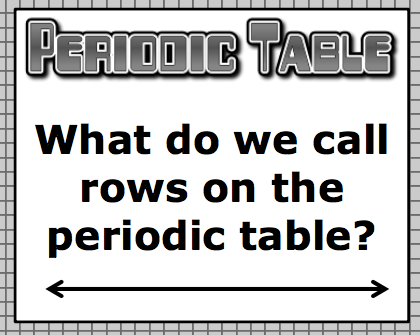
1.
a)
Periods
b)
Groups
2.
a)
Periods
b)
Groups
3.
a)
energy levels
b)
valence electrons
c)
protons
d)
neutrons
4.
a)
energy levels
b)
valence electrons
c)
protons
d)
neutrons
5.
a)
Same group
b)
Same period
6.
a)
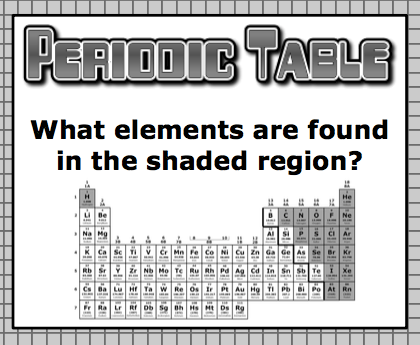
Metals
b)
Nonmetals
c)
Metalloids
7.
a)
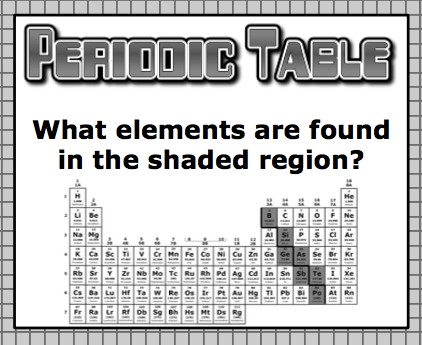
Metals
b)
Nonmetals
c)
Metalloids
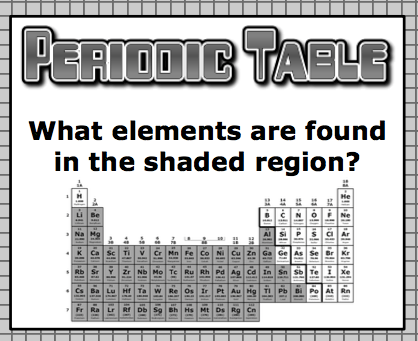
8.
a)
Metals
b)
Nonmetals
c)
Metalloids
9.
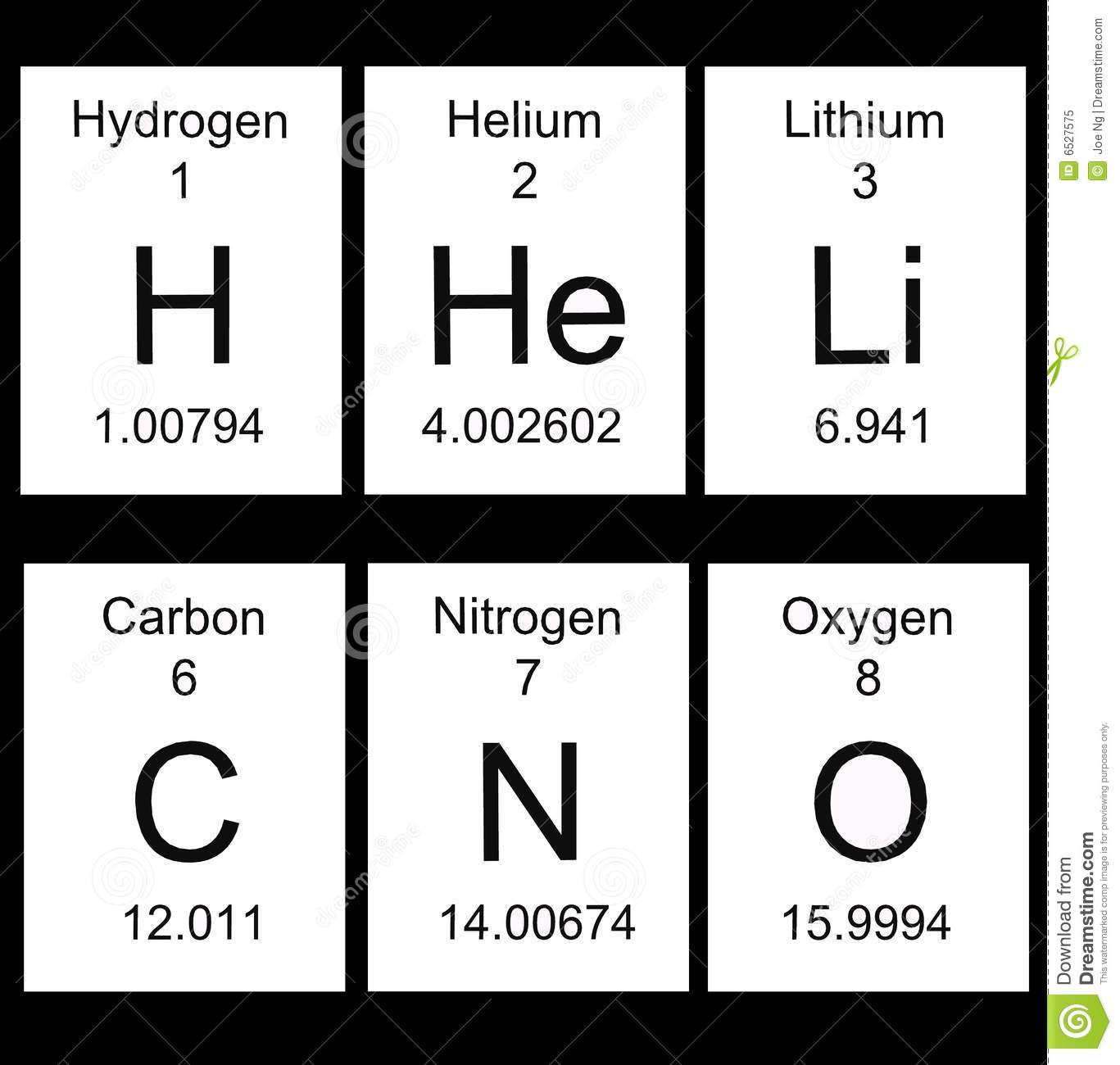
What is the chemical symbol for Lithium?
a)
H
b)
He
c)
Li
d)
N
10.
Pure forms of these elements are stored in oil so they won't react with oxygen and water in the air.
a)
Alkali Metals
b)
Alkaline-earth metals
c)
Halogens
d)
Noble Gases
11.
Most of the elements on the periodic table are classified as _____.
a)
Metals
b)
Nonmetals
c)
Metalloids
d)
Periods
12.
The atomic number tells you what?
a)
number of electrons
b)
number of protons
c)
number of neutrons
d)
both electrons and protons in an atom.
13.
Which element is not a metal?
a)
H
b)
Re
c)
Al
d)
B
14.
Which is a halogen?
a)
Helium
b)
Chlorine
c)
Oxygen
d)
Neptune
15.
Which is an alkali metal?
a)
Magnesium
b)
Iron
c)
Sodium
d)
Europium
16.
A proton is....
a)
A negatively charged subatomic particle
b)
A positively charged subatomic particle
c)
A neutrally charged subatomic particle
d)
The only subatomic particle located in the nucleus
17.
A neutron has a charge of
a)
+2
b)
No charge
c)
-1
d)
+1
18.
In the modern periodic table elements are arranged by:
a)
atomic mass
b)
atomic number
c)
valence electrons
d)
number of isotopes
19.
How many Valance electrons does Iodine Have?
a)
6
b)
16
c)
7
d)
17
20.
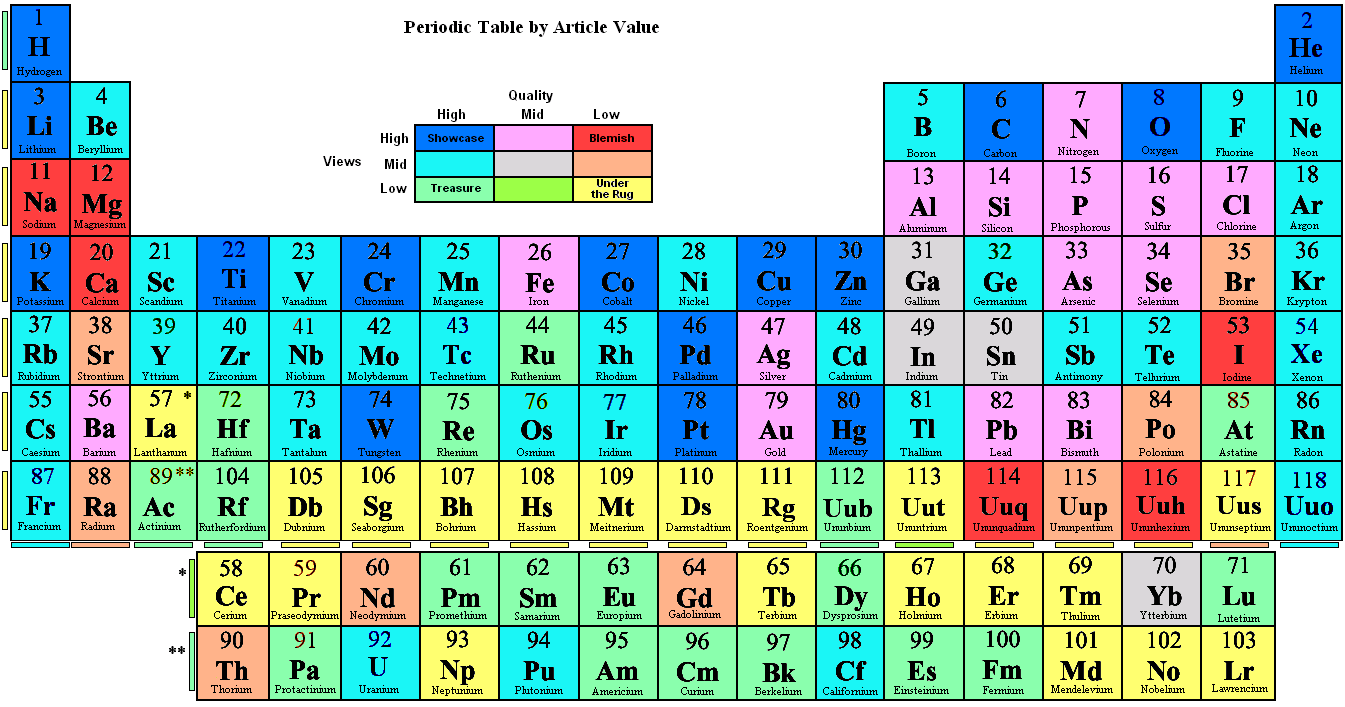
The period for Bromine is ___________.
a)
3
b)
2
c)
4
21.
An element's identity is determined by the number of
a)
electrons.
b)
protons.
c)
neutrons.
d)
valence.
22.
Rows on the period table are called _____ while columns are called _____.
a)
groups, families
b)
groups, periods
c)
periods, groups
d)
families, groups
23.
Which elements have the most similar chemical properties?
a)
K and Na
b)
K and Ca
c)
K and Cl
d)
K and S
24.
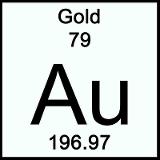
Which number is the atomic mass?
a)
79
b)
196.97
25.
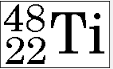
How many protons does this isotope of titanium have?
a)
48
b)
22
c)
26
d)
70
26.
How many neutrons does the isotope of lithium have?
a)
8
b)
3
c)
4
d)
5
27.
How many neutrons in C-14?
a)
6
b)
7
c)
14
d)
8
28.
How many neutrons does uranium-235 have?
a)
238
b)
92
c)
146
d)
143
29.
In a correctly written symbol what would be located in the "A" position?
a)
number of neutrons
b)
atomic number
c)
number of electrons 
d)
mass number
30.
which explanation of this notation is correct?
a)
 12 is proton #
b)
6 tells you there are 6 neutrons
c)
6 tells you there are 6 protons
d)
12 is not a mass # here
31.
The atomic number of Uranium is:
a)
110
b)
16
c)
53
d)
92
32.
The average atomic mass of Cesium is
a)
132.905
b)
55
c)
190.23
d)
Unknown
33.
How many neutrons would V-49 have?
a)
26
b)
49
c)
23
d)
50.94
34.
How many protons does Pb-209 have?
a)
127
b)
209
c)
82
d)
291
35.
What is the mass number of an atom of gold with 117 neutrons?
a)
117
b)
196
c)
196.97
d)
197
36.
Mass Number is--
a)
the number of protons + neutrons
b)
the number of protons
c)
the number of electrons +protons +electrons
d)
the same as atomic number
37.
Atomic number=
a)
number of neutrons
b)
atomic mass
c)
protons
d)
electrons+protons
38.
Which particle does not contribute mass to the atom?
a)
Proton
b)
Neutron
c)
Electron
d)
Nucleus
39.
What charge does an electron have?
a)
positive
b)
negative
c)
neutral
d)
no charge
40.
An atom is electrically neutral when
a)
protons and neutrons are the same
b)
protons and electrons are the same
c)
neutrons and electrons are the same
d)
neutrons balance the protons and electrons
41.
What is an ion?
a)
A Charged Atom
b)
A Large Atom
c)
A Small Atom
d)
A Cute Atom
42.
Barium atoms want to form...
a)
an anion
b)
a cation
c)
an onion
d)
a cuddly kitten friend
43.
Elements on the LEFT side of the periodic table will most likely form:
a)
Positive ions
b)
Negative ions
c)
Neutral Ions
d)
None of these
44.
Most atoms have no net charge because they have....
a)
an equal number of charged and non-charged particles
b)
neutrons in their nuclei
c)
an equal number of electrons and protons
d)
an equal number of neutrons and protons
45.
What group of elements satisfies the octet rule without forming compounds?
a)
halogen
b)
noble gas
c)
alkali metal
d)
alkaline-earth metal
46.
If an atom loses electrons when forming an ion, the charge will be:
a)
positive
b)
negative
c)
neutral
47.
If an atom gains electrons when forming an ion, the charge will be:
a)
positive
b)
negative
c)
neutral
48.
What is the charge does a sodium ion have?
a)
+2
b)
+1
c)
-1
d)
-2
49.
What charge will an Oxygen ion have? 
a)
+1
b)
-1
c)
+2
d)
-2
50.
4.35% of all X atoms have a mass of 39.946 amu. 83.79% have a mass of 41.941 amu, 9.50% have a mass of 42.941 amu, and 2.36% have a mass of 43.939 amu. What is the average atomic mass of atom X?
a)
41.97 amu
b)
42.19 amu
c)
10.43 amu
d)
40.04 amu
51.
24.1% of all the isotopes of a an element have a mass of 75.23 amu, 48.7% have a mass of 74.61 amu, and 27.2% have a mass of 75.20 amu.
What is the average mass of this element?
a)
74.92 amu
b)
24.97 amu
c)
75.01 amu
d)
74.51 amu
52.

Magnesium exists as three isotopes shown above. What is the average atomic mass?

a)

18.39 amu

b)

20.74 amu

c)

22.56 amu

d)

24.31 amu

53.
Atom 1 has Mass=12  Protons=6
Atom 2 has Mass= 14 Electrons=6
Are these atoms isotopes of each other or different elements?
a)
Different Elements - Mg & Si
b)
Different Elements - Ar & Ca
c)
Isotopes of Carbon
d)
Isotopes of Magnesium
54.

The atomic number will tell me... (select three)

a)

Number of Protons in the neutral atom

b)

Number of Electrons in the neutral atom

c)

Number of Neutrons

d)

The identity of the element

55.

This element is found in group 2, period 3:

a)

Li

b)

Mg

c)

Be

d)

B

56.

What is the charge of a proton?

a)

Positive

b)

Negative

c)

No charge, Neutral

57.

What is the charge of an electron?

a)

Postive

b)

Negative

c)

No Charge

58.

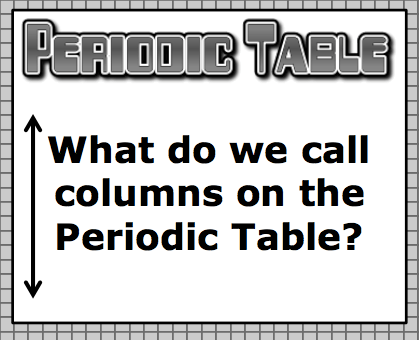
The vertical (up and down) columns in the Periodic Table are called

a)

groups

b)

towers

c)

periods

d)

atomic numbers

59.
What is the name of the atom pictured here?
a)
Nitrogen
b)
Nitrogen-15
c)
Nitrogen-7
d)
Nitrogen-8
60.
If X is the symbol for an element, which of the following two symbols represent    isotopes of the same element?  
I. 7735X  II. 7733X  III. 8137X  IV. 8135 X
a)
I and II
b)
III and IV
c)
I and IV
d)
I and III
61.

The atomic mass of an element depends upon the ___.

a)

relative abundance of protons in that element

b)

mass and relative abundance of each isotope of that element

c)

mass of each isotope of that element

d)

mass of each electron in that element

62.

The atomic mass of an element is the ___.

a)

average of the mass number and the atomic number for the element

b)

weighted average of the masses of the isotopes of the element

c)

total mass of the isotopes of the element

d)

total number of subatomic particles in the nucleus

63.

Chlorine has two naturally occurring isotopes, Cl-35 and Cl-37, The atomic mass of chlorine is 35.45. Which of these two isotopes of chlorine is more abundant?

a)

Cl-35

b)

Cl-37

c)

Cannot be determined from the information provided.

64.

The third period halogen is

a)

fluorine

b)

chlorine

c)

bromine

d)

iodine

65.

An neutral atom with 16 electrons

a)

oxygen

b)

sulfur

c)

fluorine

d)

sixteenium