wayground logo

Free Printable Worksheets

NEW

Font size

S
M
L
XL
Worksheets

Classification of the Elements

Total questions: 63

Worksheet time: 47mins

Name
Class
Date
1.

what group of element does the s-block contain?

a)

group 1-2-3

b)

group 1-2

c)

group 3-12

d)

group 13-18

2.

Why are both hydrogen and cesium s-block elements, when hydrogen has one electron and cesium has 55?

a)

All blocks contain at least one element from each period.

b)

Blocks of elements on the periodic table are based only on an element's valence electrons.

c)

The s-block includes only the most reactive elements.

d)

They have identical electron configurations.

3.

Atoms of elements in group 1 have ____________.

a)

one electron in their outermost energy level

b)

two electrons in their outermost energy level

c)

seven electrons in their outermost energy level

d)

eight electrons in their outermost energy level

4.

Which of the blocks on the periodic table contains the most elements?

a)

s block

b)

p block

c)

d block

d)

f block

5.

What makes the d block wider than either the s block or the p block?

a)

The d sub-orbital can hold ten electrons, making the d block ten elements wide.

b)

The d block is the most researched area of the periodic table.

c)

The elements in the d block are more important than the elements in the rest of the table.

d)

The elements in the d block are all metals.

6.

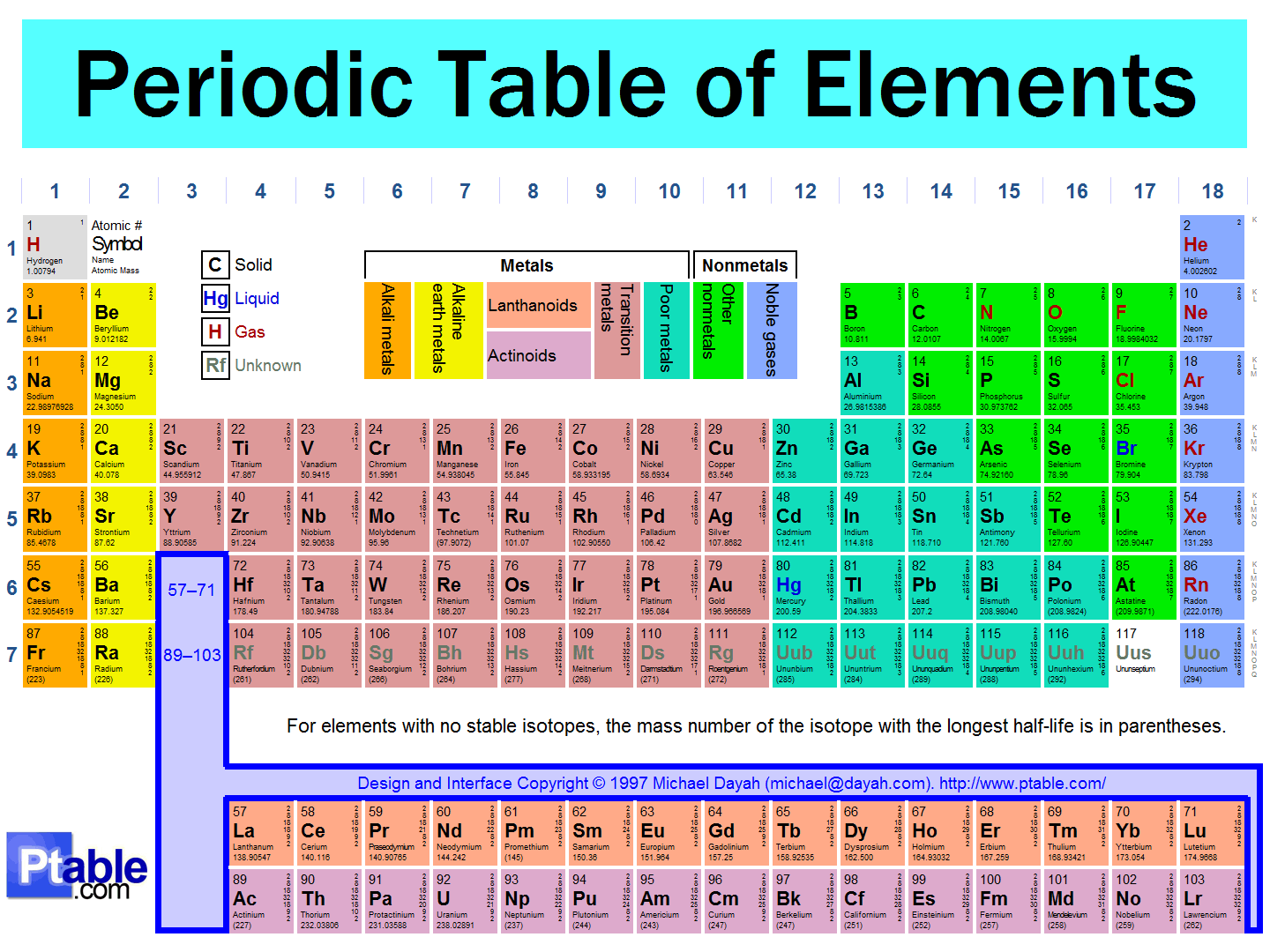
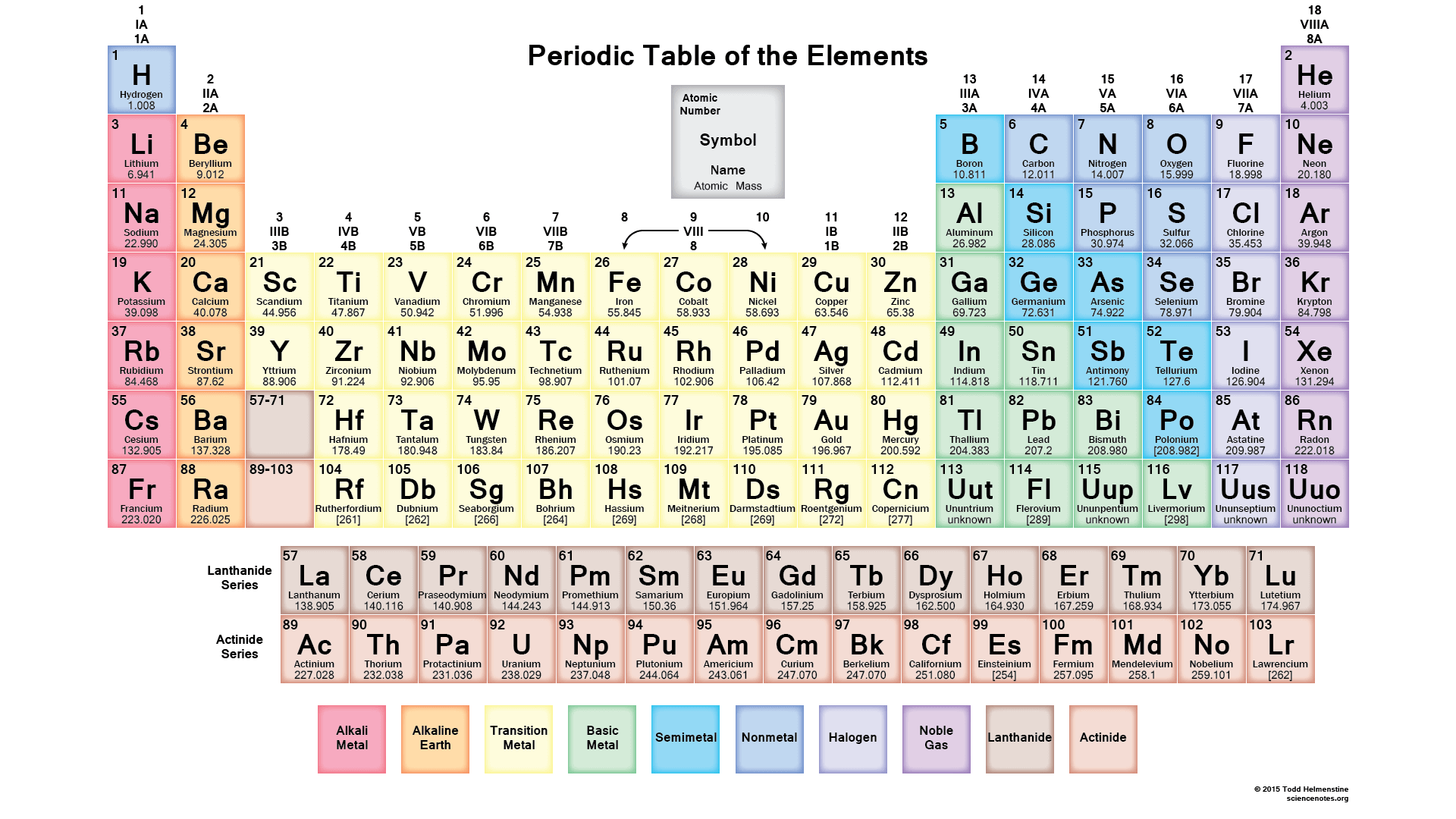
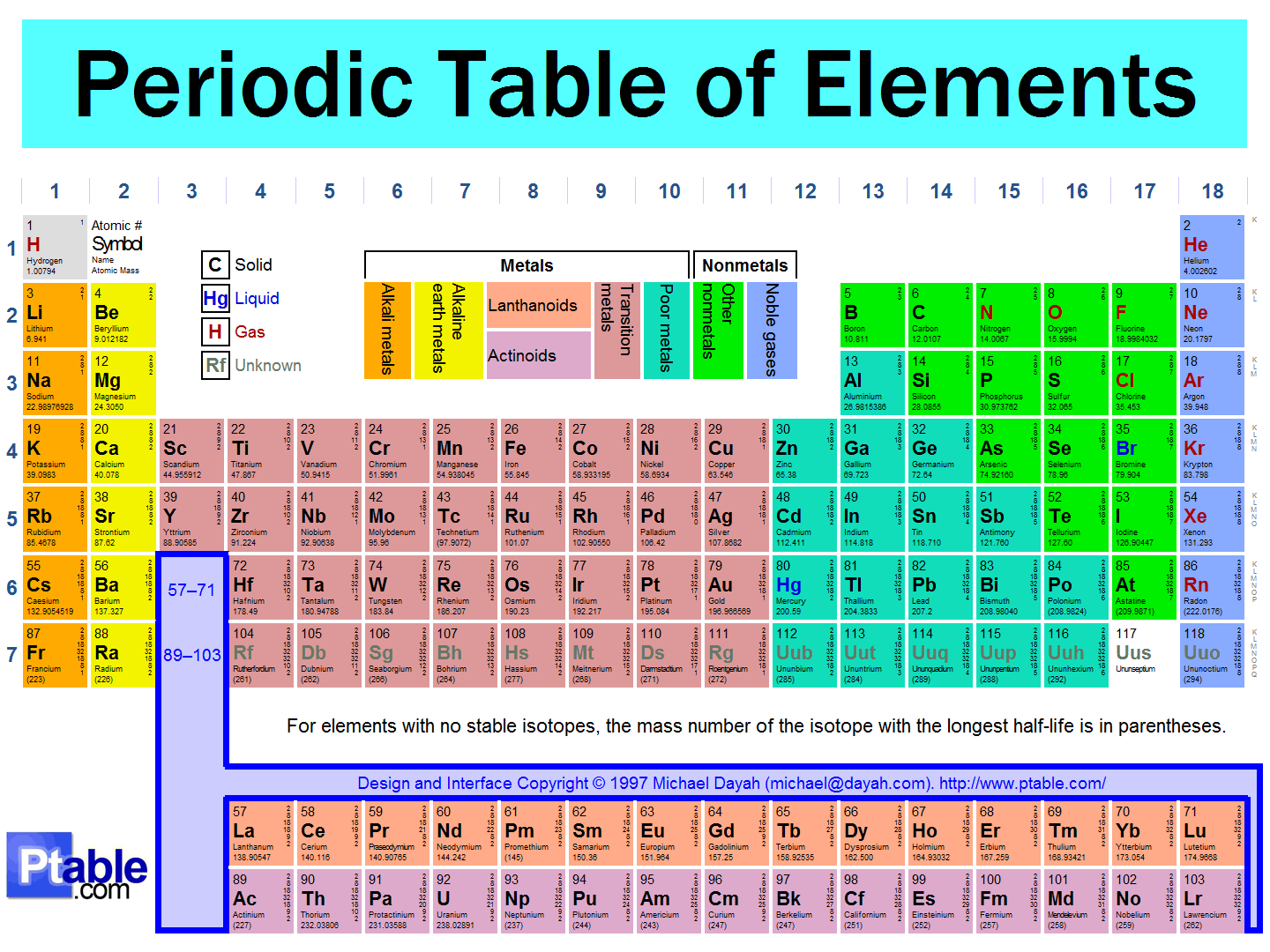
From the table below, determine the atomic number of the noble gas at the end of period 5.

a)

18

b)

36

c)

54

d)

52

7.

Shiny (luster) and good conductors of electricity:

a)

Nonmetal

b)

Lightning

c)

Metal

d)

Semi-metal

8.
The atoms along the staircase are called 
a)
metals
b)
nonmetals
c)
metalloids
d)
noble gases
9.

Which element has n=2 and s2 p6 configuration?

a)

He

b)

O

c)

Ne

d)

Ni

10.
How many valence electrons does an atom of sulfur (S) have?
a)
2
b)
3
c)
6
d)
16
11.
Which of the following is an element?
a)
Sugar
b)
Salt
c)
Water
d)
Oxygen
12.
How many valence electrons are in an atom of Se?
a)
2
b)
8
c)
6
d)
5
13.
How many valence electrons are found in atoms of group 15?
a)
4
b)
5
c)
2
d)
3
14.
a)
2
b)
8
c)
3
d)
13
15.
a)

2

b)

3

c)

5

d)

7

16.

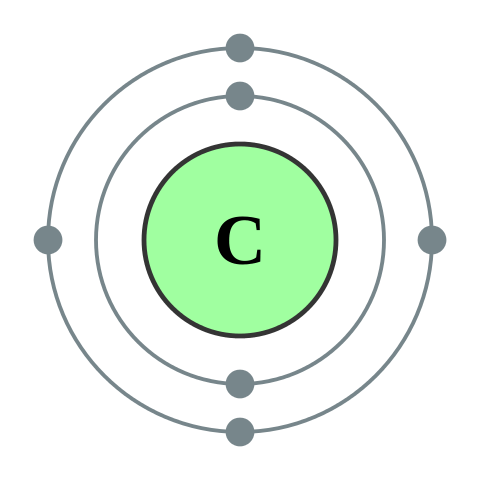
How many valence electrons does carbon have?

a)

4

b)

5

c)

6

d)

7

17.

This could be the dot diagram of

a)

Mg

b)

Cl

c)

C

d)

O

18.

Columns in the periodic table are called______, rows are called_________

a)

Periods, groups

b)

Groups, periods

c)

Periods, shells

d)

Shells, groups

19.

The period number tells us...

a)

How many electron shells an element has

b)

How many electrons are in the most outer shell

c)

The mass number

d)

The valency

20.

The group number tells us...

a)

How many electron shells an atom has

b)

How many electrons are in the most outer shell of an element

c)

The atomic mass

d)

Electonegativity

21.

The elements on the Periodic Table are arranged in order of increasing...

a)

mass number

b)

atomic number

c)

number of isotopes

d)

number of valence electrons

22.

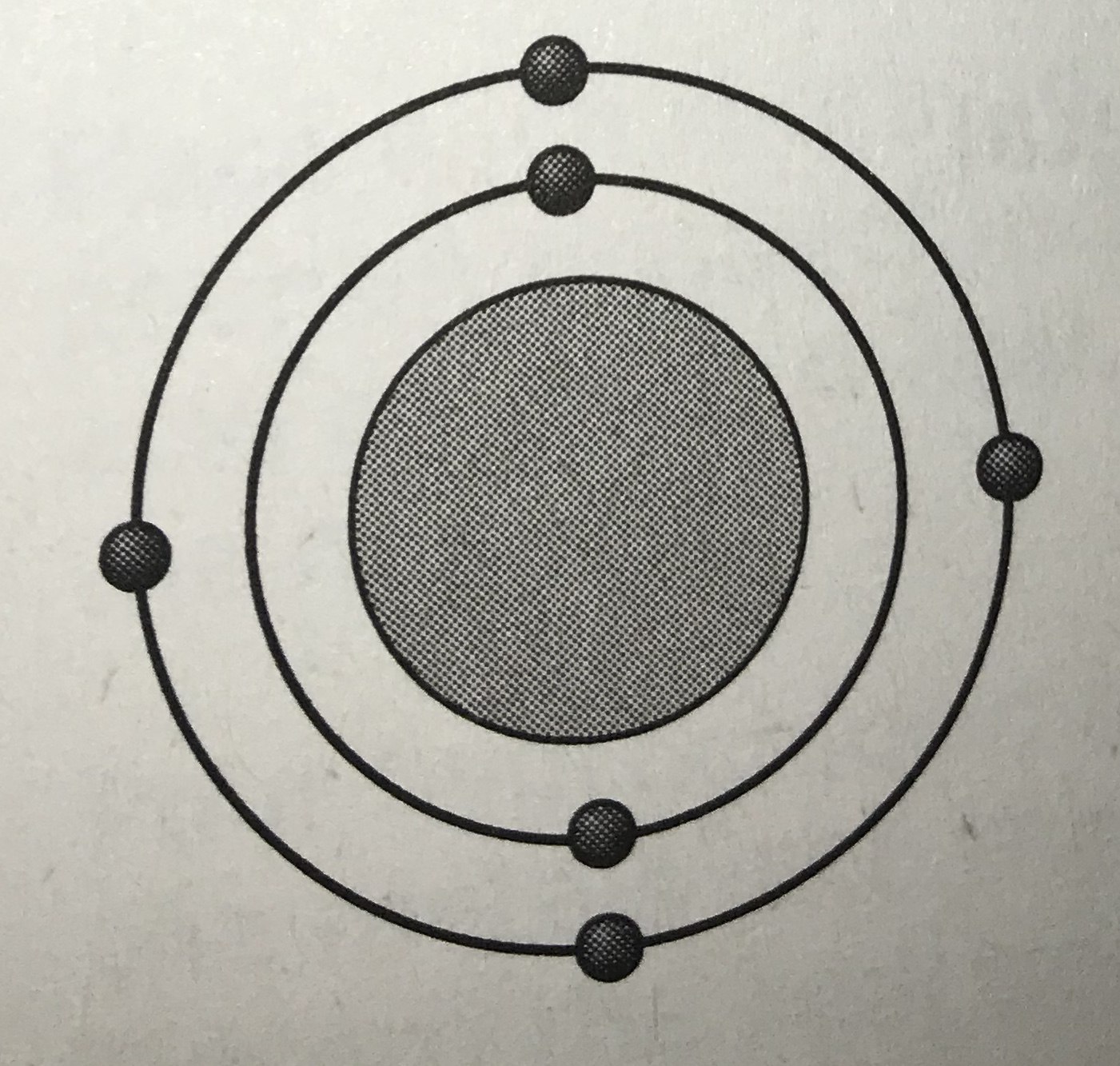
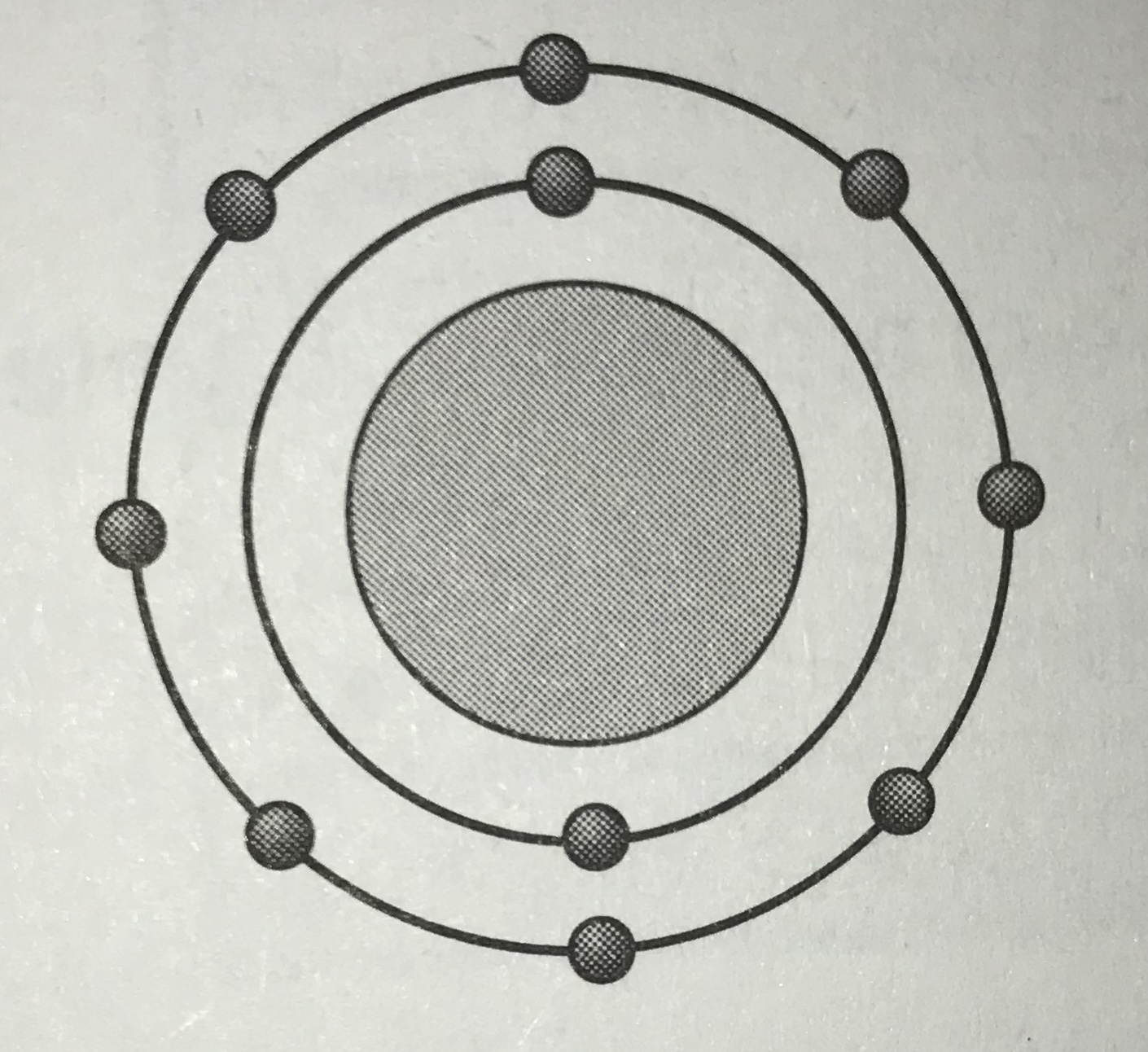
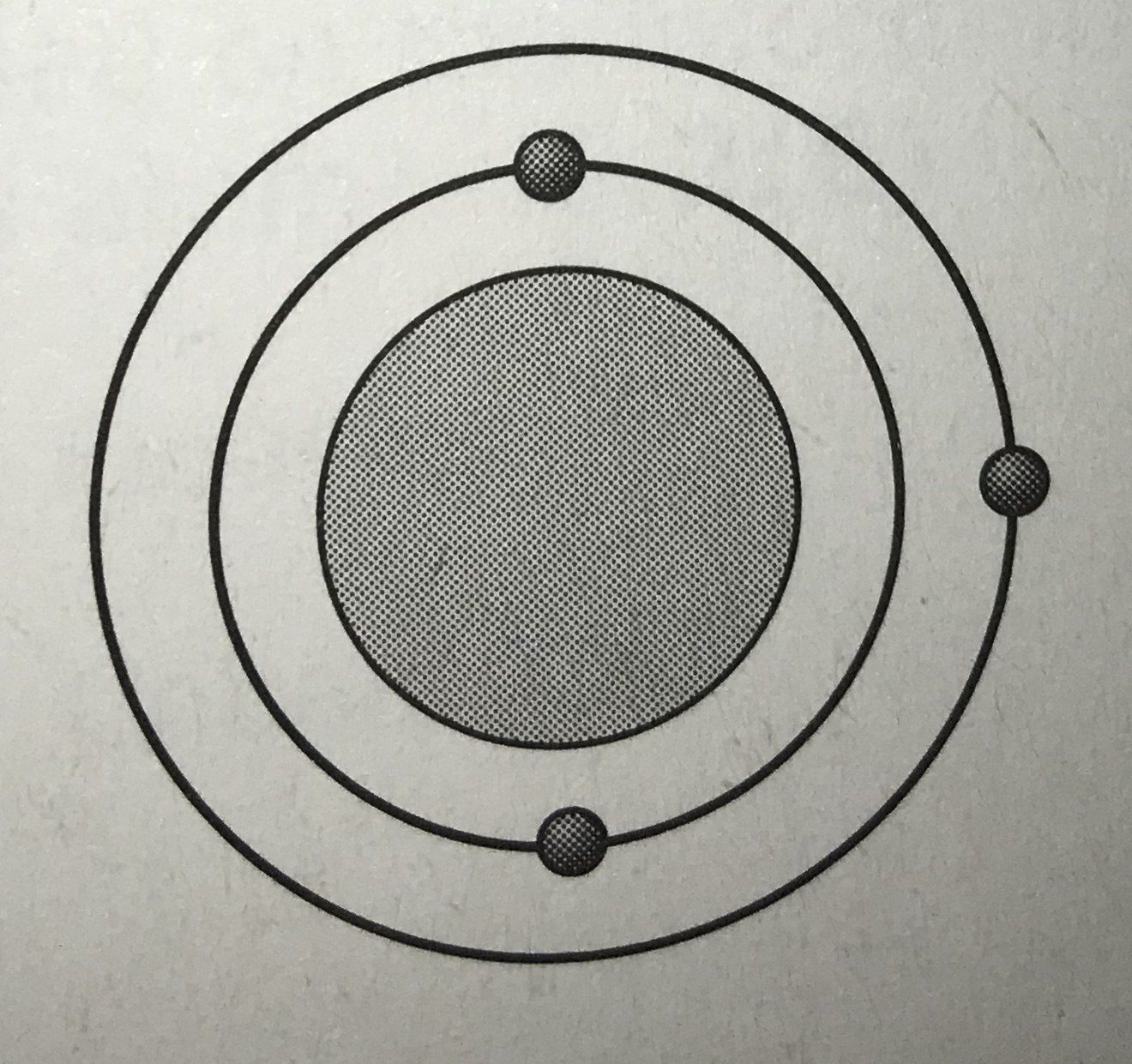
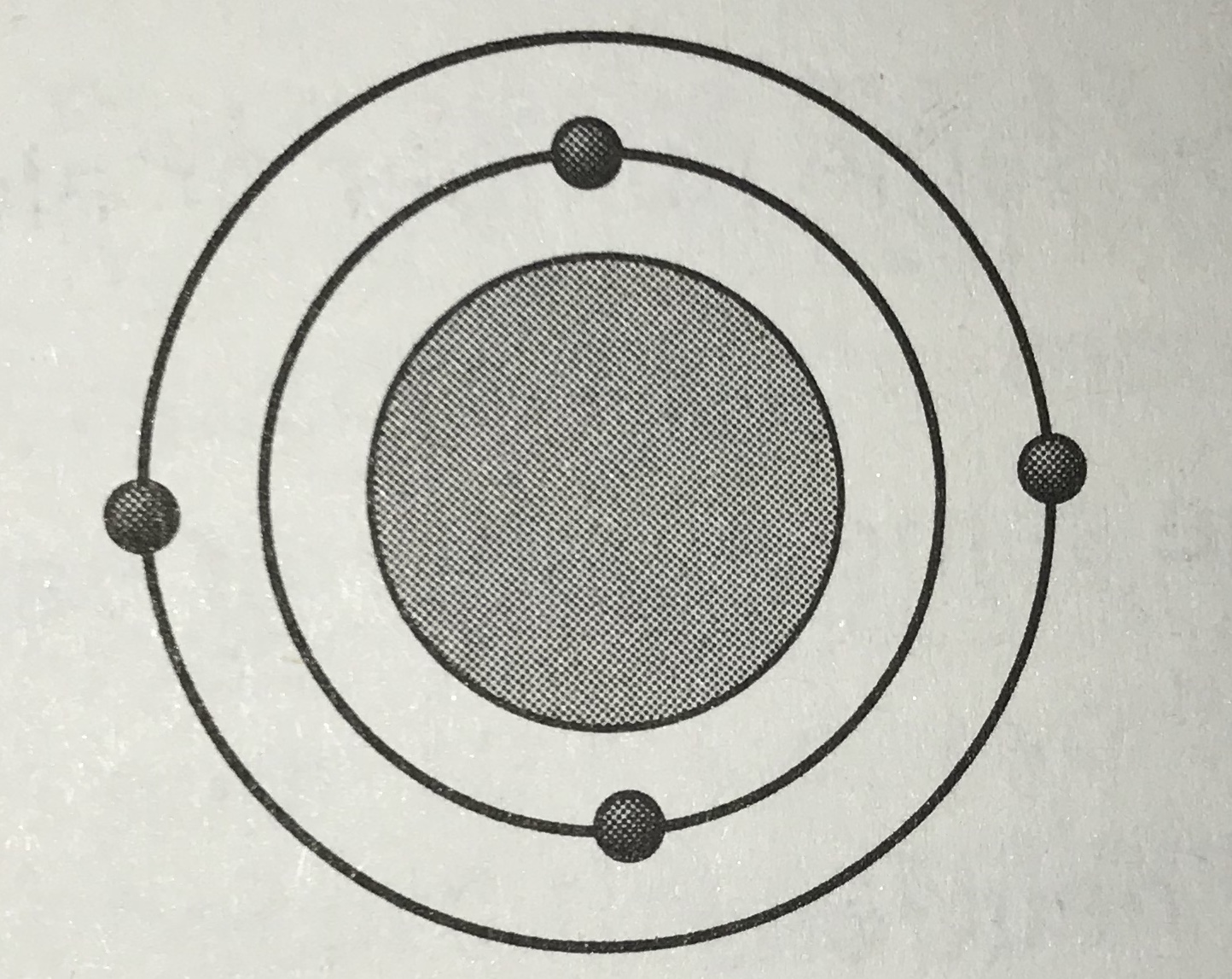
Which model represents the most reactive atom?
a)
b)
c)
d)
23.

What element, based on the subatomic particles in the atom, is shown?

a)

Beryllium

b)

Helium

c)

Lithium

d)

Oxygen

24.

Where are valence electrons located on the model?

a)

Near the nucleus

b)

In the middle of the atom

c)

At the innermost level

d)

At the outermost level

25.
What is the chemical symbol for the element hydrogen
a)
H
b)
He
c)
h
d)
he
26.
What is the chemical symbol for the element Silicon
a)
S
b)
Si
c)
si
d)
Sl
27.
What is the chemical symbol for the element Carbon
a)
ca
b)
co2
c)
C
d)
Cd
28.
What is the chemical symbol for the element copper?
a)
co
b)
c
c)
Cu
d)
cu
29.
What is the chemical symbol for the element Aluminum
a)
A
b)
AL
c)
Al
d)
al
30.
What is the chemical symbol for the element Nitrogen
a)
Ni
b)
N
c)
No
d)
Nb
31.
What is the chemical symbol for the element oxygen
a)
O
b)
Oxy
c)
ox
d)
Oy
32.
What element is represented by the Chemical symbol Mg
a)
Manganese
b)
Magnesium
c)
Molybdenum
d)
Mitrium
33.
What is the chemical symbol for the element Helium
a)
He
b)
he
c)
H
d)
h
34.
What is the chemical symbol for the element Calcium
a)
C
b)
Ca
c)
Cl
d)
CL
35.
What is the chemical symbol for the element Sodium
a)
Na
b)
So
c)
S
d)
Sd
36.
The atomic number tells you what?
a)
number of electrons
b)
number of protons
c)
number of neutrons
d)
both electrons and protons in an atom.
37.
Which group of the periodic table is composed of inert (not reactive)  gases?
a)
alkali metals
b)
alkaline earth metals
c)
halogens
d)
noble gases
38.
Which is the correct formula for:
one carbon (C)
two oxygen (O)
a)
CO2
b)
CO
c)
C2O
d)
2CO
39.
How many elements are in H2O?
a)
1
b)
2
c)
3
d)
4
40.
The number at the top of each square on the periodic table is the ...
a)
atomic number
b)
atomic mass
c)
Chemical Symbol
d)
Element Name
41.
What is Fe2O3
(rust) made up of?
a)
1 flourine, 2 einsteinium,
3 oxygen
b)
2 fluorine, 3 oxygen
c)
2 iron, 3 oxygen
d)
2 iron, 3 osmium
42.
If you have a material that can conduct electricity well it is probably a...
a)
Metalloid
b)
Matter
c)
Non-metal
d)
Metal
43.
________ are the COLUMNS on the periodic table and are organized by similar properties.
a)
Classifications
b)
Groups
c)
Periods
d)
Elements
44.
Where are the nonmetals located on the periodic table?
a)
top left corner
b)
bottom left corner
c)
top right corner
d)
bottom left corner
45.
Fluorine, chlorine, bromine, and iodine are part of a family called
a)
metalloids.
b)
noble gases.
c)
alkali metals.
d)
halogens.
46.
How many electrons do atoms need to be stable?
a)
1
b)
2
c)
6
d)
8
47.
Which is an alkali metal?
a)
Magnesium
b)
Iron
c)
Sodium
d)
Europium
48.
Silicon is a semiconductor and has properties of both metals and nonmetals. What type of element is Silicon? 
a)
Metal
b)
Nonmetal
c)
Metalloid
d)
Pretty
49.

one or two letters that represent the name of an element

a)

element name

b)

element symbol

c)

atomic number

d)

atomic mass

50.

a unique number for each element that equals the number of protons in an atom of that element

a)

element name

b)

element symbol

c)

atomic number

d)

atomic mass

51.

the mass of an atom, calculated by adding the number of protons and neutrons in the nucleus of the atom

a)

element name

b)

element symbol

c)

atomic number

d)

atomic mass

52.

a grouping of elements based on similar properties, arranged by columns in the periodic table; also known as a group

a)

family

b)

period

c)

row

d)

isotope

53.

a row on the Periodic Table of Elements

a)

family

b)

period

c)

row

d)

isotope

54.

The vertical (up and down) columns in the Periodic Table are called

a)

groups

b)

towers

c)

periods

d)

atomic numbers

55.
The Modern Periodic Table of Elements is arranged by
a)
atomic mass
b)
atomic number
c)
valence electrons
d)
number of isotopes
56.
Sodium (Na) is found in period 
a)
3
b)
2
c)
4
d)
1
57.
Sodium (Na) is found in group 
a)
1
b)
2
c)
3
d)
4
58.
The atomic number tells you what?  READ THE ANSWERS CAREFULLY
a)
only the number of electrons
b)
 only the number of protons
c)
only the number of neutrons
d)
the number of both electrons and protons in an atom.
59.
What does the atomic mass tell you? 
a)
Basically,the number of electrons and protons
b)
The number of neutrons
c)
Basically, the number of protons and neutrons
d)
The number of protons.
60.
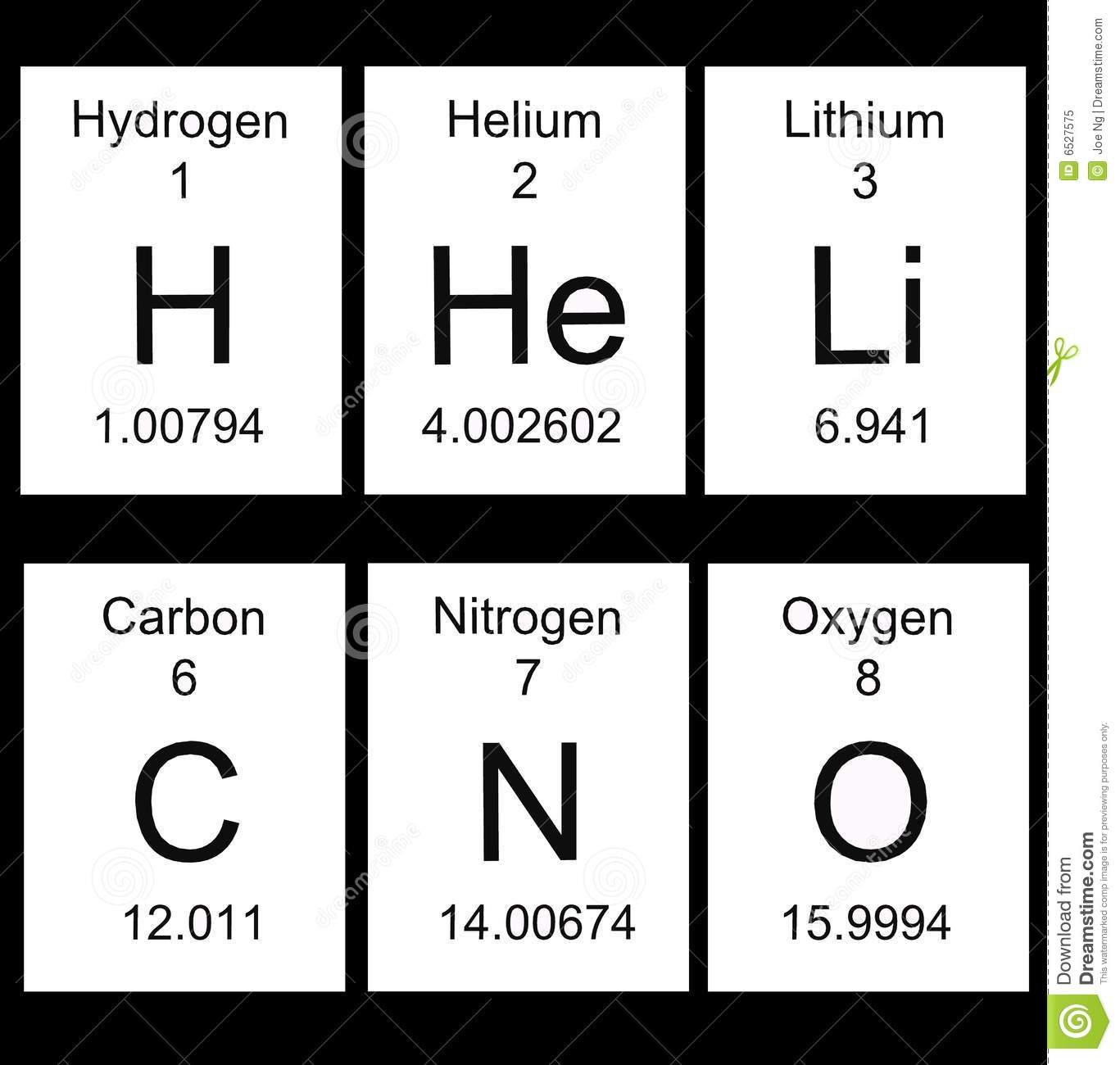
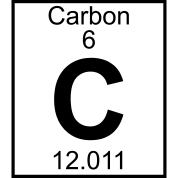
What does the 6 represent?
a)
atomic mass
b)
atomic number
c)
element name
d)
chemical symbol 
61.
What does 12.011 represent?
a)
atomic mass
b)
atomic number
c)
element name
d)
chemical symbol 
62.
What does the C represent?
a)
atomic mass
b)
atomic number
c)
element name
d)
chemical symbol 
63.

The horizontal (side to side) rows in the Periodic Table are called

a)

groups

b)

families

c)

periods

d)

atomic numbers