wayground logo

Free Printable Worksheets

NEW

Font size

S
M
L
XL
Worksheets

VSEPR & Molecular Geometry

Total questions: 68

Worksheet time: 39mins
Name
Class
Date
1.
 A lone pair is defined as
a)
A pair of bonding electrons
b)
One non-bonding electron
c)
A pair of non-bonding electrons
d)
A pair of electrons on the central atom
2.
What is the VSEPR theory used to predict?
a)
Bond Strength
b)
Polarity
c)
Molecular Shape
d)
Electronegativity
3.
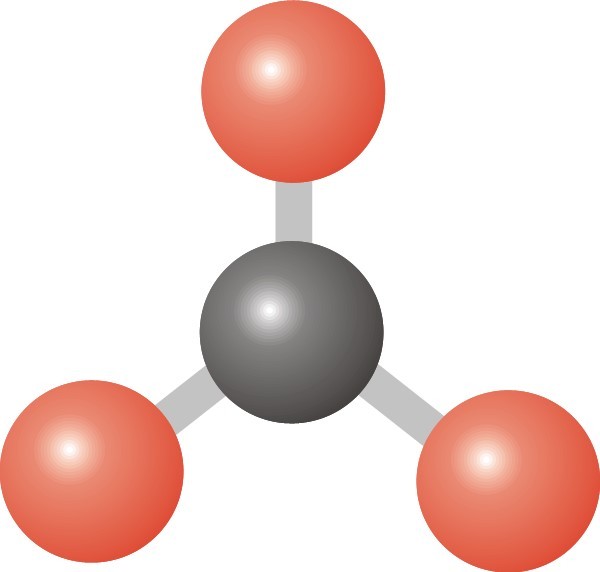
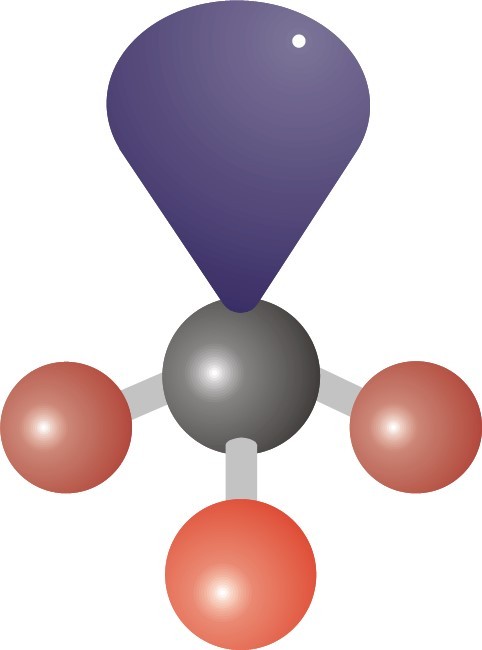
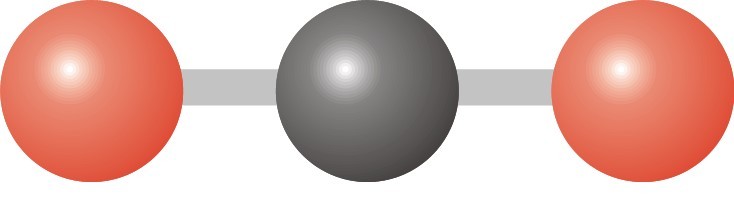
Which molecule would have this molecular geometry?
a)
BF3
b)
CH4
c)
PCl5
d)
CO2
4.
What molecule could this be? 
a)
BF3
b)
CH4
c)
H2O
d)
CO2
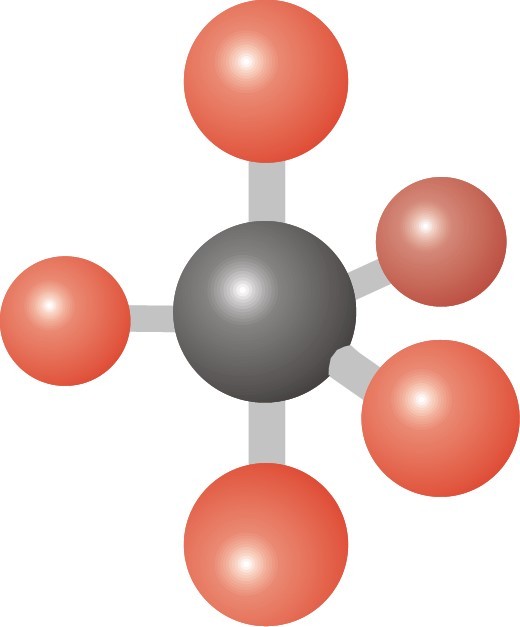
5.
What molecule could this be? 
a)
H2O
b)
CCl4
c)
PCl5
d)
NaCl
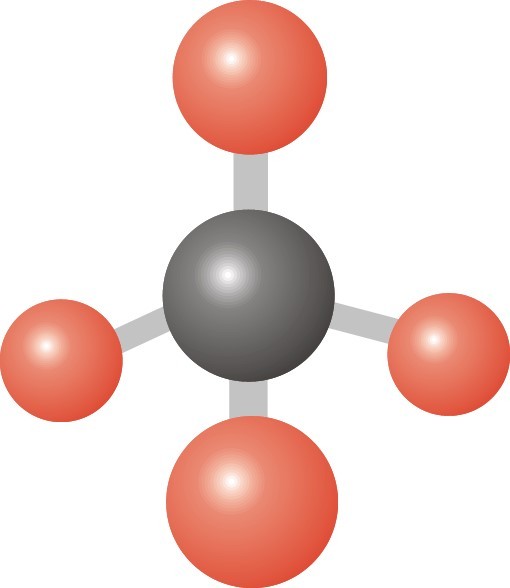
6.
Who could this molecule be?
a)
CH4
b)
CO2
c)
PCl5
d)
BF3
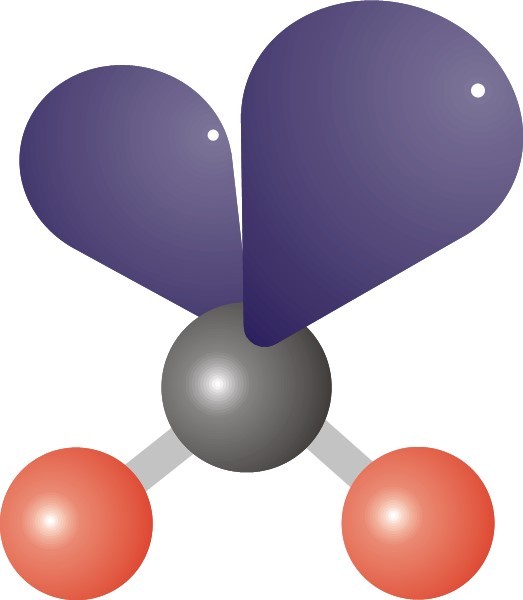
7.
Who could this be? 
a)
CO2
b)
NH3
c)
H2S
d)
CH4
8.
Who could this be?
a)
H2O
b)
NH3
c)
CO2
d)
CH4
9.

What molecular geometry would PH3 have?

a)

Trigonal Pyramidal

b)

Trigonal Bipyramidal

c)

Bent

d)

Linear

10.
How many lone pairs of electrons are on the P atom in PF3?
a)
1
b)
2
c)
3
d)
0
11.

Is this molecule polar?

a)

Yes

b)

No

12.

Is this molecule polar?

a)

No

b)

Yes

13.
VSEPR theory is to
a)
determine the number of bonding and lone pairs electrons
b)
determine the number of ECC
c)
determine the shape and geometry of molecule
d)
determine the lewis structure of molecule
14.
What is the measure of a tetrahedral bond angle?
a)
90 Degrees
b)
109.5 Degrees
c)
120 Degrees
d)
180 Degrees
15.
Which of the following molecular shapes would have a bond angle of 180 Degrees?
a)
Bent
b)
Trigonal Planar
c)
Tetrahedral
d)
Linear
16.
The bond angle for a trigonal planar molecule is 
a)
90 Degrees
b)
109.5 Degrees
c)
120 Degrees
d)
180 Degrees
17.
What is the bond angle for this molecule?
a)
109.5
b)
120
c)
107
d)
90
18.
Will this molecule be polar or nonpolar? PH3
a)
polar
b)
nonpolar
19.
What molecular shape is the structure shown here? (BCl3)
a)
linear
b)
trigonal planar
c)
tetrahedral
d)
trigonal pyramidal
20.
What molecular shape is the structure shown here? (H2O)
a)
tetrahedral
b)
trigonal planar
c)
bent
d)
trigonal pyramidal
21.
What molecular shape is the structure shown here? (NH4+)
a)
linear
b)
trigonal planar
c)
tetrahedral
d)
trigonal pyramidal
22.
What is the molecular shape of a silicon dioxide molecule?
a)
linear
b)
trigonal planar
c)
bent
d)
tetrahedral
23.
According to VSEPR, molecules adjust their shapes to keep which of the following as far away as possible?
a)
Pairs of valence electrons
b)
Inner shell electrons
c)
Mobile Electrons
d)
Electrons closest to the nucleus
24.
A bond where electrons are NOT shared equally? 
a)
polar covalent
b)
nonpolar covalent
25.
VSEPR stands for ________ theory.
a)
Valence Structure of Electron Pyramids and Regression
b)
Varied Structures of Electrons Paired and Replaced
c)
Varied Shell Energy of Protons and Radiation
d)
Valence Shell Electron Pair Repulsion
26.
How many electrons are shared in a triple bond?
a)
6
b)
3
c)
6 pairs
d)
5
27.
What two types of atoms make a covalent bond?
a)
2 Nonmetals
b)
1 Nonmetal and 1 Metal
c)
2 Metals
d)
2 Noble Gases
28.
How are covalent bonds explained?
a)
When one atom takes the other atom's electron
b)
When the atom shares an electron with an another atom
c)
When the two nucleus merge
d)
When the neutrons leave the nucleus
29.
Will this molecule be polar or nonpolar? CCl4
a)
polar
b)
nonpolar
30.
Will this molecule be polar or nonpolar? CS2
a)
polar
b)
nonpolar
31.
Which of the following has a full valence shell?
a)
Oxygen
b)
Neon
c)
Barium
d)
Carbon
32.
Elements on the LEFT side of the periodic table will most likely form:
a)
Positive ions
b)
Negative ions
c)
Neutral Ions
d)
None of these
33.
An ionic bond forms when atoms ___________ electrons.
a)
gain
b)
share
c)
increase
d)
transfer
34.
Which type of bond has an equal sharing of electrons?
a)
Polar Covalent 
b)
Non Polar Covalent
c)
Ionic
d)
Metallic
35.
Which type of bond has an unequal sharing of electrons?
a)
Polar Covalent 
b)
Non Polar Covalent
c)
Ionic
d)
Metallic
36.
Which type of bond has a transfer of an electron from on atom to another?
a)
Polar Covalent 
b)
Non Polar Covalent
c)
Ionic
d)
Metallic
37.
All chemical bonds involve two atoms sharing electrons.
a)
True
b)
False
38.
If an atom loses two electrons what charge will it have?
a)
+ 2
b)
 - 2
c)
+1
d)
-1
39.
If an atom gains one electron what charge will it have?
a)
-2
b)
-1
c)
+1
40.
What is the number of valence electrons for Oxygen?
a)
8
b)
6
c)
2
d)
1
41.
How many valence electrons in this structure?
a)
6
b)
5
c)
4
d)
7
42.
A bond that forms when electrons are transferred is called a/an
a)
ionic bond
b)
covalent bond
c)
hydrogen bond
43.

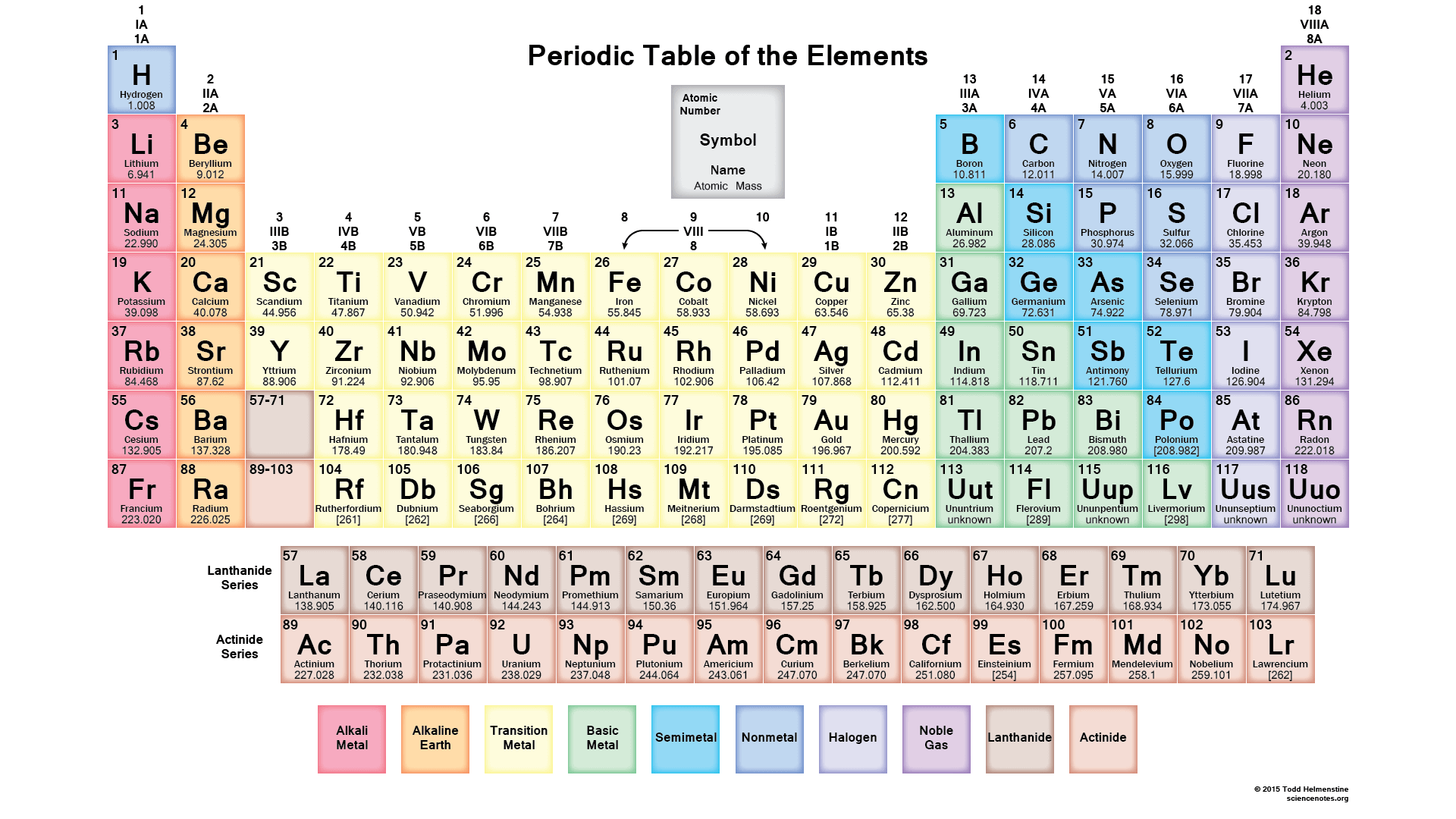
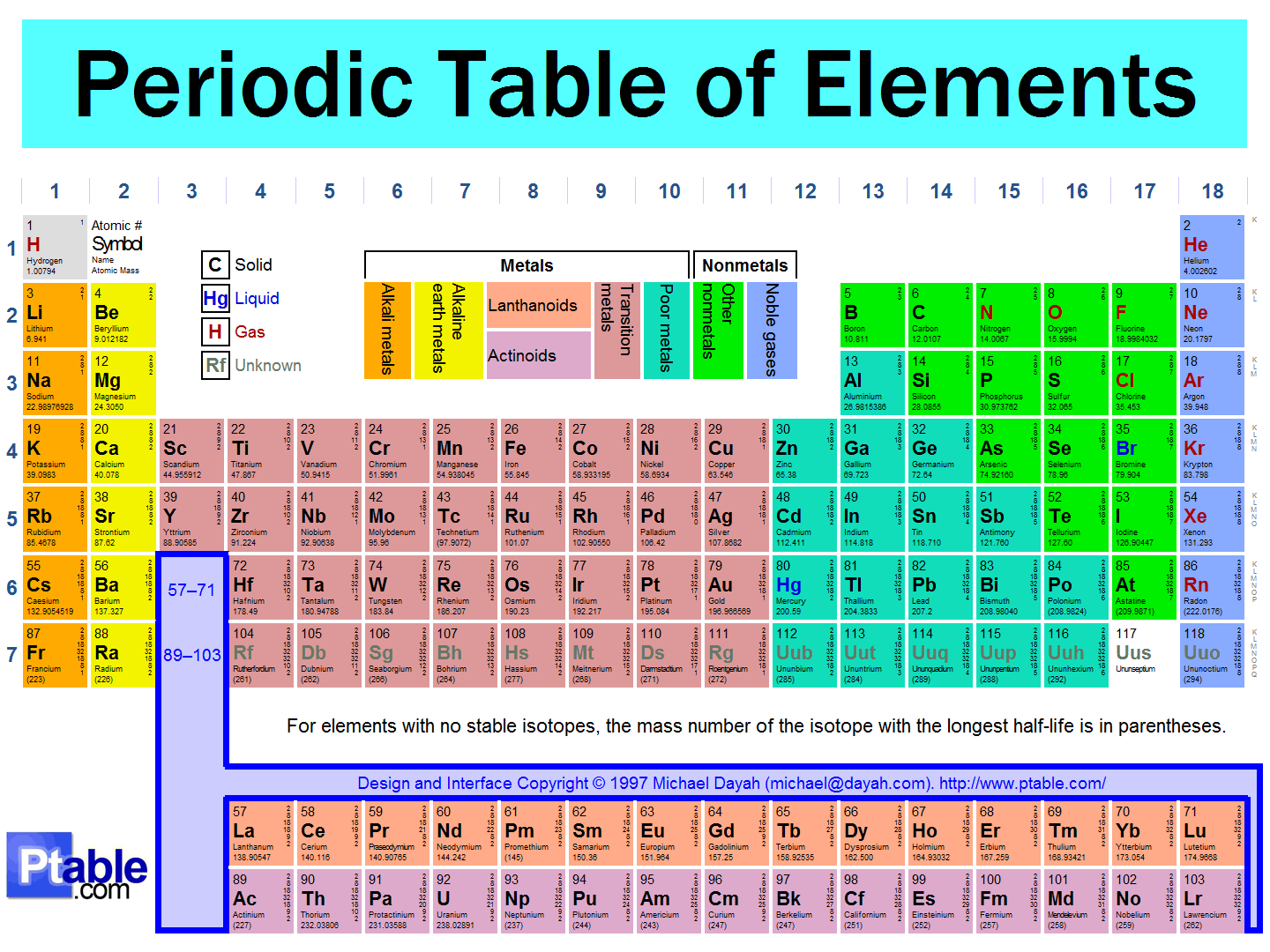
The vertical (up and down) columns in the Periodic Table are called

a)

groups

b)

towers

c)

periods

d)

atomic numbers

44.
The Modern Periodic Table of Elements is arranged by
a)
atomic mass
b)
atomic number
c)
valence electrons
d)
number of isotopes
45.
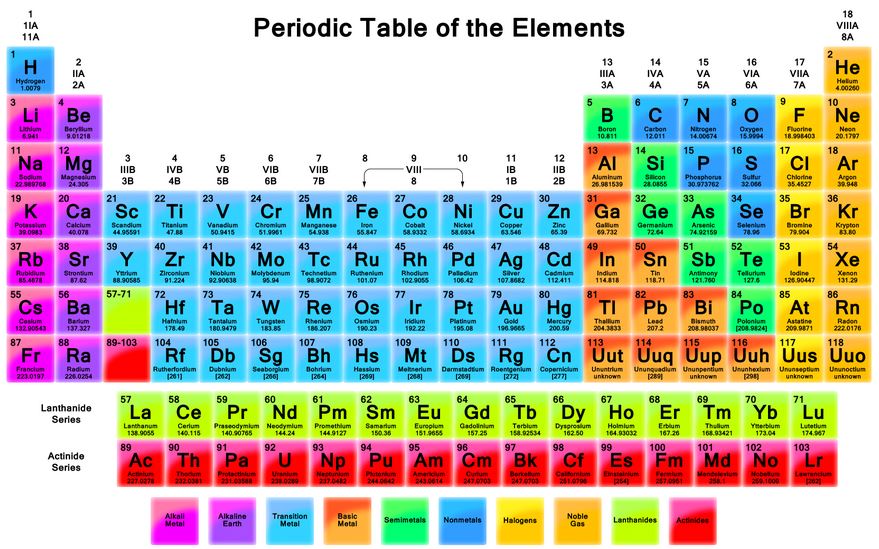
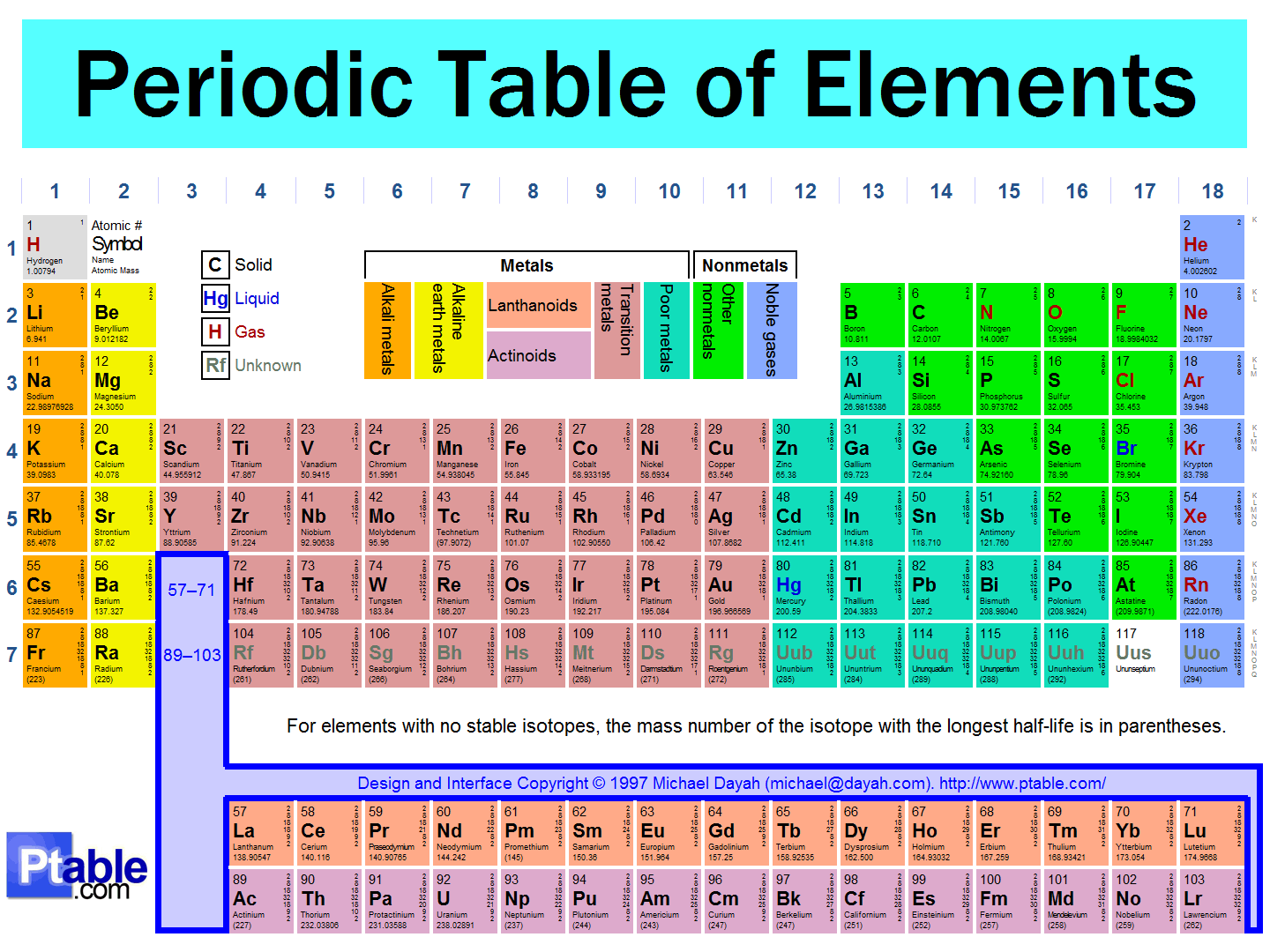
Sodium (Na) is found in period 
a)
3
b)
2
c)
4
d)
1
46.
Sodium (Na) is found in group 
a)
1
b)
2
c)
3
d)
4
47.
The atomic number tells you what?  READ THE ANSWERS CAREFULLY
a)
only the number of electrons
b)
 only the number of protons
c)
only the number of neutrons
d)
the number of both electrons and protons in an atom.
48.
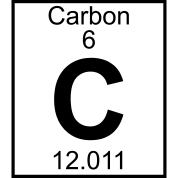
What does the 6 represent?
a)
atomic mass
b)
atomic number
c)
element name
d)
chemical symbol 
49.
What does 12.011 represent?
a)
atomic mass
b)
atomic number
c)
element name
d)
chemical symbol 
50.
What does the C represent?
a)
atomic mass
b)
atomic number
c)
element name
d)
chemical symbol 
51.
These are found on the Periodic Table.
a)
Compounds
b)
Elements
c)
Mixtures
52.

The horizontal (side to side) rows in the Periodic Table are called

a)

groups

b)

families

c)

periods

d)

atomic numbers

53.
Which has the greater EN: 
Cl or Al?
a)
Cl
b)
Al
54.
Which has the greater EN: 
N or C?
a)
C
b)
N
55.
Which has the greater EN: 
H or F?
a)
H
b)
F
56.
Which of the following will have a larger radius than Zinc?
a)
Gallium
b)
Aluminum
c)
Magnesium
d)
Strontium
57.
Which of the following will have a higher electronegativity than arsenic (As)?
a)
Carbon (C)
b)
Neon (Ne)
c)
Antimony (Sb)
d)
Germanium (Ge)
58.
Which of the following will have a lower ionization energy than Scandium (Sc)?
a)
Helium (He)
b)
Titanium (Ti)
c)
Calcium (Ca)
d)
Magnesium (Mg)
59.
As atoms of elements in group 16 are considered in order from top to bottom, the electronegativity of each successive element....
a)
decreases
b)
increases
c)
remains the same
d)
none of the above
60.
Which atom has the largest atomic radius?
a)
potassium
b)
rubidium 
c)
francium
d)
cesium
61.

As you move down the periodic table atoms (atomic radius) get bigger. This is because ____________.

a)

The atoms have more mass.

b)

The atoms have more protons.

c)

The atoms have more energy levels

d)

The atoms have more nuetrons

62.

As you move across the periodic table atoms (atomic radius) tend to get smaller because, ______________.

a)

the atoms have more mass.

b)

the atoms have less mass

c)

the atoms have more protons.

d)

the atoms have less electrons.

63.
Atoms that have a high electronegativity, _______________.
a)
give up their electrons more easily.
b)
hold on to their electrons more tightly.
c)
have more electron shells.
64.
The atom with the largest atomic radius in Group 18 is - 
a)
Ar
b)
He
c)
Kr
d)
Rn
65.
Which statement correctly and completely identifies a trend?
a)
Atomic radius decreases across a period and increases down a group.
b)
Electronegativity decreases across a period and decreases down a group.
c)
Ionization energy increases across a period and increases down a group.
d)
Ionic radius increases across a period and increases down a group.
66.
The element with the largest electronegativity in the halogens is - 
a)
At
b)
F
c)
Cl
d)
Br
67.

The element with the lowest electronegativity in Period 3 is -

a)

Na

b)

Cl

c)

Ar

d)

Mg

68.
Which periodic group has the smallest atomic radius?
a)
Alkali metals
b)
Halogens
c)
Noble Gases
d)
Transition metals