
 Worksheets
Periodic Table Exhaustive
Total questions: 40
Worksheet time: 36mins
Name
Class
Date
1.
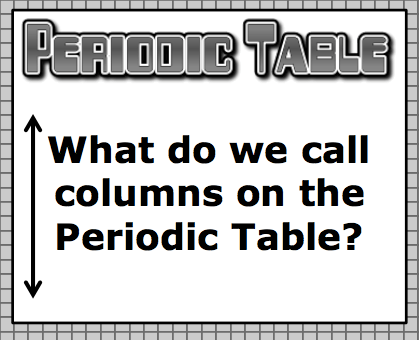
a)
Periods
b)
Groups
2.
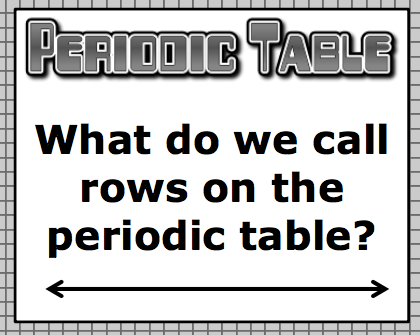
a)
Periods
b)
Groups
3.
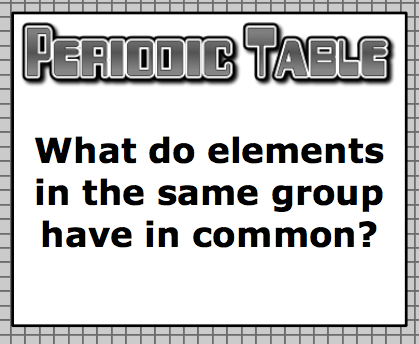
a)
energy levels
b)
valence electrons
c)
protons
d)
neutrons
4.
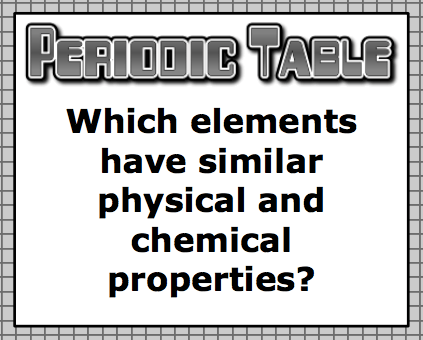
a)
Same group
b)
Same period
5.
a)
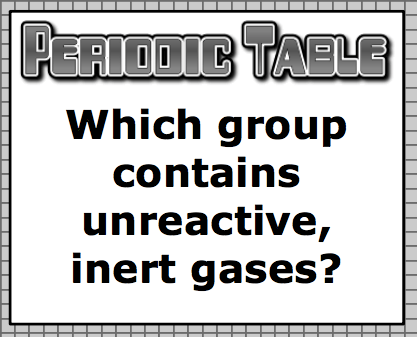
Group 1
b)
Group 17
c)
Group 2
d)
Group 18
6.
a)
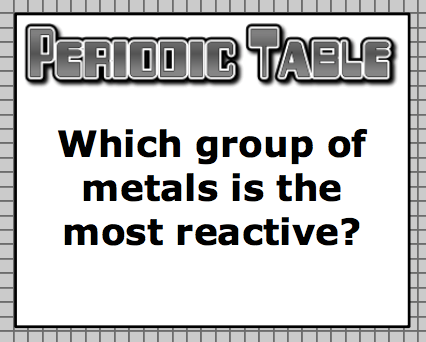
Group 1
b)
Group 17
c)
Group 18
d)
Group 2
7.
a)
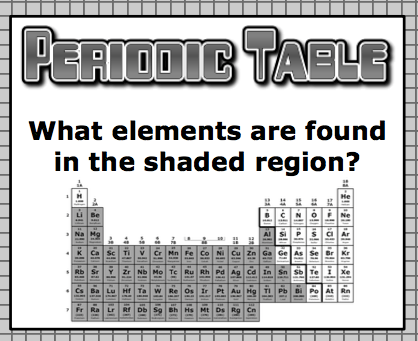
Metals
b)
Nonmetals
c)
Metalloids
8.
a)
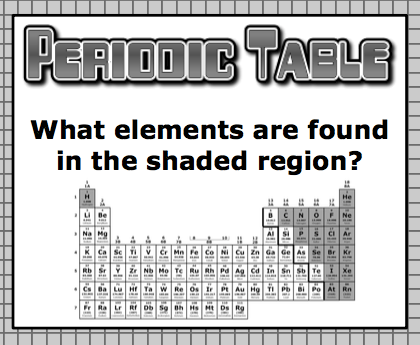
Metals
b)
Nonmetals
c)
Metalloids
9.

How did Mendeleev arrange the elements?
a)
alphabetical
b)
density
c)
melting point
d)
atomic mass
10.
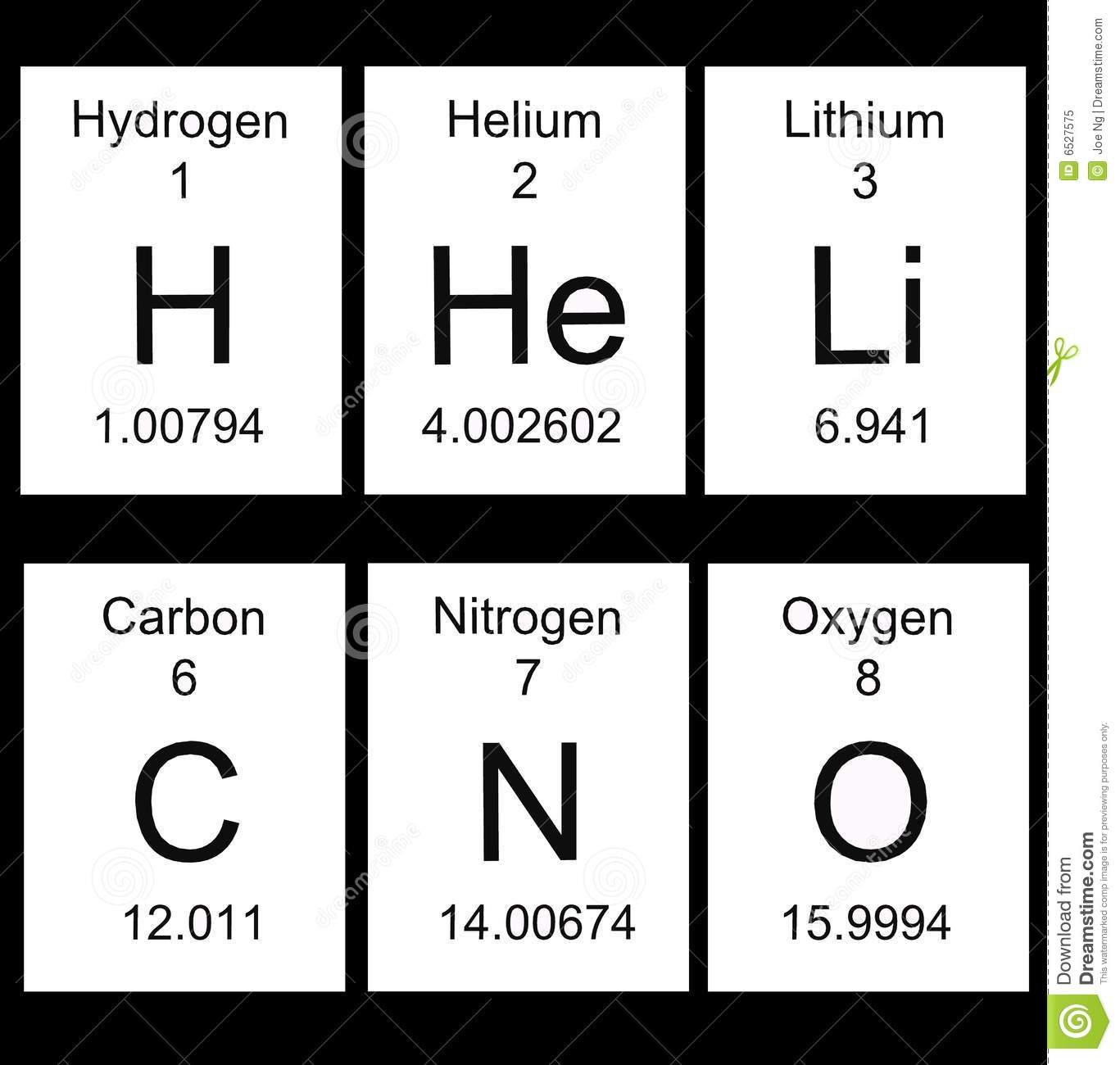
The number at the top of each square on the periodic table is the ...
a)
atomic number
b)
atomic mass
c)
Chemical Symbol
d)
Element Name
11.
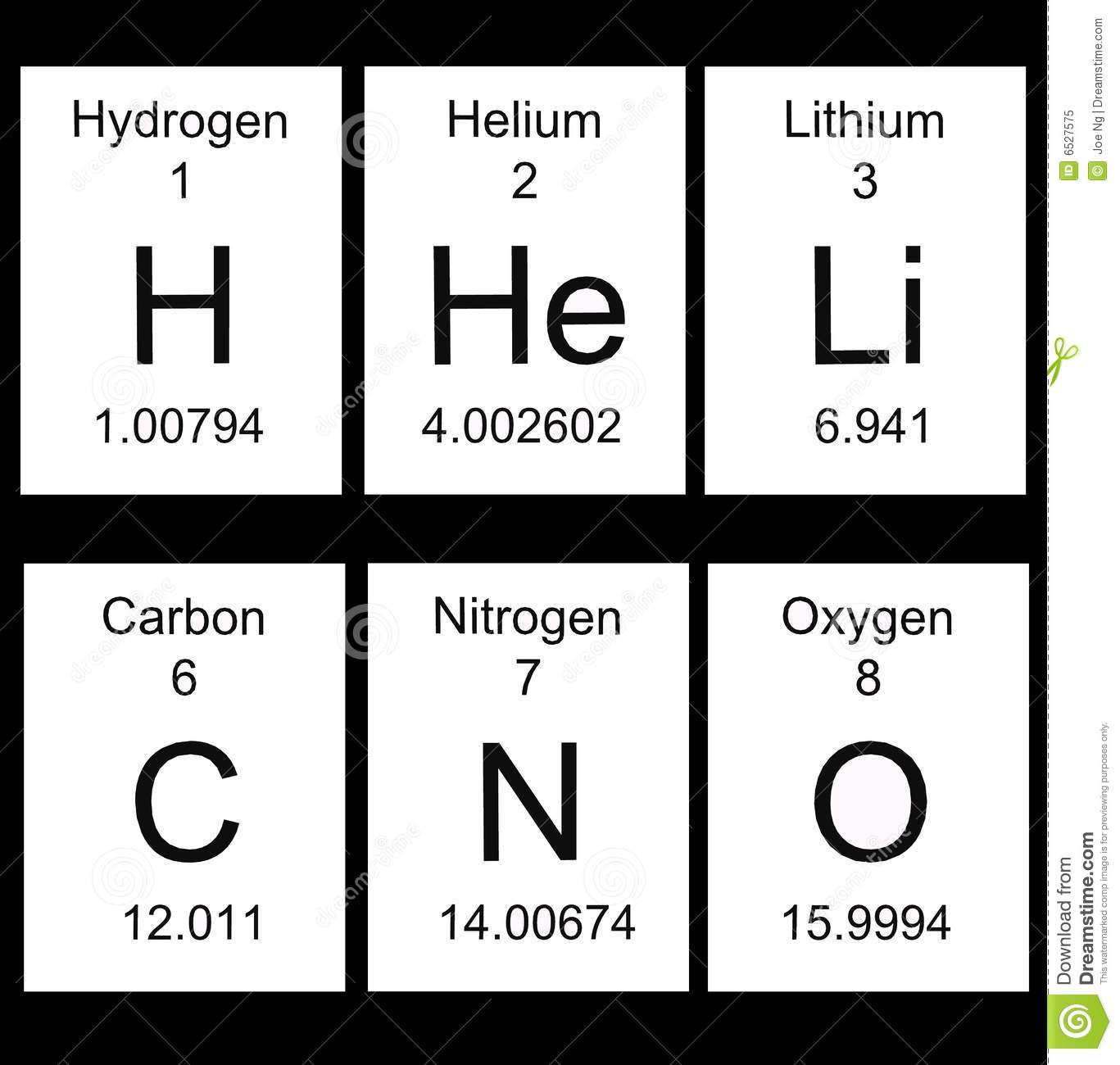
What is the chemical symbol for Lithium?
a)
H
b)
He
c)
Li
d)
N
12.
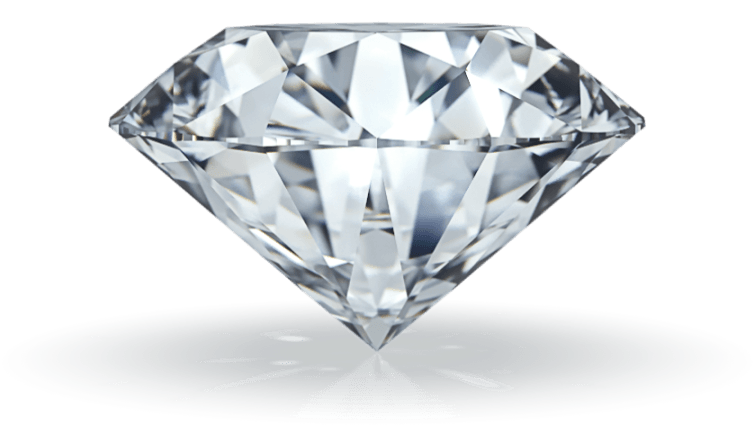
Diamonds are a pure form of what element?
a)
Carbon
b)
Oxygen
c)
Silicon
d)
Silver
13.
The atomic number tells you what?
a)
number of electrons
b)
number of protons
c)
number of neutrons
d)
both electrons and protons in an atom.
14.
Which is a halogen?
a)
Helium
b)
Chlorine
c)
Oxygen
d)
Neptune
15.
A proton is....
a)
A negatively charged subatomic particle
b)
A positively charged subatomic particle
c)
A neutrally charged subatomic particle
d)
The only subatomic particle located in the nucleus
16.
A neutron has a charge of
a)
+2
b)
No charge
c)
-1
d)
+1
17.
How many Valance electrons does Iodine Have?
a)
6
b)
16
c)
7
d)
17
18.
An element's identity is determined by the number of
a)
electrons.
b)
protons.
c)
neutrons.
d)
valence.
19.
Group 18 elements are known as the _____ _____ and have full valence shells.
a)
royal gases.
b)
supreme solids.
c)
noble gases.
d)
legit liquids.
20.
How many electrons do atoms need to be stable?
a)
1
b)
2
c)
6
d)
8
21.
What is the atomic number?
a)
the number of protons
b)
the number of protons and neutrons
c)
the number of neutrons
d)
the number of protons and electrons
22.
What is the mass number defined as?
a)
the number of protons
b)
the number of protons and neutrons
c)
the number of neutrons
d)
the number of protons and electrons
23.
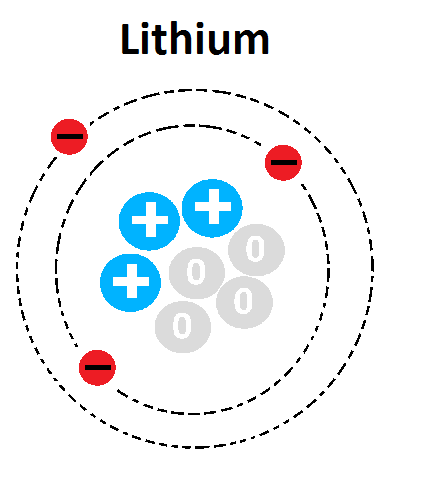
What is the atomic number of this atom?
a)
1
b)
3
c)
4
d)
7
24.
An element has the mass number 12 and atomic number 6. The number of neutrons in it is:
a)
6
b)
10
c)
4
d)
8
25.
What subatomic particles would you find in the nucleus of an atom?
a)
Protons only
b)
Protons and Neutrons
c)
Neutrons and Electrons
d)
Protons and Electrons
26.
What quantities vary between isotopes of an element?
a)
protons, electrons, and atomic mass
b)
protons, electrons, and atomic number
c)
neutrons and electrons
d)
neutrons and atomic mass
27.
Which consists of carbon atoms?
a)
graphite
b)
diamond
c)
fullerene
d)
all of these
28.

Define the term allotropes
a)
Atoms with same proton number but different number of neutrons
b)
Atoms with same proton number but different mass number
c)
Atoms in different arrangement in structure
d)
Atoms in different arrangement and different physical form
29.
Where are the"Halogens" located in periodic table?
a)
In 1A group
b)
In 2A group
c)
In 7A group
d)
In 8A group
30.
в переводе с греческого галоген обозначает
a)
рождающий соль
b)
рождающий кислоту
c)
рождающий щелочь
d)
рождающий оксид
31.
Where are Halogens located on the periodic Table?
a)
Left Side
b)
Right Side
c)
Bottom
d)
Top
32.
Which of these is not a noble gas?
a)
Helium
b)
Argon
c)
Nitrogen
d)
Krypton
33.
What is the difference between an allotrope and an isotope?
a)
Allotropes refer to different arrangements of atoms in a compound. Isotopes refer to a change in the number of neutrons in an atom.
b)
Allotropes refer to Carbon compounds with identical structures. Isotopes refer to a change in the number of electrons in an atom.
c)
Allotropes refer to Carbon compounds with identical structures. Isotopes refer to a change in the number of protons in an atom.
d)
Allotropes refer to different arrangements of atoms in a compound. Isotopes refer to a change in the number of neutrons and electrons in an atom.
34.
Which side of a chemical equation is the reactant side?
a)
Left (before the yields sign)
b)
Right (after the yields sign)
35.
Which problem is balanced?
a)
PbO2 + 2H2
b)
SO2 + H20 --> H2SO4
c)
2Na + 2H2O --> 2NaOH + H2
36.
What is a coefficient?
a)
The small number on the right of the chemical symbol.
b)
The large number to the left of a formula.
37.
Which side of a chemical equation os the product side?
a)
Left (before the yields sign)
b)
Right (after the yields sign)
38.
Balance this equation:
2Li + Cl2 -> LiCl
2Li + Cl2 -> LiCl
a)
2Li + Cl2 -> 4LiCl2
b)
2Li + Cl2 -> LiCl2
c)
2Li + Cl2 -> 2LiCl
39.
Balance this equation:
MgCl2 --> Mg4+ Cl2
MgCl2 --> Mg4+ Cl2
a)
It's already balanced.
b)
4MgCl2 --> Mg4+ 4Cl2
c)
4MgCl2 --> Mg4+ 5Cl2
40.
Balance this equation
_Al +_HCl --> _H2 +_AlCl3
_Al +_HCl --> _H2 +_AlCl3
a)
2, 6, 3, 2
b)
it is already balanced
c)
4, 12, 3, 4
d)
2, 1, 4, 5
100 %

