Wayground logo

Free Printable Worksheets

Font size

S
M
L
XL
Worksheets

Bio Unit 1 Review

Total questions: 37

Worksheet time: 36mins

Name
Class
Date
1.
Enzymes are considered to be 
a)
Lipids
b)
Carbohydrate
c)
Protein
d)
Nucleic Acid
2.
What is the purpose  of an enzyme?
a)
give permission for the reaction
b)
raise activation energy
c)
speed up reactions
d)
control how many reactions occur
3.
Enzymes are capable of increasing the rate of a chemical reaction within a living cell.  Enzymes accomplish this through which of the following means?
a)
reducing the number of products   
b)
reducing the activation energy
c)
increasing the temperature of the cell
d)
increasing the concentration of reactants 
4.
What is structure D?
a)
Substrate
b)
Active site
c)
Enzyme
d)
Products
5.
What 3 letters do enzymes typically end in?
a)
-ose
b)
-ase
c)
-ese
d)
-tic
6.
Any substance that is acted upon by an enzyme is called a(n)?
a)
Coenzyme
b)
Substrate
c)
Vitamin
d)
Polypeptide
7.
After the enzyme and substrate bind together and perform the reaction, what does the substrate become?
a)
a substrate
b)
an enzyme
c)
a product
d)
an active site
8.
The chewing and grinding of food into smaller pieces is an example of...
a)
Mechanical Digestion
b)
Chemical Digestion
9.
Bile is made by which digestive organ?
a)
Gallbladder
b)
Stomach
c)
Rectum
d)
Liver
10.
Which digestive organ makes digestive juices to help the small intestine absorb nutrients?
a)
Liver
b)
Gallbladder
c)
Pancreas
d)
Esophagus
11.
Nutrients from digested food are absorbed in which digestive organ?
a)
Small Intestine
b)
Stomach
c)
Large Intestine
d)
Gallbladder
12.
Which of the following is NOT part of the digestive tract?  (Hint:  Identify the secondary organ.)
a)
Mouth
b)
Esophagus
c)
Small Intestine
d)
Liver
13.
Which organ pushes food down to the stomach?
a)
Mouth
b)
Esophagus
c)
Rectum
d)
Large intestine
14.
As waste moves through the digestive system, the ______ absorbs water before storing waste in the rectum.
a)
Small intestine
b)
Stomach
c)
Esophagus
d)
Large intestine
15.
Bile is stored in which secondary digestive organ?
a)
Stomach
b)
Liver
c)
Gallbladder
d)
Pancreas
16.
Most chemical digestion takes place in which organ?
a)
Stomach
b)
Small intestine
c)
Rectum
d)
Esophagus
17.
Enzymes (chemicals) in your saliva help break down food while chewing.  This is...
a)
Mechanical digestion
b)
Chemical digestion
18.
Most chemical digestion takes place in which organ?
a)
Stomach
b)
Small intestine
c)
Rectum
d)
Esophagus
19.
Where does digestion begin?
a)
Mouth
b)
Esophagus
c)
Stomach
d)
Small Intestine
20.
What parts of the digestive system help with mechanical digestions?
a)
Esophagus and Small Intestine
b)
Mouth and Stomach
c)
Liver and Gallbladder
d)
Rectum and Anus
21.
What is the correct order of digestion?
a)
Mouth - pharynx - stomach - esophagus - L.I. - S.I. - anus - rectum
b)
Pharynx - mouth - esophagus - stomach - gall bladder - S.I. - rectum - anus - L.I.
c)
Mouth - pharynx - pancreas - stomach - rectum - gall bladder - S.I. - rectum - anus
d)
Mouth - pharynx - esophagus - stomach - S.I. - L.I. - rectum - anus
22.

Which biomolecule is made of amino acids?

a)

Proteins

b)

Nucleic Acids

c)

Lipids

d)

Carbohydrates

23.
This nucleotide is a monomer (building block) of which biomolecule?
a)
Protein
b)
Nucleic Acid
c)
Lipid
d)
Carbohydrate
24.

Which biomolecule is this a picture of? (Hint: it has a 3 fatty acids)

a)

Protein

b)

Nucleic Acid

c)

Lipid

d)

Carbohydrate

25.

Which biomolecule is this a picture of? (Hint: it is used for quick energy!)

a)

Protein

b)

Nucleic Acid

c)

Lipid

d)

Carbohydrate

26.

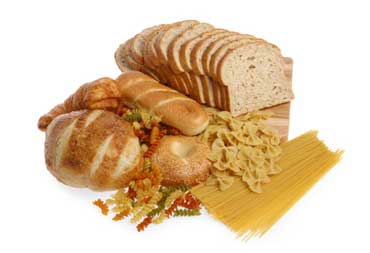
Which biomolecule is found in pastas and breads? (Hint: it is a polysaccharide)

a)

Lipid

b)

Protein

c)

Nucleic Acids

d)

Carbohydrates

27.
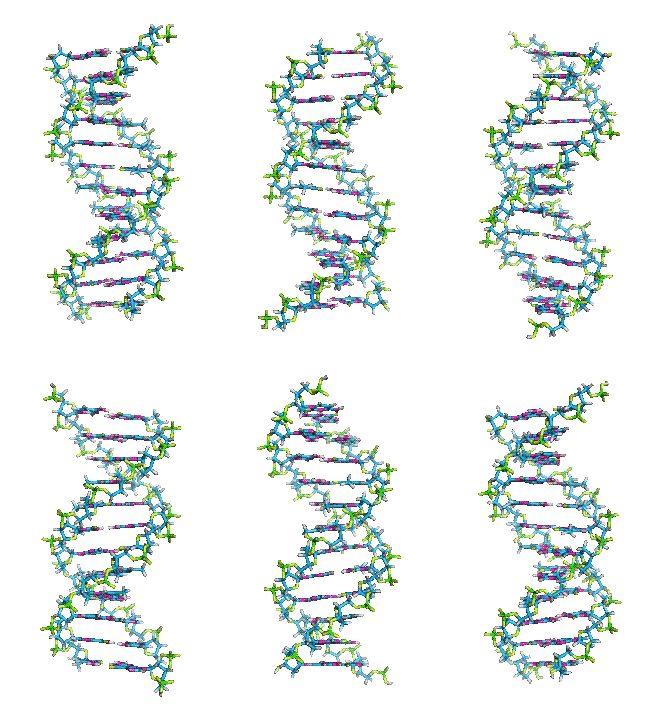
Which biomolecule is made of nucleotides and include your DNA? (Hint: they carry genetic information)
a)
Carbohydrate
b)
Lipids
c)
Protein
d)
Nucleic Acid
28.
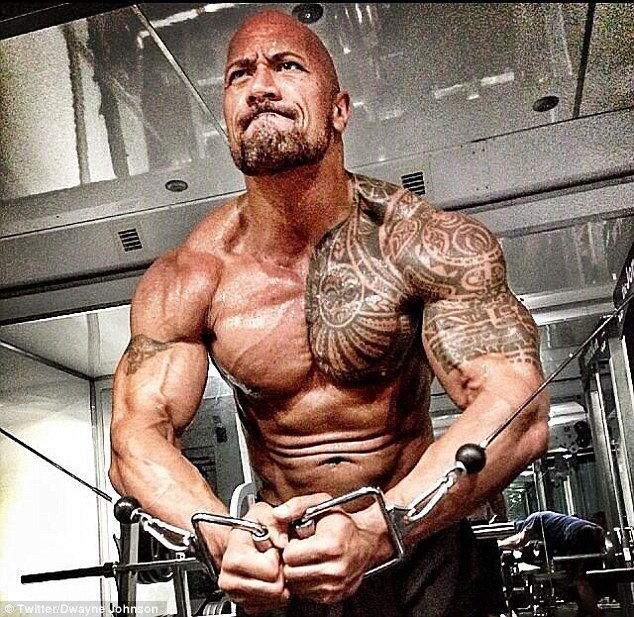
Which biomolecule helps form muscles? 
a)
Nucleic Acid
b)
Carbohydrates
c)
Protein
d)
Lipids
29.

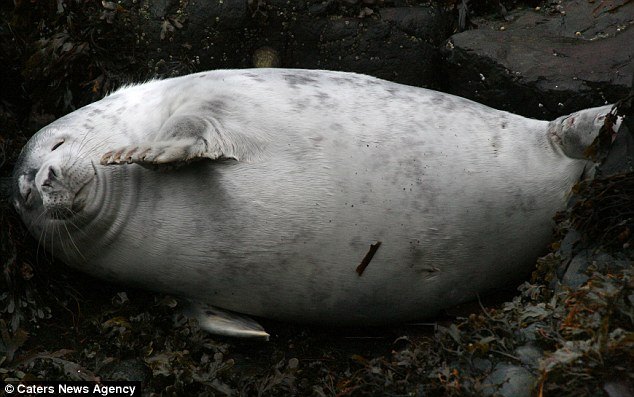
Which biomolecule is responsible for LONG term energy storage?

a)

Proteins

b)

Nucleic Acids

c)

Lipids

d)

Carbohydrates

30.

Which biomolecule includes sugars and starches?

a)

Lipids

b)

Proteins

c)

Carbohydrates

d)

Nucleic Acids

31.
Which biomolecule group includes fats, oils, and waxes?
a)
Proteins
b)
Nucleic Acid
c)
Lipids
d)
Carbohydrate
32.

Glucose is an example of a:

a)

Carbohydrate

b)

Lipid

c)

Protein

d)

Nucleic acid

33.

Lipids are composed of:

a)

Monosaccharides

b)

Aminoacids

c)

Fatty acid chains

d)

Nucleotides

34.

This lipids has a head and two tails.

a)

Phospholipid

b)

Nucleotide

c)

Steroids

d)

Amino Acid

35.

This element makes molecules organic.

a)

Oxygen

b)

Hydrogen

c)

Carbon

d)

Sulfur

36.

The 3 elements found in carbohydrates are

a)

Carbon, Oxygen, and Nitrogen

b)

Carbon, Hydrogen, and Oxygen

c)

Carbon, Oxygen, and Phosphorus

d)

Carbon, Hydrogen, and Posphorus

37.

Which element is not considered common for life?

a)

Carbon

b)

Hydrogen

c)

Sulfur

d)

Sodium