wayground logo

Free Printable Worksheets

Font size

S
M
L
XL
Worksheets

Atomic Structure Test Review

Total questions: 130

Worksheet time: 4hrs 13mins

Name
Class
Date
1.
Which particle has a positive charge?
a)
electron
b)
orbital
c)
proton
d)
neutron
2.
Choose the particle that has no charge.
a)
nucleus
b)
neutron
c)
proton
d)
electron
3.
This particle determines what element you have - the elements identity.
a)
electron
b)
proton
c)
neutron
d)
valence shell
4.
An electron has a _____ charge.
a)
negative
b)
positive
c)
neutral
5.
Describe an Electron Cloud?
a)
the mist outside of an atom
b)
home of the protons
c)
where electrons are located
d)
nucleus
6.
Which particles make up the nucleus of an atom?
a)
protons and neutrons
b)
electrons and protons
c)
electrons, protons, and neutrons
d)
electrons and neutrons
7.
The particles of the atom you can find by knowing the atomic number.
a)
neutrons
b)
protons and electrons
c)
protons and neutrons
d)
atomic mass
8.
What charge does the nucleus have and why?
a)
positive - the neutrons do not have a charge
b)
positive - the neutrons and protons are positively charged particles
c)
neutral - the neutral charge dominates the positive charge
d)
neutral - electrons cancel out the positive charge of the atom
9.
What is the mass number and name of an element with 8 protons and 8 neutrons?
a)
16 - Carbon
b)
16 - Oxygen
c)
24 - Oxygen
d)
8 - Neon
10.
An element with a mass number of 10 and an atomic number of 6 has how many protons?
a)
5
b)
8
c)
6
d)
10
11.
An element with a mass number of 11 and an atomic number of 5 has how many neutrons?
a)
11
b)
5
c)
6
d)
16
12.
An atom has 10 protons, 15 neutrons and 10 electrons what is its mass number.
a)
20
b)
10
c)
5
d)
25
13.
An atom has 13 protons, 15 neutrons and ___ electrons what is its mass number?
a)
13
b)
26
c)
28
d)
15
14.
True or False - Protons and Neutrons have about the same mass.
a)
True - They have about the same mass
b)
False - They do not have about the same mass
15.
The subatomic particles in blue are...
a)
Neutrons
b)
Protons
c)
Electrons
16.
The subatomic particles in green are...
a)
Protons
b)
Neutrons
c)
Electrons
17.
The subatomic particles in red are
a)
Electrons
b)
Neutrons
c)
Protons
18.
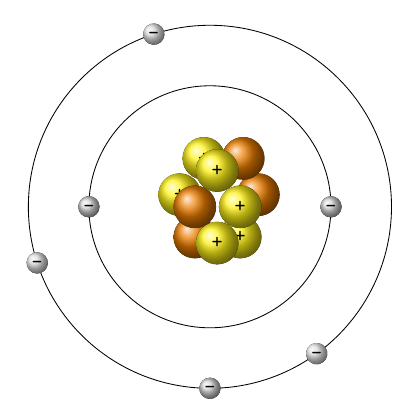
How many electron shells/levels does this atom have?
a)
1
b)
2
c)
3
d)
4
19.
How many protons does this atom have?
a)
3
b)
6
c)
4
d)
2
20.
How many electrons does this picture show?
a)
4
b)
5
c)
6
d)
3
21.
What is the number of protons that the element in this image contain?
a)
14
b)
7
c)
15
d)
18
22.
If an atom has 10 protons, 10 neutrons, and 10 electrons, what is the mass of the atom?
a)
10
b)
20
c)
30
23.
If an atom has 12 positively charged subatomic particles, which of the following must it also have to be considered a neutral atom?
a)
12 neutrons
b)
12 electrons
c)
12 protons
d)
24 protons and neutrons
24.
What is the chemical symbol for Chlorine
a)
C
b)
Cl
c)
Ch
d)
Ce
25.
What element contains 26 protons?
a)
Iron
b)
Sodium
c)
Aluminum
d)
Helium
26.
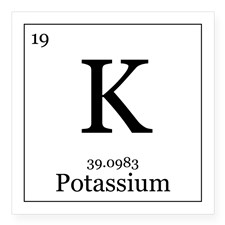
How many neutrons are in the atom "K"?
a)
7
b)
2
c)
39
d)
20
27.
An element is a
a)
pure substance
b)
compound
c)
mixture
d)
molecule
28.

How many electrons can the second energy level hold

a)

2

b)

8

c)

18

d)

16

29.

Chlorine has atomic number 17 and mass number 35. It has

a)

17 protons, 17 electrons, and 18 neutrons

b)

35 protons, 35 electrons, and 17 neutrons

c)

17 protons, 17 electrons, and 52 neutrons

d)

18 protons, 18 electrons, and 17 neutrons

30.

What is the atomic number of silicon (Si)?

a)

42

b)

28

c)

14

d)

17

31.
True or False? Neutrons have a negative charge
a)
True
b)
False
32.
What is the atomic number for an element with three protons?
a)
2
b)
1
c)
3
d)
6
33.
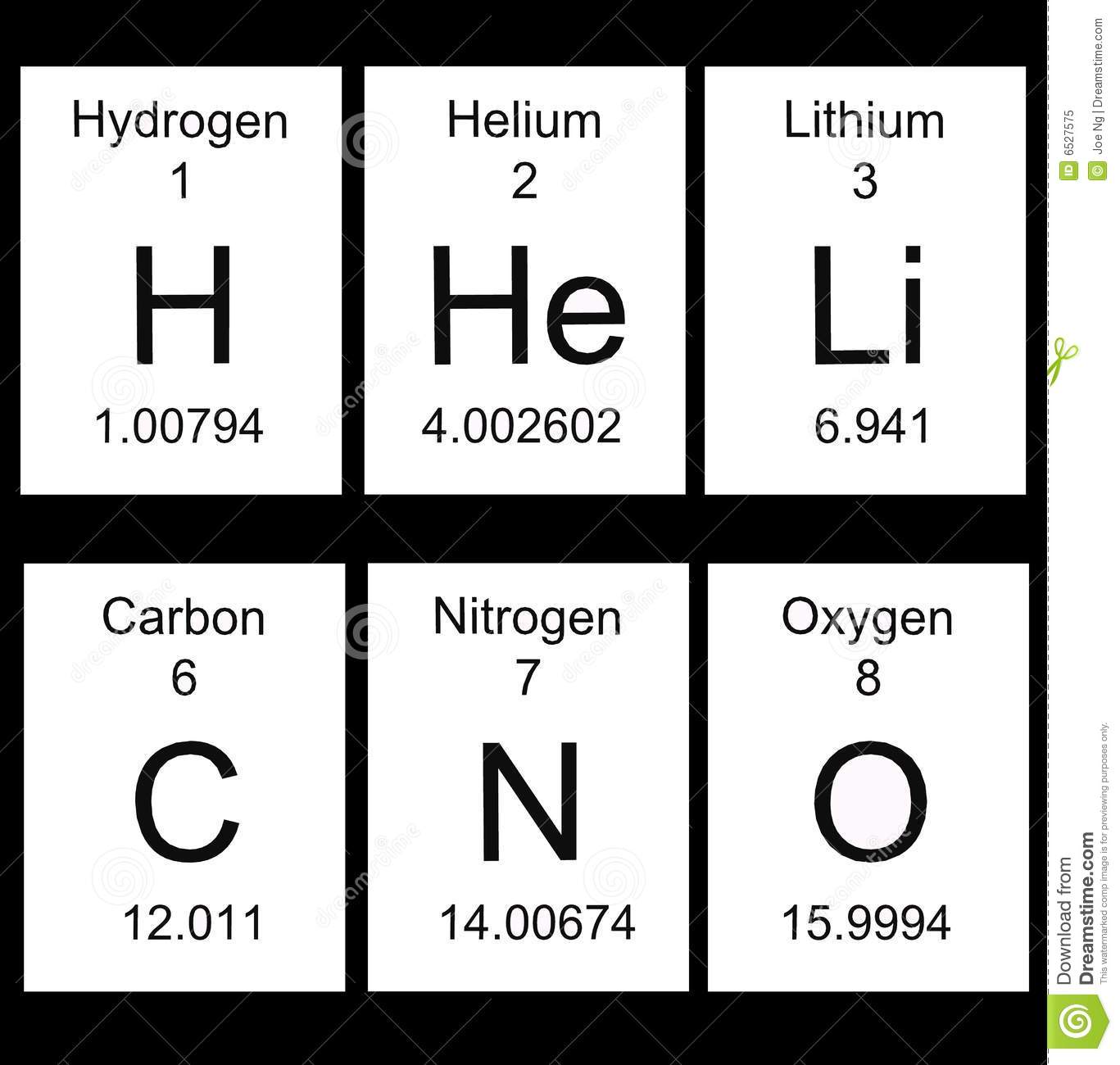
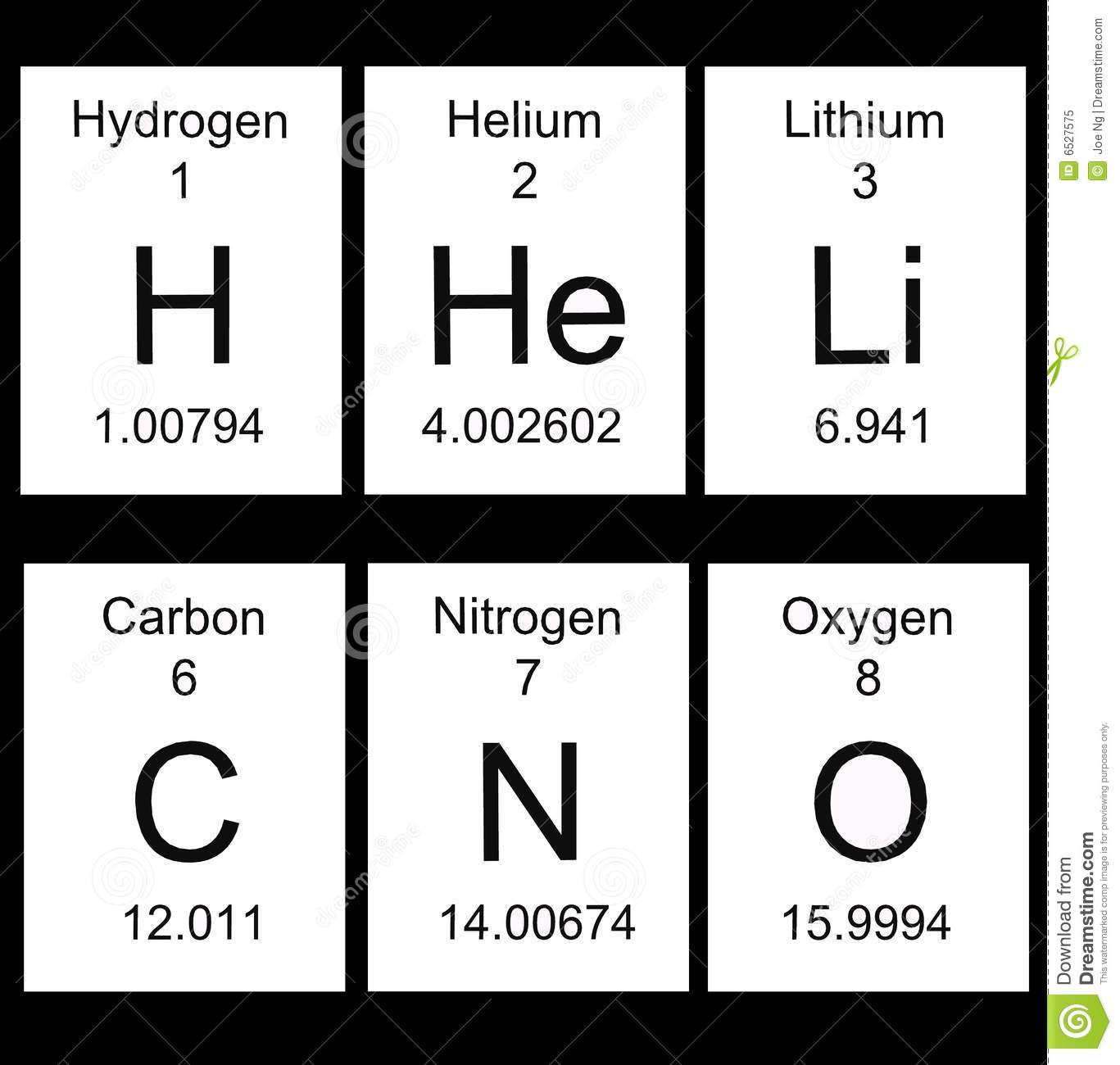
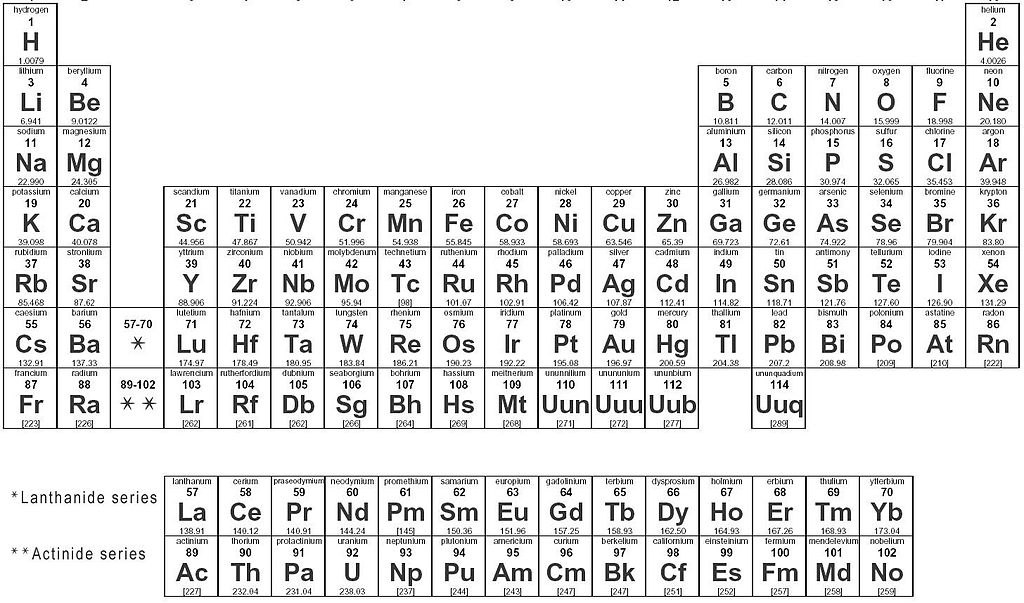
What does the 1.00794 stand for?
a)
Hydrogen
b)
atomic number
c)
atomic mass
d)
atomic explosion
34.
The number at the bottom of each square on the periodic table is the ...
a)
atomic number
b)
atomic mass
c)
chemical symbol
d)
element name
35.
The number at the top of each square on the periodic table is the ...
a)
atomic number
b)
atomic mass
c)
Chemical Symbol
d)
Element Name
36.
What is the chemical symbol for Lithium?
a)
H
b)
He
c)
Li
d)
N
37.
How many neutron are in the atom "K"?
a)
7
b)
2
c)
39
d)
12
38.

How many protons does sulfur have?

a)

32

b)

16

c)

48

d)

12

39.

How many electrons does sulfur have

a)

16

b)

32

c)

48

d)

12

40.
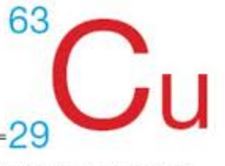
How many electrons does a Copper atom have?
a)
63
b)
29
c)
92
d)
34
41.
How many electrons does an atom of Krypton have?
a)
36
b)
83.80
c)
47.80
d)
119.80
42.
What is the atomic number for an element with 41 neutrons and a mass number of 80?
a)
39
b)
41
c)
80
d)
121
43.
How many protons are present in phosphorus-31
a)
15
b)
16
c)
31
d)
46
44.
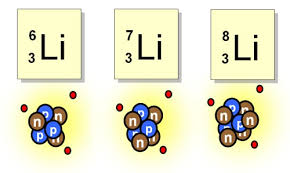
How many neutrons does this isotope of lithium have?
a)
8
b)
3
c)
4
d)
5
45.
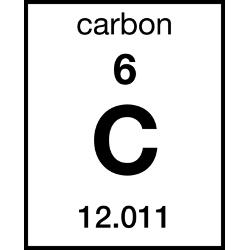
What does the 6 represent above the C
a)
Symbol 
b)
Name 
c)
Mass Number 
d)
Atomic Number 
46.
Atomic mass - Atomic Number =
a)
protons
b)
neutrons
c)
electrons
d)
Average Mass
47.
A neutral atom of the element sodium has 11 protons and ____ electrons.
a)
22
b)
23
c)
8
d)
11
48.
How many protons are in this element?
a)
79
b)
196
c)
117
d)
Cannot be determined
49.
How many protons are in Zirconium (Zr) ?
a)
40
b)
91
c)
30
d)
65
50.
How many neutrons are in Mercury (Hg) ?
a)
200
b)
80
c)
121
d)
72
51.
How many electrons are in Bromine (Br) ?
a)
35
b)
80
c)
5
d)
11
52.
Which element has 31 protons ?
a)
Gallium 
b)
Germanium
c)
Gadolinium
d)
Polonium
53.
Which element has 56 electrons ?
a)
Barium
b)
Boron
c)
Beryllium
d)
Bromine
54.
Which element has 12 neutrons ?
a)
Magnesium
b)
Sodium
c)
Silicon
d)
Sulfur
55.
Which element has 73 protons ?
a)
Titanium
b)
Tantulum
c)
Thallium
d)
Thorium
56.
Which element has 4 neutrons ?
a)
Beryllium
b)
Lithium
c)
Lawrencium
d)
Lanthanum
57.
Which element has 30 neutrons and 26 electrons?
a)
Iron
b)
Nickel
c)
Zinc
d)
Silver
58.
Which element has the most protons?
a)
Ca
b)
N
c)
H
d)
C
59.
How many neutrons in C-14?
a)
6
b)
7
c)
14
d)
8
60.
How many neutrons does uranium-235 have?
a)
238
b)
92
c)
146
d)
143
61.
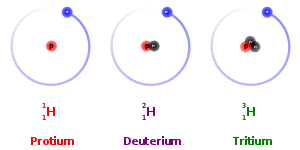
What do these isotopes of carbon all have in common?
a)
neutrons & mass number
b)
atomic number and neutrons
c)
atomic number and electrons
d)
protons, atomic number, and mass number
62.
In a correctly written symbol what would be located in the "A" position?
a)
number of neutrons
b)
atomic number
c)
number of electrons 
d)
mass number
63.
What element is this?  What is the mass number of this atom?
a)
sodium, 23
b)
magnesium, 23
c)
magnesium, 12
d)
sodium, 11
64.
What quantities vary between isotopes of an element?
a)
protons, electrons, and atomic mass
b)
protons, electrons, and atomic number
c)
neutrons and electrons
d)
neutrons and atomic mass
65.
which atom has  4 neutrons?
a)
Li-6
b)
Li-7
c)
Li-8
d)
they have the same # of neutrons
66.
What do carbon-12 and carbon-14 have in common?
a)
they have same number of protons
b)
they have the same number of neutrons
c)
they have the same atomic mass
d)
they have the same atomic weight
67.
How is carbon-12 different from carbon-14?
a)
They have a different number of protons
b)
they have a different number of electrons
c)
they have a different number of neutrons
d)
they are different elements
68.
What can you conclude about carbon-14 from its name?
a)
It has 14 electrons
b)
it has 14 neutrons
c)
it has 14 protons
d)
it has an atomic mass of 14 u
69.
How many neutrons does an atom of the isotope Oxygen-16 have?
a)
8
b)
16
c)
32
d)
4
70.
How many neutrons does an atom of the isotope Neon-22 have?
a)
12
b)
10
c)
22
d)
20
71.
How many neutrons does an atom of Nitrogen-13 have?
a)
6
b)
7
c)
13
d)
5
72.
Different isotopes have...
a)
different masses
b)
different atomic numbers
c)
different electrons
d)
different protons
73.
How many neutrons does a Sodium 24 isotope have?
a)
12
b)
13
c)
14
d)
15
74.
How many neutrons does a Carbon 13 atom have?
a)
6
b)
5
c)
7
d)
8
75.
How many neutrons does a Calcium 48 isotope have?
a)
16
b)
20
c)
28
d)
12
76.
What is an ion?
a)
A Charged Atom
b)
A Large Atom
c)
A Small Atom
d)
A Cute Atom
77.
An atom becomes _______ when it loses electrons.
a)
Positive
b)
Negative
c)
Neutral
d)
Invinsible
78.
An atom becomes _________ when it gains electrons.
a)
Positive
b)
Negative
c)
Neutral
d)
Invinsible
79.
If X is the symbol for an element, which of the following two symbols represent    isotopes of the same element?     I. 7735X  II. 7733X  III. 8137X  IV. 8135 X
a)
I and II
b)
III and IV
c)
I and IV
d)
I and III
80.
An atom is electrically neutral when
a)
protons and neutrons are the same
b)
protons and electrons are the same
c)
neutrons and electrons are the same
d)
neutrons balance the protons and electrons
81.
How many neutrons does the isotope below have?     89 36Kr
a)
53
b)
36
c)
89
d)
125
82.
If you gain 1 electron, your charge is ...
a)
1+
b)
1-
c)
Neutral
83.
When an element gains electrons...
a)
it becomes an anion
b)
it becomes a cation
c)
it becomes an ion
d)
Bad things happen
84.
When an element gives up electrons...
a)
it becomes an anion
b)
it becomes a cation
c)
it becomes an ion
d)
Good things happen
85.
If you lose 2 electrons, your charge is ...
a)
2+
b)
1-
c)
2-
86.
If you gain 3 electrons, your charge is ...
a)
3+
b)
3-
c)
2-
87.
How many total electrons does Mg+2 (a magnesium ion) have?
a)
10
b)
12
c)
14
d)
22
88.
How many total electrons does Na+1 (a sodium ion) have?
a)
10
b)
11
c)
12
d)
22
89.
Where are metals located on the periodic table?
a)
Blue
b)
Green
c)
Red
90.
Where are the nonmetals located on the periodic table? 
a)
Blue
b)
Red
c)
Green
91.
How does a Br atom form a Br- ion?
a)
A bromine atom loses an electron.
b)
A bromine atom gains and electron.
c)
A bromine atom loses a proton.
d)
A bromine atom gains a proton.
92.
How many electrons are in an S2- ion?
a)
10
b)
14
c)
16
d)
18
93.
How many electrons are in a Li+ ion?
a)
1
b)
2
c)
3
d)
4
94.
Which is the correct symbol for the element with 8 protons and 10 electrons?
a)
N3-
b)
O2-
c)
O3-
d)
F-
95.
Ions form when 
a)
the number of protons equal the number of electrons
b)
protons are lost.
c)
neutrons are gained.
d)
gaining or losing electrons.
96.

What is the overall net charge of an ion that has 12 protons, 10 electrons and 14 neutrons?

a)

2+

b)

2-

c)

4-

d)

4+

97.

An ion that consists of 7 protons, 6 neutrons and 10 electrons has a net charge of

a)

4+

b)

3+

c)

3-

d)

4-

98.

The table shows the number of protons, neutrons, and electrons in four ions. Which ion has a charge of 1+?

a)

A

b)

E

c)

G

d)

J

99.
Although carbon's three isotopes are carbon-12, carbon-13, and carbon-14, its average atomic mass is 12.01 because
a)
Carbon-12 is the heaviest isotope
b)
Carbon-12 is the most useful to humans
c)
Carbon-12 is the most common isotope
100.
A neutral atom would become an ion that has a charge of 2+ by 
a)
Losing two protons
b)
Losing two neutrons
c)
Losing two electrons
101.
Where are the non-metallic elements found in the periodic table?
a)
In the middle
b)
In the top rows
c)
On the left-hand side
d)
On the right-hand side
102.
The list which contains only metals is .......
a)
aluminium, copper, nitrogen
b)
iron, oxygen, hydrogen
c)
iron, silver, aluminium
d)
iron, sulphur, copper
103.
The correct way to write the symbol for the metal chromium is .......
a)
Ch
b)
CH
c)
Cr
d)
CR
104.
The list which best describes the properties of metals is .......
a)
strong, good conductor of heat and electricity, solid
b)
strong, poor conductor of heat and electricity, shiny
c)
weak, ductile, good conductor of heat and electricity
d)
weak, low melting point, poor conductor of heat
105.
What does malleable mean?
a)
able to bend
b)
will break easily
c)
can be used for wire
d)
is shiny
106.
What does ductile mean?
a)
electricity flows easily
b)
quacks like a duck
c)
can be drawn into a wire
d)
able to bend
107.
What side of the periodic table are nonmetals on?
a)
left
b)
right 
c)
top
d)
bottom
108.
Is oxygen metal or nonmetal?
a)
metal
b)
nonmetal
109.
Is gold metal or nonmetal?
a)
metal
b)
nonmetal
110.
What do metals conduct?
a)
heat
b)
electricity
c)
both
d)
neither
111.
All of these properties describe metals EXCEPT...
a)
malleable
b)
conductors
c)
brittle 
d)
luster
112.
How would this element be classified?
a)
Metal
b)
Nonmetal
c)
Metalloid
d)
Metamorphic
113.
Silicon is a semiconductor and has properties of both metals and nonmetals. What type of element is Silicon? 
a)
Metal
b)
Nonmetal
c)
Metalloid
d)
Pretty
114.
Which of the following elements is a metal?
a)
calcium
b)
chlorine
c)
iodine
d)
oxygen
115.
Which is a property of a metal?
a)
It is brittle
b)
It is a good Insulator
c)
It has a dull appareance
d)
It is malleable
116.
If a substance is a gas at room temperature it is most likely a 
a)
metal 
b)
non-metal
117.
Sulfur
a)
Metal
b)
Nonmetal
118.
How many protons would be in S-2?
a)
16
b)
18
c)
14
d)
6
119.
Which of the following words and associated definitions is INCORRECT?
a)
isotope - when the number of electrons differ
b)
isotope - when the number of neutrons differ
c)
ion - when the number of electrons differ
d)
subatomic particles - the components of an atom like electrons, protons, and neutrons
120.

These elements are:

• Drawn from between Boron and Aluminum to the border between Polonium and Astatine

• Have properties of both metals and non-metals.

a)

Noble gases

b)

Non-metals

c)

Metalloids

d)

Metals

121.

These elements are:

• Good conductors of heat and electricity

• Solid at room temperature (except for Hg)

• Most are malleable (able to be shaped and molded)

a)

Noble gases

b)

Non-metals

c)

Metalloids

d)

Metals

122.

These elements are:

• Poor conductors of heat and electricity

• Gases at room temperature

• Low boiling points

• Varying Chemical & Physical properties

a)

Noble gases

b)

Non-metals

c)

Metalloids

d)

Metals

123.
?
a)
Lithium
b)
Boron
c)
Carbon
d)
Neon
124.
e-
a)
Particles that are smaller than the atom.
b)
Symbol for neutron
c)
Symbol for electron
d)
A positively charged subatomic particle of the nucleus of an atom that contributes to the mass of the atom.
125.
If a sodium atom has 11 protons, 12 neutrons and 11 electrons, what is the atomic mass of the atom?
a)
22
b)
23
c)
12
d)
11
126.
What type of bond results from shared electrons?
a)
Covalent Bond
b)
Ionic Bond
c)
Hydrogen Bond
d)
Water Bond
127.
a)
Protons and Neutrons
b)
Neutrons and Electrons
c)
Protons and Electrons
128.
What is the biggest difference between an atom of cobalt (Co) and an atom of nickel (Ni), as shown in the periodic table entries?
a)
An atom of nickel has more protons.
b)
An atom of cobalt has more electrons.
c)
An atom of cobalt has a lower number of neutrons.
d)
An atom of nickel has a higher value for atomic mass.
129.
An element has an atomic number of 66.   The number of protons and electrons in a neutral atom of the element are ____. 
a)
66 protons and 33 electrons 
b)
33 protons and 33 electrons 
c)
66 protons and 0 electrons 
d)
66 protons and 66 electrons 
130.
Using the periodic table, determine the number of neutrons in 32S.
a)
8
b)
16
c)
32
d)
48