
 Worksheets
skin3
Total questions: 49
Worksheet time: 27mins

The epidermal ridges or fingerprints are probably caused by the _____.
genes in the epidermis
dermal papillae
smooth muscle in dermis
amount of keratin in cells


A.) Dermis;
B.) Epidermis;
C.) Subcutaneous tissue
You should change the position of the patient at least every
hour
2 hours
3 hours
4 hours
When the skin looks gray or bluish, especially the nail beds, this is called cyanosis.
true
false
Injury comes to the skin from pressure on a part of the body where there is loss of circulation.
true
false
Who are the patients most likely to develop a pressure sore?
the ambulating patient
the immobile or bedridden patient
the pediatric patient
the thirty year old patient
Yellowing of the skin
Alopecia
Erythema
Cyanosis
Jaundice

On a scale of 1-10, 1 meaning 'don't worry about it' and 10 being 'go see a dermatologist immediately', how would you classify this image?
1
5
10

On a scale of 1-10, 1 meaning 'don't worry about it' and 10 being 'go see a dermatologist immediately', how would you classify this image?
1
3
7
10

What type of skin cancer is this a picture of?
squamous cell carcinoma
basal cell carcinoma
melanoma
When diagnosing melanoma, which of the following does C stand for in ABCD?
color change
cyanosis
cold to the touch
carotene present
What types of Skin Cancer are there?
Melanoma
Bowel
Basal Cell Carcinoma
Squamous Cell Carcinoma
Leukemia

Dry, rough patches that consist of tiny bumps due to excessive keratin production. Common and harmless.
Keratosis pilaris
Actinic keratosis
Seborrheic keratosis
Xanthoma
An infection caused by the varicella-zoster virus. It causes an itchy rash with small, fluid-filled blisters.
Cold
Chickenpox
Shingles
Malaria
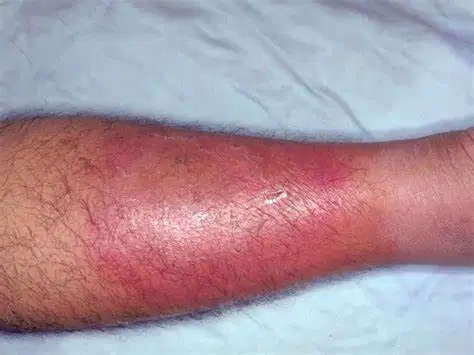
The figure shows _______ condition.
Erysipelas
Candidiasis
Cellulitis
chicken pox
Impetigo often occurs around the mouth or nose.
TRUE
FALSE
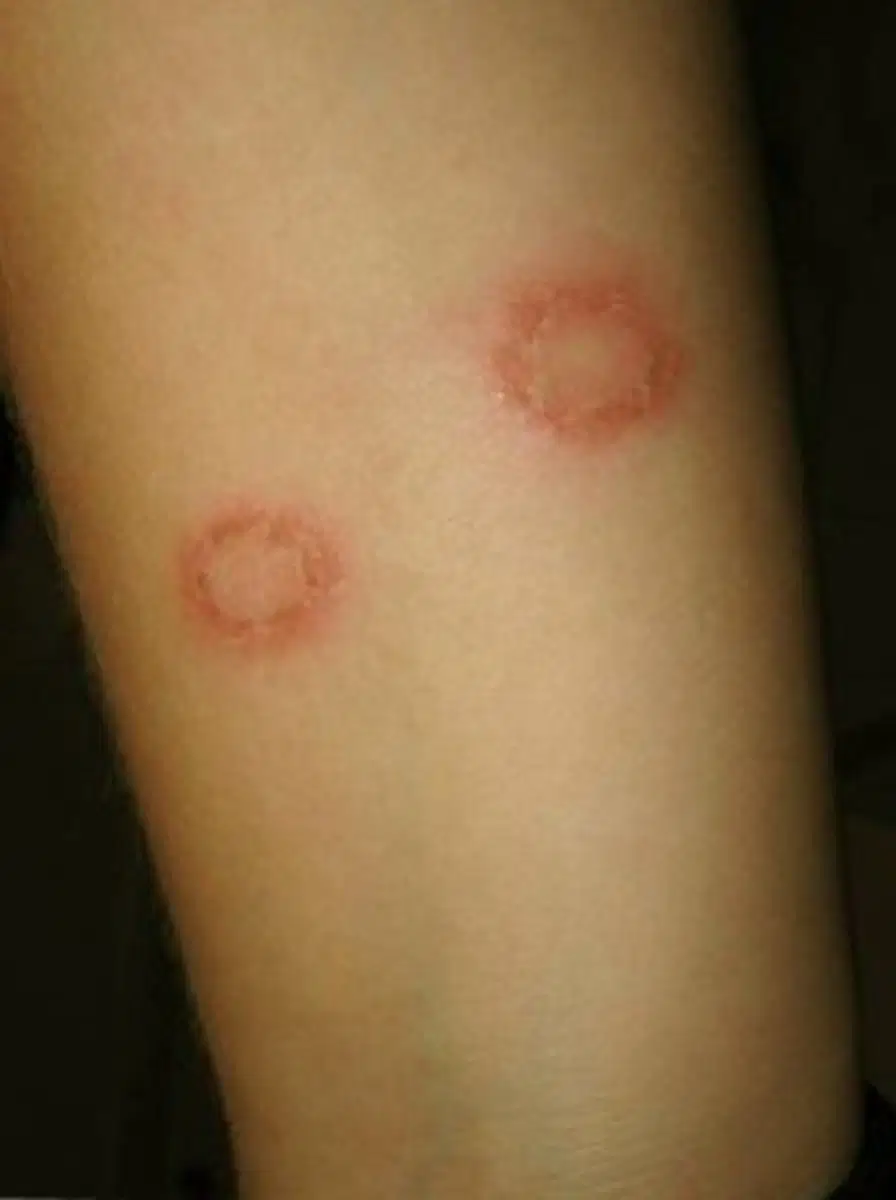
The image shows _________.
Impetigo
ringworm
candidiasis
folliculitis
Where is the axillary temperature taken?
Under the arm
Near the temple/forehead
In the ear
In the mouth
Which term means fever
afebrile
febrile
hyperthermia
hypothermia
What is the normal oral temperature range?
96.0-99.6
94.0-97.6
97.6-99.6
What is the normal axillary temperature range?
96.0-99.6
96.6-98.6
95.0-98.6
What is the normal rectal temperature range?
98.6-100.6
94.0-97.6
95.0-98.6

