
 Worksheets
Chapter 2 Review
Total questions: 50
Worksheet time: 32mins
Name
Class
Date
1.
Which compound is organic?
a)
C6H12O6
b)
CO2
2.
What is the difference between a carbohydrate and a lipid?
a)
lipids are quick energy and carbs are long term energy
b)
lipids build muscle and carbs produce fat
c)
carbs are sugary and lipids are fatty
3.
Which compound is inorganic?
a)
SO4
b)
C2HON2
4.
Which biomolecule is also known as enzymes?
a)
Carbohydrate
b)
Lipid
c)
Nucleic Acid
d)
Protein
5.
Which biomolecule is responsible for insulation and energy storage?
a)
Protein
b)
Nucleic Acid
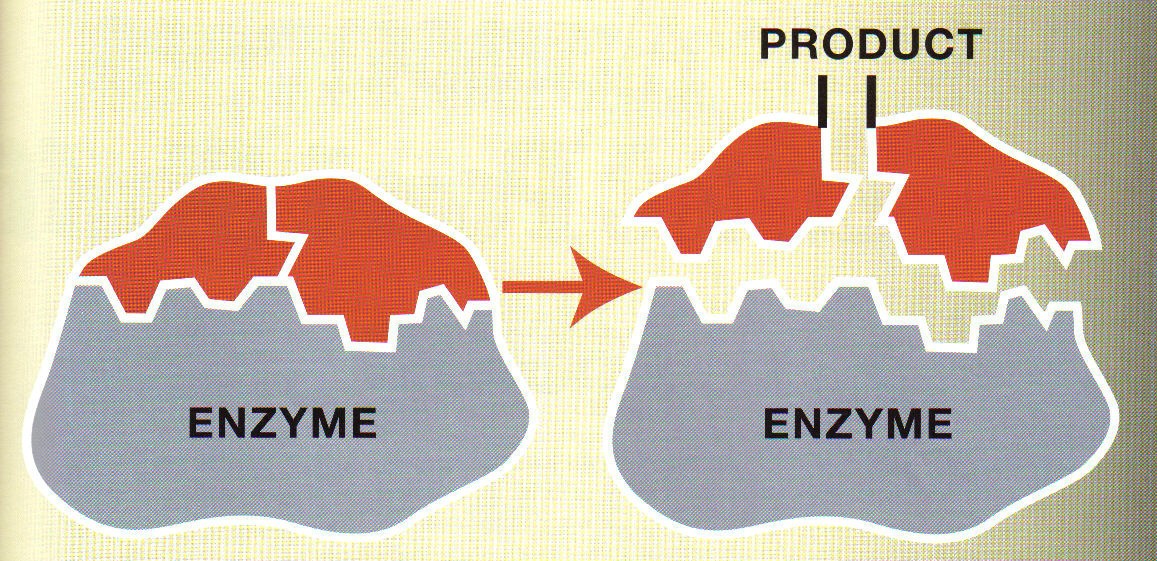
c)
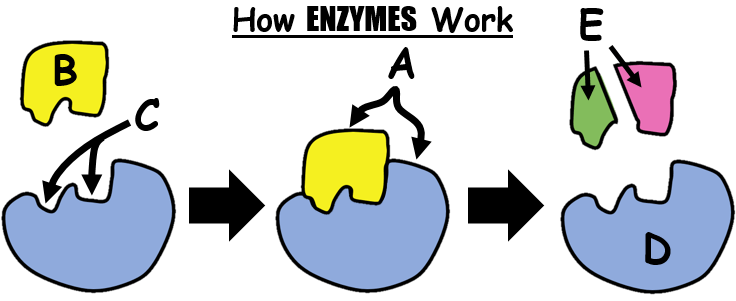
Lipid
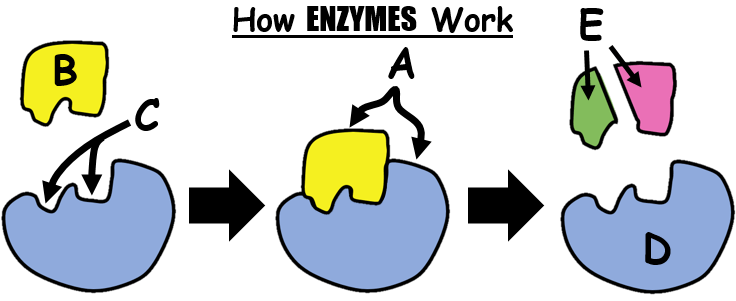
d)
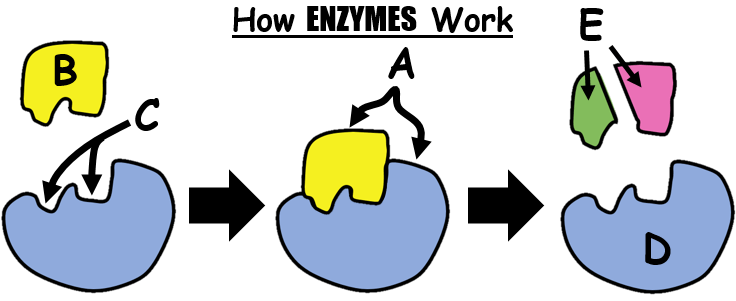
Carbohydrate
6.
Which biomolecule has sugars and starches?
a)
Lipids
b)
Proteins
c)
Carbohydrates
d)
Nucleic Acid
7.
Which biomolecule contain your genetics?
a)
Carbohydrate
b)
Lipid
c)
Nucleic Acid
d)
Protein
8.
Which biomolecule is made of amino acids?
a)
Nucleic Acid
b)
Carbohydrate
c)
Protein
d)
Lipid
9.
Which biomolecule is your main source of energy?
a)
Nucleic Acid
b)
Protein
c)
Lipid
d)
Carbohydrate
10.
Which biomolecule contains fats, oils, and waxes?
a)
Proteins
b)
Nucleic Acid
c)
Lipids
d)
Carbohydrate
11.
Steroids are a type of ________.
a)
Nucleic Acid
b)
Lipid
c)
Cholesterol
d)
Protein
12.
The monomer of a protein is called...
a)
an amino acid
b)
a monosaccharide
c)
a fatty acid
d)
a nucleotide
13.
Many monomers can be cross-linked together to form ______________.
a)
molecules
b)
plastic material
c)
polymers
d)
balloons and silly putty
14.
Building blocks of polymers.
a)
monomer
b)
polypeptide
c)
monosaccharide
d)
glycerol
15.
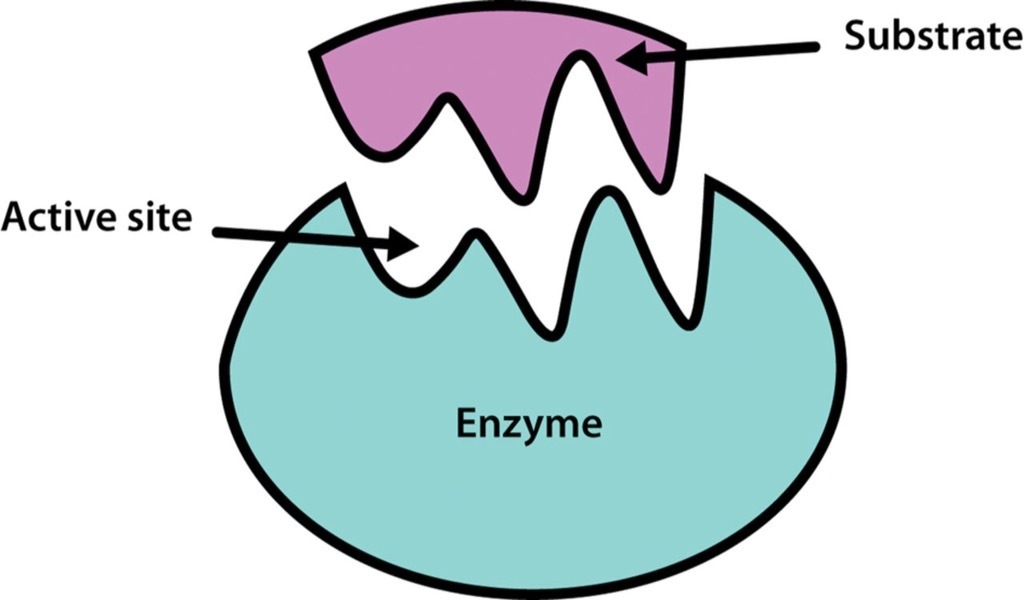
What biomolecule do enzymes belong to?
a)
Carbohydrate
b)
Lipid
c)
Nucleic Acid
d)
Protein
16.
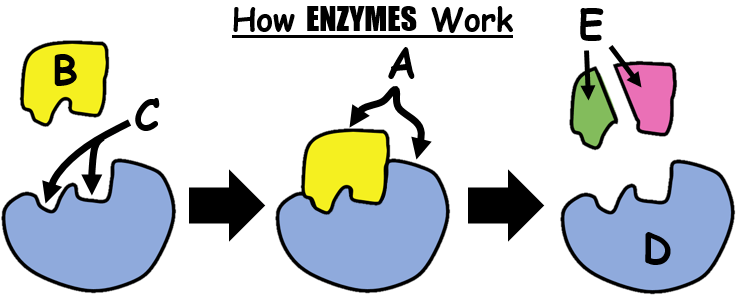
Letter D...
a)
active site
b)
enzyme
c)
substrate
d)
products
17.
The characteristic that all lipids have in common is----
a)
made of lots of double bonds
b)
acidic when mixed with water
c)
no high energy content
d)
do not dissolve in water
18.
What is the function of nucleic acids?
a)
Stores energy
b)
Stores genetic information
c)
Movement
d)
Physical structure
19.
Makes up the plant's cell wall and is fiber in our diets
a)
Starch
b)
Glycogen
c)
Cellulose
d)
Chitin
20.
Which of these molecules is the main human storage of carbohydrates for animals?
a)
Glycogen
b)
Glucose
c)
Starch
d)
Lactose
21.
Carbohydrates are the first source of _______ for the body?
a)
repair
b)
hygiene
c)
energy
22.
Which of the following is a lipid?
a)
cholesterol
b)
cellulose
c)
glucose
d)
protein
23.
How do lipids function for cells?
a)
store information
b)
store energy
c)
breakdown wastes
d)
join with substrates
24.
Monosaccharides are monomers of
a)
Carbohydrates
b)
Lipids
c)
Proteins
d)
Nucleic Acids
25.

Which biomolecule makes up the cell membrane and hormones?
a)
lipids
b)
protein
c)
nucleic acid
d)
carbohydrate
26.

What is the name of this molecule?
a)
amino acid
b)
nucleotide
c)
monosaccharide
d)
triglyceride
27.
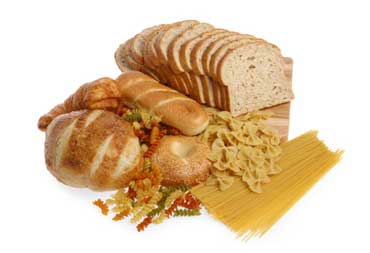
Which biomolecule is found in pasta and bread?
a)
Lipid
b)
Protein
c)
Nucleic Acid
d)
Carbohydrate
28.
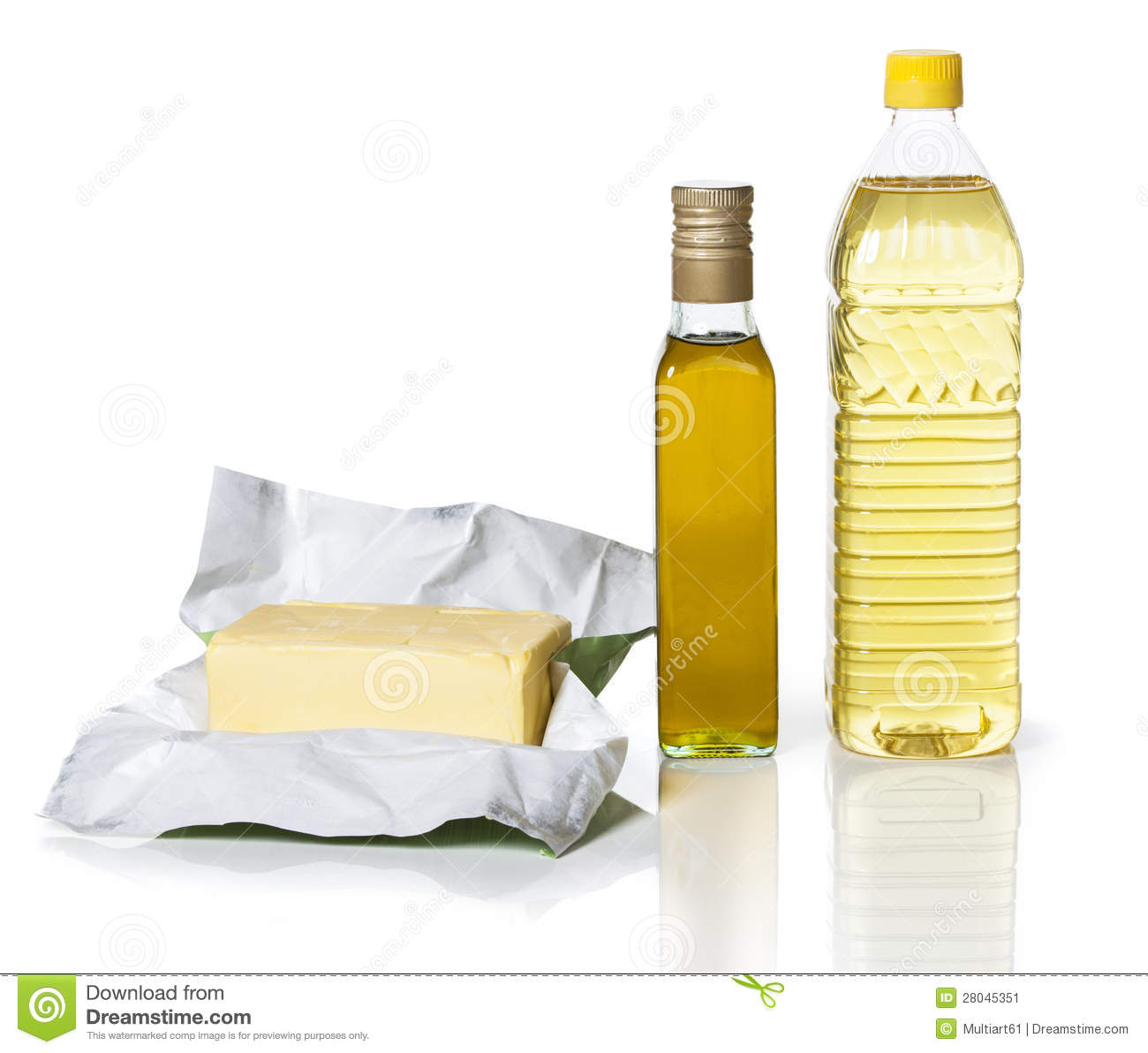
Which biomolecule is found in fats, oils, and waxes and is a source of long-term energy?
a)
Proteins
b)
Nucleic Acid
c)
Lipids
d)
Carbohydrate
29.
Which biomolecule is made of nucleotides and contain you DNA?
a)
Carbohydrate
b)
Lipids
c)
Protein
d)
Nucleic Acid
30.
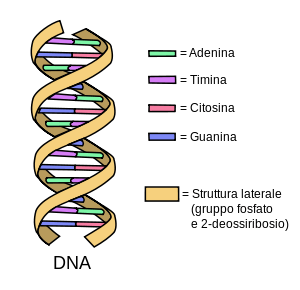
What type of molecule is this?
a)
Nucleic acid
b)
Protein
c)
Carbohydrate
d)
Lipid
31.
How do enzymes speed up chemical reaction?
a)
Increasing activation energy
b)
Decreasing activation energy
c)
Increasing deactivation energy
d)
Decreasing deactivation energy
32.
What is a substance called if it speeds up a chemical reaction?
a)
reusable
b)
catalyst
c)
specific
d)
fragile
33.
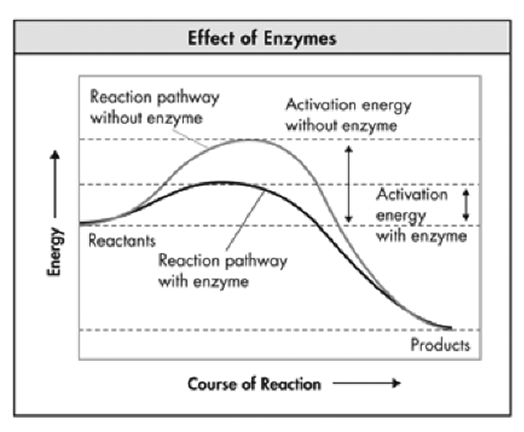
The graph shows how enzymes affect reactions in cells. Which statement best summarizes the information shown in the graph?
a)
Enzymes increase the energy of the reactants.
b)
Enzymes decrease the energy level of the products.
c)
Enzyme decrease the activation energy of the reaction.
d)
Enzymes reverse the direction of the reaction.
34.
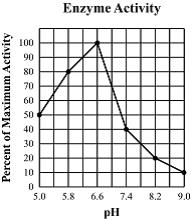
Which of the following conclusions can be drawn from this graph?
a)
The optimum pH of the enzyme is 6.6.
b)
The optimum pH of the enzyme is 5.8
c)
The enzyme’s activity increases as pH increases 5.0 to 9.0
d)
The enzyme’s activity is greater around pH of 8.0 .
35.
Any substance that is acted upon by an enzyme is called a(n)?
a)
Coenzyme
b)
Substrate
c)
Vitamin
d)
Polypeptide
36.
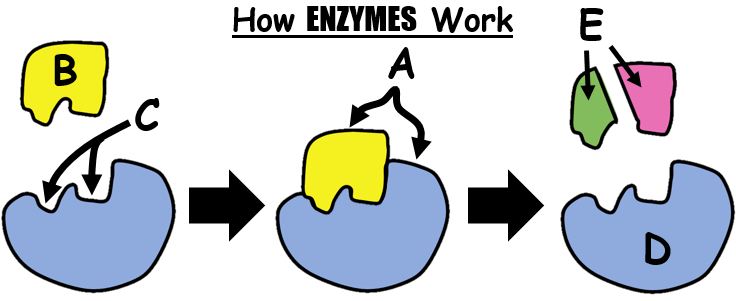
In the diagram, what is letter A?
a)
product
b)
substrate
c)
enzyme-substrate complex
d)
active site
37.
An enzyme speeds up a chemical reaction in the cell but can only be used once. True or False?
a)
true
b)
false
38.
What happens when enzymes are heated to a high temperature?
a)
The enzymes die.
b)
The shapes of the enzyme are altered denature
c)
The enzymes' amino acid sequence changes.
d)
The enzymes remain the same
39.
Which of these is NOT true?
a)
Enzymes can denature (change shape) when the temperature gets too high.
b)
Enzymes can only be used once in a chemical reaction.
c)
Extreme pH can denature enzymes.
d)
Enzymes speed up chemical reactions.
40.
Which of these is most likely an enzyme?
a)
Sucrose
b)
Galactose
c)
Fructose
d)
Amylase
41.
What is another name for enzymes?
a)
chemical catalysts
b)
microorganisms
c)
biological catalysts
d)
inorganic catalysts
42.
The pH at which an enzyme is most efficient is called the _________ pH of an enzyme.
a)
neutral
b)
optimum
c)
minimum
d)
experimental
43.
Enzymes speed up reaction rates by changing...
a)
Activation Energy
b)
pH
c)
Hydrogen Bonds
d)
Kinetic Energy
44.
Letter B...
a)
active site
b)
enzyme
c)
substrate
d)
products
45.
Letter C...
a)
active site
b)
enzymes
c)
substrate
d)
products
46.
Letter E...
a)
active site
b)
enzyme
c)
substrate
d)
products
47.
What are ionic bonds?
a)
Valence electrons transferred between atoms
b)
Inner most electrons transferred between atoms
c)
Sharing electrons
48.
What bond involves the sharing of electrons?
a)
Ionic
b)
Transitive
c)
Covalent
49.
True or false:
A hydrogen bond forms a stronger chemical bond than a covalent bond.
A hydrogen bond forms a stronger chemical bond than a covalent bond.
a)
True
b)
False
50.
The bond between amino acids within a protein chain is called a ______ _______
a)
peptide bond
b)
hydrogen bond
c)
ionic bond
d)
sulfur bridge
100 %

