
NEW
Font size
S
M
L
XL
 Worksheets
Snapshot 1 Review
Total questions: 70
Worksheet time: 59mins
Name
Class
Date
1.
Contains only one kind of atom.
a)
Element
b)
Compund
c)
Mixture
2.
Contains two or more atoms combined
a)
Elements
b)
Compounds
c)
Mixtures
3.
The air is a _________.
a)
element
b)
mixture
c)
compound
d)
energy
4.
Elements can be broken down into simpler substances.
a)
false
b)
true
c)
sometimes
5.

Examples are milk and gasoline.
a)
elements
b)
mixtures
c)
compounds
6.
Examples are diamonds (C) and Uranium (U)
a)
elements
b)
mixtures
c)
compounds
7.
Is sugar (C12H22O11) an element or a compound?
a)
Element
b)
Compound
8.
What is H2SO4
made up of?
made up of?
a)
2 hydrogen, 1 sulfur, 4 oxygen
b)
1 hydrogen, 2 sulfur, 4 oxygen
c)
2 hydrogen & 4 sodium
d)
1 hydrogen & 6 sodium
9.
An element is made up of only one kind of _____.
a)
isotope
b)
plastic
c)
atom
d)
metal
10.
In general, metals are _____.
a)
poor conductors of heat
b)
brittle
c)
poor conductors of electricity
d)
good conductors of heat
11.
Shiny
a)
Metal
b)
Nonmetal
12.
Sulfur
a)
Metal
b)
Nonmetal
13.

Classify the picture with the correct label.
a)
Element
b)
Compound
c)
Mixture of Elements
d)
Mixture of Compounds
14.

Classify the picture with the correct label.
a)
Element
b)
Compound
c)
Mixture of Elements and Compounds
d)
Mixture of Elements
15.

Classify the picture with the correct label.
a)
Element
b)
Compound
c)
Mixture of Elements & Compounds
d)
Mixture of Compounds
16.
Water compound
a)
NaCl
b)
H2O
c)
Protein
d)
CaCO
17.
How many elements are in HHe
a)
3
b)
4
c)
2
d)
5
18.

How many elements are in ULaV
a)
3
b)
4
c)
2
d)
5
19.
Is salt (NaCI) a compound or a element
a)
Compound
b)
element
20.
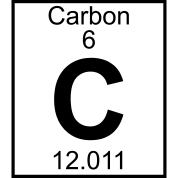
What does the C represent?
a)
atomic mass
b)
atomic number
c)
element name
d)
chemical symbol
21.
I am the smallest unit of an element that still has all the element's basic properties.
a)
atom
b)
compound
c)
molecule
d)
mixture
22.
A pure substance
a)
compound
b)
element
c)
molecule
23.
Which of these is a property of metals?
a)
It's malleable
b)
It can't conduct electricity
c)
They are used in food
d)
It's very brittle
24.
Which of the following is NOT a characteristic of most metals?
a)
Brittle
b)
Good conductor
c)
Ductile
d)
Malleable
25.
Where are the non-metallic elements found in the periodic table?
a)
In the middle
b)
In the top rows
c)
On the left-hand side
d)
On the right-hand side
26.
Which of these grouping of elements could have the characteristic of luster (shiny)?
a)
Metal
b)
Nonmetal
c)
metalloids
d)
Both metals and metalloids
27.
All of the following would classify an element as a metal except?
a)
Dull
b)
Luster
c)
Malleable
d)
Hard
28.
Which elements are found on the left to middle of The Periodic Table?
a)
Metals
b)
Nonmetals
c)
Metalloids
d)
Candles
29.

Describe what luster means
a)
How an object reflects light
b)
How soft an object is
c)
If an object floats
d)
If an object can be dug out of the earth.
30.
I have an object that is dull, brittle, and an insulator, what is it?
a)
metalloid
b)
non-metal
c)
metal
d)
matter
31.

When an object shatters when struck by a hammer.
a)
luster
b)
malleable
c)
brittleness
d)
ductile
32.
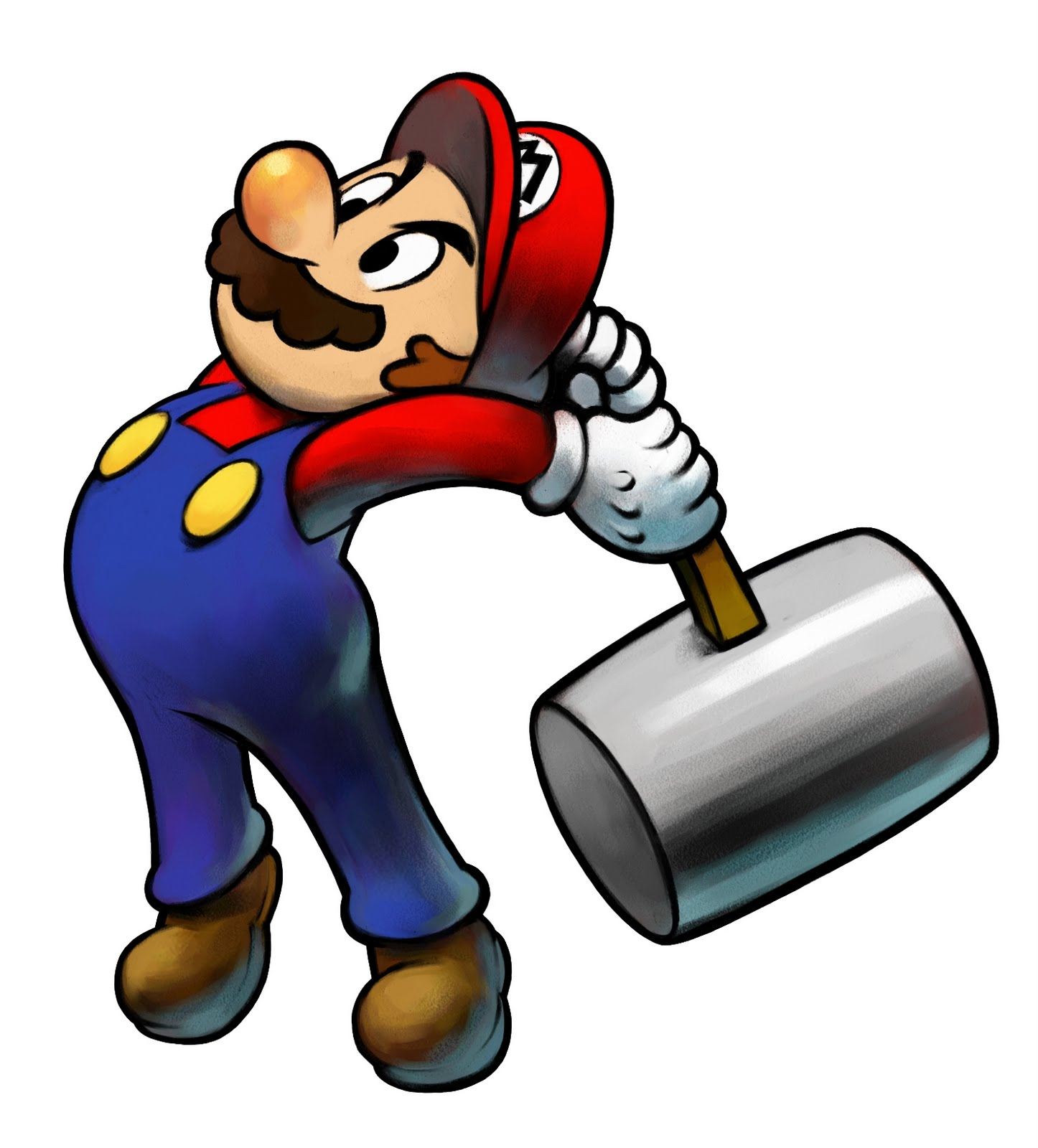
When an object changes shape when struck by a hammer.
a)
luster
b)
malleable
c)
brittleness
d)
ductile
33.
If you have a material that can conduct electricity well it is probably a...
a)
Metalloid
b)
Matter
c)
Non-metal
d)
Metal
34.
The elements argon, krypton, and xenon are all non-metals. What property would these elements have in common?
a)
Good conductor of thermal energy
b)
Poor conductor of electricity
c)
Shiny, lustrous surface
d)
Soft and malleable
35.
What physical properties are used to classify elements as metals, non-metals, or metalloids?
a)
Color, smell, physical state
b)
Reactivity, streak, hardness
c)
Ability to burn, mass, density
d)
Luster, conductivity, malleability
36.
Which of the following would help a student classify an unknown element as a metal, metalloid, or non-metal?
a)
Measure its conductivity
b)
Determine its density
c)
Find its melting point
d)
Observe its color
37.
What kind of properties can only be observed when a substance changes into a different substance?
a)
physical properties
b)
chemical properties
c)
liquid properties
d)
real properties
38.
Which of the following is a sign that a chemical reaction has occurred?
a)
change in shape
b)
melting
c)
formation of a gas
d)
dissolving
39.
Is hammering wood together to build a house a chemical or physical change?
a)
chemical
b)
physical
40.
Is melting butter for popcorn a chemical or physical change?
a)
chemical
b)
physical
41.
Is bleaching your hair a physical or chemical change?
a)
physical
b)
chemical
42.

Is burning wood a chemical or physical change?
a)
chemical
b)
physical
43.
A change in the size, shape, or state of matter.
a)
chemical change
b)
physical change
c)
chemical reaction
d)
electron change
44.
Which of the following is NOT an example of a physical change?
a)
crumpled paper
b)
pencil sharpening
c)
shrunken clothing
d)
sour milk
45.
Kim puts an ice cube in a beaker and it melts. This is a good example of:
a)
a physical change.
b)
a chemical change.
c)
an experiment.
d)
an analysis.
46.

Photosynthesis is an example of a
a)
physical change
b)
chemical change
47.
Adding baking soda and vinegar together and it fizzes and creates carbon dioxide.
a)
Chemical
b)
Physical
48.
What is an example of a Chemical change?
a)
Ripped paper
b)
boiled egg
c)
cracked egg
d)
sugar in water
49.
Which of the following tells you that a chemical change may have occurred?
a)
Change Shape
b)
Melting
c)
Vaporizing
d)
Change in color
50.
What happens in ALL chemical changes?
a)
Change in state of matter
b)
A new substance is formed
c)
Bubbles are produced
d)
An explosion
51.
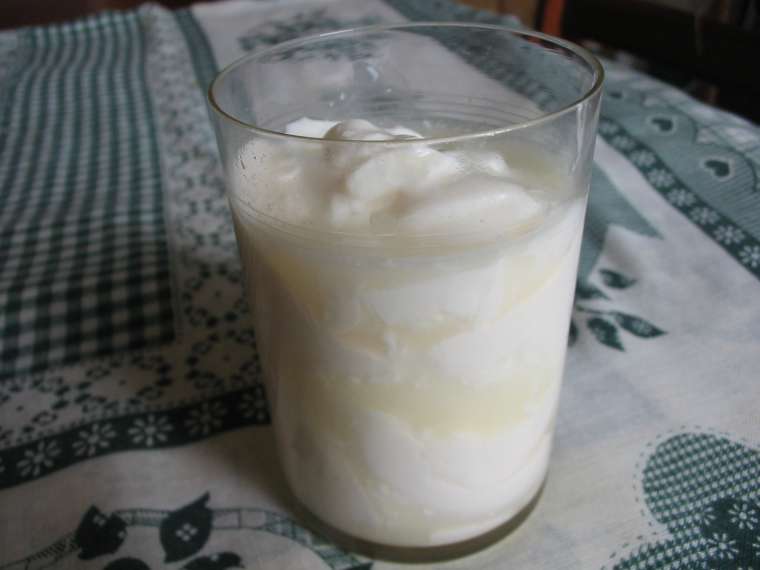
Is milk going sour a physical or chemical change?
a)
Physical
b)
Chemical
52.

Is sharpening a pencil a physical or chemical change?
a)
Physical
b)
Chemical
53.

Is copper tarnishing a physical or chemical change?
a)
Physical
b)
Chemical
54.

Is the formation of the grand canyon a physical or chemical change?
a)
Physical
b)
Chemical
55.

Which of the following is a reactant
a)
CH4
b)
H2O
c)
CO2
d)
2H2O
56.
In an exothermic reaction, energy is _________.
a)
Released
b)
Absorbed
c)
Stored
d)
Doubled
57.
The Law of Conservation of Mass tells us matter can't ______________.
a)
change color
b)
change state of matter
c)
be created or destroyed
d)
change temperature
58.
Which of the following IS a clue that a chemical change has occurred?
a)
State of matter change
b)
Size Change
c)
Change in temperature
d)
Shape change
59.
The tool used to measure the mass of a substance or object is a ______________.
a)
balance
b)
graduated cylinder
c)
ruler
d)
thermometer
60.
Jack has a rock. The rock has a mass of 14g and a volume of 2cm3. What is the density of the rock?
a)
7 mL
b)
7 g/cm3
c)
28 g/cm3
d)
1/7 g/cm3
61.

What is the volume of Object X?
a)
10.0 cm3
b)
15.0 cm3
c)
20.0 cm3
d)
25.0 cm3
62.
True or False: The density of a specific type of material never changes.
a)
True
b)
False
63.
What is the formula for density?
a)
density = mass x volume
b)
density = mass / volume
c)
density = mass + volume
d)
density = mass - volume
64.
Frank has an eraser. It has a mass of 4g, and a volume of 2cm3. What is its density?
a)
8 g/cm3
b)
2 g/cm3
c)
1/2 g/cm3
d)
24 g/cm3
65.
Frank has a paper clip. It has a mass of 9g and a volume of 3cm3. What is its density?
a)
3 g/cm3
b)
1/3 g/cm3
c)
27 g/cm3
d)
39 g/cm3
66.
An object with which of the following densities will float on water?
a)
0.7 g/cm3
b)
1.2 g/cm3
c)
3.5 g/cm3
d)
11.4 g/cm3
67.
A block has a mass of 54g and a volume of 20cm3. What is the density of the block?
a)
74 g/cm3
b)
1080 g/cm3
c)
34 g/cm3
d)
2.7 g/cm3
68.
A can of Coke will sink in a bowl of water. A can of Diet Coke will float in a bowl of water. What does this tell you about the density of the Diet Coke?
a)
it is bigger than 1
b)
it is smaller than 1
c)
it is equal to 1
d)
it is equal to -1
69.
Why do ice cubes float in a glass of water?
a)
the ice cubes are more dense than the water
b)
the water is more dense than the ice cubes
c)
the water is more dense than the glass
d)
the ice is more dense than the glass
70.
Which property of matter is determined by dividing its mass by its volume?
a)
elasticity
b)
buoyancy
c)
density
d)
viscosity
Reset

