
 Worksheets
CBA 2 Review
Total questions: 70
Worksheet time: 46mins

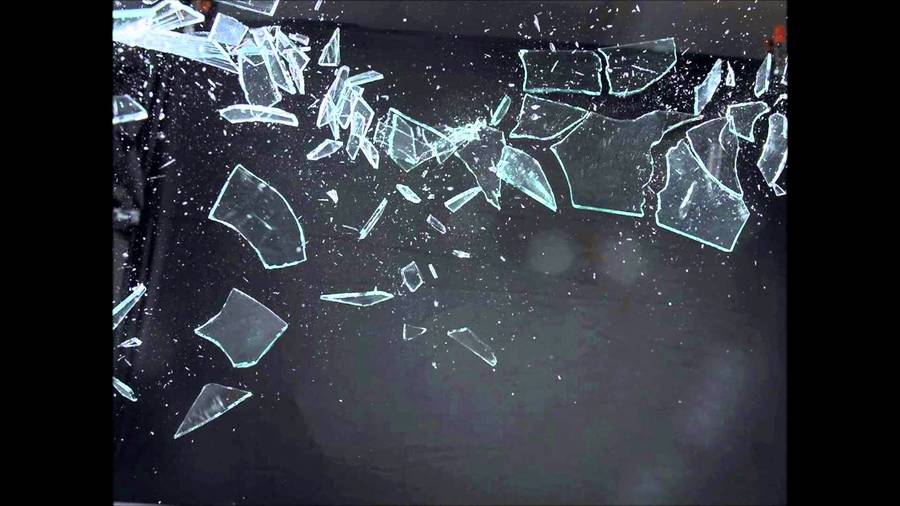
You split logs into pieces with an axe before burning them.
Physical change
Chemical change

Mitochondria break down glucose to make usable energy (ATP).
Physical change
Chemical change

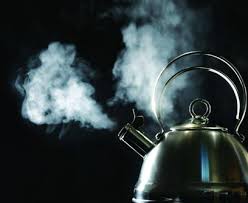
You notice bubbles and steam as water heats up and boils.
Physical change
Chemical change

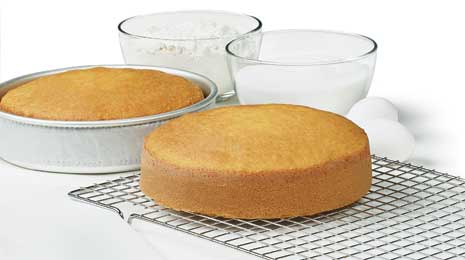
An unusual odor is formed after combining two substances.
Physical change
Chemical change

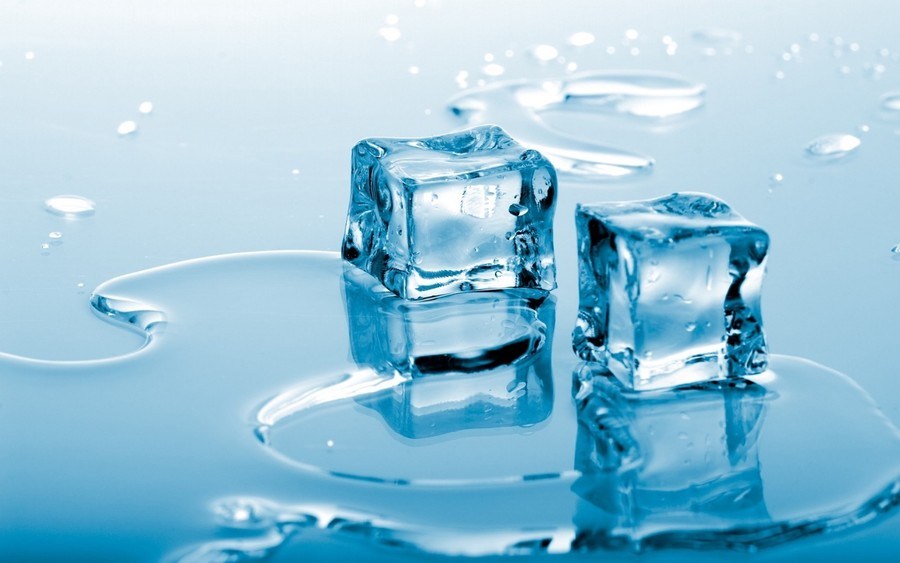
Sugar dissolves into water and disappears.
Physical change
Chemical change




What type of energy transformation occurs, when a hawk eats a mouse and then uses the energy from the mouse to fly?
mechanical energy to chemical energy
thermal energy to mechanical energy
chemical energy to mechanical energy
mechanical energy to thermal energy

What is the energy transformation that occurs in an electric pencil sharpener?
mechanical energy to electrical energy
electrical energy to mechanical energy
radiant energy to sound energy
chemical energy to mechanical energy
What is energy?
The ability to do work
A force
Electricity
The ability to transform work
Which statement best defines Mechanical Energy?
Energy produced by a machine or moving part.
Energy that is produced by an electrical current in a circuit.
Energy from the sun.
Energy that travels in waves due to vibrations.
What is an example of potential energy?
A book sitting on a shelf
A car moving down the highway
A person playing basketball
Both B and C
Radiant energy can be converted into chemical energy when....
plants absorb light energy.
the sun heat your black shirt.
a candle melts.
Radiant energy is also known as ....
nuclear energy
mechanical energy
light energy
thermal energy
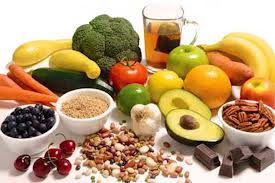
What kind of energy is represented in the picture?
Thermal
Chemical
Electrical
Radiant
Heat energy is also called
electrical energy
chemical energy
radiant energy
thermal energy

Which type of energy is best seen in the picture?
chemical
thermal
radiant
electrical

What type of energy is seen here?
chemical energy
thermal energy
mechanical energy
electrical energy
What is the function of the digestive system?
It transports blood and oxygen to your cells
It breaks down food so the nutrients can be absorbed by your body
It helps you breathe by taking in oxygen and transporting carbon dioxide out of your body
It helps you move
What is the function of the muscular system?
The function is movement of the body through muscles
The function is to get rid of waste
The function is to process food for nutrients and energy
The function is to protect you against disease
What is the function of the cardiovascular / circulatory system?
To provide nutrients to the whole body
To maintain homeostasis for the body
To fight off infection or disease
To transport nutrients, oxygen, and blood throughout the body
What is the function of the immune system?
To digest food
To fight against pathogens and diseases
To help you breathe
To remove waste from the body
What is the function of the nervous system?
Controls all parts of the body; sends signals between the brain, spinal cord, and nerve endings
What happens when you get nervous to do something
To fight off diseases
To carry oxygen, nutrients, and blood throughout the body
What is the function of the respiratory system?
To digest your food
To remove waste from the body
To take in oxygen and remove carbon dioxide
To fight disease
What is the function of the excretory/urinary system?
Removes liquid waste from your body
digests food
helps you breathe
circulates your blood
True or False: Your respiratory system uses your nose and mouth only to remove oxygen and take in carbon dioxide
True
False
You’re sick, but no one is home. You need soup and Gatorade. You get enough strength to leave your bed and go make soup. What body systems are working together to help you move and fight disease?
excretory and digestive
muscular and immune
skeletal and immune
immune and digestive
The steel beams that hold up a tall building are most analogous (similar) to which body system?
skeletal
muscular
digestive
immune
What is the function of the skeletal system?
Movement of the body
transports oxygen, blood, nutrients throughout the body
removes waste
supports the body by holding it up; muscles are attached to help with movement
How do the body systems work together when you accidentally touch a hot pan?
The cardiovascular/circulatory system sends signals to your hand to move it, and your nervous system moves your hand
The nervous system (brain, spinal cord, and nerves) send a signal to your hand to move it, and your muscular system causes your hand to move
The digestive system moves your hand, and the cardiovascular/circulatory system sends signals to your hand
The nervous system causes your hand to move, and the muscular system breaks down nutrients for your muscles to move
Which of the following converts food into energy for the cell?
vacuole
mitochondria
cytoplasm
cell membrane
The fluid that surrounds the organelles is... (hint... "Try to pull a fast one and..."
chloroplast
cytoplasm
vacuole
cell wall
Which organelle takes in "sun showers" and helps plants with the process or photosynthesis?
Vacuole
Mitochondria
Cytoplasm
Chloroplast
What organelle packages proteins?
Ribosome
Mitochondria
Golgi Body
Cell Membrane
A group of organs working together create an
organelle
organ
organ system
organism
What is the correct order of levels?
atom, organelle, cell, molecule
organelle, cell, tissue, organ
organelle, organism, organ, organ system
organism, community, population, ecosystem
Which organelle breaks down waste & is similar to the "clean up crew?"
cell membrane
Ribosome
Lysosome
Smooth ER
Which organelle is responsible for transport of proteins & has ribosomes attached?
Chloroplast
Rough ER
Smooth ER
Cell Wall
Choose the correct order below. (small to big)
atom, molecule, organelle, tissue, cell
organism, organ, cell, tissue
cell, tissue, organ, organ system, organism
atom, organelle, organ, organism
______ has a double membrane AND creates energy for the animal cell.
Chloroplast
Mitochondria
Cell Wall
Nucleus

