
 Worksheets
2nd Six Weeks Science Review
Total questions: 40
Worksheet time: 30mins
Name
Class
Date
1.
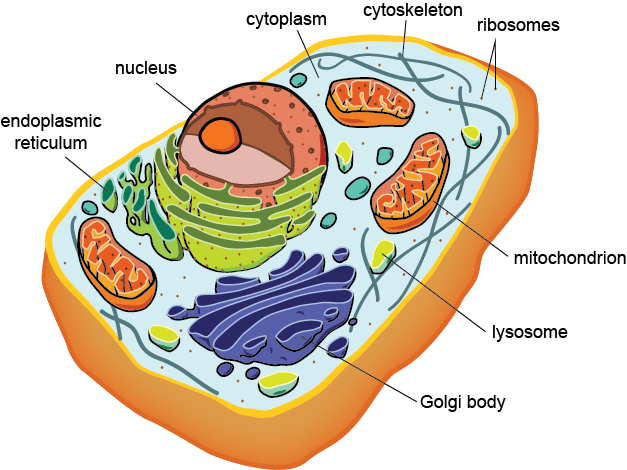
Which of the following statements is not part of the cell theory?
a)
Cells are the basic unit of structure and function in all living things.
b)
All cells are produced from other cells.
c)
Only animal cells are composed of cells.
d)
All living things are composed of cells.
2.

What is one way in which all living things on Earth are alike?
a)
All living things have hair.
b)
All living things are made of cells and come from other cells.
c)
The cells of all living things have chloroplast.
d)
All living things can move.
3.

Which statement reflects one of the major components of the cell theory?
a)
All living things are multi-cellular.
b)
Organs are the basic unit of structure and function for all living things.
c)
All cells come from previously existing cells.
d)
Every organism has a reproductive system to ensure survival of the species.
4.

These blood cells deliver oxygen to the parts of the body.
a)
Red
b)
White
c)
Patelets
d)
Plasma
5.
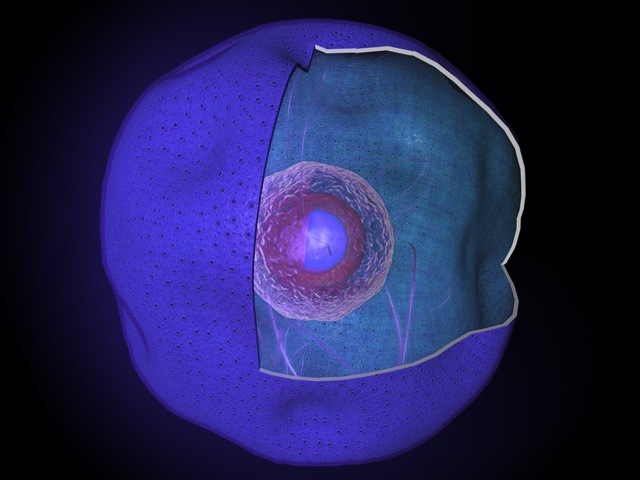
Which part of the cell is often called "the brain of the cell"?
a)
nuclear membrane
b)
endoplasmic reticulum
c)
nucleus
d)
mitochondria
6.
What are the tiny structures that carry out jobs inside cells called?
a)
membranes
b)
nucleus
c)
organelles
d)
animalicules
7.
Which body system gets ride of solid waste?
a)
Excretory (Urinary)
b)
Digestive
c)
Circulatory
d)
Respiratory
8.
What is the function of the kidneys in the excretory/urinary system?
a)
store urine before it is eliminated from the body.
b)
break down food into smaller pieces through chemical digestion
c)
filter blood of cellular waste material as a result of cellular respiration
d)
control thoughts, voluntary actions, and other sensations of the five senses.
9.
Which organ system removes cellular wastes as the result of cellular respiration?
a)
nervous
b)
digestive
c)
excretory
d)
circulatory
10.
Which organelle uses energy from sunlight to make sugar?
a)
mitochondria
b)
nucleus
c)
chloroplasts
d)
vacuoles
11.
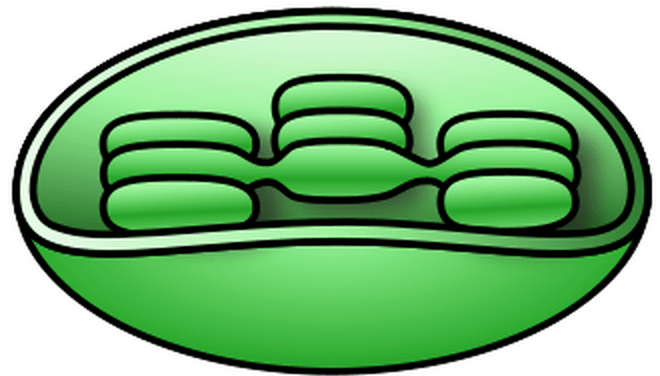
I am only found in a plant cell. What am I?
a)
cell wall
b)
mitochondria
c)
cytoplasm
d)
chloroplast
12.
The cell structure that converts the energy in food into usable energy for the cell is the?
a)
mitochondrion
b)
cell wall
c)
chloroplast
d)
nucleus
13.
This organelle takes food and turns it into ENERGY for plant and animal cells.
a)
Chloroplast
b)
Mitochondria
c)
Lysosome
d)
Ribosome
14.
The tool used to measure the mass of a substance or object is a ______________.
a)
balance
b)
graduated cylinder
c)
ruler
d)
thermometer
15.
Jack has a rock. The rock has a mass of 14g and a volume of 2cm3. What is the density of the rock?
a)
7 mL
b)
7 g/cm3
c)
28 g/cm3
d)
1/7 g/cm3
16.
What is the formula for density?
a)
density = mass x volume
b)
density = mass / volume
c)
density = mass + volume
d)
density = mass - volume
17.
Frank has an eraser. It has a mass of 4g, and a volume of 2cm3. What is its density?
a)
8 g/cm3
b)
2 g/cm3
c)
1/2 g/cm3
d)
24 g/cm3
18.
Frank has a paper clip. It has a mass of 9g and a volume of 3cm3. What is its density?
a)
3 g/cm3
b)
1/3 g/cm3
c)
27 g/cm3
d)
39 g/cm3
19.
Which of the following is not a function of bones?
a)
Protection
b)
Blood cell formation
c)
Storage
d)
Absorption
20.
Which of the following is NOT a function of the skeleton?
a)
Production of blood cells
b)
Gives the body form
c)
Protects internal organs
d)
Generates heat
21.
The bone marrow makes
_______________________ cells.
_______________________ cells.
a)
blood
b)
cancer
c)
large
d)
normal
22.
One major function of the excretory system is to clean the what?
a)
urine
b)
blood
c)
kidneys
d)
bladder
23.

These organs are responsible for what?
a)
storing urine
b)
storing water
c)
filtering blood
d)
they don't have a particular job
24.
Which is NOT a function of the circulatory system?
a)
deliver O2 and nutrients to cells
b)
remove CO2 and wastes from cells
c)
break down carbohydrates into glucose
d)
transport other materials through body
25.

What does the Circulatory System do?
a)
Circulates the Blood throughout the body
b)
Circulates Water throughout the body
c)
Excretes Waste
d)
Controls all parts of the body
26.
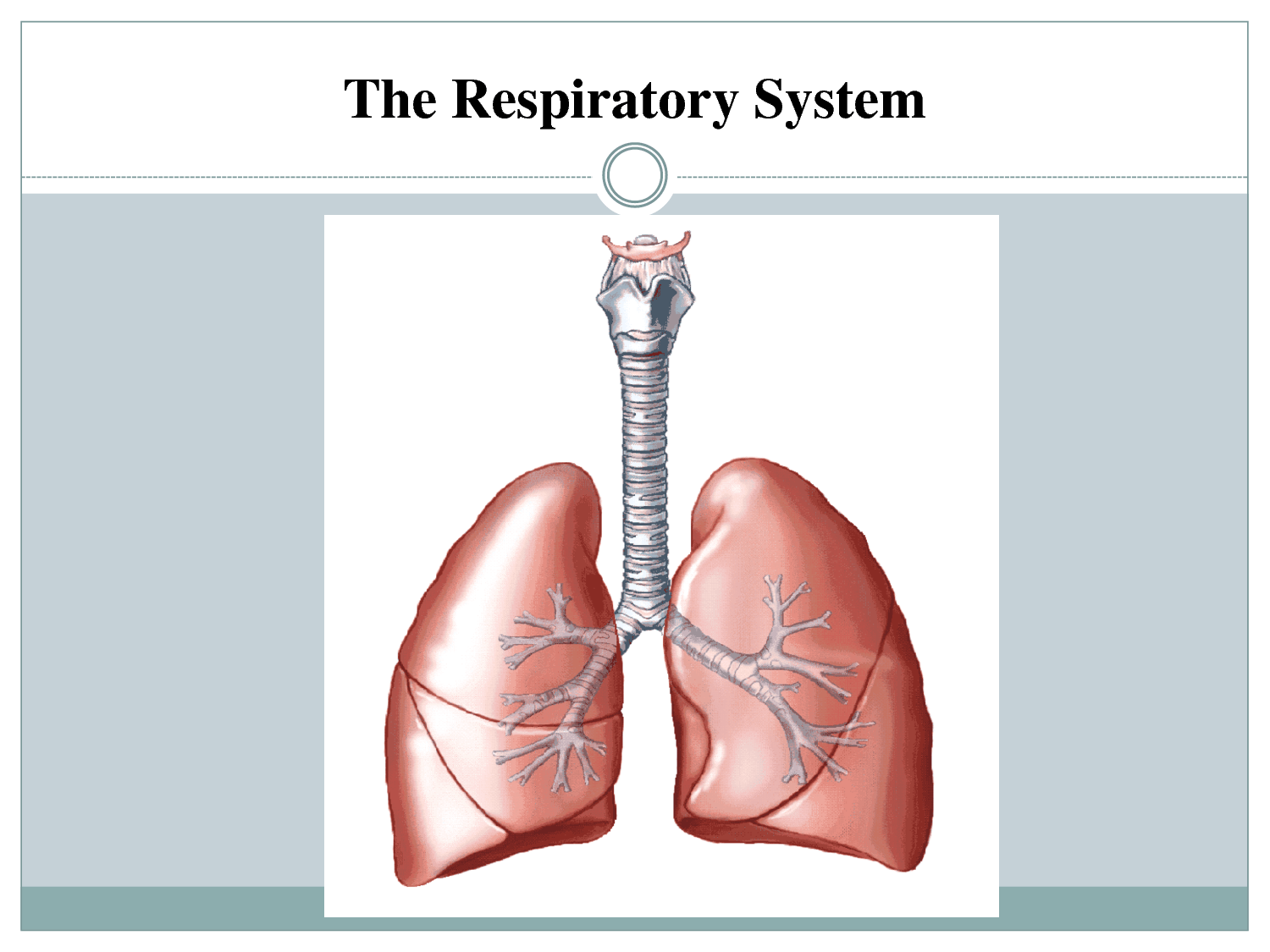
What is the main function of the respiratory system?
a)
to provide oxygen and remove carbon dioxide from the body
b)
to bring oxygen to the body
c)
to break down food and absorb nutrients
d)
to remove oxygen from the body and deliver carbon dioxide
27.
What are the main organs of gas exchange in the respiratory system?
a)
diapragm
b)
lungs
c)
trachea
d)
bronchi
28.
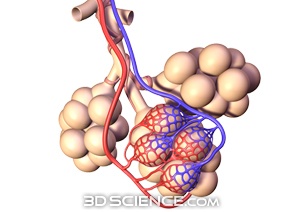
When you breathe, your lungs take in ___ and remove ___.
a)
air/oxygen
b)
oxygen/carbon dioxide
c)
carbon dioxide/waste
d)
waste/air
29.
Which is NOT a function of the Digestive System?
a)
To rid the body of solid waste
b)
Absorb nutrients for energy & growth
c)
Break down nutrients from food
d)
Pump blood around the body
30.
Which of the following would be considered a main role of the digestive system?
a)
Break down food molecules
b)
absorb nutrients
c)
Get rid of waste
d)
all of these
31.
The body's hormones, and the glands that produce them, make up the endocrine system?
a)
True
b)
false
32.
A tissue or group of tissues that make and releases hormones.
a)
Endocrine System
b)
Pancreas
c)
Flight or Fight Response
d)
Glands
33.
What is the main function of the endocrine system?
a)
it creates hormones (chemicals) that are sent around the body to maintain homeostasis
b)
it creates electrical messages that are sent around the body to maintain homeostasis
c)
it maintains the correct level of oxygen in the body to maintain homeostasis
d)
it releases waste from the body to maintain homeostasis
34.
What is the main function of the urinary system?
a)
Keep your body hydrated
b)
Expelling water from your body
c)
Removing liquid waste from your body
d)
Removing solid waste from your body
35.
What is the correct order of organization
a)
tissues-cells-organs-organ systems-organism
b)
cell-tissue-organs-organ systems-organism
c)
organism-cells-tissues-organ systems-organism
d)
tissues-cells-organs-organ sytems-organism
36.

This is a example of........
a)
organ system
b)
cells
c)
organ
d)
tissue
37.
Cells have particular structures that perform specific jobs. These structures are known as _______.
a)
organelles
b)
organs
c)
systems
d)
tissues
38.
The smallest level of organization of life in an organism
a)
tissue
b)
cell
c)
organ
d)
organ system
39.
what system does the circulatory system work with to make red blood cells?
a)
skeletal
b)
muscular
c)
reproductive
d)
digestive
40.
List the levels of organization in the human body in order from least complex to most complex…
a)
Tissues, cells, organ systems, organs,
and organism
b)
Cells, tissues, organ systems, organs,
and organism
c)
Cells, tissues, organs, organism, and
organ systems
d)
Cells, tissues, organs, organ systems,
and organism
100 %

