
 Worksheets
A Carbon Crisis?
Total questions: 42
Worksheet time: 3hrs 5mins
Name
Class
Date
1.
What is the greenhouse effect?
a)
The warming of a planet due to trapped radiation.
b)
The cooling of Earth due to air pollution.
c)
The heating of a solid, such as a rock.
2.
Which process accurately describes the formation of the greenhouse effect?
a)
The Sun's rays are reflected from the land back into the atmosphere.
b)
Increased solar energy is entering through the hole in the ozone layer.
c)
Aerosol gases become trapped and build up in the atmosphere.
d)
Heat radiating from the land and oceans is trapped in the troposphere.
3.
Which of the following are greenhouse gases?
a)
Carbon dioxide
b)
Methane
c)
Water vapor
d)
All answers are correct
4.
What happens to the temperature if more greenhouse gases are released into the atmosphere?
a)
Temperature goes up
b)
Temperature goes down
5.
Steve wanted to see if the type of fertilizer made sunflowers grow larger. What is the independent variable
a)
Type of fertilizer
b)
Size of sunflower
c)
type of sun flower
6.
Molly investigated if the age of students caused them to be better drivers. What is the independent variable?
a)
Type of car
b)
Skill of driving
c)
Age of student
7.
Molly investigated if the age of students caused them to be better drivers. What is the dependent variable?
a)
Type of car
b)
Skill of driving
c)
Age of student
8.
Sam wanted to know if the color of the chair you sat in when taking a test affected your test grade. What is the independent variable.
a)
Color or chair
b)
Grade on test
c)
Age of students
9.
Sam wanted to know if the color of the chair you sat in when taking a test affected your test grade. What is the dependent variable.
a)
Color or chair
b)
Grade on test
c)
Age of students
10.
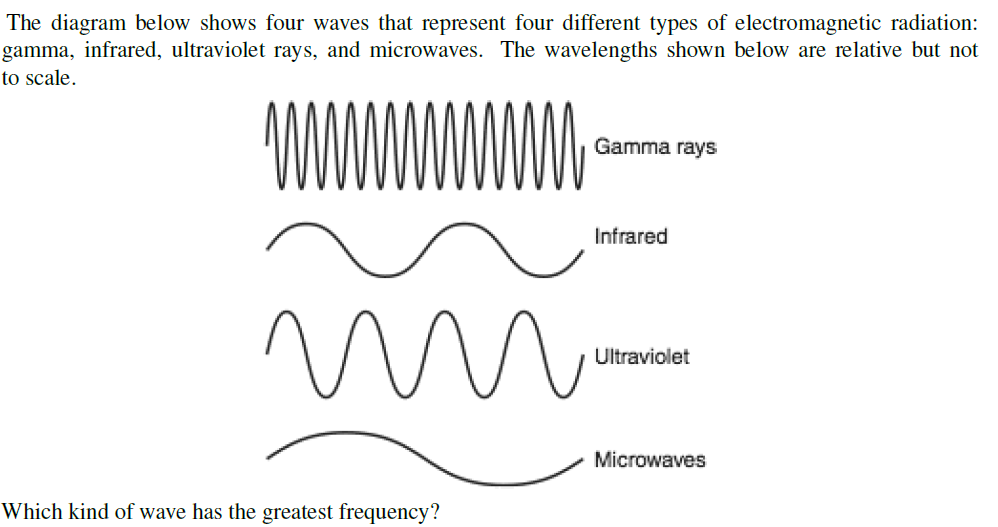
Which kind of wave has the greatest frequency?
a)
gamma rays
b)
infrared
c)
ultraviolet
d)
microwaves
11.
Which of the following regions of the electromagnetic spectrum has the lowest frequency?
a)
ultraviolet
b)
infrared
c)
visible
d)
x-ray
12.

High frequency waves have _________ wavelength.
a)
varying
b)
high
c)
the same
d)
low
13.

Look carefully at the waves. Which carries the most energy?
a)
microwave
b)
infrared
c)
ultraviolet
d)
x-ray
14.

Which has the longest wavelength?
a)
microwave
b)
infrared
c)
ultraviolet
d)
x-ray
15.
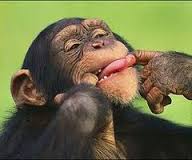
A monkey is:
a)
Atmosphere
b)
Biosphere
c)
Geosphere
d)
Hydrosphere
16.
Oceans, rivers, lakes, and the moisture in the air are all part of which of Earth's spheres?
a)
Hydrosphere
b)
Biosphere
c)
Atmosphere
d)
Geosphere
17.
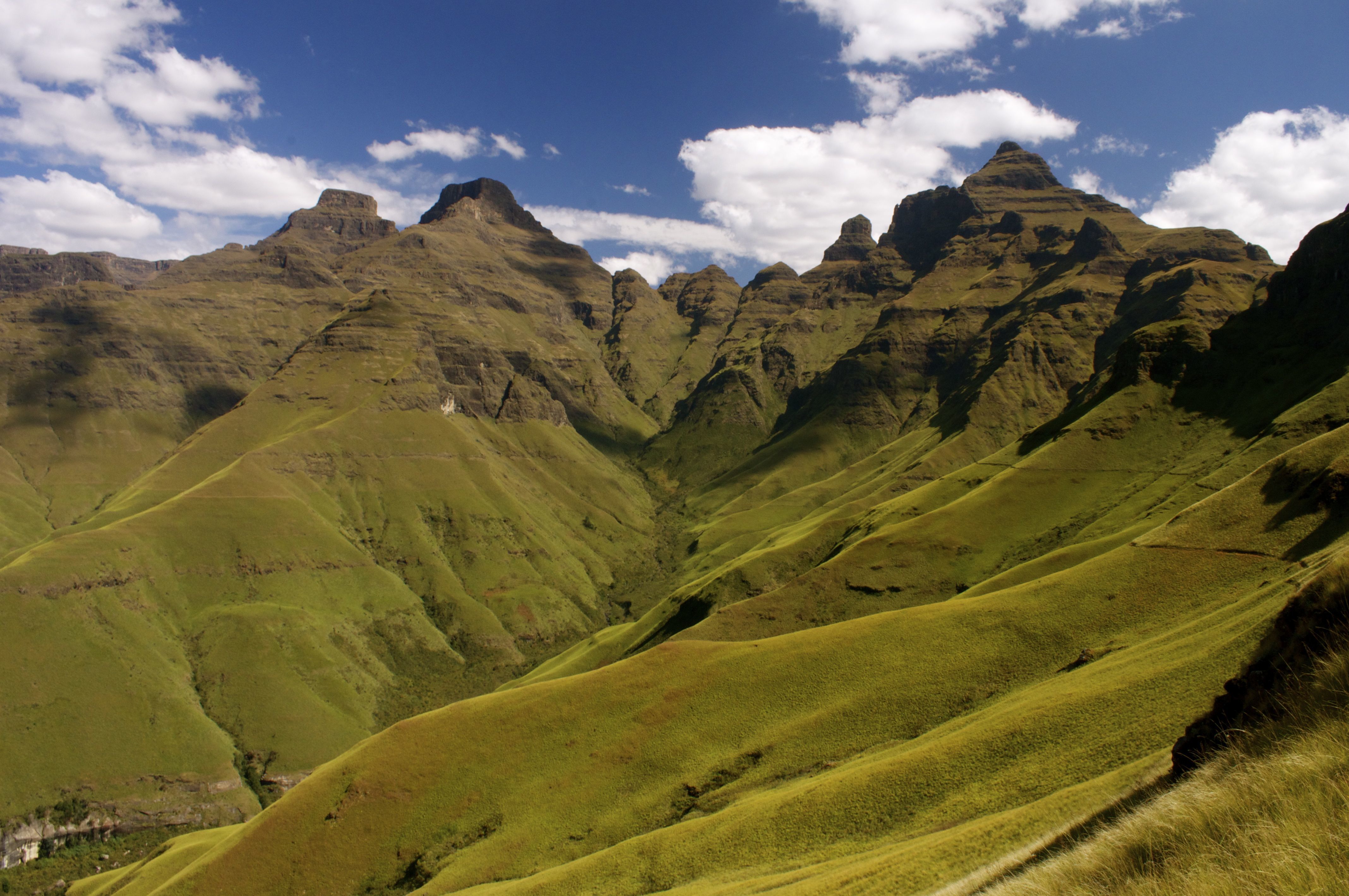
This sphere includes the continents, the ocean floor, all the rocks on the surface, and all of the sand in the deserts.
a)
Hydrosphere
b)
Biosphere
c)
Atmosphere
d)
Geosphere
18.
Wind is part of what sphere of Earth?
a)
Windosphere
b)
Atmosphere
c)
Hydrosphere
d)
Airosphere
19.
When carbon dioxide dissolves from the air into the ocean- the interaction is between...
a)
The atmosphere and lithsphere
b)
The atmosphere and hydrosphere
c)
The atmosphere and biosphere
d)
The atmosphere and atmosphere
20.
Sometimes fires burn down large areas of forests that are part of the biosphere. Other than the biosphere, which of Earth’s other systems is a forest fire most likely to affect?
a)
geosphere
b)
cryosphere
c)
atmosphere
d)
hydrosphere
21.
When trees die, they often fall on the ground and decompose. Which part of the Earth system includes dead and decomposed trees?
a)
biosphere
b)
geosphere
c)
atmosphere
d)
hydrosphere
22.
All of the following are examples of the biosphere except
a)
plants
b)
animals
c)
bacteria
d)
air
23.
What type of waves get trapped inside the greenhouse?
a)
Sunlight
b)
Ultraviolet
c)
Microwaves
d)
Infrared
24.
When humans burn fossil fuels, most of the carbon quickly enters the as carbon dioxide.
a)
Water
b)
Atmosphere
c)
Sun
d)
Air
25.
Which one of these does not add CO2 to the atmosphere?
a)
cooking with gas
b)
planting trees
c)
burning wood
d)
riding in a bus
26.
Combustion is another word for _______________.
a)
a train
b)
a bus
c)
a dog
d)
burning
27.
What does not produce carbon dioxide?
a)
Photosynthesis
b)
Burning Fossil Fuels
c)
Animal respiration
d)
Plants decaying
28.
How do living organisms return carbon to the atmosphere in the carbon cycle?
a)
respiration and photosynthesis
b)
decomposition and respiration
29.
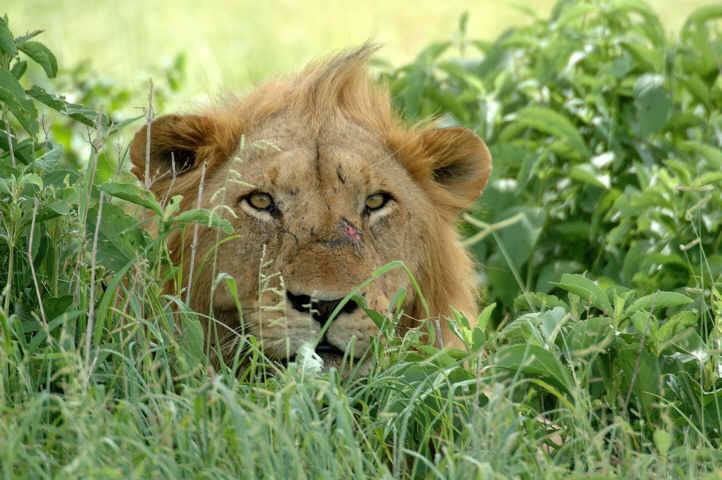
How does the carbon in grass become part of a lion?
a)
The lion eats the grass
b)
Carbon from grass doesn't end up in a lion.
c)
The carbon ends up in the lion's food chain.
d)
The lion breathes in carbon given out by the plant
30.
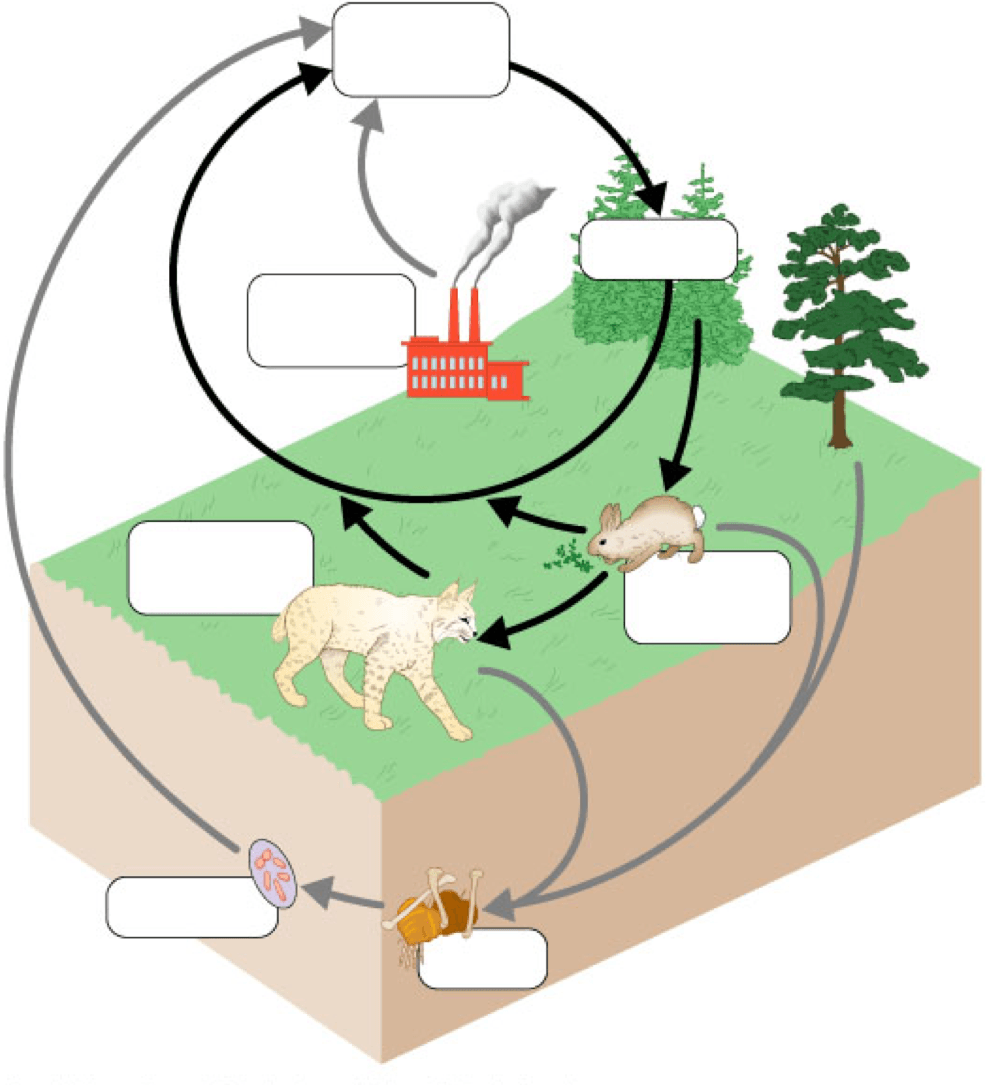
In what process is Carbon transformed into chemical energy?
a)
Photosynthesis
b)
Respiration
c)
Primary Production
d)
Secondary Production
31.
oxygen is a gas produced by _ and used by _
a)
plants and animals
b)
photosynthesis and carbon dioxide
c)
animals and plants
d)
carbon dioxide and photosynthesis
32.
All of the carbon in existence is continually recycled in the carbon cycle
a)
True
b)
False
33.
Organisms that do not decompose can be buried and become what?
a)
water
b)
nutrients
c)
air
d)
fossil fuels
34.
When glucose levels in the blood rise, your brain sends a signal to your pancreas. The pancreas releases insulin, which opens channels in cell membranes to allow glucose to enter the cell, lowering blood sugar levels.
a)
Positive Feedback Response
b)
Negative Feedback Loop
35.
Maintaining body temperature is an example of a:
a)
negative feedback loop
b)
positive feedback loop
36.
The two types of feedback systems that help organisms maintain homeostasis are:
a)
positive and negative
b)
receptor and effector
c)
static and dynamic
d)
minor and major
37.
Rapid growth during puberty causes your body to release more and more growth hormones. As you grow, more and more growth hormones are released until puberty is reached, and then the hormones stop.
a)
Positive Feedback Response
b)
Negative Feedback Loop
38.

The following is an example of what type of feedback loop?
a)
Negative Feedback Loop
b)
Neutral Feedback Loop
c)
Positive Feedback Loop
d)
Global Warming Feedback Loop
39.
Which of the following processes add methane (CH4) to the atmosphere?
a)
Breakdown of plant and animal remains in the soil.
b)
Leakage from natural gas pipelines.
c)
Food digestion by land animals.
d)
All of the above.
40.
If the ice caps continue to melt, then there is less albedo at the poles. This process will continue to melt more ice and have less albedo. This is an example of a...
a)
fruit loops
b)
loop di loop
c)
negative feedback loop
d)
positive feedback loop
41.
What would happen to gloabal sea levels if global temperatures decreased leading to more ice in the arctic?
a)
Sea levels will Increase
b)
Sea levels will decrease
c)
Sea levels will remain the same
d)
Not enough information
42.
Negative Feedback Loops:
a)
amplify processes
b)
prevent small changes from getting larger
c)
are initiated during childbirth
d)
are found only in plants
100 %

