
 Worksheets
Unit 4 Body Systems Review
Total questions: 60
Worksheet time: 44mins
Name
Class
Date
1.
This system carries food, gases and wastes throughout the body
a)
circulatory system
b)
respiratory system
c)
nervous system
2.
This system includes the heart, blood vessels, veins, arteries
a)
respiratory system
b)
circulatory system
c)
nervous system
3.
This system picks up oxygen from the respiratory system (lungs) and nutrients from the digestive system.
a)
Circulatory System
b)
Digestive System
c)
Muscular System
4.
This system allows the body to take in oxygen and excrete, or get rid of waste gases.
a)
Nervous System
b)
Muscular System
c)
Respiratory System
5.
This system protects the body's organs, provides support for the body.
a)
Nervous System
b)
Skeletal System
c)
Respiratory System
6.
This system works with the muscular system to move the body.
a)
Respiratory System
b)
Skeletal System
c)
Nervous System
7.
This system is made up of stretchy tissue called muscles.
a)
Nervous System
b)
Skeletal System
c)
Muscular System
8.
This system is responsible for getting food into the body, getting solid waste out of the body, and breaking food down into usable parts.
a)
Nervous System
b)
Digestive System
c)
Muscular System
9.
This system helps the body respond to signals and information from both inside and outside the body.
a)
Nervous System
b)
Muscular System
c)
Skeletal System
10.
This system includes the spinal cord, brain and nerves
a)
Nervous System
b)
Digestive System
c)
Circulatory System
11.
What moves cells throughout the body
a)
Nervous System
b)
Circulatory System
c)
Muscular System
12.
What system makes your body get warm/hot when you exercise?
a)
Respiratory System
b)
Muscular System
c)
Skeletal System
13.
Which system is the heart in?
a)
Circulatory
b)
Digestive
c)
Cardiovascular
14.
Which system are the lungs in?
a)
respiratory
b)
digestive
c)
excretory
15.
Which system is the stomach in?
a)
respiratory
b)
digestive
c)
nervous
16.
What blood vessels take blood away from the heart after oxygen is addels
a)
veins
b)
arteries
c)
capillaries
17.
Where does digestion start?
a)
stomach
b)
mouth
c)
esophagus
18.
Smooth and Cardiac muscles are both
a)
voluntary
b)
involuntary
19.
The _________ is/are responsible for urine storage.
a)
Bladder
b)
Kidneys
c)
Ureter
d)
Urethra
20.
There are two kidneys, two ureters, one urinary bladder, and one urethra.
a)
True
b)
False
21.
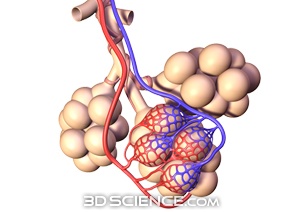
When you breathe, your lungs take in ___ and remove ___.
a)
air/oxygen
b)
oxygen/carbon dioxide
c)
carbon dioxide/waste
d)
waste/air
22.

What is function of the dome-shaped diaphragm?
a)
This is where gas exchange happens.
b)
Air passes through the diaphragm on the way to the lungs.
c)
It attaches to the lungs to help in breathing.
d)
It is under the lungs and keeps them from falling down to your stomach.
23.
What are the main organs of gas exchange in the respiratory system?
a)
diapragm
b)
lungs
c)
trachea
d)
bronchi
24.
What is the main bone structure that protects the lungs
a)
Vertebrae
b)
Rib cage
c)
Skull
d)
Pelvis
25.
A group of tissues creates a
a)
heart
b)
circulatory system
c)
blood cell
d)
smooth muscle tissue
26.
Red blood cells transport __________ around our body.
a)
oxygen
b)
plasma
c)
bones
d)
cardiac muscles
27.
The main purpose of the ____________ system is to break food particles into pieces that can be used.
a)
circulatory
b)
respiratory
c)
digestive
d)
skeletal
28.
What is responsible for delivering oxygen and removing carbon dioxide from the body?
a)
cell nucleus
b)
excretory system
c)
nervous tissue
d)
respiratory system
29.
The __________ is the main organ of the nervous system.
a)
heart
b)
lungs
c)
brain
d)
skin
30.
When tissues come together, they form ___________.
a)
cells
b)
atoms
c)
organs
d)
systems
31.
Which of the following body systems work together for support, protection, and movement?
a)
respiratory and cardiovascular
b)
skeletal and muscular
c)
skeletal and integumentary
d)
digestive and respiratory
32.

What body system makes your body move?
a)
Circulatory
b)
Respiratory
c)
Skeletal
d)
Muscular
33.

What body system removes the waste from your body?
a)
Circulatory
b)
Excretory
c)
Digestive
d)
Respiratory
34.

My spinal cord helps _________ travel between my brain and the nerves in my body.
a)
Memories
b)
Blood
c)
Waste
d)
Messages
35.
What is the body system that sends and recieves electrical signals from the brain?
a)
Skeletal System
b)
Nervous System
c)
Muscular System
d)
Digestive System
36.
Which body system transports oxygen and nutrients through out the body?
a)
Muscular System
b)
Nervous System
c)
Digestive System
d)
Circulatory System
37.
The main purpose of the _______ system is to ensure the continuation of the species.
a)
respiratory
b)
reproductive
c)
circulatory
d)
endocrine
38.
This system is made of 8 different organs.
a)
respiratory
b)
reproductive
c)
endocrine
d)
digestive
39.
What system is the body's way of fighting off pathogens that would make it sick?
a)
Excretory
b)
Immune
c)
Digestive
d)
Endocrine
40.
Which system provides shape and support, enables you to move, protects your internal organs, and stores minerals?
a)
skeletal
b)
muscular
c)
digestive
d)
nervous
41.
Which system takes food into the body, breaks down food, and absorbs the digested materials?
a)
respiratory
b)
circulatory
c)
digestive
d)
excretory
42.
Which system detects information from the environment and directs the way your body responds to this information?
a)
excretory
b)
circulatory
c)
respiratory
d)
nervous
43.
Which system includes the mouth, esophagus, and the small and large intestines?
a)
nervous
b)
excretory
c)
respiratory
d)
digestive
44.
Which system fights disease?
a)
excretory
b)
nervous
c)
immune
d)
digestive
45.
Which system collects and removes wastes?
a)
Muscular
b)
Circulatory
c)
Digestive
d)
Excretory
46.
Which system includes the lymph, lymph nodes, white blood cells, T and B cells?
a)
Excretory
b)
Digestive
c)
Immune
d)
Nervous
47.
Which system includes the kidneys, ureters, urinary bladder, urethra, lungs and skin?
a)
digestive
b)
excretory
c)
circulatory
d)
muscular
48.
Which two body systems work together to break down food and get rid of wastes?
a)
digestive and excretory
b)
digestive and circulatory
c)
excretory and respiratory
d)
nervous and digestive
49.
Your large and small intestines are part of this body system.
a)
nervous
b)
digestive
c)
muscular
d)
skeletal
50.
Where does digestion start?
a)
stomach
b)
mouth
c)
esophagus
51.
What hormone does the pancreas make?
a)
A) Insulin
b)
B) Adrenaline
c)
Growth hormones
d)
Sugar
52.
This system sends chemical messages (hormones) that regulate growth, development, and metabolism.
a)
endocrine
b)
nervous
c)
immune
d)
skeletal
53.
I take and absorb the nutrients that your body needs from your food and I put it in your bloodstream so your body can use it. What am I?
a)
lungs
b)
liver
c)
small intestines
d)
large inttestines
54.

Which system is shown in this image?
a)
muscular
b)
respitory
c)
nervous
d)
digestive
55.
Which system acts as a barrier against infection and UV radiation and helps regulate body temperature?
a)
integumentary
b)
muscular
c)
digestive
d)
circulatory
56.
Which system helps with voluntary and involuntary movement; helps circulate blood and move food through the digestive tract
a)
muscular
b)
skeletal
c)
immune
d)
excretory
57.
This system transport oxygen, nutrients, and wastes and collects fluid lost from blood vessels and returns it to the bloodstream
a)
circulatory
b)
respiratory
c)
skeletal
d)
digestive
58.
This system breaks down food into nutrients the body can absorb.
a)
digestive
b)
excretory
c)
reproductive
d)
immune
59.
This system supports and protects vital organs, stores minerals, and produces red blood cells.
a)
skeletal
b)
muscular
c)
circulatory
d)
nervous
60.
This system sends chemical messages (hormones) that regulate growth, development, and metabolism.
a)
endocrine
b)
nervous
c)
immune
d)
skeletal
100 %

