wayground logo

Free Printable Worksheets

Font size

S
M
L
XL
Worksheets

Chemical & Physical Changes

Total questions: 133

Worksheet time: 1hrs 18mins

Name
Class
Date
1.
Is burning wood a chemical or physical change?
a)
chemical
b)
physical
2.
Is glass breaking a chemical or phyiscal change?
a)
chemical
b)
physical
3.
Is hammering wood together to build a house a chemical or physical change?
a)
chemical
b)
physical
4.
Is a a rusting bicycle a chemical or physical change?
a)
chemcial
b)
physical
5.
Is melting butter for popcorn a chemical or physical change?
a)
chemical
b)
physical
6.
Is melting ice a chemical or physical change?
a)
chemical
b)
physical
7.
Is spoiling food a physical or chemical change?
a)
phyiscal
b)
chemical
8.
Is mixing lemonade powder with water a physical or chemical change?
a)
physical
b)
chemical
9.
Is corroding metal a chemical or physical change?
a)
physical
b)
chemical
10.
Is bleaching your hair a physical or chemical change?
a)
physical
b)
chemical
11.
Is pouring milk in your oatmeal a physical or chemical change?
a)
physical
b)
chemical
12.
Is burning leaves a physical or chemical change?
a)
chemical
b)
physical
13.
Is making salt water to gargle with a physical or chemical change?
a)
physical
b)
chemical
14.
Is cream being whipped a physical or chemical change?
a)
physical
b)
chemical
15.
Is burning toast a chemical or physical change?
a)
physical
b)
chemical
16.
Is a strong gaseous odor coming from the fridge a chemical or physical change?
a)
Chemical
b)
physical
17.
food digested in the stomach
a)
physical change
b)
chemical change
18.
rubbing alcohol evaporates
a)
physical change
b)
chemical change
19.
hydrochloric acid reacts with magnesium to produce hydrogen gass
a)
physical change
b)
chemical change
20.
Salt dissolves in water
a)
physical Change
b)
chemical change
21.
A chemical change is a change in:
a)
the appearance of a substance. 
b)
the chemical composition of a substance. 
c)
the type of matter. 
d)
the way matter is created. 
22.
The smell your dog makes after eating to much people food.
a)
Chemical Change
b)
Physical Change
23.
Baking a cake by mixing flour, sugar, chocolate powder, eggs, and milk, and then heating them in the oven.
a)
Chemical Change
b)
Physical Change
24.
Which of the following is NOT an example of a physical change?
a)
crumpled paper
b)
pencil sharpening
c)
shrunken clothing
d)
sour milk
25.
An gel ice pack getting cold after you put it in the freezer for an hour.
a)
Chemical Change
b)
Physical Change
26.
Which of the following IS a chemical change
a)
using chalk
b)
water freezing
c)
slicing cheese
d)
digestion
27.
Is spoiling food a physical or chemical change?
a)
phyiscal
b)
chemical
28.
Using dye to change the color of a shirt green.
a)
Chemical Change
b)
Physical Change
29.
A change in the size, shape, or state of matter.
a)
chemical change
b)
physical change
c)
chemical reaction
d)
electron change
30.
what is condensing?
a)
physical property
b)
chemical property
c)
chemical change
d)
physical change
31.
what is digestion?
a)
body function
b)
chemical change
c)
physical change
32.
One cup of water is left outside for two days when it was checked there was only half a cup left. What happened?
a)
evaporation; chemical change
b)
condensation; physical change 
c)
evaporation; physical change
d)
condensation; chemical change
33.
Stanley left an ice cube on his kitchen counter. An hour later, Stanley observed that the ice cube melted. Which statement best describes this change?
a)
Ice melting is a physical change because a new substance is created.
b)
Ice melting is a chemical change because a new substance is created.
c)
Ice melting is a chemical change because it may be reversed.
d)
Ice melting is a physical change because it may be reversed.
34.
Which statement best describes why baking a cake is an example of a chemical change?
a)
The process takes place in an oven.
b)
The process requires heat energy.
c)
The process cannot be reversed.
d)
The process can be repeated.
35.
Ice melting
a)
Chemical Change
b)
Physical Change
36.
Water freezing
a)
Chemical Change
b)
Physical Change
37.
Wood burned in a fireplace
a)
Chemical Change
b)
Physical Change
38.
Cake batter baked in an oven
a)
Chemical Change
b)
Physical Change
39.
Blue liquid and yellow liquid mixed to make a green liquid
a)
Chemical Change
b)
Physical Change
40.
Baking soda and vinegar combine to make carbon dioxide
a)
Chemical Change
b)
Physical Change
41.
Light used to produce food in plants
a)
Chemical Change
b)
Physical Change
42.
Glass bottle that is shattered
a)
Chemical Change
b)
Physical Change
43.
Copper roof changing color
a)
Chemical Change
b)
Physical Change
44.
Shredding a piece of paper
a)
Chemical Change
b)
Physical Change
45.
Rust on an iron fence
a)
Chemical Change
b)
Physical Change
46.
Boiling water
a)
Chemical Change
b)
Physical Change
47.
Burning coal
a)
Chemical Change
b)
Physical Change
48.

Which process causes wet clothes on a clothes line to dry?

a)

Boiling

b)

Evaporation

c)

Condensation

d)

Freezing

49.
Salt dissolves in water
a)
physical Change
b)
chemical change
50.
a piece of copper is cut in half
a)
physical change
b)
chemical change
51.
a sugar cube is ground up
a)
physical change
b)
chemical change
52.
water is heated and changed to steam
a)
physical change
b)
chemical change
53.
iron pipe rusts
a)
physical change
b)
chemical change
54.
sodium and potassium react violently with water
a)
physical change
b)
chemical change
55.
pancakes cook on a griddle
a)
physical change
b)
chemical change
56.
food digested in the stomach
a)
physical change
b)
chemical change
57.
Photosynthesis
a)
Chemical
b)
Physical
58.
Erase a pencil mark
a)
Chemical
b)
Physical
59.
Knit a blanket
a)
Chemical 
b)
Physical
60.
Turn on a lamp.
a)
Chemical
b)
Physical
61.
You get energy from the food you eat.
a)
Chemical
b)
Physical
62.
Make a paper airplane
a)
Chemical
b)
Physical
63.
Popcorn pops
a)
Chemical
b)
Physical
64.
Frying an egg.
a)
Chemical
b)
Physical
65.
A set of silver teaspoons has tarnished
a)
Chemical
b)
Physical
66.
You cut up fruit to make a salad
a)
Chemical
b)
Physical
67.
Bubbles form
a)
Chemical
b)
Physical
68.
Fire is produced
a)
Chemical
b)
Physical
69.
A change in phase
a)
Chemical
b)
Physical
70.
Can't easily go back to what you started with
a)
Chemical
b)
Physical
71.
Still have the same thing
a)
Chemical
b)
Physical
72.
Causes a change in temperature, as a result of a reaction
a)
Chemical
b)
Physical
73.
Causes a change in odor
a)
Chemical
b)
Physical
74.
What are the three states of matter?
a)
gas, liquid, mass
b)
solid, liquid, gas
c)
mass, solid, magnet
d)
gas, temperature, solids
75.
Each of these objects is an example of what?house, desk, pencil, car
a)
metal
b)
wood
c)
plastic
d)
matter
76.

Which of the following is a physical change?

a)

Dissolving

b)

Rapid release of heat

c)

Fizzing (release of gas)

d)

Rusting

77.

Which of the following is a chemical change

a)

Evaporating

b)

Bending

c)

Melting

d)

Bleaching of pigments

78.

What is a chemical property?

a)

How two chemicals react with one another when combined

b)

A property that we can measure or observe with our 5 senses or other tools

c)

When two chemicals react with one another to form a new substance

d)

When a change occurs but it does not result in the formation of a new substance

79.

What is physical change?

a)

How two chemicals react with one another when combined

b)

A property that we can measure or observe with our 5 senses or other tools

c)

When two chemicals react with one another to form a new substance

d)

When a change occurs but it does not result in the formation of a new substance

80.

What is chemical change?

a)

How two chemicals react with one another when combined

b)

A property that we can measure or observe with our 5 senses or other tools

c)

When two chemicals react with one another to form a new substance

d)

When a change occurs but it does not result in the formation of a new substance

81.

All of these might indicate a chemical change has occurred except

a)

An unexpected change in color

b)

Gasses are released resulting in fizzing

c)

Light is emitted

d)

A phase change occures

82.

Which of the following is an indication of chemical change

a)

Melting

b)

Freezing

c)

Burning

d)

Evaporating

83.

a property that can be observed only when the matter changes as a result of a chemical reaction

a)

Physical property

b)

chemical property

c)

Production of Gas

84.

a property that can be observed only when the matter changes as a result of a chemical reaction

a)

Physical property

b)

chemical property

c)

Production of Gas

85.

properties that do not change the chemical composition of an object, including mass, weight, hardness, temperature, size, magnetism, physical state (solid, liquid, gas), relative density, solubility, and ability to insulate or conduct heat or electricity

a)

Physical Property

b)

Chemical Property

c)

Production of a Gas

86.

properties that do not change the chemical composition of an object, including mass, weight, hardness, temperature, size, magnetism, physical state (solid, liquid, gas), relative density, solubility, and ability to insulate or conduct heat or electricity

a)

Physical Property

b)

Chemical Property

c)

Production of a Gas

87.

a change that alters the identity of a substance, resulting in a new substance or substances with different properties

a)

Physical Change

b)

Chemical Change

88.

a change that alters the identity of a substance, resulting in a new substance or substances with different properties

a)

Physical Change

b)

Chemical Change

89.

changing materials into different shapes or smaller pieces, heating and cooling, and melting and freezing - no new matter is created

a)

Physical Change

b)

Chemical Change

90.

changing materials into different shapes or smaller pieces, heating and cooling, and melting and freezing - no new matter is created

a)

Physical Change

b)

Chemical Change

91.

creation of a solid in a liquid or inside another solid during a chemical reaction; when the reaction occurs in a liquid, the solid formed

a)

Production of a Gas

b)

Production of Precipitate

c)

Production of Heat

d)

Production of Light

92.

creation of a solid in a liquid or inside another solid during a chemical reaction; when the reaction occurs in a liquid, the solid formed

a)

Production of a Gas

b)

Production of Precipitate

c)

Production of Heat

d)

Production of Light

93.

sign that a new substance is being formed from a chemical change; usually seen as bubbles

a)

Production of a Gas

b)

Production of Precipitate

c)

Production of Heat

d)

Production of Light

94.

sign that a new substance is being formed from a chemical change; usually seen as bubbles

a)

Production of a Gas

b)

Production of Precipitate

c)

Production of Heat

d)

Production of Light

95.

evidence of release of energy during a chemical change

a)

Production of a Gas

b)

Production of Precipitate

c)

Production of Heat & Light

96.

increase or decrease of heat energy in a substance; may be evidence of a new substance being formed during a chemical change

a)

Color Change

b)

Production of Precipitate

c)

Production of Heat & Light

d)

Temperature Change

97.

increase or decrease of heat energy in a substance; may be evidence of a new substance being formed during a chemical change

a)

Color Change

b)

Production of Precipitate

c)

Production of Heat & Light

d)

Temperature Change

98.

changing color in a chemical reaction - evidence of a chemical change

a)

Color Change

b)

Production of Precipitate

c)

Production of Heat & Light

d)

Temperature Change

99.

changing color in a chemical reaction - evidence of a chemical change

a)

Color Change

b)

Production of Precipitate

c)

Production of Heat & Light

d)

Temperature Change

100.

a property or characteristic of a substance that is observed or measured during a reaction in which the chemical composition or identity of the substance is changed

a)

Chemical Process

b)

Chemical Change

101.

a property or characteristic of a substance that is observed or measured during a reaction in which the chemical composition or identity of the substance is changed

a)

Chemical Process

b)

Chemical Change

102.
what is the definition of chemical change?
a)
any change that results in the formation of new chemical substances. 
b)
changing clothes
c)
matter cannot be created or destroyed, only change form
d)
changes affecting the form of a chemical substance, but not its chemical composition.
103.
which one is the definition of chemical property?
a)
a property or characteristic of a substance that is observed during a reaction where the chemical composition of a substance is changed
b)
any change that results in the formation of new chemical substances
c)
combustibility
104.
what is the definition of physical change?
a)
any change that results in the formation of new chemical substances. 
b)
rusting
c)
changes affecting the form of a chemical substance, but not its chemical composition.
d)
any property that is measurable, whose value describes a state of a physical system
105.
what is burning?
a)
physical change
b)
physical property
c)
chemical change
d)
chemical property
106.
which one is a chemical property?
a)
odor
b)
combustibility
c)
solubility
d)
all of the above
107.
what is condensing?
a)
physical property
b)
chemical property
c)
chemical change
d)
physical change
108.
what is digestion?
a)
body function
b)
chemical change
c)
physical change
109.
energy is a chemical property
a)
true
b)
false
110.
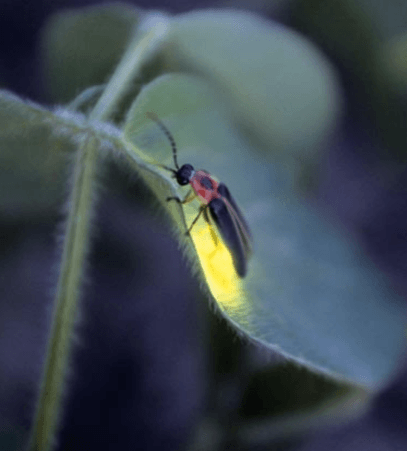
Is a firefly lighting up a physical or chemical change?
a)
Physical
b)
Chemical
111.
Is getting a tan a physical or chemical change?
a)
Physical
b)
Chemical
112.
Is melting iron a physical or chemical change?
a)
Physical
b)
Chemical
113.
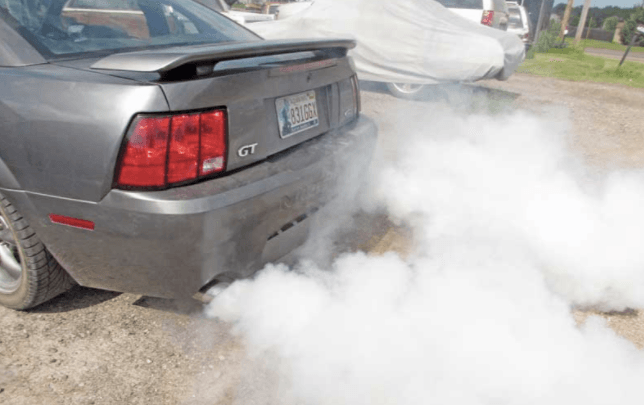
Is a car using fuel a physical or chemical change?
a)
Physical
b)
Chemical
114.
Is sour milk a physical or chemical change?
a)
Physical
b)
Chemical
115.
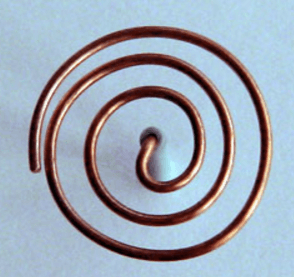
Is bending copper wire a physical or chemical change?
a)
Physical
b)
Chemical
116.

this change can be reversed

a)

Chemical

b)

Physical

117.

this change can be reversed

a)

Chemical

b)

Physical

118.

this change can be reversed

a)

Chemical

b)

Physical

119.

this change can NOT be reversed

a)

Chemical

b)

Physical

120.

this change can NOT be reversed

a)

Chemical

b)

Physical

121.

this change can NOT be reversed

a)

Chemical

b)

Physical

122.

this change creates a new substance

a)

Chemical

b)

Physical

123.

this change creates a new substance

a)

Chemical

b)

Physical

124.

this change creates a new substance

a)

Chemical

b)

Physical

125.

this change does NOT create a new substance

a)

Chemical

b)

Physical

126.

this change does NOT create a new substance

a)

Chemical

b)

Physical

127.

this change does NOT create a new substance

a)

Chemical

b)

Physical

128.

this change is only to the physical properties

a)

Chemical

b)

Physical

129.

this change is only to the physical properties

a)

Chemical

b)

Physical

130.

this change is only to the physical properties

a)

Chemical

b)

Physical

131.

this change is to the physical and chemical properties

a)

Chemical

b)

Physical

132.

this change is to the physical and chemical properties

a)

Chemical

b)

Physical

133.

this change is to the physical and chemical properties

a)

Chemical

b)

Physical