
 Worksheets
ECE-411 Educational Learning Theories and Theorists
Total questions: 33
Worksheet time: 56mins
Name
Class
Date
1.

Subsumption Theory
a)
Ausebel
b)
Bandura
c)
Comenius
d)
Bruner
e)
Dewey
2.

Behavior can be learned through the observation of others
a)
Maslow
b)
Bandura
c)
Bruner
d)
Vygotsky
e)
Pavlov
3.

Constructivist Theory
a)
Bruner
b)
Bandura
c)
Dewey
d)
Watson
e)
Comenius
4.

Considered the "Father of Modern Education"
a)
Bandura
b)
Comenius
c)
Maslow
d)
Ausebel
e)
Dewey
5.

Learning by doing
a)
Wertheimer
b)
Bandura
c)
Dewey
d)
Bruner
6.

"Eight stages of man"
a)
Ausebel
b)
Comenius
c)
Pavlov
d)
Erikson
e)
Maslow
7.

Cognitive Dissonance
a)
Comenius
b)
Gagne
c)
Bruner
d)
Bandura
e)
Festinger
8.

Id, Ego and Super-Ego
a)
Wertheimer
b)
Bruner
c)
Freud
d)
Dewey
e)
Watson
9.

Conditions of Learning
a)
Pavlov
b)
Thorndike
c)
Gagne
d)
Dewey
e)
Festinger
10.

7 distinct and measureable forms of intelligence
a)
Thorndike
b)
Gardner
c)
Bandura
d)
Bandura
e)
Watson
11.

Three stages of moral development
a)
Kohlberg
b)
Bruner
c)
Dewey
d)
Wertheimer
e)
Maslow
12.

Students are "blank slates" on which teachers "write" knowledge
a)
Locke
b)
Comenius
c)
Watson
d)
Ausebel
e)
Bandura
13.

Hierarchy of needs (Five levels)
a)
Gagne
b)
Maslow
c)
Bruner
d)
Thorndike
e)
Pavlov
14.

Information processing theory
a)
Dewey
b)
Festinger
c)
Miller
d)
Bandura
e)
Maslow
15.

Classical conditioning - had a dog
a)
Vygotsky
b)
Ausebel
c)
Comenius
d)
Pavlov
e)
Bandura
16.

Four developmental stages of child development
a)
Dewey
b)
Bandura
c)
Bruner
d)
Piaget
e)
Comenius
17.

Two types of knowledge: academic and experiential
a)
Comenius
b)
Pavlov
c)
Maslow
d)
Erikson
e)
Rogers
18.

Operant conditioning
a)
Vygotsky
b)
Bandura
c)
Watson
d)
Skinner
e)
Bruner
19.

Learners form connections between a stimulus and a response
a)
Ausebel
b)
Bandura
c)
Thorndike
d)
Comenius
e)
Bruner
20.

"Zone of Proximal Development"
a)
Maslow
b)
Thorndike
c)
Bruner
d)
Ausebel
e)
Vygotsky
21.

Most human learning and behavior is controlled by experience.
a)
Comenius
b)
Watson
c)
Bruner
d)
Bandura
e)
Bandura
22.

Gestalt Theory: some ideas can only be understood as part of a "bigger picture"
a)
Bruner
b)
Bandura
c)
Wertheimer
d)
Ausebel
e)
Bandura
23.

Lead singer for The Doors
a)
Morrison
b)
Watson
c)
Freud
d)
Erikson
e)
Vygotsky
24.
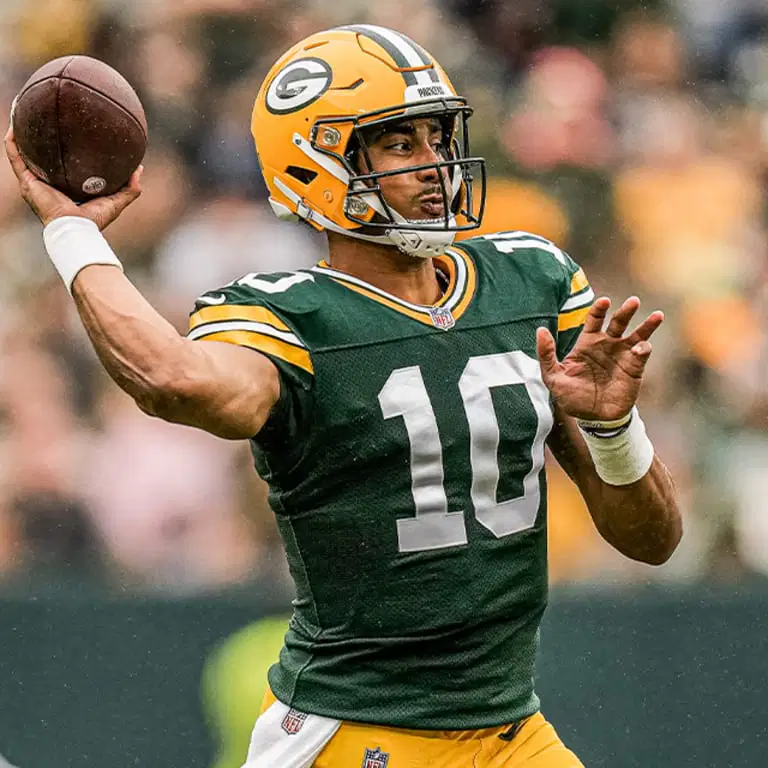
Quarterback for the Green Bay Packers.
a)
Love
b)
Starr
c)
Cousins
d)
Rogers
e)
Favre
25.

Your teacher for this class
a)
Olson
b)
Johnson
c)
Nelson
d)
Neilson
e)
Peterson
26.

Wrote "Mr. Tambourine Man"
a)
Springsteen
b)
Dylan
c)
Young
d)
Swift
e)
Vedder
27.

Lead guitar player for Queen
a)
May
b)
Mercury
c)
Venus
d)
Page
e)
Clapton
28.

Favorite food(s) of the following? (Select as many as you like)
a)
Pizza
b)
Chinese
c)
Mexican
d)
Burgers and Brats
e)
Italian/Pasta
29.

This guy took the idea of DOK and applied it specifically to Mathematics.
a)
Jim Nelson
b)
Robert Kaplinsky
c)
Norman Webb
d)
Fred Bloom
30.
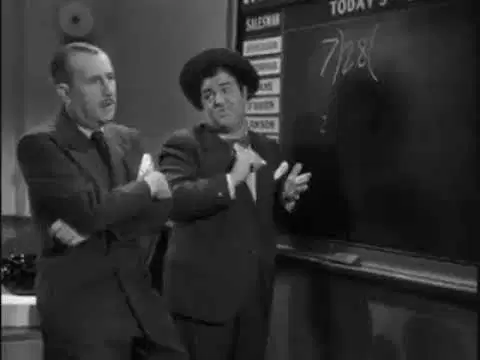
What is 7 X 13?
a)
28
b)
91
c)
20
d)
Infinity
31.
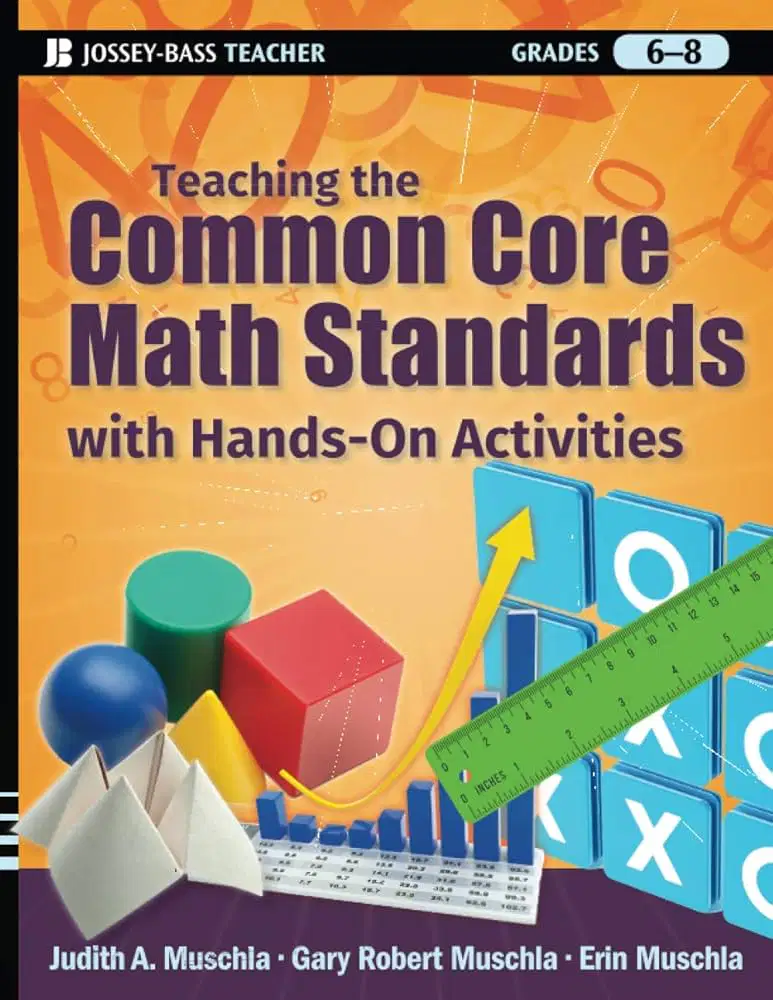
Wisconsin uses Common Core Standards for Mathematics.
a)
True
b)
False
32.

What grade level is this Math standard from: 2.NBT.4
a)
4th Grade
b)
1st Grade
c)
You can't tell without reading the actual standard
d)
2nd Grade
33.
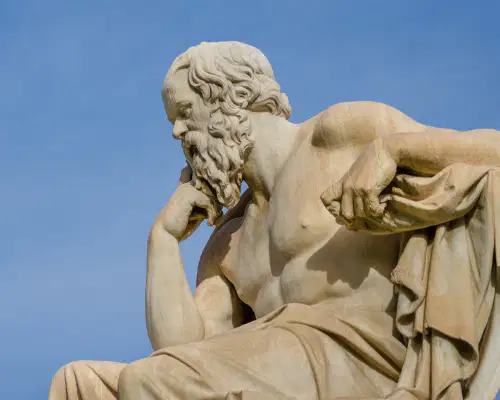
What is Rule #1 in Life?
a)
If you want to be good at something, find someone who is already good at it and then just do whatever they do.
b)
Wear clean socks
c)
Make your bed every morning
d)
Don't take s#%t from anyone
100 %

