
 Worksheets
Functional Anatomy - Respiratory System
Total questions: 20
Worksheet time: 12mins
The upper respiratory system is composed of these divisions:
Nasal cavity
Larynx
Pharynx
Bronchioles
These apply to inhalation
Diaphragm moves up
Ribs move in
Ribs move out
Diaphragm contracts
Creates larger pressure in thoracic cavity
These apply to exhilation
Diaphragm relaxes
Pressure increases in thoracic cavity
Pressure is less outside the body
Diaphragm moves down
Which answer is true?
Increase in volume= increase in pressure
decrease in volume= increase in pressure
decrease in volume= decrease in pressure
Increase in volume= decrease in pressure
What causes change in pressure when we breathe?
Carbon dioxide levels
Oxygen levels
Diaphragm movement
Hypoxia
Pressure moves from high to low
False
True
Your lungs are ___________ air
My lungs are __________________ air.
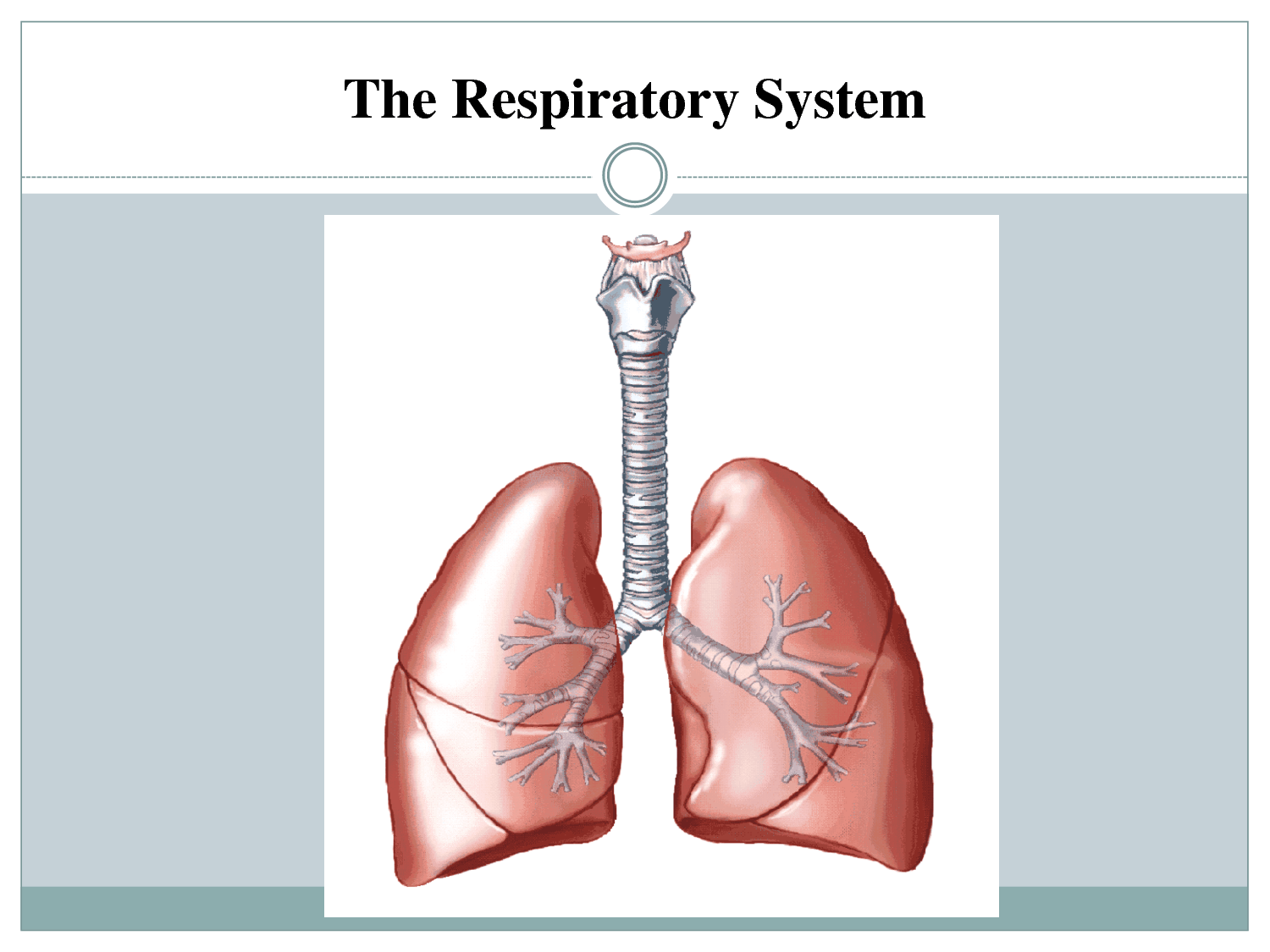
What are the tiny air sacs that allow for diffusion between oxygen and carbon dioxide
Bronchi
Bronchioles
Trachea
Alveoli
What is the name of the passages that enables air to pass into the Alveoli?
Bronchi
Trachea
Pharynx
Bronchioles
Please choose the correct pathway air travels though into the lungs
Nasal passage, pharynx, larynx, trachea, bronchiole, bronchi, alveoli
Nasal passage, pharynx, larynx, trachea, bronchi, bronchiole, alveoli
Nasal passage, pharynx, larynx, trachea, bronchi, alveoli, bronchiole
Nasal passage, trachea, pharynx, larynx, bronchi, bronchiole, alveoli
What am I? I divide in 2 and lead to each lung.
Bronchioles
Bronchi
Alveoli
Trachea
Which sequence correctly indicates the branching pattern of the human respiratory system?
trachea -> bronchi -> bronchioles -> alveoli
trachea -> bronchioles -> bronchi -> alveoli
alveoli -> trachea -> bronchioles -> bronchi
alveoli -> bronchioles -> trachea -> bronchi
What is the main function of gas exchange
To remove carbon dioxide and supply oxygen to the body
To remove oxygen from the body
To supply carbon dioxide and remove oxygen from the body
To supply water to the body cells
Which part of the human respiratory system is a thin, moist membranous structure where gas exchange occurs?
trachea
bronchus
epiglottis
alveolus

