
 Worksheets
Atoms, Matter and the Periodic Table
Total questions: 102
Worksheet time: 1hrs 11mins
Name
Class
Date
1.
all matter is made of what
a)
energy
b)
atoms
c)
electrons
d)
compounds
2.
The positive particles of an atom are
a)
electrons
b)
positrons
c)
neutrons
d)
protons
3.
the central region of an atom where its neutrons and protons are is its
a)
nucleus
b)
electron cloud
c)
core
d)
center
4.
an atom with atomic number 6 would have how many protons
a)
6
b)
12
c)
3
d)
cannot be determined
5.
Particles in an atom that are neutral and have no charge are
a)
negatrons
b)
electrons
c)
neutrons
d)
protons
6.
What is the atomic number for an element with three protons?
a)
2
b)
1
c)
3
d)
6
7.
A particle that moves around the nucleus is a(n)...
a)
Proton
b)
Neutron
c)
Electron
d)
Quark
8.

What does the 1.00794 stand for?
a)
Hydrogen
b)
atomic number
c)
atomic mass
d)
atomic explosion
9.
I am anything that has mass and takes up space!
a)
energy
b)
matter
c)
molecules
d)
atoms
10.
I am the smallest whole particle of matter.
a)
atom
b)
compound
c)
molecule
d)
mixture
11.
I am 2 or more elements chemically bonded.
a)
atom
b)
molecule
c)
compound
d)
mixture
12.
Texture, color, states of matter, flexibility, freezing & melting points
a)
Chemical Properties
b)
Physical Properties
c)
States of Mass
d)
Scientific matterology
13.
Which of the following is an example of a chemical property?
a)
melting
b)
bending a paper clip
c)
rusting
d)
boiling water
14.
C6H12O11
a)
Chemical Mixture
b)
Chemical Formula
c)
Chemical Equation
d)
Single Atom
15.
Which 2 kinds of particles make up the nucleus of an atom?
a)
electrons and neutrons
b)
electrons and nuclei
c)
protons and neutrons
d)
protons and kryptons
16.
Which particle is equal to the Atomic Number
a)
# of electrons
b)
# of neutrons
c)
# of protons
17.
A pure substance that cannot be broken down into any other substance by chemical or physical means. There are about 100 of us shown in the Periodic Table
a)
compound
b)
mixture
c)
molecule
d)
element
18.
What does the 1.00794 stand for?
a)
Hydrogen
b)
atomic number
c)
atomic mass
d)
atomic explosion
19.
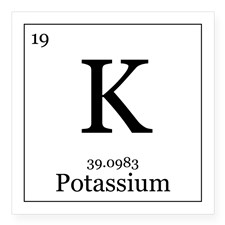
How many neutrons are in the atom "K"? Atomic number: 19. Mass: 39
a)
7
b)
19
c)
39
d)
20
20.
If an atom has 12 positively charged subatomic particles, which of the following must it also have to be considered a neutral atom?
a)
12 neutrons
b)
12 electrons
c)
12 protons
d)
24 protons and neutrons
21.
If an atom has 10 protons, 10 neutrons, and 10 electrons, what is the mass of the atom?
a)
10
b)
20
c)
30
22.
Ions are:
a)
atoms with a positive or negative charge
b)
atoms with no charge
c)
atoms with ONLY a positive charge
d)
atoms with ONLY a negative charge
23.
Which statement best describes an element?
a)
made from mixture
b)
thousands in the world
c)
pure, made of only one atom
d)
can be separated
24.
Which one can be found on the periodic table?
a)
Compound
b)
Element
25.
Water is an example of:
a)
Element
b)
Compound
c)
Solution
26.
Carbon is considered an element while carbon dioxide is considered a compound. This is because carbon dioxide is –
a)
a gas at room temperature.
b)
made of two different elements.
c)
given off by green plants.
27.

What is sugar?
a)
element
b)
compound
c)
mixture
28.

What is gold?
a)
element
b)
compound
c)
mixture
29.

What is krypton?
a)
element
b)
compound
c)
mixture
30.
Is in simplest form and cannot be broken down
a)
Element
b)
Compound
c)
Mixture
31.
Can be found on the periodic table
a)
Element
b)
Compound
c)
MIxture
32.
Which statement about matter is TRUE?
a)
Atoms are not matter but they are contained in matter.
b)
Matter exists only when you can see it.
c)
Living things are not matter
d)
Matter is made up of atoms
33.
Which of the following represents an element?
a)
H2O
b)
H2
c)
NaCl
d)
CaCO3
34.
Which of the following is not a compound?
a)
HCl
b)
Cl
c)
NaCl
d)
CO2
35.
Salt has a chemical formula of NaCl. Salt is a...
a)
Compound
b)
Element
c)
Mixture
d)
None of the Above
36.
How many elements are represented in the compound?
Na2CO3
Na2CO3
a)
1
b)
2
c)
3
d)
4
37.
A combination of substances that are not chemically combined is called a(n)____________.
a)
mixture
b)
compound
c)
physical
38.
Mixtures are separated through ___________changes.
a)
mixture
b)
compound
c)
physical
39.
Vertical columns in the periodic table are called _________ of elements and have similar properties.
a)
groups
b)
periods
40.
What is H2SO4
made up of?
made up of?
a)
2 hydrogen, 1 sulfur, 4 oxygen
b)
1 hydrogen, 2 sulfur, 4 oxygen
c)
2 hydrogen & 4 sodium
d)
1 hydrogen & 6 sodium
41.

The blue numbers in the image below are called ___________.
a)
compounds
b)
coefficients
c)
subscripts
d)
chemical formulas
42.
How many atoms are there TOTAL in:
H2SO4
H2SO4
a)
6
b)
5
c)
7
d)
3
43.
Each column in the periodic table is called a
a)
period
b)
group
c)
cluster
d)
unit
44.
In the modern periodic table elements are arranged by:
a)
atomic mass
b)
atomic number
c)
valence electrons
d)
number of isotopes
45.
Elements in the same ________ are more chemically similar.
a)
group
b)
period
c)
club
d)
table
46.
Rows on the period table are called _____ while columns are called _____.
a)
groups, families
b)
groups, periods
c)
periods, groups
d)
families, groups
47.

What is the number of protons that the element in this image contain?
a)
14
b)
7
c)
15
d)
18
48.
The first energy level can hold up to how many electrons?
a)
8
b)
4
c)
2
d)
5
49.

What is the atomic mass of "F"
a)
9
b)
18
c)
17
d)
19
50.
all matter is made of what
a)
energy
b)
atoms
c)
electrons
d)
compounds
51.
the central region of an atom where its neutrons and protons are is its
a)
nucleus
b)
electron cloud
c)
core
d)
center
52.

A vertical column is called...
a)
group
b)
tower
c)
period
d)
crew
53.
What is the chemical formula for water?
a)
H3O
b)
H2O2
c)
H2O3
d)
H2O
54.
Ne is a(n)...
a)
Element
b)
Molecule
c)
Compound
d)
Crystal
55.
There are 92 naturally occurring atoms, the rest are made in labs.
a)
True
b)
False
56.

Substance with NO definite volume or shape...
a)
solid
b)
liquid
c)
gas
57.

Substance with a DEFINITE volume, but NO definite shape...
a)
solid
b)
liquid
c)
gas
58.

Substance with a DEFINITE shape and DEFINITE volume...
a)
solid
b)
liquid
c)
gas
59.
Amount of matter in a solid, liquid, or gas...
a)
mass
b)
volume
60.
Amount of space an object takes up...
a)
Mass
b)
Volume
61.

Which particles are found in an atom's nucleus?
a)
Protons
b)
Neutrons
c)
Electrons
d)
Both protons and neutrons
62.
Shape is a ____ that helps identify an object.
a)
physical property
b)
chemical property
c)
mass
d)
matter
63.
Iron + oxygen = rust is an example of a ___________.
a)
physical property/change
b)
chemical property/change
c)
mass
d)
volume
64.
Different materials placed together, but each keeps its own properties...
a)
Solution
b)
Mixture
65.

True of False: The atomic weight (the decimal) identifies how many protons and electrons are found in an element.
a)
True
b)
False
66.
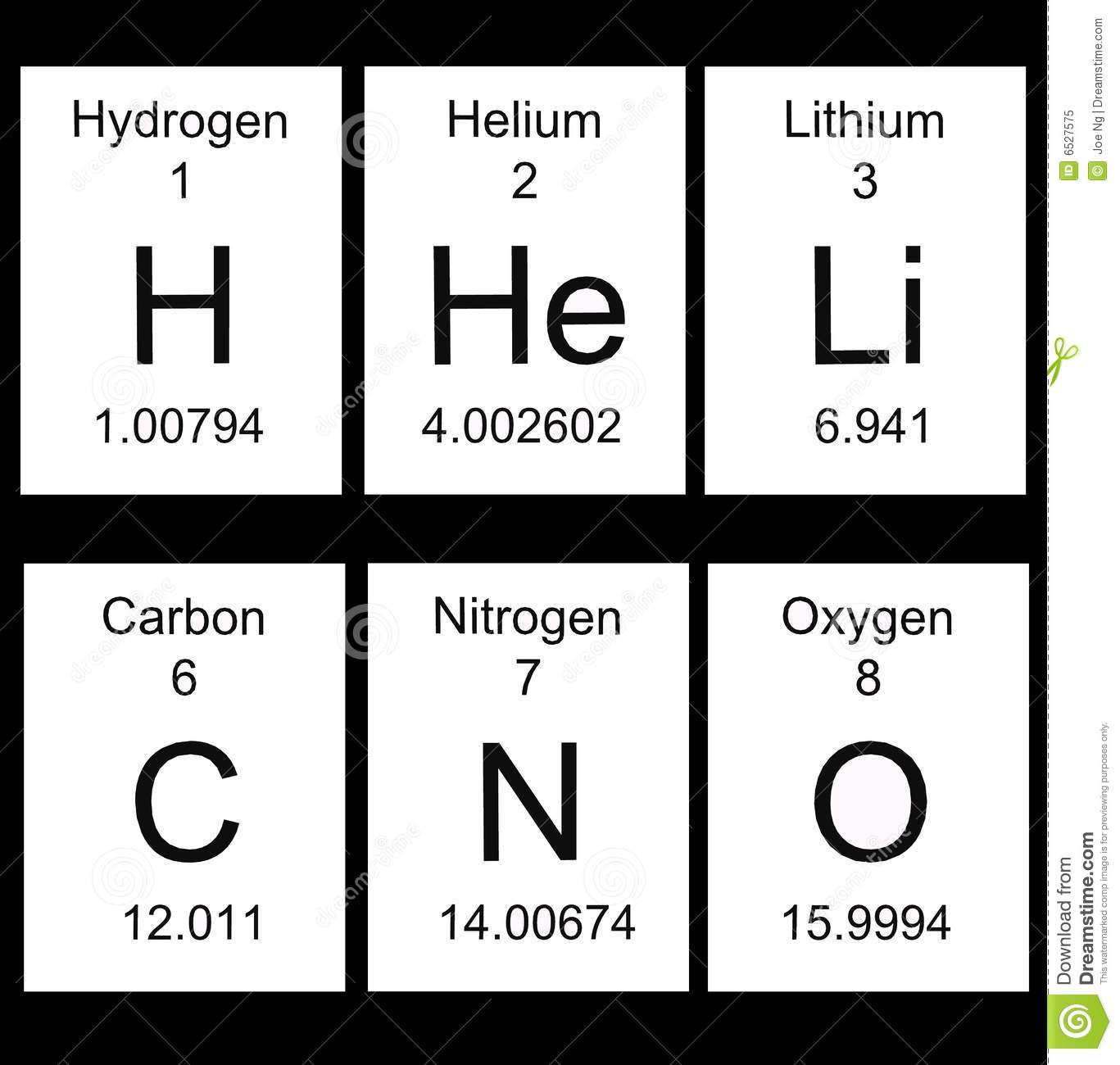
What is the chemical symbol for Lithium?
a)
H
b)
He
c)
Li
d)
N
67.
Shape is a ____ that helps identify an object.
a)
physical property
b)
chemical property
c)
mass
d)
matter
68.
Iron + oxygen = rust is an example of a ___________.
a)
physical property/change
b)
chemical property/change
c)
mass
d)
volume
69.
a type of matter that can be found on earth as a solid, liquid, and gas
a)
gold
b)
water
c)
oxygen
d)
rock
70.
Which of the following is a part of the water cycle?
a)
evaporation
b)
condensation
c)
precipitation
d)
all of the above
71.
If you saw a glass of water and later the water was gone what happened to the water? Remember that your in the science lab.
a)
Ms. Klenk was very thirsty and drank the water.
b)
evaporation
c)
precipitation
d)
solubility
72.
A physical property can be observed with your
a)
Eyes
b)
Ears
c)
Tastes
d)
All of the above
73.
Cutting an orange is a physical change.
a)
True
b)
False
74.
Changing the way matter looks without changing it into NEW matter is a:
a)
Chemical change
b)
Physical change
c)
Energy change
d)
BOTH a chemical and a physical change
75.
Which change can occur when you add heat energy to water?
a)
The water can change from a liquid to a solid
b)
The water can change from a gas to a liquid
c)
The water can change from a liquid to a gas
d)
The water can change from a solid to a liquid
76.
Which term means "the ability to cause change?"
a)
Matter
b)
Heat
c)
Energy
d)
physical change
77.
Which of the following could be a characteristic that changes in matter during a PHYSICAL CHANGE?
a)
Size
b)
State
c)
Texture
d)
All of the above
78.
Water freezing to ice is an example of a:
a)
Physical change
b)
Chemical change
79.
Burning wood to ash is an example of a:
a)
Physical change
b)
Chemical change
80.
The number of negatively charged particles in the most outer shell.
a)
Valence Electrons
b)
Valence Neutron
c)
Valence Proton
d)
Valance Particles
81.
A pure substance containing only one type of atom.
a)
Element
b)
Simple Substance
c)
Single Substance
d)
Mixture
82.
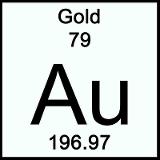
Which number is the atomic mass?
a)
79
b)
196.97
83.
The mass of the products in a chemical reaction is the same as the mass of the reactants in the reaction. Which law best describes this statement?
a)
The Law of Conservation of Angular Momentum
b)
The Law of Superposition
c)
The Law of Conservation of Matter
d)
The Law of Entropy
84.
Anything that has mass and takes up space is called
a)
heterogeneous
b)
homogeneous
c)
matter
d)
density
85.

How many electron clouds levels does the atom have in the picture?
a)
4
b)
2
c)
1
d)
3
86.
The atomic model is named after which scientist
a)
Brady
b)
Bohr
c)
Bohacs
d)
Feehan
87.
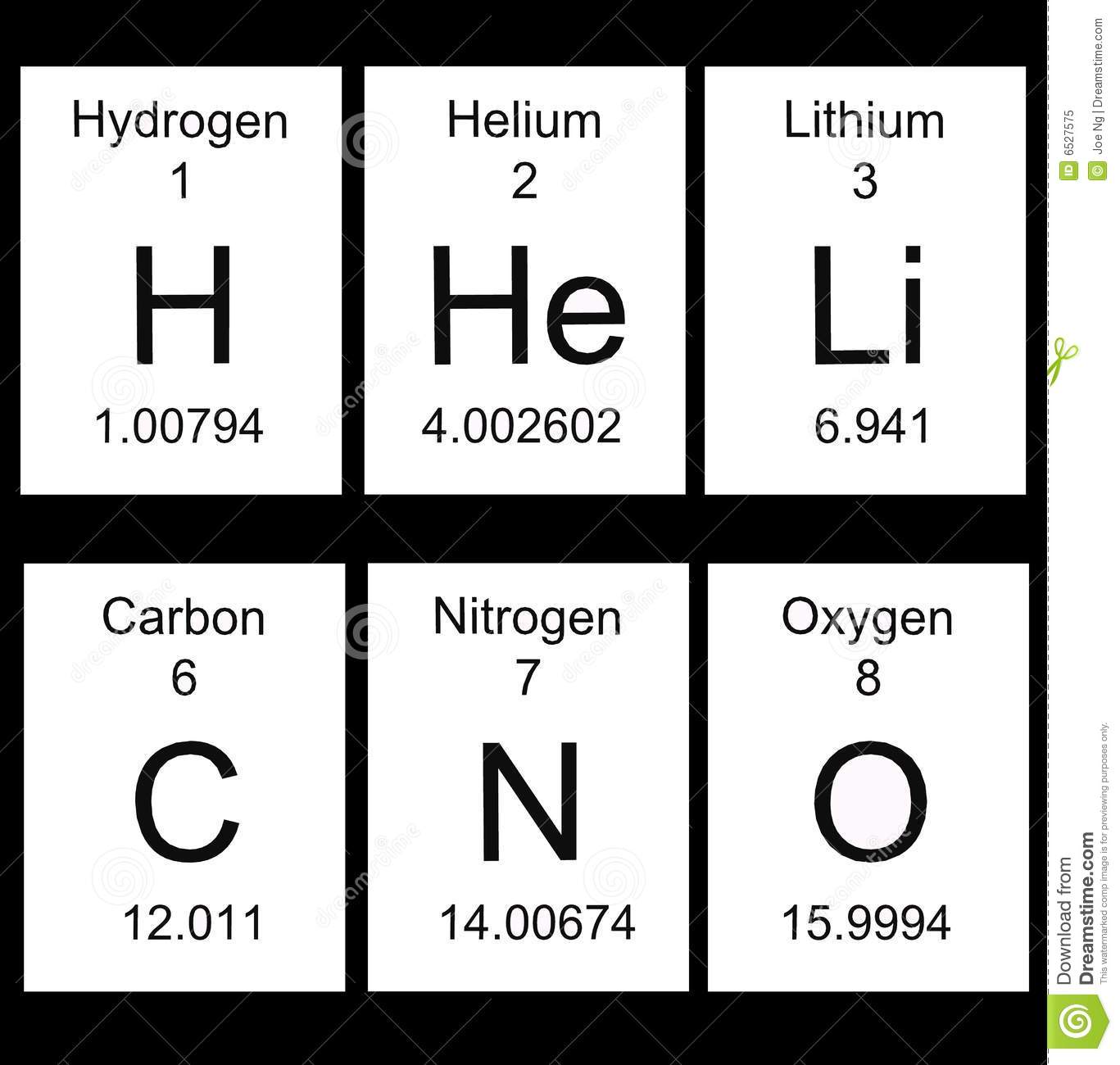
The number at the bottom of each square on the periodic table is the ...
a)
atomic number
b)
atomic mass
c)
chemical symbol
d)
element name
88.
A table that shows the elements, their atomic number, symbol, and average atomic mass, elements with similar chemical properties are grouped together.
a)
Periodic Table
b)
Compounds
c)
Mixture
d)
Element
89.
A mixture of two or more metals.
a)
Nonmetal
b)
Alloy
c)
Mixture
d)
Metal
90.
Texture, color, states of matter, flexibility, freezing & melting points
a)
Chemical Properties
b)
Physical Properties
c)
States of Mass
d)
Scientific matterology
91.
A homogeneous mixture is also known as a ____.
a)
solution
b)
compound
c)
product
d)
element
92.
Where are electrons located?
a)
nucleus
b)
electron cloud
c)
outside the atom
d)
ovals
93.
When a metal can be shaped and molded, it is _______.
a)
malleable
b)
ductile
94.
A mixture that is uniform throughout with solid colors like kool-aid is:
a)
homogeneous mixture
b)
heterogeneous mixture
95.
A mixture that is not uniform and shows patterns and different substances is:
a)
homogeneous mixture
b)
heterogeneous mixture
96.
The substances that make up a _______ keep their physical properties.
a)
Mixture
b)
Compound
97.
Characteristics such as color, size, odor and density.
a)
physical properties
b)
chemical properties
98.
Mixture in which the different particles of matter are spread evenly throughout.
a)
solution
b)
atom
99.
In a solution, the material present in the greater amount.
a)
molecule
b)
solvent
100.
Which one is an element?
a)
sugar
b)
gold
101.
True or false? A mixture cannot be separated out.
a)
True
b)
False
102.
True or False? Albert Einstein created the periodic table.
a)
True
b)
False
100 %

