wayground logo

Free Printable Worksheets

Font size

S
M
L
XL
Worksheets

Section 3: Pure Substances and Mixtures

Total questions: 106

Worksheet time: 5hrs 35mins
Name
Class
Date
1.
Combination of two or more pure substances that are not chemically combined
a)
compound          
b)
atom
c)
mixture 
d)
element
2.
A pure substance that cannot be broken down into other substances by chemical or physical means. 
a)
compound          
b)
atom
c)
mixture 
d)
element
3.
made up of one kind of matter and has a definite set of properties
a)
compound          
b)
atom
c)
mixture 
d)
pure substance
4.
A mixture that is uniform and well mixed is _____.
a)
homogeneous
b)
hetergeneous
c)
pure substance
d)
compoud
5.
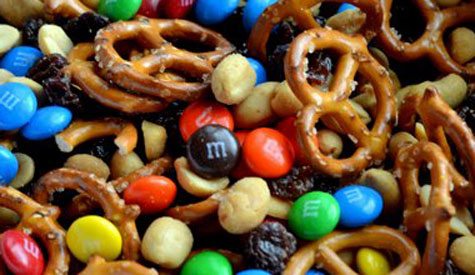
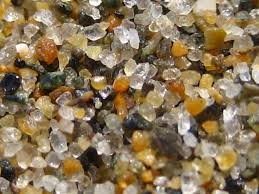
The picture shown here is what type of mixture?
a)
homogeneous
b)
hetergeneous
c)
pure substance
d)
element
6.
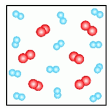
This diagram represents a _____.
a)
pure substance that is a compound
b)
mixture of elements
c)
pure substance that is an element
d)
mixture of compounds
7.
This diagram represents a _____.
a)
pure substance that is a compound
b)
mixture of elements
c)
pure substance that is an element
d)
mixture of compounds
8.
This diagram represents a _____.
a)
pure substance that is a compound
b)
mixture of elements
c)
pure substance that is an element
d)
mixture of compounds
9.
This diagram represents a _____.
a)
pure substance that is a compound
b)
mixture of elements and compounds
c)
pure substance that is an element
d)
mixture of compounds
10.

Which is the best set of tools to use for separating a mixture of water, sugar, and pebbles?

a)

a filter and a magnet

b)

a filter and a hot plate/Bunsen burner

c)

a magnet and a hot plate/Bunsen burner

d)

a settling tank and a filter

11.
This is made up of one or more of the SAME kind of atom
a)
Element
b)
Mixture
c)
Compound
d)
Matter
12.
Water is
a)
a pure substance
b)
a mixture
13.

Which of the following is classified as a pure substance?

a)

Lemonade

b)

Fruit punch

c)

ketchup

d)

Helium

14.

Carbon dioxide is classified as:

a)

Pure substance

b)

Solution

c)

Mechanical Mixture

d)

Solute

15.

Examples of solutes are:

a)

Sugar and water

b)

Sugar and Salt

c)

Water and oil

d)

Oil and vinegar

16.

A solvent is:

a)

The substance that dissolves.

b)

The ability to dissolve in a solvent.

c)

The substance that does the dissolving.

d)

A solution.

17.
Compounds are pure substances made from two or more elements chemically combined. What is the name of the illustration that shows all the known elements?
a)
element table
b)
periodic table
c)
star chart
d)
solar system model
18.
A magnet was placed near a pile that contained both iron and sulfur. The magnet was moved gradually closer to the pile. As it neared the pile, the magnet started attracting small pieces of iron from the pile. 
Which of these statements best describes the contents of the pile?
a)
It is a heterogeneous mixture of iron and sulfur that can be separated by magnetism.
b)
It is a solution of iron and sulfur that can be separated by magnetism.
c)
 It is a compound of iron and sulfur that can be separated by magnetism.
d)
It is a suspension of sulfur in iron that can be separated by magnetism.
19.
Of these mixtures, which one is a solution?
a)
A
b)
B
c)
C
d)
D
20.
In this picture, which represents atoms?
a)
A
b)
B
c)
C
21.
In this picture, how would you best label or describe A and B?
a)
products
b)
elements
c)
reactants
d)
producers
22.
In this picture, which one represents a compound?
a)
A
b)
B
c)
C
23.
In this picture, which represents an element?
a)
A
b)
B
c)
C
24.
Which of these common substances is a homogeneous mixture? 
a)
table salt
b)
whole milk
c)
pure water
d)
maple syrup
25.
What type of substance is always made up of a single type of atom?
a)
compound
b)
mixture
c)
molecule
d)
element
26.
How could you break down the compound calcium carbonate into the elements that make it up?
a)
by melting
b)
by crushing
c)
with a filter
d)
with chemical changes
27.
Which of these substances is a compound?
a)
chlorine
b)
nitrogen
c)
uranium
d)
ammonia
28.
What is a homogeneous mixture?
a)
a mixture that is the same throughout.
b)
a mixture that is made up of one type of atom.
c)
a mixture that is made up of one type of compound
d)
a mixture that cannot be separated through physical changes
29.

Which of the images would be considered a pure substance? Choose all of the correct answers.

a)

A

b)

B

c)

C

d)

D

e)

E

30.
An example of a compound would be:
a)
hydrogen gas (H2)
b)
heterogeneous
c)
sodium chloride (NaCl)
d)
oxygen gas (O2)
31.
You are eating a pizza. What type of mixture are you consuming?
a)
homogeneous
b)
heterogeneous
c)
pure substance
d)
The Periodic Table
32.
Formed when atoms are joined together by a chemical bond.
a)
mixture
b)
molecules
c)
electron cloud
33.
DIFFERENT kinds of atoms chemically combined to form a substance are
a)
Mixture
b)
Element
c)
Compound
d)
Substance
34.
CaCl2
a)
Pure Substance & Element
b)
Pure Substance & Compound
c)
Mixture & Homogenous
d)
Mixture & Heterogenous
35.
Carbon
a)
Pure Substance & Element
b)
Pure Substance & Compound
c)
Mixture & Homogenous
d)
Mixture & Heterogenous
36.
Carbon dioxide
a)
Pure Substance & Element
b)
Pure Substance & Compound
c)
Mixture & Homogenous
d)
Mixture & Heterogenous
37.
Chocolate chip cookie
a)
Pure Substance & Element
b)
Pure Substance & Compound
c)
Mixture & Homogenous
d)
Mixture & Heterogenous
38.
What is an example of a mixture?
a)
iron
b)
ice
c)
soil
d)
gold
39.
Salt is a(n)
a)
element
b)
compound
c)
mixture
40.
Salt and pepper are a(n)
a)
element
b)
compound
c)
mixture
41.
This contains a variety elements and compounds that ARE NOT chemically combined.
a)
Water
b)
Mixture
c)
Elements
d)
Compounds
42.
Alex goes into the garden and digs up a shovel full of dirt.  This is a _____________ mixture.
a)
Homogeneous
b)
Heterogenous
43.
Can a mixture be separated? 
a)
No
b)
Yes
c)
Only sometimes
44.
What is a compound? 
a)
 the simplest form of a substance 
b)
a combination only of 3 elements 
c)
a combination of 2 or more elements 
d)
a place where people are held 
45.
What is a mixture? 
a)
a combination of elements to make a new substance 
b)
a chemically combined substance 
c)
a combination of substances where new substances are formed through a reaction
d)
a combination of substances in which the atoms of the substance do not chemically combine
46.
Pepsi is a . . .
a)
Heterogeneous mixture
b)
homogeneous mixture
c)
Element
d)
Compound
47.
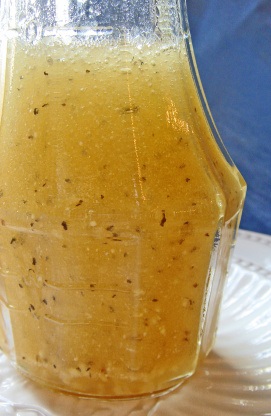
Italian Salad Dressing is a . . .
a)
heterogeneous mixture
b)
homogeneous mixture
c)
Pure Substance
d)
Compound
48.
Which of the following is a mixture?
a)
Sugar
b)
Salt Water
c)
Water
d)
Oxygen
49.
Which of the following is a compound?
a)
Sugar
b)
Salt Water
c)
Salad Dressing
d)
Oxygen
50.
Which of the following is an element?
a)
Sugar
b)
Salt
c)
Water
d)
Oxygen
51.
Melting 
a)
exothermic
b)
endothermic
52.
Condensation
a)
Endothermic
b)
Exothermic
53.
HCl reacts with Zn giving off heat
a)
endothermic
b)
exothermic
54.
Surrounding temperature gets warmer
a)
endothermic
b)
exothermic
55.
Surrounding temperature gets cold
a)
Endothermic
b)
Exothermic
56.
Hydrocarbon combustion
a)
endothermic
b)
exothermic
57.
Boiling
a)
endothermic
b)
exothermic
58.
A process that absorbs heat is a(n) _______________ reaction?
a)
polythermic
b)
ergothermic
c)
exothermic
d)
endothermic
59.
Vaporization is 
a)
endothermic
b)
exothermic
60.
Condensation is 
a)
endothermic
b)
exothermic
61.
Sublimation is
a)
endothermic
b)
exothermic
62.

Which of the following best describes exothermic chemical reactions?

a)

They never release heat.

b)

They always release heat.

c)

They never occur spontaneously.

d)

They always occur spontaneously.

63.

When a substance was dissolved in water, the temperature of the water increased. This process is described as

a)

endothermic, with the release of energy

b)

endothermic, with the absorption of energy

c)

exothermic, with the release of energy

d)

exothermic, with the absorption of energy

64.

Which change of phase is exothermic?

a)

solid to liquid

b)

gas to liquid

c)

solid to gas

d)

liquid to gas

65.
In an exothermic reaction, heat is ...
a)
taken in
b)
given out
66.
In an endothermic reaction, heat is ,,,
a)
taken in
b)
given out
67.
What type of reaction occurs in a hand warmer
a)
exothermic
b)
endothermic
68.
If a chemical reaction is EXOTHERMIC, the temperature would....
a)
Stay the same
b)
Increase
c)
Decrease
69.
When iron nails get rusty, heat is released.  What process is this?
a)
Exothermic
b)
Endothermic
70.
What is a Chemical Reaction?
a)
When two liquids hit each other
b)
When a liquid has foam
c)
When two substances mix and produce new products
d)
When a reaction forms with soda and candy
71.

What instrument would you use to detect an endothermic or exothermic reaction?

a)

triple beam balance

b)

ruler

c)

thermometer

72.
Which of the following tells you that a chemical change may have occurred?
a)
Change Shape
b)
Melting
c)
Vaporizing
d)
Change in color
73.
What happens in ALL chemical changes?
a)
Change in state of matter
b)
A new substance is formed
c)
Bubbles are produced
d)
An explosion
74.

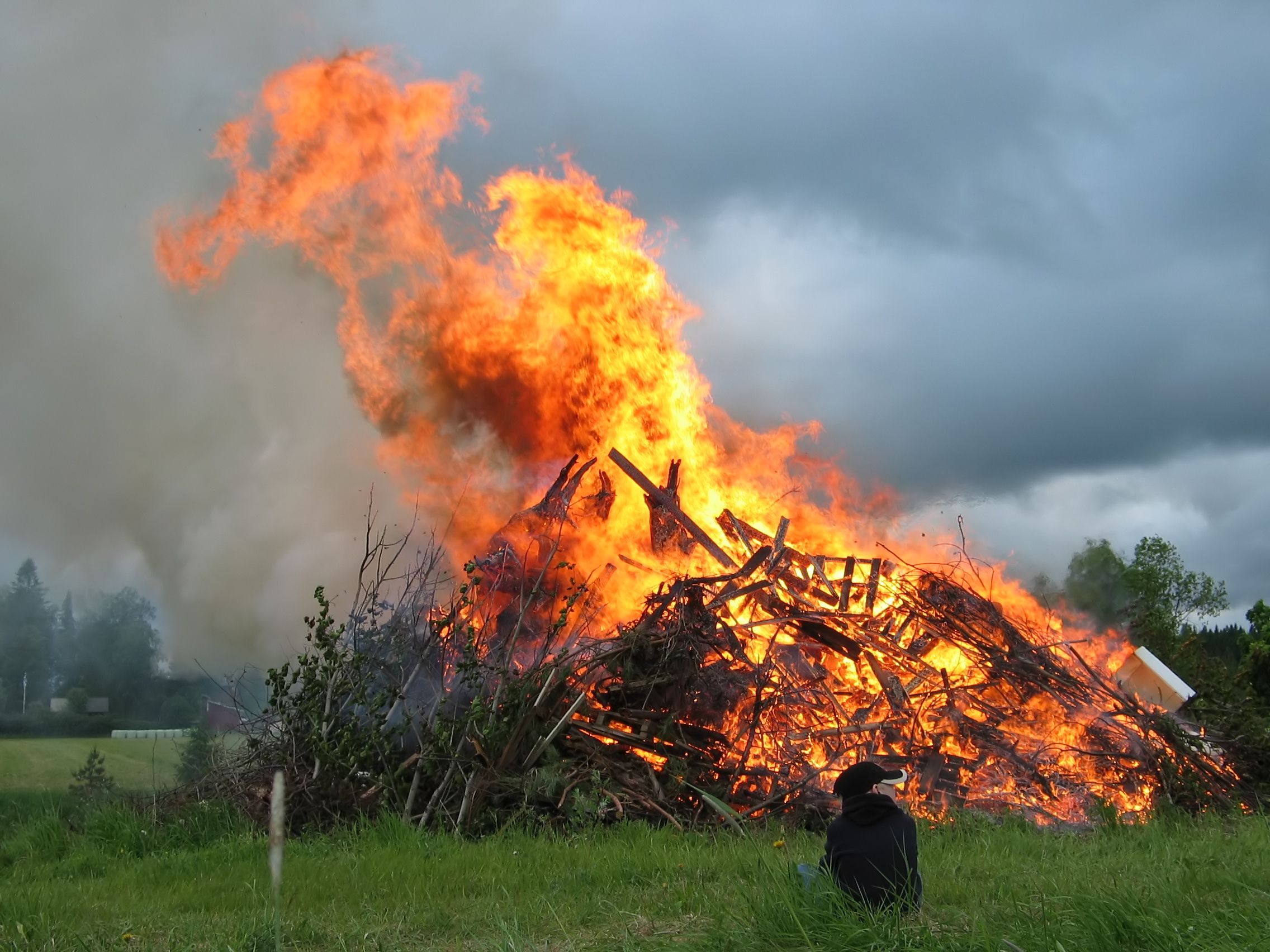
Is wood burning a physical or chemical change?

a)

Physical

b)

Chemical

c)

Both physical and chemical

75.

Is milk going sour a physical or chemical change?

a)

Physical

b)

Chemical

c)

Both physical and chemical

76.

Is Gatorade powder dissolving in water physical or chemical change?

a)

Physical

b)

Chemical

c)

Both physical and chemical

77.

Is mold growing on cheese a physical or chemical change?

a)

Physical

b)

Chemical

c)

Both physical and chemical

78.

Is making orange juice a physical or chemical change?

a)

Physical

b)

Chemical

c)

Both physical and chemical

79.

Is sharpening a pencil a physical or chemical change?

a)

Physical

b)

Chemical

c)

Both physical and chemical

80.

Is copper tarnishing a physical or chemical change?

a)

Physical

b)

Chemical

c)

Both physical and chemical

81.

Is the formation of the Grand Canyon a physical or chemical change?

a)

Physical

b)

Chemical

c)

Both physical and chemical

82.
The Law of Conservation of Mass tells us matter can't  ______________.
a)
change color
b)
change state of matter
c)
be created or destroyed
d)
change temperature
83.
During Photosynthesis energy is absorbed. What kind of reaction is it?
a)
Physical
b)
Exothermic
c)
Endothermic
d)
Photothermic
84.

Is melting butter for popcorn a chemical or physical change?

a)

chemical

b)

physical

c)

Both physical and chemical

85.
A solid piece of chocolate is melted and changed to liquid form. Which property of the piece of chocolate will remain the same?
a)
Texture
b)
Temperature
c)
Shape
d)
 Mass
86.
Which of the following is NOT an example of a physical change?
a)
crumpled paper
b)
pencil sharpening
c)
shrunken clothing
d)
rust
87.

Freezing Juice?

a)

Physical Change

b)

Chemical Change

c)

Both physical and chemical

88.

A change where one or more new substances are created.

a)

Physical Change

b)

Chemical Change

c)

Both physical and chemical

89.
Blue Color: Chemical or Physical Property
a)
Chemical Property
b)
Physical Property
90.
Density: Chemical or Physical Property
a)
Chemical Property
b)
Physical Property
91.
Flammability (burns): Chemical or Physical Property
a)
Chemical Property
b)
Physical Property
92.
Solubility (dissolves): Chemical or Physical Property
a)
Chemical Property
b)
Physical Property
93.
Reacts with Acid: Chemical or Physical Property
a)
Chemical Property
b)
Physical Property
94.
Brittleness: Chemical or Physical Property
a)
Chemical Property
b)
Physical Property
95.
Sour Taste: Chemical or Physical Property
a)
Chemical Property
b)
Physical Property
96.
Melting Point: Chemical or Physical Property
a)
Chemical Property
b)
Physical Property
97.
Reacts with Water: Chemical or Physical Property
a)
Chemical Property
b)
Physical Property
98.
Hardness: Chemical or Physical Property
a)
Chemical Property
b)
Physical Property
99.
Boiling Point: Chemical or Physical Property
a)
Chemical Property
b)
Physical Property
100.
Luster: Chemical or Physical Property
a)
Chemical Property
b)
Physical Property
101.
Odor: Chemical or Physical Property
a)
Chemical Property
b)
Physical Property
102.
Reacts with Air: Chemical or Physical Property
a)
Chemical Property
b)
Physical Property
103.
what is the definition of chemical change?
a)
any change that results in the formation of new chemical substances. 
b)
changing clothes
c)
matter cannot be created or destroyed, only change form
d)
changes affecting the form of a chemical substance, but not its chemical composition.
104.
which one is the definition of chemical property?
a)
a property or characteristic of a substance that is observed during a reaction where the chemical composition of a substance is changed
b)
any change that results in the formation of new chemical substances
c)
combustibility
105.
what is the definition of physical change?
a)
any change that results in the formation of new chemical substances. 
b)
rusting
c)
changes affecting the form of a chemical substance, but not its chemical composition.
d)
any property that is measurable, whose value describes a state of a physical system
106.
what is burning?
a)
physical change
b)
physical property
c)
chemical change
d)
chemical property