
NEW
Font size
 Worksheets
AP Bio Cells
Total questions: 35
Worksheet time: 36mins
The Chloroplast does not...
Contain its own DNA
Make Sugar
Contain Chlorophyll
Appear in prokaryotic cells
Which protein would break apart first?
A protein held together with Hydrogen bonds
A protein held together with Covalent sulfide bonds
A protein held together with Peptide bonds
A protein held together with Ionic bonds
How many water molecules are made if you connect 20 amino acids together?
0
10
19
20
Which of the following is NOT a monomer subunit?
Glucose
Nucleotide
Amino Acids
Triglyceride
The difference between osmosis and diffusion is that
Diffusion is passive transport, whereas osmosis is active transport
Only in diffusion do molecules move from areas of high concentration
Osmosis is the opposite of diffusion and only involves the movement of water
Osmosis is referred specifically to the movement of water, whereas diffusion refers to the movement of any type of molecules
In biological membranes, the phospholipids are arranged in a ______, with the ______.
Bilayer; fatty acids pointing towards each other
Bilayer; fatty acids facing outward
Single Layer; fatty acids facing the interior of the cell
Single Layer; phosphorus-containing region facing the interior of the cell
Which statement applies to hydrolysis?
Break down polymers
Produces water
Creates glycogen from glucose
Creates proteins from amino acids
All of the following are part of a prokaryotic cell EXCEPT
a cell membrane
DNA
an endoplasmic reticulum
ribosomes
The liver is involved in detoxification of many poisons and drugs. Which of the following structures is primarily involved in this process and therefore abundant in liver cells?
transport vesicles
smooth ER
nuclear envelope
Golgi apparatus
Hydrolytic enzymes must be segregated and packaged to prevent general destruction of cellular components. In animal cells, which of the following organelles contains these hydrolytic enzymes?
central vacuole
peroxisome
lysosome
chloroplast
The Endosymbiotic Theory suggests that eukaryotic cells evolved when an ancient cell engulfed another, forming a permanent symbiotic relationship. Choose the evidence that best justifies this claim.
Both mitochondria and chloroplasts perform energy functions
Eukaryotic cells have many mitochondria
Eukaryotic cells have traits in common with archaea
Mitochondria and chloroplasts contain circular loops of unique DNA


Which four structures are found in all cells and are therefore evidence of common ancestry?
DNA, ribosomes, cytosol, and a cell membrane
nucleus, ribosomes, cytosol, and a cell membrane
nucleus, ribosomes, cytosol, and mitochondria
DNA, cell wall, cytosol, and a cell membrane
Endoplasmic Reticulum:/ER
The smallest organelle with a huge job / Makes proteins, which are the building blocks of the body.
A folded membrane that moves proteins to a transport vessicles; may or may not have attached ribosomes.
A small sack that stores water and food until the cell needs it / Stores waste temporarily until the cell gets rid of it.
The protective outer layer that controls what enters and leaves the cell.
What kind of cells have a cell wall?
Plants
Fungi
Bacteria
all of the above
Nucleus:
Stores genetic information in DNA molecule; generally the most conspicuous organelle in the cell.
A folded membrane that moves materials around inside cells / Also acts as the site of manufacturing materials needed by the cell.
The smallest organelle with a huge job / Makes proteins, which are the building blocks of the body.
A small sack that stores water and food until the cell needs it / Stores waste temporarily until the cell gets rid of it.
Mitochondrion
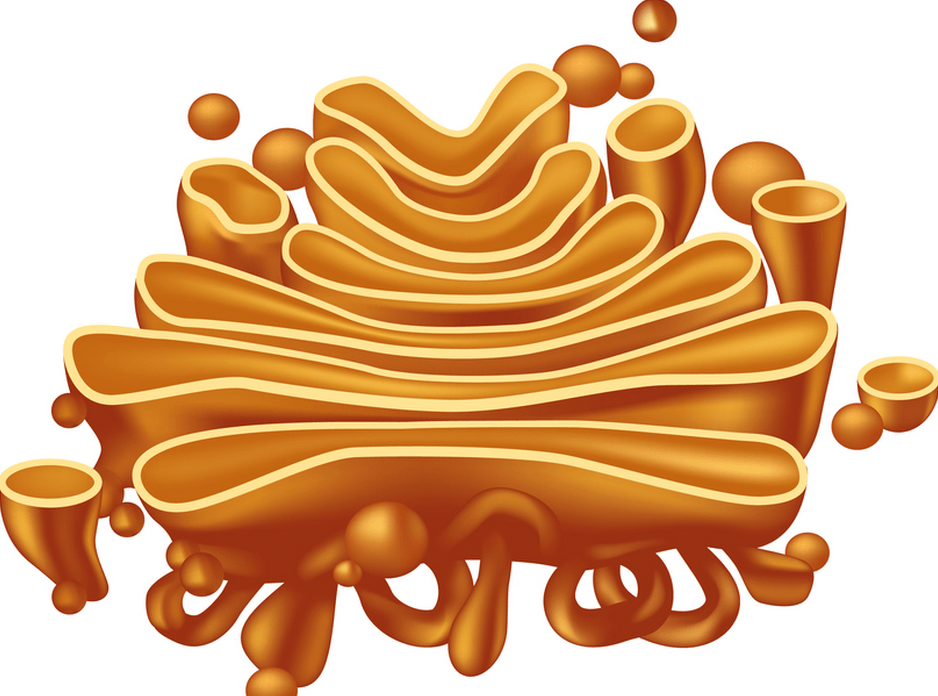
Stacks of pancake-like membranes that package materials to ship out of the cell.
Small sacks with pores / Contains digestive enzymes that get rid of waste, worn-out cell parts, and captured invaders.
(plural is Mitochondria): Bean-shaped organelle filled with folded membranes / Breaks down glucose to release energy during cellular respiration
The protective outer layer that controls what enters and leaves the cell.
In animal cells an ________ environment is optimal, but in plant cells a ____________ environment is best.
hypotonic, isotonic
isotonic, hypotonic
hypertonic, isotonic
isotonic, hypertonic

