
Font size
 Worksheets
[HBS] Unit 1 - Identity
Total questions: 100
Worksheet time: 1hrs 18mins
Where is the ANTERIOR portion of the body?
Toward the front of the body
Toward the back of the body
To the left
To the right
What is ADIPOSE tissue?
A kind of body tissue meant for disposing of old skin
A kind of body tissue containing stored fat (fat tissue)
A kind of body tissue used to connect the bones of the body
A kind of body tissue used to layer cells
What does it mean to be DISTAL?
Located towards the top
Located near the toes
Located near the center
Located away from the center of the body
What is CONNECTIVE tissue?
Tissue that connects brain cells to the spine
Tissue that connects structures of the body (ex. bone)
Tissue that connects your fingers to your hand
Tissue that connects your joints to your bones
Where is the DORSAL part of the body?
Toward the back of the body
Toward the front of the body
Toward the center of the body
Toward the legs
What is EPITHELIAL tissue?
Forms the external and internal linings of many organs
Forms the lungs
Forms the cartilage on the tip of your nose
Forms the skin the lies on your skeleton
What are the bones called that make up the fingers and toes?
Carpals
Phalanges
Metacarpals
Tarsals
What is INFERIOR?
Something situated closer to the arms
Something situated closer to the head
Something situated near the shoulders
Something situated lower (closer to the feet)
What is NERVOUS tissue?
Tissue that sends neurons and signals to your body
Tissue that makes your adrenaline pump
Tissue that makes you sweat
Tissue that binds your skull
What does it mean to be LATERAL?
To be on the side
To be on the top half
To be on the bottom half
To be on the underside
What is a MEDIAL body part?
One that is lying or extending the middle
One that has medium length
One that is drifting toward the side
There are no medial body parts
What is a POSTERIOR body part?
Situated at the bottom half of the body near the tarsals
Situated at or toward the hind part of the body
Situated at the front of the body
Situated near the skull
Where is a PROXIMAL body part?
Situated near the side of the body
Situated near the sternum
Situated next a central point
Situated near a fixed phalange
What is a SUPERFICIAL body part?
One located near the arms
One located near the surface
One located near the mandible
One located near the patella
Where is a SUPERIOR body part?
Situated near the feet and further away from the head
Situated near the tarsals
Situated near the carpals
Situated toward the head and further away from the feet
What does VENTRAL mean?
Pertaining to the front side of the body
Pertaining to the left side of the body
Pertaining to the backside of the body
Pertaining to the right side of the body
In the leg, which bone is the larger of the two main bones?
Tarsals
Tibia
Fibula
Metatarsals
What are the small bones that make up the distal portion of the hand?
Carpals
Tarsals
Metatarsals
Metacarpals
What are the small bones that make up the wrist area called?
Carpals
Tarsals
Metatarsals
Metacarpals
What are the small bones that extend beyond the ankle bones and connect to the phalanges?
Metacarpals
Metatarsals
What's another name for your toes?
Manubriums
Phalanges
Carthoids
Antecubitals
The superior portion of the sternum is called. . .
Carpal
Xiphoid process
Incus
Manubrium
The inferior portion of the sternum is called. . .
Carpal
Manubrium
Incus
Xiphoid process
The shoulder blade bone is called. . .
Carpal
Incus
Scapula
Vertebrae
The medial twelve bones of the vertebrae are called the. . .
Thoracic Vertebrae
Lumbar Vertebrae
Cranial Vertebrae
Cervical Vertebrae
The lower five bones of the vertebrae, which make up the lower back area, are called the . . .
Cranial Vertebrae
Lumbar Vertebrae
Thoracic Vertebrae
Cervical Vertebrae
Which bone in the forearm region is on the "thumb" side?
Fibula
Tibia
Ulna
Radius
Which bone in the forearm region is on the "pinky finger" side?
Radius
Fibula
Ulna
Tibia

What bone is highlighted?
Skull (Cranium)
Mandible
Clavicle
Scapula

What bone is highlighted?
Skull (Cranium)
Mandible
Scapula
Clavicle

What bone is highlighted?
Skull (Cranium)
Scapula
Clavicle
Mandible

What bone is highlighted?
Skull (Mandible)
Clavicle
Mandible
Scapula
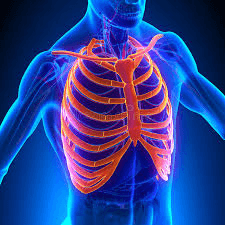
What bone is highlighted?
Ribs
Vertebrae
Clavicle
Femur

What bone is highlighted?
Radius
Ulna
Humerus
Carpals

What bone is highlighted?
Vertebrae
Radius
Pelvis
Ribs

What bone is highlighted?
Radius
Ulna
Humerus
Carpals

What bone is highlighted?
Radius
Ulna
Humerus
Carpals

What bone is highlighted?
Femur
Tibia
Fibula
Humerus

What bone is highlighted?
Patella
Pelvis
Clavicle
Femur

What bone is highlighted?
Patella
Pelvis
Clavicle
Mandible

What bone is highlighted?
Tibia
Fibula
Femur
Humerus

What bone is highlighted?
Tibia
Fibula
Radius
Ulna
What are the bones that protect your heart and lungs are collectively called the?
rib cage
sternum
clavicle
femur


What is another name for the kneecap?
Patella
Tibia
Fibia
Scapula

what are the most superior 7 vertebrae called?
coccyx
lumbar
cervical
sacrum

Gluteal
Popiteal
Femoral
Patellar

Gluteal
Pedal
Scapular
Brachial

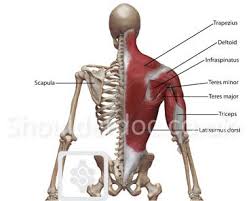
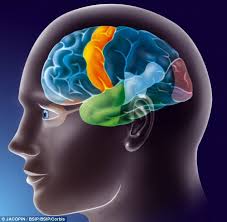
[The eyes are _______ to the brain].


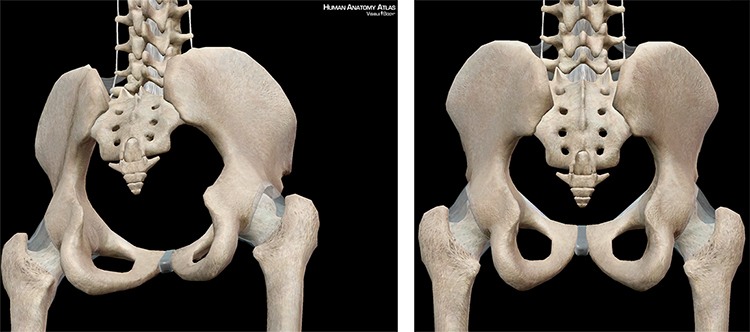

A student performed a gel electrophoresis experiment. The results are represented in the diagram
below. Compared to the fragments at the top of the gel, the fragments at the lower end are
larger, and move slower
larger, and move faster
smaller, and move faster
smaller, and move slower


How many restriction sites appear in the picture?
1
2
3
4

How many bp's make up each fragment?
11
14
7
22
28
In preparation for an electrophoresis procedure, enzymes are added to DNA in order to
convert the DNA into gel
cut the DNA into fragments
change the color of the DNA
produce longer sections of DNA

What type of tissue includes blood, cartilage and fat?
Connective
Epithelial
Muscle
Nervous
What type of tissue would you find lining the bladder?
Epithelial
Connective
Muscle
Nervous
In the anatomical position the person is:
Has the arms above the head
Lying down
Standing facing observer with palms forward
standing facing observer with palms backwards
The general term that best describes the back region of the body would be:
Anterior
Gluteal
Ventral
Dorsal
A man was in a car accident, and fractured his clavicle, his femur and one of his tarsal bones. In non-science terms, you could explain that he fractured his ____________________, ___________________ and ____________________.
shoulder blade, lower leg and wrist
shoulder blade, breast bone and ankle
collar bone, upper leg and ankle
collar bone, upper arm and toes
Which two bones, when used together, are NOT excellent indicators of height?
the femur and the humerus
the humerus and the fibula
the skull and the femur
the femur and the ulna

