
 Worksheets
C0605 Energy Levels HW
Total questions: 167
Worksheet time: 2hrs 15mins
Which sublevels will have the same shape?
3s and 3p
3p and 4p
1s and 2p
4d and 3s
Which sublevels will have the same shape?
3s and 3p
3p and 4d
1s and 2s
4d and 3s
Sodium is found in Group 1 on the third row or Period 3 of the periodic table. How many main energy levels do the electrons of a sodium atom occupy?
1
3
11
23
How many orbitals are found in a
d-sublevel?
3
5
1
9
7
Which letter does not represent a subshell?
d
f
n
p
How many total orbitals are in the fourth main energy level?
4
8
16
32
1
How many electrons can be held in n=2?
2
4
8
18
32

How many d orbitals are there in a given d type subshell?
What are the sublevels that make up the 4th main energy level?
4s
4p
4d
4f
4g
What are the subshells that make up the 3rd main energy level?
3s
3p
3d
3f
3g

Which orbital is represented by the images?
s
p
d
f
The n = 3 energy level contains what subshells?
s
s and p
s, p, and d
s, p, d, and f
Which sublevels are in the same main energy level?
3s and 3p
3p and 4p
1s and 2p
4d and 3s
For the 4d energy level, what does the four represent?
main energy level (shell)
sublevel (subshell)
orbital
For the 4d energy level, what does the d represent?
main energy level (shell)
type (shape) of the orbital/subshell
the specific subshell
For the 4d energy level, what does the 4d represent?
main energy level (shell)
orbital
subshell
What are the different electron energy levels in the atom called? (mark all that apply)
orbitals
main energy levels (shell)
quantum
electron configuration
sublevel (subshell)
What is the symbol used for the main energy levels?
p
n
s
d
f
Which type of subshell contains 3 orbitals?
p
n
s
d
f
Which type of subshell contains 1 orbital?
p
n
s
d
f
Which type of subshell contains 5 orbitals?
p
n
s
d
f
Which type of subshell contains 7 orbitals?
p
n
s
d
f
Each individual orbital can hold how many electrons?
2
8
16
32
The first main energy level, n=1 can hold how many electrons?
2
8
18
32
The second main energy level, n=2 can hold how many electrons?
2
8
18
32
50
The third main energy level, n=3 can hold how many electrons?
2
8
18
32
50
The fourth main energy level, n=4 can hold how many electrons?
2
8
18
32
50
The fourth main energy level, n=4 is made up of how many sublevels (subshells)?
1
2
3
4
5
The 1st main energy level, n=1 is made up of how many sublevels (subshells)?
1
2
3
4
5
The 2nd main energy level, n=2 is made up of how many sublevels (subshells)?
1
2
3
4
5
The 3rd main energy level, n=3 is made up of how many sublevels (subshells)?
1
2
3
4
5
How many orbitals make up the 3rd main energy level, n=3?
1
4
9
16
25
How many orbitals make up the 4th main energy level, n=4?
1
4
9
16
25
How many p orbitals are there in a given p type sublevel?
1
3
5
7
How many s orbitals are there in a given sublevel?
1
3
5
7
How many f orbitals are there in a given sublevel?
1
3
5
7
How many orbitals make up the 2nd main energy level, n=2?
1
4
9
16
25
How many orbitals make up the 1st main energy level, n=1?
1
4
9
16
25
The numbers 1,3,5,7 represents the number of orbitals in the s,p,d,f type sublevels.
True or False?
True
False
n2
the number of sublevels in a main energy level
the number of orbitals in a main energy level
the number of electrons in a main energy level
2n2
the number of sublevels in a main energy level
the number of orbitals in a main energy level
the number of electrons in a main energy level
n
the number of sublevels in a main energy level
the number of orbitals in a main energy level
the number of electrons in a main energy level
For all elements except hydrogen (H) and helium (He), what is the most number of electrons that can occupy the outer shell (valence shell)?
1
2
8
16
32
For the elements hydrogen (H) and helium (He), what is the most number of electrons that can occupy the outer shell (valence shell)?
1
2
8
16
32

s type orbital
p type orbital
d type orbital
f type orbital

s type orbital
p type orbital
d type orbital
f type orbital

s type orbital
p type orbital
d type orbital
f type orbital

s type orbital
p type orbital
d type orbital
f type orbital
What type of subshell?
s type sublevel
p type sublevel
d type sublevel
f type sublevel

What type of subshell?
s type sublevel
p type sublevel
d type sublevel
f type sublevel
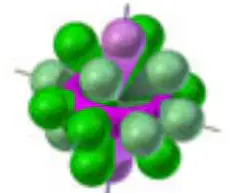
What type of subshell?
s type sublevel
p type sublevel
d type sublevel
f type sublevel
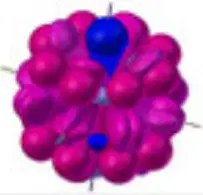
What type of subshell?
s type sublevel
p type sublevel
d type sublevel
f type sublevel
Electrons behave like
particles only
waves only
both particles and waves
Which of the following is evidence or proof that electrons behave like waves? (Mark all that apply.)
undergoes interference
blackbody radiation
photoelectric effect
undergoes diffraction
atomic spectra
Mark the true statements about the different electron energy levels in an atom. (Mark all that apply.)
orbitals make up sublevels
main energy levels make up sublevels
shells make up orbitals
sublevels make up main energy levels
A shell is the same type of energy level as a
main energy level
sublevel
orbital
A subshell is the same type of energy level as a
main energy level
sublevel
orbital
What does the principle quantum number, n indicate?
which main energy level
which sublevel
which orbital
which electron
The size and shape of an orbital represents
the exact location of electrons
the probable location of electrons
According to the Heisenberg uncertainty principle we cannot know what two things about the electron at the same time?
(pick two)
mass of electron
position of electron
charge of electron
velocity of electron
spin of electron
Which energy sublevels will all have the same shape? (Mark all that apply.)
2s
3s
1s
3p
3d
Which energy sublevels belong to the same Main Energy Level (n)? (Mark all that apply.)
2s
3s
1s
3p
3d
Potassium (K) is found in Group 1 on the Period 4 of the periodic table. How many main energy levels do the electrons of a potassium atom occupy?
(a)
Magnesium (Mg) is found in Group 2 on the Period 3 of the periodic table. How many main energy levels do the electrons of a magnesium atom occupy?
(a)
Lithium (Li) is found in Group 1 on the Period 2 of the periodic table. How many main energy levels do the electrons of a lithium atom occupy?
(a)
A(n) (a) (b) for an electron in an atom is called an atomic orbital.
A wave function of an electron in an atom is called a(n) (a) (b) .
A solution of Schrödinger’s wave equation of an electron in an atom is called a(n) (a) (b) .
A(n) (a) (b) describes a region of space in which there is a high probability of finding the electron.
An atomic orbital describes a region of space in which there is a (a) (b) of finding the electron.
An atomic orbital describes a region of space in which there is a high probability of finding the (a) .
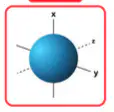
s-type
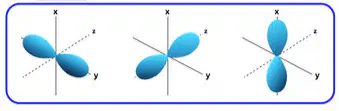
p-type
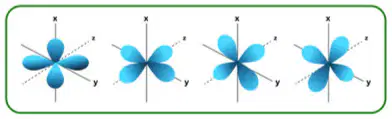
d-type

f-type
Put the following orbital types in order from least energy to most energy.
s-type
p-type
d-type
f-type
g-type
Put the following Main Energy Levels in order from least energy to most energy.
Shell 1
(n=1)
Shell 2
(n=2)
Shell 3
(n=3)
Shell 4
(n=4)
Shell 5
(n=5)
For main energy level 1 what is the value of n?
(a)
For main energy level 2 what is the value of n?
(a)
For main energy level 3 what is the value of n?
(a)
For main energy level 4 what is the value of n?
(a)
What are the subshells that make up the 2nd main energy level?
2s
2p
2d
2f
2g
What are the sublevels that make up the 1st main energy level?
1s
1p
1d
1f
1g
For elements in periods 2-7, how many electrons can their valence shell hold?
(a)
For elements in period 1, how many electrons can their valence shell hold?
(a)
Which of these orbitals can only hold 2 electrons?
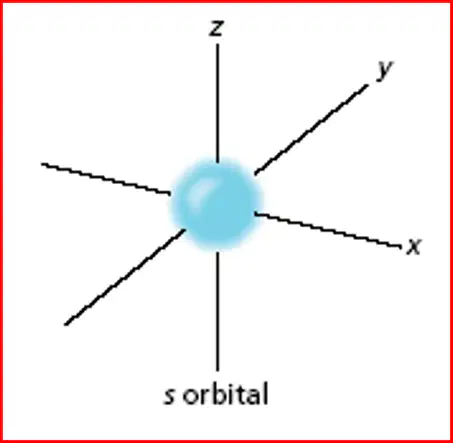
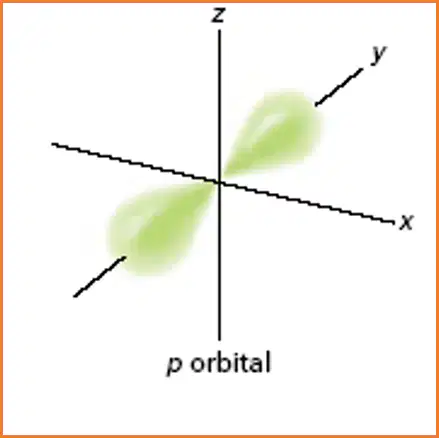
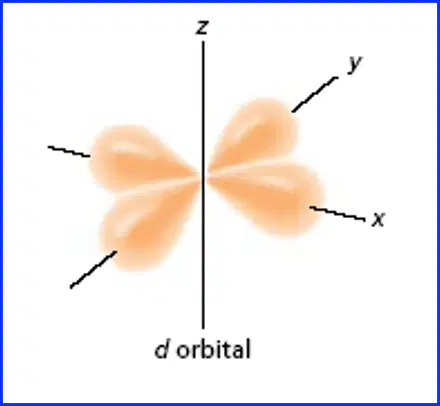
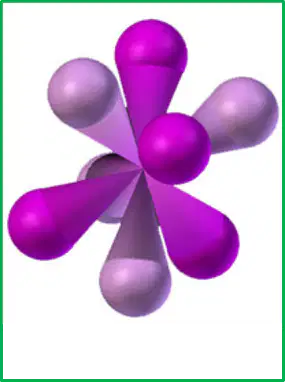
none of these

How many electrons can a d-type orbital hold?
(a)
How many electrons can a f-type orbital hold?
(a)
The 3p subshell is made up of which of the following?
The 2s subshell is made up of which of the following?
The 5d subshell is made up of which of the following?
The 4f subshell is made up of which of the following?
Which of these can hold only 2 electrons?
Match the following electron orbitals

p type orbital
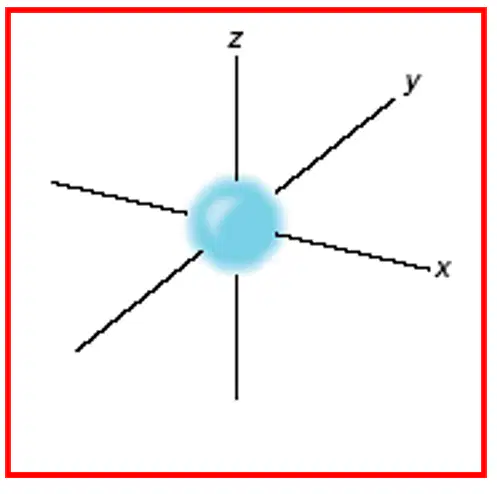
s type orbital
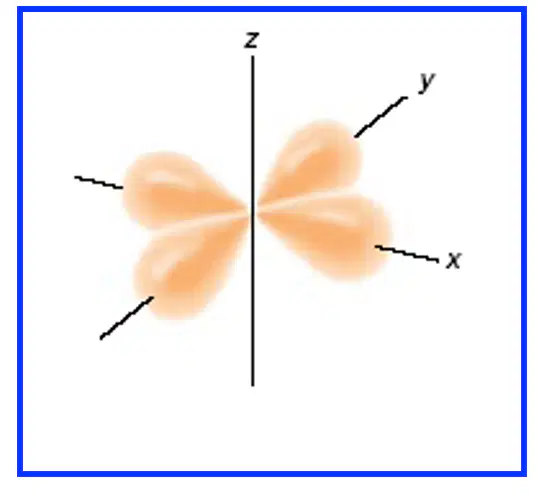
d type orbital
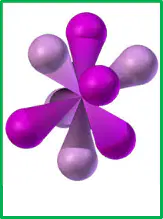
f type orbital
Put the following orbitals in order by increasing energy (Lowest energy to highest energy) (Left to Right).
Label the regions of the periodic table with their subshell types.
f
d
p
s
Label the regions of the periodic table with their subshell types.
f
d
p
s
Which shell has the highest energy?
5th shell (n=5)
2nd shell (n=2)
3rd shell (n=3)
f shell (l = 1)
p shell (l = 6)
Which type of orbital is shown?
s type orbital
p type orbital
d type orbital
f type orbital
g type orbital
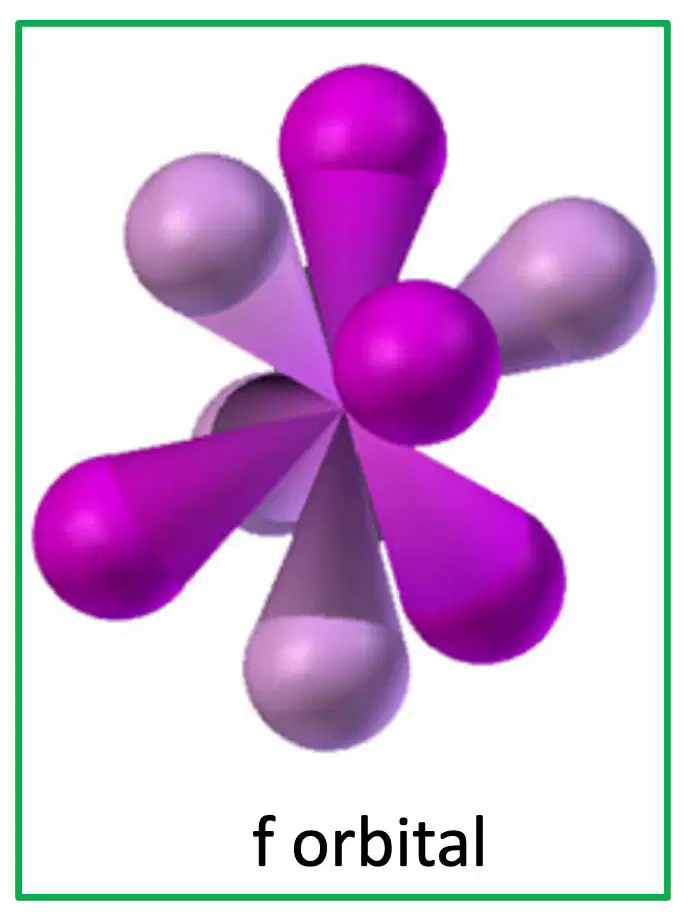
How many electrons can this f orbital hold?
(a)
A subshell is a group of orbitals with
the same energy
different energies
Which sublevels will have the same general shape?
3s and 3p
3p and 4p
1s and 2p
4d and 3s
All of the subshells that are part of the 4th shell will start with a (a)
All of the subshells that are part of the 3rd shell will start with a (a)
What are the subshells that make up the 3rd main energy level (shell)?
3s
3p
3d
3f
3g
What energy level fills after the 4s?
(a)
Aufbau
principle?
Each orbital gets one e- before any orbital gets a second e- (p,d, & f subshells)
Energy levels fill from lowest energy to highest
Two electrons cannot have the same values for all four quantum numbers. (can't have the same spin)
Mark all of the areas of the periodic table where the shell number (n) is equal to the row number on the periodic table.
In other words, where does "n=row"?
Mark the periodic table that represents the 3p subshell.
Mark the periodic table that represents the 2p subshell.
Mark the periodic table that represents the 4p subshell.
Mark the periodic table that represents the 4s subshell.
Mark the periodic table that represents the 3s subshell.
Mark the periodic table that represents the 2s subshell.
Mark the periodic table that represents the 2s subshell.
Mark the periodic table that represents the 3d subshell.
Mark the periodic table that represents the 4d subshell.
Mark the periodic table that represents the 4f subshell.
Mark the periodic table that represents the 5f subshell.
What is the electron configuration for an d type subshell in the fourth main energy level with 5 electrons?
6
5
4
3
2
1
f
p
s
d
What is the electron configuration for an s type subshell in the second main energy level with 1 electron?
6
3
f
p
Mark all of the areas of the periodic table where the shell number (n) is equal to the row number minus 1 on the periodic table.
In other words, where does "n=row-1"?
Mark all of the areas of the periodic table where the shell number (n) is equal to the row number minus 2 on the periodic table.
In other words, where does "n=row-2"?
Which sublevels will have the same general shape?
3s and 3p
3p and 4p
1s and 2p
4d and 3s
Which sublevels are in the same main energy level?
3s and 3p
3p and 4p
1s and 2p
4d and 3s
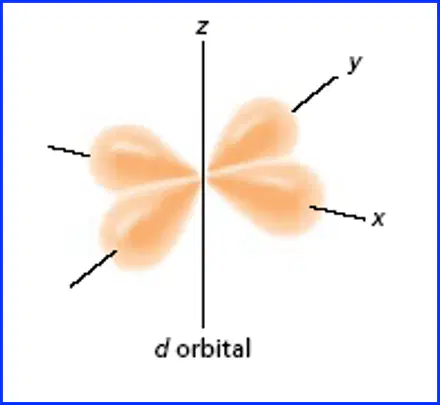
How many electrons can this d orbital hold?
(a)
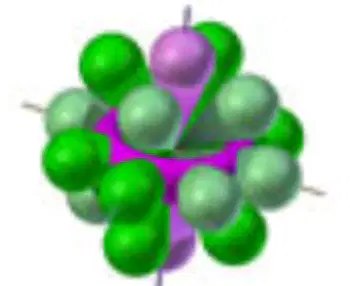
How many electrons can this d subshell hold?
(a)
What is the electron configuration for an p type subshell in the third main energy level with 2 electrons?
6
5
4
3
2
1
f
p
s
d
How many electrons can this f orbital hold?
(a)
Label the regions of the periodic table with their subshell types.
f
d
p
s
Which sublevels are in the same main energy level?
3s and 3p
3p and 4p
1s and 2p
4d and 3s
What energy level fills after the 4d?
(a)
What subshell is shown in the picture?
s type sublevel
p type sublevel
d type sublevel
f type sublevel
g type sublevel
What energy level fills after the 1s?
(a)
What energy level fills after the 2s?
(a)
What energy level fills after the 2p?
(a)
What energy level fills after the 3s?
(a)
What energy level fills after the 3p?
(a)
What energy level fills after the 4s?
(a)
What energy level fills after the 3d?
(a)
What energy level fills after the 4p?
(a)
What energy level fills after the 5s?
(a)
What energy level fills after the 4d?
(a)
What energy level fills after the 5p?
(a)
Sort these properties into the different types of subshells.
1 orbital
holds up to 2 electrons
sphere shape

3 orbitals
holds up to 6 electons
dumbell-shaped orbital
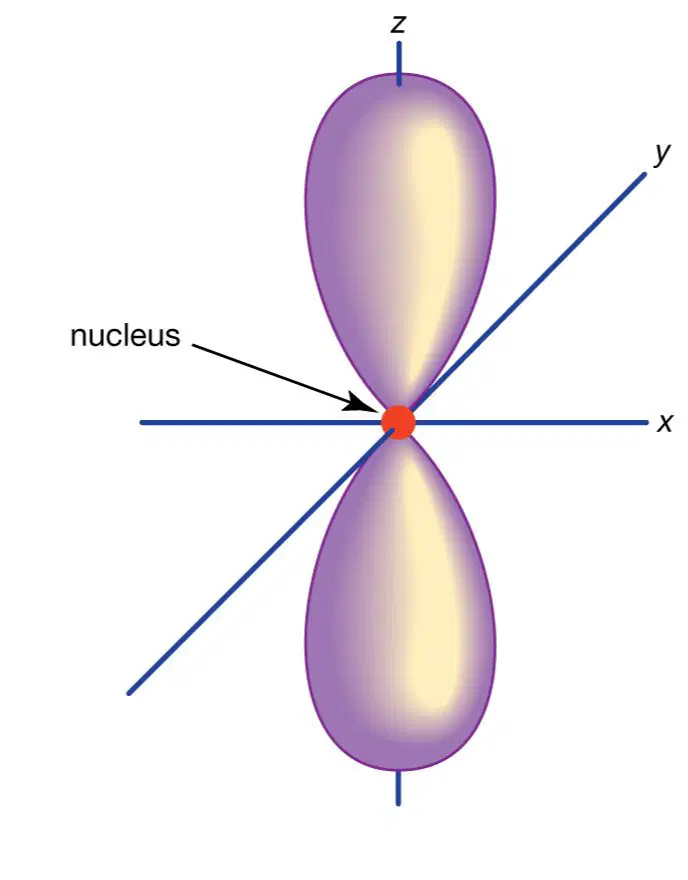
5 orbitals
holds up to 10 electrons
4 leaf clover-shaped orbitals
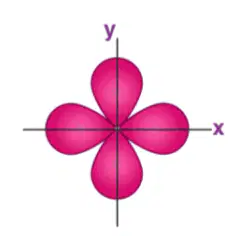
7 orbitals
holds up to 14 electrons
8 lobed orbital

Subshells with the same general shape will
start with the same number
have the same letter (s, p, d, f)
have the same superscript
none of the subshells have the same general shape
Subshells in the same shell will
start with the same number
have the same letter (s, p, d, f)
have the same superscript
none of the subshells have the same general shape
Which of these subshells are shaped like a sphere (ball)?
Which of these subshells contain only two(2) electrons?
Which of these subshells are full?
Which of these subshells are NOT full?
Which of these subshells are part of the 5th shell?
Which of these subshells are made up of 3 orbitals?
Which of these subshells are made up of 5 orbitals?
Which of these subshells are made up of 7 orbitals?

What subshell is outlined in the picture shown?
(a)

What subshell is outline on the periodic table?
(a)

What subshell is outline on the periodic table?
(a)

What subshell is outline on the periodic table?
(a)

What subshell is outline on the periodic table?
(a)

What subshell is outline on the periodic table?
(a)

What subshell is outline on the periodic table?
(a)

What subshell is outline on the periodic table?
(a)

What subshell is outline on the periodic table?
(a)

What subshell is outline on the periodic table?
(a)
How many electrons can the outline subshell hold?
(a)

How many electrons can the outline subshell hold?
(a)

How many electrons can the outlined subshell hold?
(a)
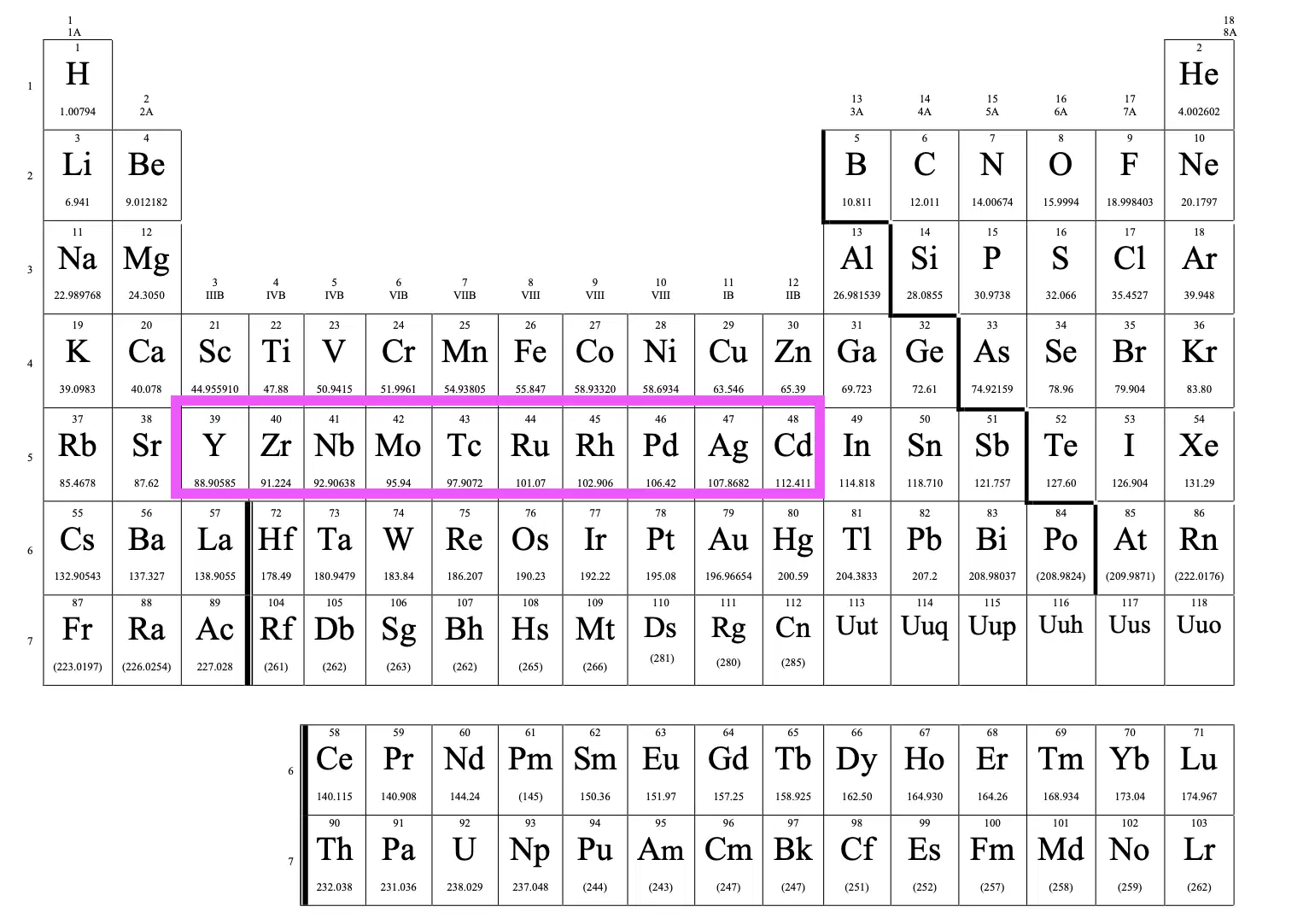
How many electrons can the outlined subshell hold?
(a)

How many electrons can the outlined subshell hold?
(a)

