
 Worksheets
Topic 1 - Lessons 1 & 2
Total questions: 50
Worksheet time: 44mins

The outermost layer of a plant cell that causes a box-like appearance and protects and supports a plant cell.
Cell Membrane
Cell Wall
Chloroplast
Chlorophyll

This is the outermost layer of an animal cell and the part of the cell that controls what goes into and out of a cell. It is also known as the "gate keeper."
Cell Membrane
Cell Wall
Nucleus
Mitochondria

This cell part controls and regulates (coordinates) the cells activities. It contains the genetic information (DNA) of a cell and is visible under a microscope when stained.
Mitochondria
Ribosomes
Nucleus
Endoplasmic Reticulum

This is the gel (jelly) like fluid within the cell that contains the organelles.
Nucleus
Cytoplasm
Mitochondria
Chloroplast

This bean-shaped organelle is considered the "powerhouse" of the cell. It performs respiration and produces ENERGY!
Ribosome
Vacuole
Golgi Body
Mitochondria

This organelle is a network of tubes that can have ribosomes attached to them. They carry protein and other materials from one part of a cell to another.
Chloroplasts
Ribosomes
Lysosomes
Endoplasmic Reticulum (E.R.)

There are many of these small organelles located within a cell. They can be attached to the Endoplasmic Reticulum (E.R.) or floating in the cytoplasm. They produce proteins through synthesis.
Vacuoles
Ribosomes
Lysosomes
Mitochondria

This organelle looks like flattened sacs or tubes. It receives proteins and other materials from the E.R., packages them, and distributes them throughout the cell for use.
Golgi Bodies
Cell Walls
Mitochondria
Lysosomes

This organelle is only found in a plant cell. It uses sunlight, water, and carbon dioxide to produce sugar as its food and releases oxygen that we breathe, through a process known as photosynthesis.
Vacuoles
Ribosomes
Mitochondria
Chloroplasts

This organelle is a fluid-filled sac that is larger in plant cells and considered a storage area for the cell.
Lysosomes
Vacuoles
Ribosomes
Cell Membranes

This is a small rounded structure that is considered the waste remover of the cell. It uses chemicals to break down particles and waste that the cell no longer needs.
Vacuoles
Ribosomes
Chloroplasts
Lysosomes

Sac within the cytoplasm that STORES fluid, plants have a larger one that stores food and water.
vacuole
lysosome
cell wall
ribosome
Is the jelly-like substance in the cell that contains the organelles
ribosome
cytoplasm
cell wall
chloroplast
The control center of the cell that HAS DNA
cytoplasm
ribosomes
lysosomes
nucleus
This organelle make PROTEINS for the cell
chloroplast
ribosome
lysosome
cell wall
The "clean up crew" of the cell
Lysol
lysosomes
cytoplasm
vacuole
ribosome

This organelle is the transporter of proteins or the highway system of the cell
cell wall
mitochondria
endoplasmic reticulum
lysosomes

Only found in plant cells
"solar panels"
cell wall
cell membrane
chloroplast
cytoplasm
Protein packing and shipping machine
"post office"
ribosome
vacuole
golgi apparatus
cytoplasm
What two organelles are NOT in an animal cell?
Cell Membrane and Mitochondria
Nucleus and Ribosomes
Cell Wall and Chloroplasts
Golgi Body and Lysosomes
Creates ribosomes
Nucleolus
Ribosomes
Chloroplast
E.R.
The rough E.R. has what organelle attached to it, making it look rough
Vacuole
Ribosomes
Lysosomes
Cell Wall

The organelle that captures sunlight to create glucose (sugar) for the cell (photosynthesis)?
mitochondria
stomata
xylem
chloroplast
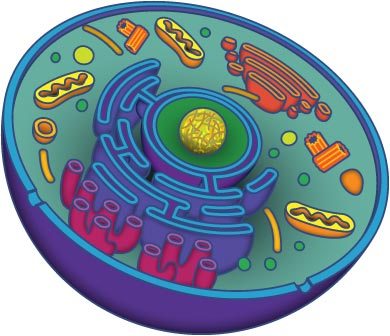
All living organisms are made of:
All cells -----
come from other dead cells
come from other living cells
crystallize out of the air
Which lists the levels of organization in living things correctly?
Cell - Organ - Tissues - Organ System
Organ - Organ System - Tissues - Cells
Organ Systems - Organs - Tissues - Cells
Cells - Tissues - Organs - Organ Systems

What is the part of the microscope labeled "X"?
Body Tube
Ocular Lens (Eyepiece)
Coarse Adjustment Knob
Stage

What is the part of the microscope labeled "X"?
Diaphragm
Fine-Adjustment Knob
Nose Piece
Arm

What is the part of the microscope labeled "X"?
Stage
Base
Nose piece
Diaphragm

What is the part of the microscope labeled "X"?
Objective Lens
Diaphragm
Light Source
Base

What is the part of the microscope labeled "X"?
Coarse-Adjustment Knob
Fine-Adjustment Knob
Nose Piece
Arm

What is the part of the microscope labeled "X"?
Coarse-Adjustment Knob
Fine-Adjustment Knob
Diaphragm
Nose Piece

What is the part of the microscope labeled "X"?
Base
Objectives
Light Source
Ocular Lens (Eyepiece)
An organism made up of ONE cell is...
Unicellular Organism
Multicellular Organism
Neither
Both
An organism made up of MANY cells is...
Unicellular Organism
Multicellular Organism
Neither
Both
There are three parts to the cell theory. Which is NOT one of those parts?
All organisms are composed of one or more cells.
The cell is the basic unit of structure and organization in organisms.
Cells spontaneously arise from carbon and nutrients carried in the bloodstream.
All cells come from pre-existing cells.
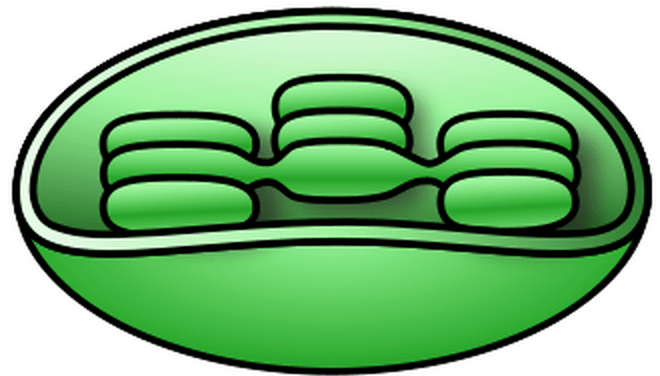
I am only found in a plant cell and contain chlorophyll. What am I?
What type of cell does chloroplast belong in?
Plant Only
Both Plant and Animal
Animal Only
What type of cell does a cell membrane belong in?
Plant Only
Animal Only
Both Plant and animal
What type of cell does a cell wall belong on?
Plant Cell Only
Animal Cell Only
Both Plant and Animal Cell
What type of cell has only one large vacuole?
Plant Cell Only
Animal Cell Only
Both Plant and Animal Cells
Eyepiece = 10X
Objective lens = 55X
Eyepiece = 20X
Objective lens = 20X
This organelle controls what goes in and out of plant and animal cells.
Cell Wall
Cell Membrane
Chloroplasts
Cytoplasm

In what organelle is the genetic material (DNA) found inside?
Endoplasmic Reticulum
Golgi Complex
Nucleolus
Nucleus
The Cell Theory states - (select all that apply)
The cell is the basic unit of structure and function of living things
All cells are created from existing cells
All cells reproduce sexually
All living organisms are made from cells
Chloroplast contain _________.
ATP
DNA
Chlorophyll
Proteins

