
 Worksheets
REVIEW - FEBRUARY
Total questions: 148
Worksheet time: 2hrs 49mins
Name
Class
Date
1.

Which two kingdoms are entirely multicellular?
a)
Animalia and Plantae
b)
Animalia and Protista
c)
Protista and Plantae
2.
Which kingdoms have some organisms that can make their own food (autotrophic)?
a)
Plantae and Animalia
b)
Fungi and Plantae
c)
Protista and Plantae
3.
Organisms whose cells have NO nucleus are classified as...
a)
Eukaryotic
b)
Prokaryotic
c)
Dead
4.
True or False: All cells have DNA.
a)
True
b)
False
5.
True or False: All living things are made of one or more cells.
a)
True
b)
False
6.

Moss belongs in the kingdom...
a)
Fungi
b)
Plantae
7.

Fungi are a type of...
a)
decomposer
b)
producer
8.
What is the genus name here:
Canis lupus
Canis lupus
a)
Canis
b)
lupus
9.

Choose the correct way to write the scientific name for humans:
a)
homo sapiens
b)
Homosapiens
c)
Homo sapiens
d)
Homo Sapiens
10.

Mold, yeast, and mushrooms all belong to the Kingdom _______.
a)
Archaebacteria
b)
Fungi
c)
Eubacteria
d)
Protista
11.

Most animals in this phylum have a backbone.
a)
Arthropoda
b)
Chordata
c)
Annelida
d)
Mollusca
12.
Which kingdom is autotrophic AND has a cell wall?
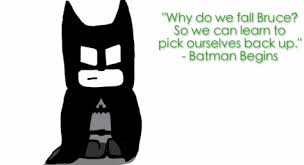
a)
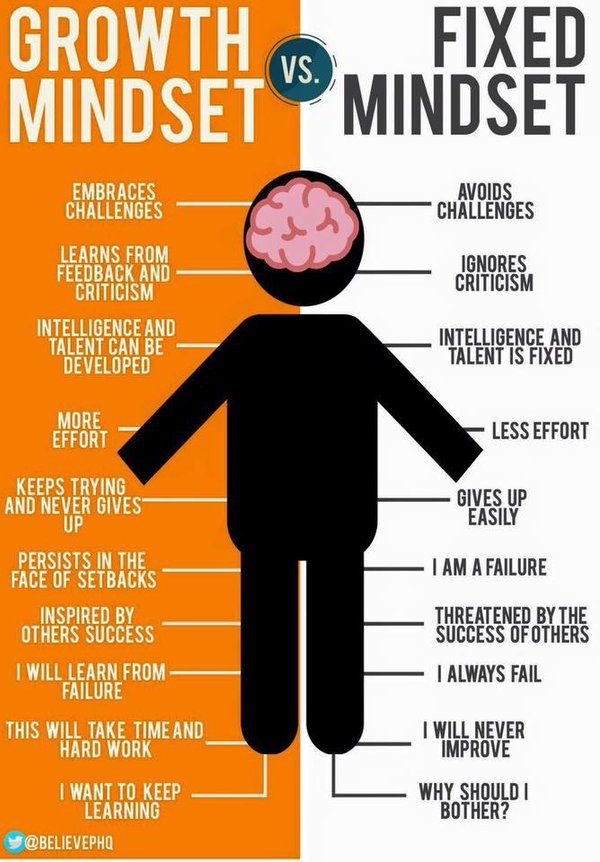
Bacteria
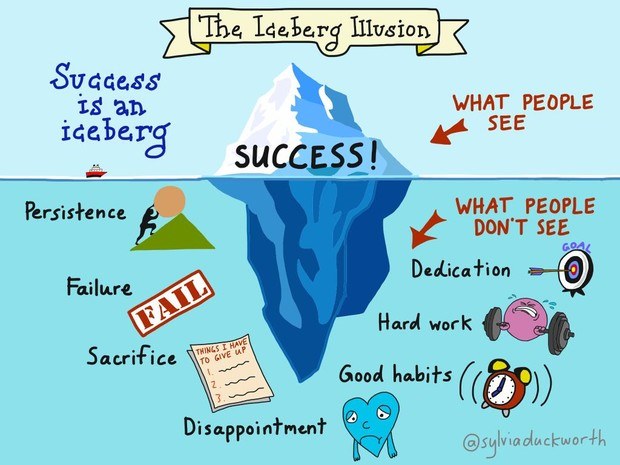
b)
Fungi
c)
Plantae
d)
Protista
13.

You would find mushrooms in which kingdom?
a)
Plantae
b)
Protists
c)
Fungi
d)
Animalia
14.

Which kingdom do humans belong to?
a)
Plantae
b)
Fungi
c)
Animalia
d)
Protista
15.
The scientific name for an organism is made from the:
a)
class and family name
b)
genus and species name
c)
domain and kingdom name
d)
kingdom and phylum name
16.
Term given to describe the 2 name naming system is:
a)
dichotmous key
b)
binomial nomenclature
c)
2 scientific names
d)
binomial key
17.
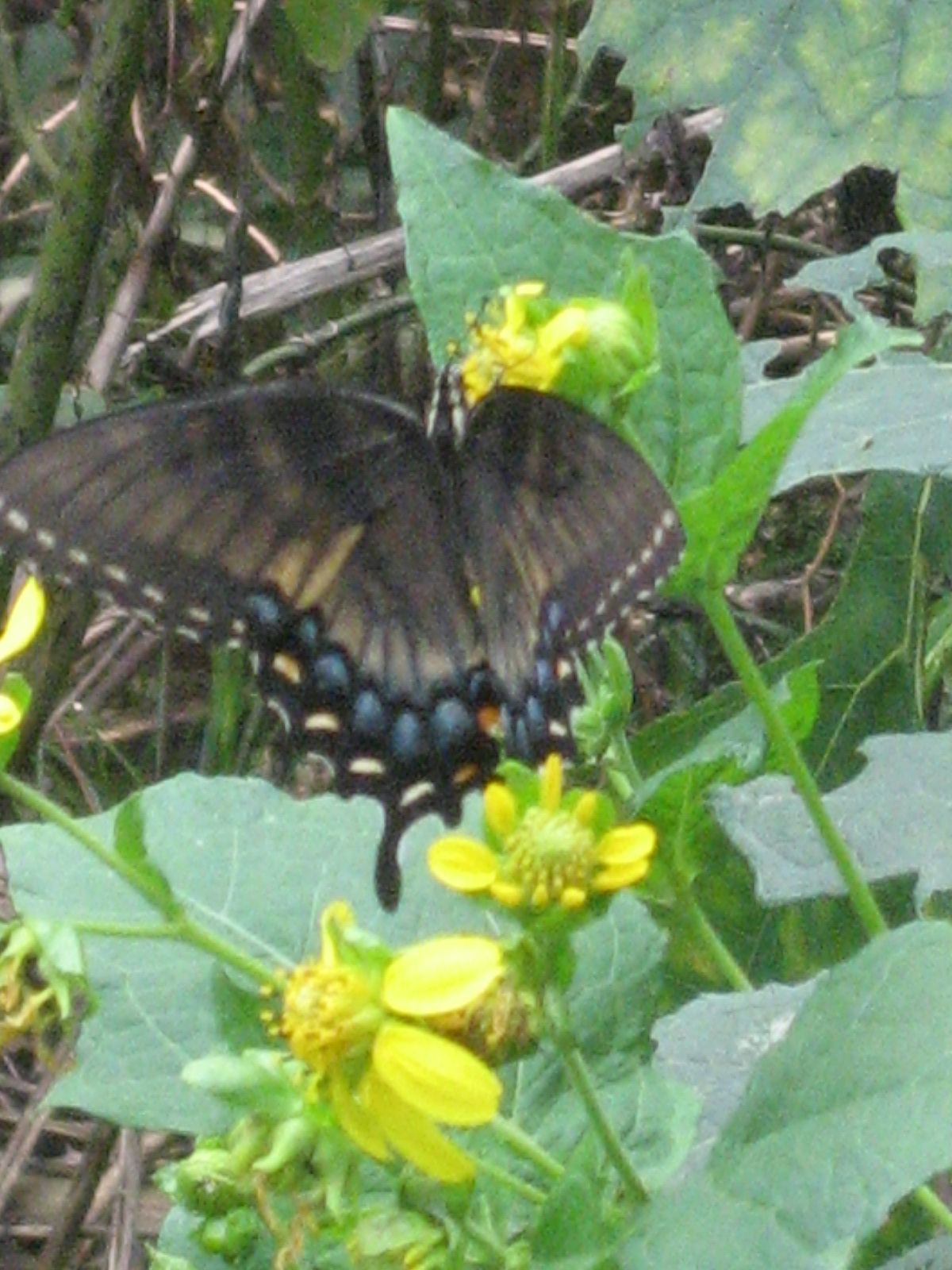
The 8 levels of classification, most broad to most specific.
a)
Domain, Genus, Family, Order, Class, Phylum, Kingdom, Species
b)
Domain, Species, Kingdom, Genus, Phylum, Family, Class, Order
c)
Domain, Kingdom, Phylum, Class, Order, Family, Genus, Species
d)
Order, Kingdom, Species, Domain, Phylum, Family, Class, Genus
18.
Which of the following organisms are MOST closely related?
a)
organisms that share a domain
b)
organisms that share a family
c)
organisms that share a genus
d)
organisms that share an order
19.
Which of the following characteristics will most likely be helpful in identifying a butterfly using a dichotomous key?
a)
Migrates north every spring
b)
hangs on branches
c)
flutters wings fast on hot days
d)
Wings have long extensions
20.
What step do we always start with when using dichotomous keys?
a)
1
b)
2
c)
3
d)
4
21.
Who first proposed binomial nomenclature as a way of classifying organisms?
a)
Carolus Linnaeus
b)
Carl's Jr.
c)
Charles Darwin
d)
Henry Groseclose
22.
What is the most specific level of classification?
a)
Family
b)
Domain
c)
Species
d)
Carolus Linnaeus
23.
Which of the following is the smallest unit of life that can carry out all life functions?
a)
the mitochondria
b)
the vacuoles
c)
the nucleus
d)
the cell
24.
Which structures are found in every living cell?
a)
cell membrane and cytoplasm
b)
chloroplasts and mitochondria
c)
a cell wall and nucleus
d)
chloroplasts and cell wall
25.
Which cell structure is found in plant and animals cells and controls what can come into or leave a cell?
a)
cell membrane
b)
cytoplasm
c)
nucleus
d)
vacuole
26.
What is the function of the cell nucleus found in both plant and animal cells?
a)
to produce energy
b)
to control cell activity
c)
to remove waste products
d)
to allow molecules to enter the cell
27.
What is one basic function of the vacuoles?
a)
circulating oxygen
b)
producing food
c)
controlling cell processes
d)
storing water
28.
Chloroplasts in plant cells allow the plant to perform a function that animal cells cannot do. What is the main function of the chloroplasts found in plant cells?
a)
to absorb light energy and manufacture food
b)
to remove waste materials by active transport
c)
to manufacture chemical energy from food
d)
to control the shape of the cell
29.
All cells need energy to function. Which cell organelle is responsible for producing energy in the cell?
a)
chloroplasts
b)
mitochondria
c)
nucleus
d)
vacuoles
30.
What is the function of a cell wall?
a)
to protect and support the cell
b)
to perform different functions in each cell
c)
to prevent water from passing through it
d)
to prevent oxygen from entering the cell
31.
In what part of the plant cell does the process of photosynthesis take place?
a)
nucleus
b)
mitochondria
c)
chloroplasts
d)
vacuoles
32.
Cells with a nucleus and membrane-bound organelles are called ____________________.
a)
prokaryotes
b)
eukaryotes
c)
bacteria
d)
protists
33.
Which of the following is not part of the cell theory?
a)
cells must contain DNA
b)
all living things are made from cells
c)
cells can only come from other cells
d)
cells are the basic unit of life
34.
Who was the first person to see cells under the microscope and give them their name?
a)
Mattias Schleiden
b)
Robert Hooke
c)
Theordor Schwann
d)
Anton van Leeuwenhoek
35.
The basic unit of structure and function in a living things.
a)
chloroplast
b)
nucleus
c)
cell
d)
cell membrane
36.
The man who studied genetics and came up with genetics is
a)
Watson
b)
Crick
c)
Mendel
d)
Darwin
37.

Squidward has light blue skin, and his genotype for this trait is Bb. Would Squidward be considered a purebred or hybrid for light blue skin?
a)
Purebred
b)
Hybrid
38.

An offspring will receive how many alleles from each parent to determine a specific trait?
a)
one
b)
two
c)
three
d)
five
39.
the passing of genetic traits from parent to offspring.
a)
heredity
b)
trait
c)
gene
d)
allele
40.
having two of the same genes for the trait (sometimes called purebred).
a)
homozygous
b)
hetrozygous
c)
protein
d)
chromosome
41.
having two different genes for a trait (sometimes called hybrid).
a)
protein
b)
homozygous
c)
heterozygous
d)
genotype
42.
Magda is a tall, 11 year old drummer. She has a scar on her right cheek. She is good at swimming. Which of her traits did Magda most likely inherit?
a)
height
b)
the scar
c)
ability to swim
d)
ability to play drums
43.
G = green, g = yellow
The genotype for a yellow plant is...
The genotype for a yellow plant is...
a)
GG
b)
Gg
c)
gg
d)
all of the choices result in yellow
44.
An allele whose trait always shows up in the organism when the allele is present.
a)
recessive allele
b)
dominant allele
c)
hidden allele
d)
present allele
45.
the passing of genetic traits from parent to offspring.
a)
heredity
b)
trait
c)
gene
d)
allele
46.
An allele whose trait only shows up when no dominant allele is present.
a)
hidden allele
b)
dominant allele
c)
recessive allele
d)
present allele
47.
A dog gives birth to 5 puppies. What percentage of the chromosomes does each puppy share with the mother?
a)
25%
b)
50%
c)
75%
d)
100%
48.
Brown (B) is dominant over white (b). Which genotype is a purebred for brown fur?
a)
BB
b)
Bb
c)
bb
d)
All of the above
49.
If something is heterozygous, it is also...
a)
purebred
b)
hybrid
c)
dominant
d)
recessive
50.

This image shows a...
a)
Punnett Square
b)
Phenotype
c)
Genotype
d)
Dominant allele
51.

Each one of the boxes on the Punnett Square represents what probability of an offsprings' genotype?
a)
25%
b)
1%
c)
10%
d)
0%
52.
What did Gregor Menal use to study genetics
a)
Tomato Plants
b)
Pea Plants
c)
Oranges
d)
Pears
53.
A human usually has _____ total chromosomes.
a)
6
b)
22
c)
4
d)
46
54.
Is heterozygous
a)
Hybird
b)
t,t
c)
All of the Above
55.
the chromosomes are in the
a)
nucleus
b)
brain
c)
mitochandria
d)
gene
56.

What tool do you use to view the cells?
a)
metric ruler
b)
centrifuge
c)
microscope
d)
telescope
57.

Which of the following is NOT a cell theory.
a)
All non-living things are made of cells
b)
All cells come from pre-existing cells
c)
Cells are the basic unit of structure and function of all living things
58.
An allele whose trait only shows up when no dominant allele is present.
a)
hidden allele
b)
dominant allele
c)
recessive allele
d)
present allele
59.
There are two types of observations. Which type of involves numbers that are obtained by counting or measuring?
a)
quantitative
b)
qualitative
60.
What is a hypothesis?
a)
A hypothesis is the right answer to an experiment.
b)
A hypothesis is the wrong answer to an experiment.
c)
A hypothesis is an educated guess.
d)
I don't know.
61.
This variable in an experiment is the one being deliberately changed by the scientist.
a)
dependent variable
b)
independent variable
c)
data
d)
control group
62.
Which side of the ruler should you use when making measurements in science class?
a)
English
b)
metric
c)
inches
d)
the metal
63.
68 cm = ___________ mm
a)
0.68
b)
6.8
c)
68
d)
680
64.
The base unit of metric length.
a)
Meter
b)
Liter
c)
Kilogram
d)
milligram
65.
How many cm's is in a meter?
a)
1000
b)
10
c)
100
d)
1
66.
The appropriate abbreviation of centimeter is..
a)
cm
b)
Cm
c)
cM
d)
CM
67.
m stands for....
a)
millimeter
b)
meter
c)
centimeter
d)
Liter
68.

What is the length of the eraser?
a)
3 cm
b)
2 cm
c)
5 cm
d)
7 cm
69.
The metric unit of measurement for length is the:
a)
gram
b)
liter
c)
meter
d)
cm
70.
Using your senses to gather information.
a)
hypothesis
b)
observation
c)
seeing
d)
guessing
71.
A series of steps used by scientists to solve a problem or answer a question.
a)
scientific method
b)
recipe
c)
data collection
d)
metric system
72.
Which is NOT a step in the scientific method?
a)
Make observation
b)
Form a theory
c)
Collect data
d)
Form a hypothesis
73.
A testable explanation to a problem that has not yet been tested.
a)
data
b)
theory
c)
hypothesis
d)
fact
74.
This variable in an experiment is the one being changed by the scientist.
a)
dependent variable
b)
independent variable
c)
data
d)
control group
75.
Testing a hypothesis often involves a(n):
a)
answer
b)
experiment
c)
problem
d)
safety check
76.
What is a hypothesis?
a)
A hypothesis is the right answer to an experiment.
b)
A hypothesis is the wrong answer to an experiment.
c)
A hypothesis is an educated guess.
d)
I don't know.
77.
The summary at the end of an experiment that explains the results.
a)
conclusion
b)
procedures
c)
materials
d)
responding variable
78.
The name of the information that you get from your experiment (you organize it into charts and graphs).
a)
observations
conclusion
conclusion
b)
data
c)
variables
d)
hypothesis
79.
Dependent variable means
a)
the scientist controls what to test
b)
educated guess
c)
ask a question
d)
what is being measured
80.
What is the first step in the scientific method?
a)
Ask a question
b)
Conclusion
c)
No Horse Play
d)
Observe
81.
Which side of a penny will hold more drops of water? Choose the best hypothesis.
a)
If I use the heads side of a penny, then it will hold more drops of water than tails.
b)
Heads
c)
Tails
d)
Tails will hold more drops of water.
82.
Before beginning an experiment you must first make a ____.
a)
Hypothesis
b)
Conclusion
c)
Plan
d)
Experiment
83.
Why are approved eye protection devices (such as goggles) are worn in the lab?
a)
A. To improve your vision
b)
B. To make you look like a bug
c)
C. To give you headaches
d)
D. To protect eyes around chemicals, heat, or glassware
84.
You are working in the lab using glassware. Your partner drops a glass beaker and it shatters. A piece of glass gets in his eyes. What should he have been wearing?
a)
A. Gloves
b)
B. Sun glasses
c)
C. Safety Goggles
d)
D. A lab aporn
85.
You are in lab and your partner accidentally gets their hair stuck in a triple beam balance. What should have your partner done?
a)
A. Worn a hat in class
b)
B. Skipped class
c)
C. Got a hair cut
d)
D. Tied/pulled their hair back
86.
If you have been injured in the lab, what should you do first?
a)
A. Apply the first aid yourself
b)
B. Go to doctor after school in a few hours
c)
C Tell your science teacher immediately
d)
D. Not tell anyone
87.
What should you do when gathering materials for an experiment?
a)
A. Read all directions carefully
b)
B. Check all materials for chips or cracks (or broken)
c)
Clean the materials if they seem dirty/used
d)
D. All of the above
88.

If you see a science experiment set up in the classroom...
a)
do not touch anything until instructed.
b)
immediately begin working on the lab.
c)
go and check all equipment.
d)
walk around and check each station.
89.

Horseplay or practical jokes in the laboratory are...
a)
always against the rules.
b)
okay.
c)
not dangerous.
d)
okay if you are working alone.
90.

You may eat or drink in the science laboratory...
a)
after you have washed your hands.
b)
on the days you are not doing a lab.
c)
only from the beakers.
d)
at no time unless given teacher approval.
91.
Which of the following should not be worn during laboratory activities?
a)
loose clothing
b)
dangling jewelry
c)
open-toed shoes
d)
all of the above
92.
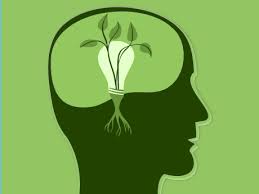
This will be challenging, but I will keep at it.
a)
Growth Mindset
b)
Fixed Mindset
93.
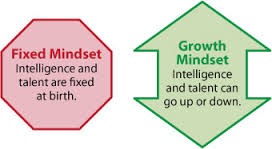
I'm on the right track.
a)
Growth Mindset
b)
Fixed Mindset
94.
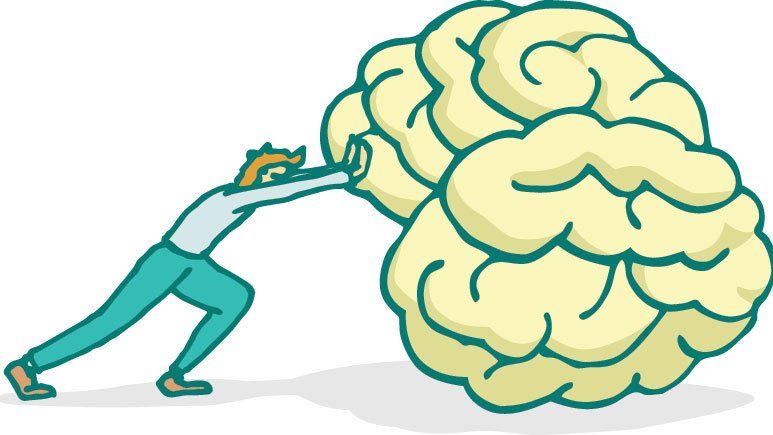
I am working really hard at this.
a)
Growth Mindset
b)
Fixed Mindset
95.
I've never been good at this.
a)
Growth Mindset
b)
Fixed Mindset
96.
I'm never going to get this.
a)
Growth Mindset
b)
Fixed Mindset
97.
I'm going to have to try again.
a)
Growth Mindset
b)
Fixed Mindset
98.
Tomorrow I will try again!
a)
Growth Mindset
b)
Fixed Mindset
99.
I should try a different strategy.
a)
Growth Mindset
b)
Fixed Mindset
100.
When you don't 'get' math,
a)
It's probably because your parents weren't 'math people', either.
b)
maybe your brain just isn't wired for it.
c)
it's due to the way the teacher presented it.
d)
just add 'yet' on the end of that sentence!
101.
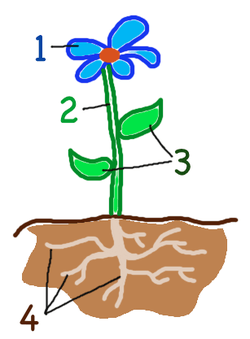
What part of the plant is #1?
a)
flower
b)
stem
c)
root
d)
leaf
102.
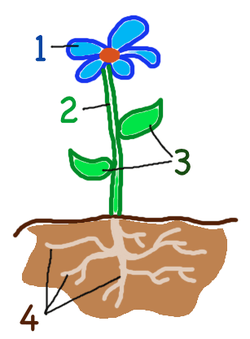
What part of the plant is #2?
a)
leaf
b)
flower
c)
stem
d)
root
103.
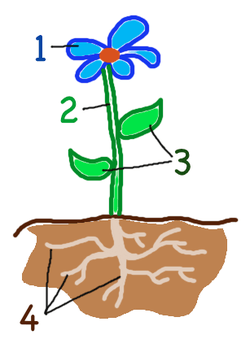
What part of the plant is #3?
a)
leaf
b)
root
c)
flower
d)
stem
104.
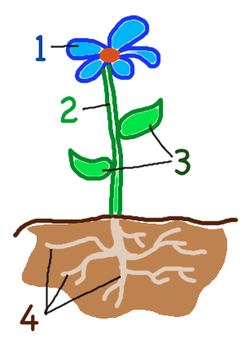
What part of the plant is #4?
a)
leaf
b)
flower
c)
stem
d)
root
105.
who uses photosynthesis
a)
us
b)
no body
c)
i dont know
d)
plants
106.
The function of a ___ is to absorb water, store food, and anchor plants.
a)
flower
b)
leaf
c)
stem
d)
root
107.
The roots absorb what for the plant?
a)
Water and Nutrients
b)
Soil and Sun
c)
Warmth and Water
d)
Sun and Photosynthesis
108.
Which of the following is NOT a function of the stem of a plant?
a)
Hold the leaves toward the sun
b)
Hold the petals up for pollinators
c)
Provide a way for xylem to transport food
d)
Support the plant
109.
Which of the following statements best describes xylem's function in the plant?
a)
transpports water and minerals up from the roots to the rest of the plant
b)
transports food down from the leaves to the rest of the plant
c)
transports water and minerals down from the roots to the rest of the plant
d)
transports food up from the leaves to the rest of the plant
110.
Which of the following statements best describes phloem's function in the plant?
a)
transpports water and minerals up from the roots to the rest of the plant
b)
transports food down from the leaves to the rest of the plant
c)
transports water and minerals down from the roots to the rest of the plant
d)
transports food up from the leaves to the rest of the plant
111.
What is the part of the flower that is brightly colored to attract pollinators?
a)
Petals
b)
Stamen
c)
Pistil
d)
Sepals
112.
What is the male part of the flower?
a)
Petals
b)
Stamen
c)
Pistil
d)
Sepals
113.
What is the female part of the flower?
a)
Petals
b)
Stamen
c)
Pistil
d)
Sepals
114.
What part of the male part of the flower makes pollen?
a)
Ovary
b)
Anther
c)
Filament
d)
Stigma
115.
What part of the male part of the flower holds up the anther?
a)
Ovary
b)
Anther
c)
Filament
d)
Stigma
116.
What part of the female part of the flower gathers pollen?
a)
Ovary
b)
Style
c)
Filament
d)
Stigma
117.
What part of the female part of the flower is a tube that pollen travels through?
a)
Ovary
b)
Style
c)
Filament
d)
Stigma
118.
What part of the female part of the flower is the place that holds the eggs?
a)
Ovary
b)
Style
c)
Filament
d)
Stigma
119.
What is the male reproductive material of plants?
a)
Seeds
b)
Pollen
c)
Fruit
d)
Sepals
120.
What are the small, green leaf-like structures that protect the flower when it is a bud?
a)
Seeds
b)
Pollen
c)
Petals
d)
Sepals
121.
What part of the flower turns into the fruit?
a)
Seeds
b)
Ovary
c)
Stamen
d)
Sepals
122.
What organelle in the leaves of plants capture light energy from the sun to complete photosynthesis?
a)
Chloroplasts
b)
Mitochondria
c)
Nucleus
d)
Ribosomes
123.
What is pollination?
a)
the transfer of pollen from the anther to the stigma
b)
the union of pollen and egg cells in the ovary of the flower
c)
the dispersal of seeds to a new location
d)
the transfer of cash in a business transaction between plants
124.
What is fertilization?
a)
the transfer of pollen from the anther to the stigma
b)
the union of pollen and egg cells in the ovary of the flower
c)
the dispersal of seeds to a new location
d)
the transfer of cash in a business transaction between plants
125.
What helps plants pollinate by carrying pollen from one plant to another?
a)
Mailman
b)
Pollinator
c)
Terminator
d)
Commentator
126.

What is this movie?
a)
Sleeping Beauty
b)
Tangled
c)
Cinderella
d)
Aladdin
127.

What is this movie?
a)
101 Dalmatians
b)
Fox & the Hound
c)
Peter Pan
d)
The Little Mermaid
128.

What is this movie?
a)
Lion King
b)
Jungle Book
c)
Peter Pan
d)
Aladdin
129.

What is this movie?
a)
Bambi
b)
Robin Hood
c)
Jungle Book
d)
Peter Pan
130.

What is this movie?
a)
Lion King
b)
Jungle Book
c)
Cinderella
d)
Dumbo
131.
Is India in Africa, Asia, Texas, or South America?
a)
Africa
b)
Asia
c)
Texas
d)
South America
132.
George Washington was elected the first president after the signing of the Declarattion of Independence.
a)
True
b)
False
c)
I don't know
133.
How many quarters make 75 cent?
a)
2
b)
1
c)
7
d)
3
134.
Which fraction do not belong in this group?
a)
2/6
b)
1/3
c)
3/8
d)
4/12
135.
What two color make green?
a)
Yellow/ red
b)
Blue/red
c)
Orange/pink
d)
Yellow/blue
136.

Who developed the theory of relativity?
a)
Einstein
b)
Darwin
137.

On which continent is the Sahara desert?
a)
Africa
b)
Asia
138.

Antarctica covers which of the earth's poles?
a)
The South Pole
b)
The North Pole
139.

Which vitamin is abundant in citrus fruits?
a)
Vitamin C
b)
Vitamin B
140.
Which instrument has keys, pedals and strings?
a)
Piano
b)
Keyboard
141.
What is the biggest state in the U.S.A.?
a)
Alaska
b)
Texas
142.
In which ocean is Hawaii?
a)
Pacific
b)
Atlantic
143.
The body's largest organ is _______
a)
skin
b)
lungs
c)
liver
d)
heart
144.

This cartoon character derived from _____
a)
snail
b)
sea star
c)
fish
d)
jelly fish
145.
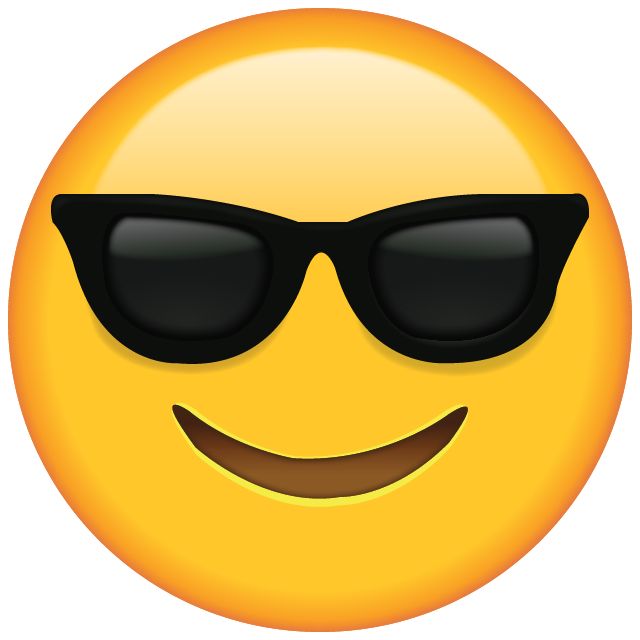
What is this emoji stand for?
a)
Surprise
b)
Happy
c)
Cool
d)
Blind
146.
Round to the nearest ten:
37
37
a)
10
b)
20
c)
30
d)
40
147.
Round to the nearest ten:
752
752
a)
700
b)
800
c)
750
d)
760
148.
Which of the following numbers will NOT round to 400 when rounding to the nearest hundred?
a)
409
b)
445
c)
345
d)
398
100 %

