
 Worksheets
Trophic & Levels of Organization
Total questions: 30
Worksheet time: 24mins
Name
Class
Date
1.
The efficiency of energy transfer from a lower trophic level to the next highest level is roughly
a)
1%
b)
10%
c)
100%
d)
1000%
2.
What does every food chain start with?
a)
producers
b)
sun
c)
consumer
d)
decomposers
3.

In the energy pyramid here, how much of the energy in each level gets lost as heat or used by the organism for survival?
a)
80%
b)
90%
c)
10%
d)
20%
4.

The shrew provides energy for the _______.
a)
cricket
b)
grasshopper
c)
frog
d)
snake
5.

An organism that gets energy from breaking down dead organisms, non-living material or waste is a(an) ___________.
a)
producer
b)
consumer
c)
decomposer
d)
autotroph
6.
An organism that obtains energy by eating other organisms.
a)
Consumer
b)
Producer
c)
Decomposer
d)
Detriov
7.
Which of the following would provide the most energy in an ecosystem?
a)
Producers
b)
Herbivore
c)
Omnivore
d)
Carnivore
8.
An organism that uses an outside source of energy like the sun to create energy-rich food molecules.
a)
Consumer
b)
Producer
c)
Decomposer
d)
Parasite
9.
All energy on Earth ultimately comes from what source?
a)
Water
b)
Sun
c)
Consumers
d)
Oxygen
10.

In the energy pyramid below, which organism has the least amount of energy available?
a)
Producers
b)
primary consumers
c)
secondary consumers
d)
tertiary consumers
11.

If there is 1000 Kcal for the producers, how much energy would be transferred to the Primary Consumers?
a)
10 Kcal
b)
1 Kcal
c)
100 Kcal
d)
1000 Kcal
12.
The smallest unit of life that can sustain itself is called...
a)
an organism.
b)
the biosphere.
c)
a population.
d)
a community.
13.
What is it called when a group of the same organisms living together in the same place at the same time?
a)
An organism
b)
A population
c)
A community
d)
A biome
14.
What are groups of different populations living togther in the same place at the same time called?
a)
An organism
b)
A population
c)
A community
d)
A biosphere
15.
What is it called when you have groups of different populations along with their abiotic factors?
a)
An organism
b)
A population
c)
A community
d)
An ecosystem
16.
When all the ecosystems on Earth are combined it is called...
a)
a community.
b)
a biome.
c)
a biosphere.
d)
an Earthsphere.
17.
The temperate decisuous forest, the tropical rain forest, the desert, and the tundra are all examples of...
a)
the biopshere.
b)
biomes.
c)
ecosystems.
d)
communities.
18.
Andrea is on the grils cross country tream. She is heading out for a run when she comes across 20 Canadian geese. What level of organization is this group of Canadian geese?
a)
organism
b)
population
c)
community
d)
biome
19.
What are the ecological levels of organization from smallest to the largest?
a)
organism, population, community, ecosystem, biome, biosphere
b)
organism, community, population, ecosystem, biome, biosphere
c)
organism, population, community, biome, ecosystem, ecosphere.
d)
organism, community, population, biome, ecosystem, ecosphere
20.
A frog eats a fly. The frog and fly are demonstrating ________.
a)
mutualism
b)
competition
c)
predator/prey
d)
parasitism
21.

What type of symbiosis? Hummingbirds feed on nectar from flowers. The flowers are pollinated by hummingbirds as they move from flower to flower.
a)
commensalism
b)
mutualism
c)
parasitism
d)
predation
22.
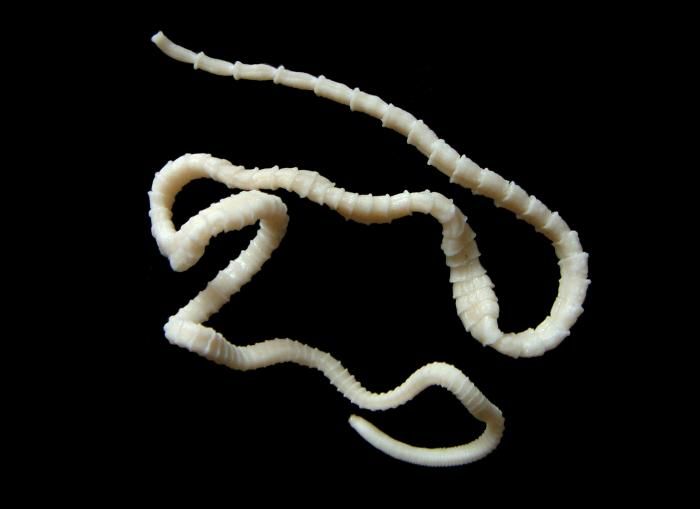
A tapeworm and a cat have this type of relationship.
a)
mutualism
b)
parasitism
c)
commensalism
d)
competition
23.

Which organism recieves the least amount of energy from the producer?
a)
Owl
b)
Grasshopper
c)
Lilypad
d)
Mouse
24.

a)
frog is a first level consumer
b)
frog is a producer
c)
frog is a second level consumer
d)
frog is a top consumer
25.

Which of these is biotic?
a)
corals
b)
salt
c)
water
d)
rocks
26.

Living things that are a part of a biome are called...
a)
Biotic
b)
Abiotic
c)
Habitat
d)
Ecosystem
27.

The way living organisms interact with each other in a particular environment/community is called...
a)
Ecosystem
b)
Biome
c)
Habitat
d)
Abiotic
28.
Which of these is abiotic?
a)
corals
b)
Clown Fish
c)
crustacean
d)
water
29.
In the energy pyramid below, which organism has the most energy available?
a)
Producers
b)
primary consumer
c)
secondary consumer
d)
tertiary consumer
30.
If there is 1000 Kcal for the producers, how much energy would be transferred to the tertiary Consumers?
a)
10 Kcal
b)
1 Kcal
c)
100 Kcal
d)
1000 Kcal
100 %
![Evolution Booklet [Assessed HW]](https://cf.quizizz.com/image/image-loader.svg)
