
 Worksheets
IPC Midterm Review
Total questions: 60
Worksheet time: 44mins
Name
Class
Date
1.

Pizza
a)
Heterogeneous
b)
Homogeneous
2.

Sugar water
a)
Heterogeneous
b)
Homogeneous
3.

Vinegar
a)
Heterogeneous
b)
Homogeneous
4.

Salad is an example of a
a)
homogeneous mixture
b)
heterogeneous mixture
5.

Italian Salad Dressing
a)
heterogeneous mixture
b)
homogeneous mixture
6.
What is the difference between a homogeneous mixture and a heterogeneous mixture?
a)
homogeneous is the same throughout, heterogeneous is different throughout
b)
homogeneous is different throughout, heterogeneous is the same throughout
7.
Which of the following tells you that a chemical change may have occurred?
a)
Change Shape
b)
Melting
c)
Vaporizing
d)
Change in color
8.
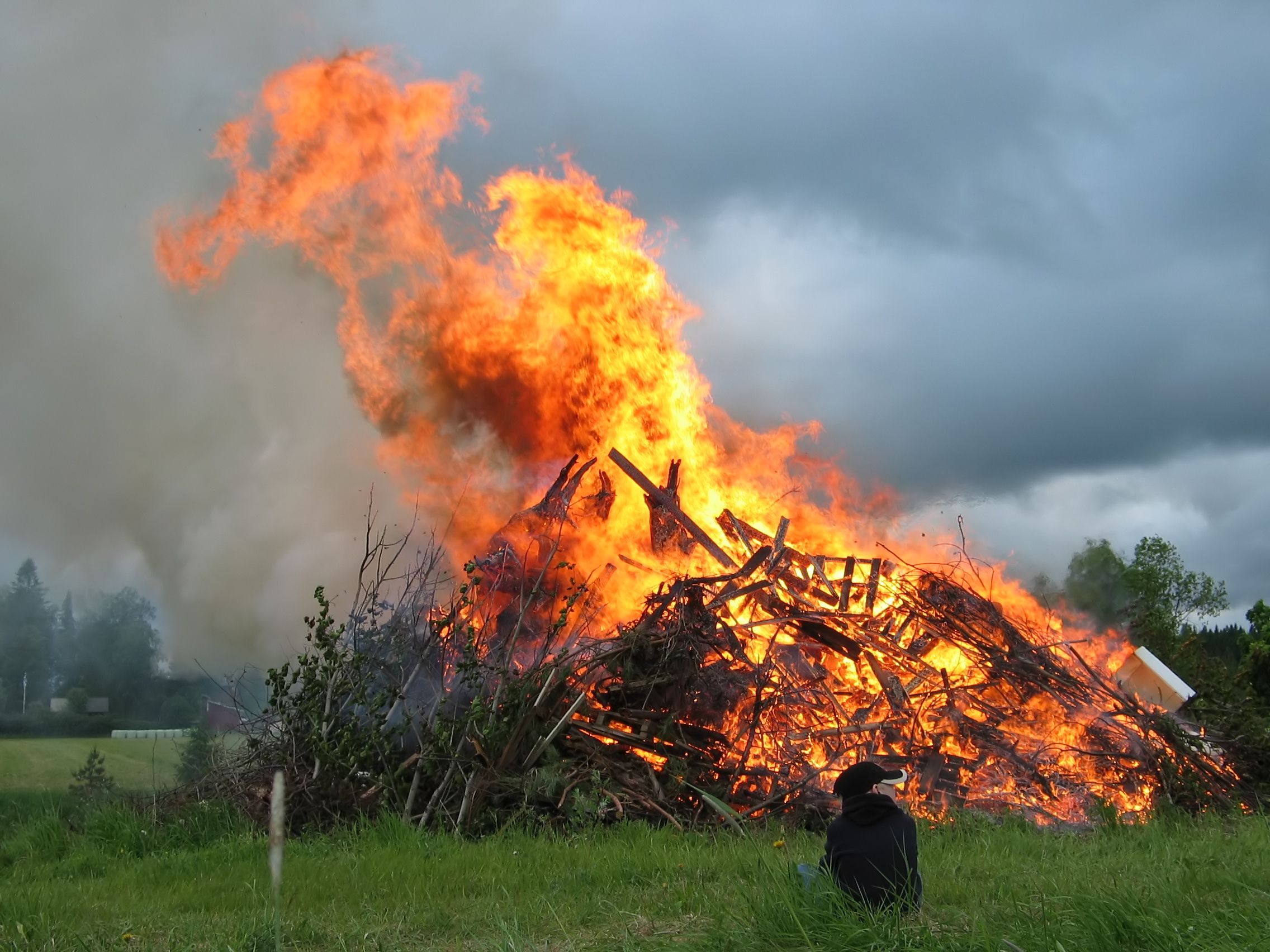
Is wood burning a physical or chemical change?
a)
Physical
b)
Chemical
9.

Is Gatorade powder dissolving in water physical or chemical change?
a)
Physical
b)
Chemical
10.

Is making orange juice a physical or chemical change?
a)
Physical
b)
Chemical
11.

Is copper tarnishing a physical or chemical change?
a)
Physical
b)
Chemical
12.
The Law of Conservation of Mass tells us matter can't ______________.
a)
change color
b)
change state of matter
c)
be created or destroyed
d)
change temperature
13.
Which of the following is a sign that a chemical reaction has occurred?
a)
change in shape
b)
melting
c)
formation of a gas
d)
dissolving
14.
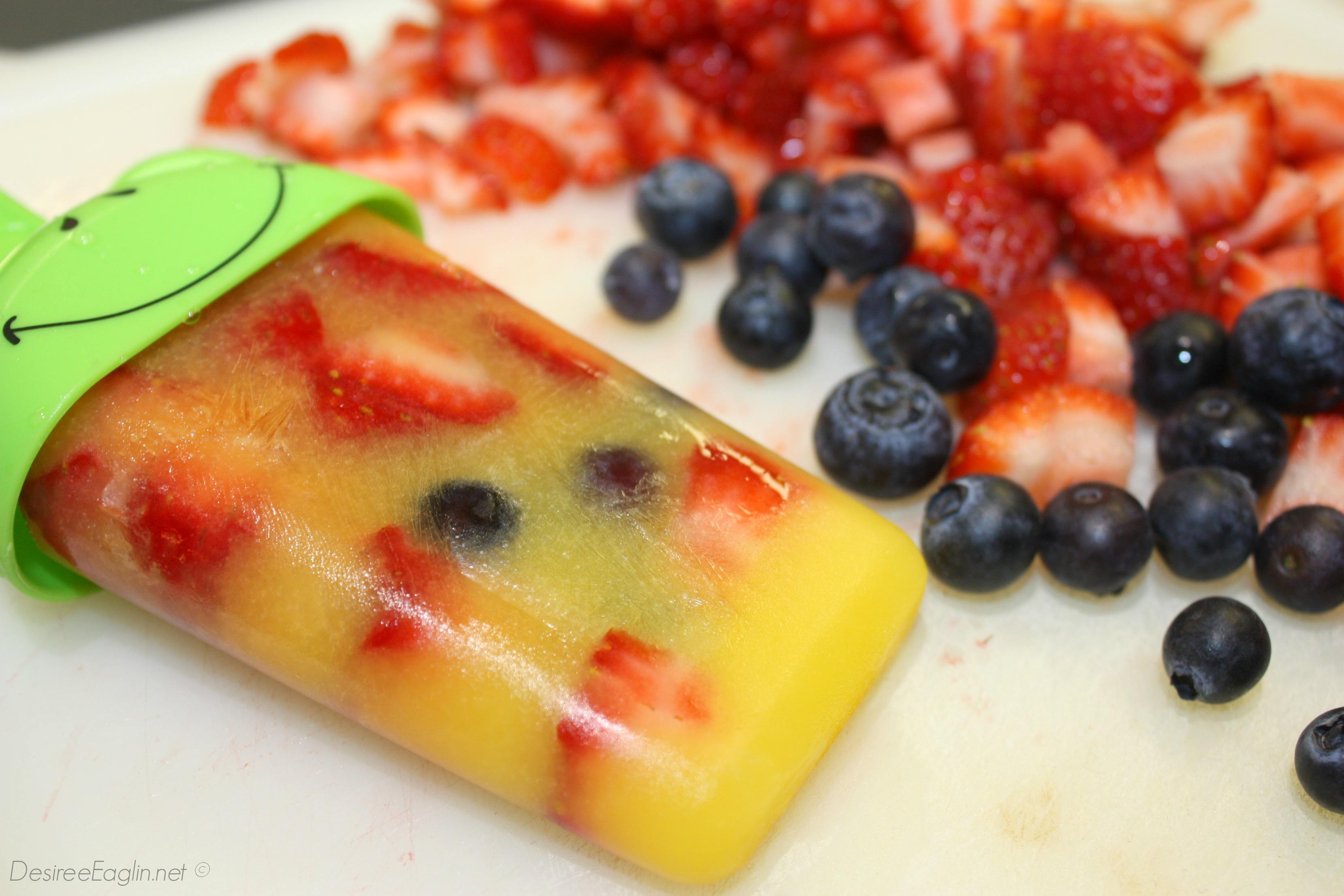
Freezing Juice?
a)
Physical Change
b)
Chemical Change
15.
What kind of properties can only be observed when a substance changes into a different substance?
a)
physical properties
b)
chemical properties
16.
An object with which of the following densities will float on water?
a)
0.7 g/cm3
b)
1.2 g/cm3
c)
3.5 g/cm3
d)
11.4 g/cm3
17.
Why do ice cubes float in a glass of water?
a)
the ice cubes are more dense than the water
b)
the water is more dense than the ice cubes
c)
the water is more dense than the glass
d)
the ice is more dense than the glass
18.
Which property of matter is determined by dividing its mass by its volume?
a)
elasticity
b)
buoyancy
c)
density
d)
viscosity
19.

What is viscosity?
a)
A liquid's resistance to flow.
b)
a liquids flow.
c)
a liquid
d)
gas to solid.
20.
Xenon...
a)
is flammable
b)
is corrosive
c)
is unreactive (inert)
d)
will bond with Fluorine
21.
Why do elements in the same column of the periodic table have similar reactivity?
a)
Their electron shells are full.
b)
Their electron shells are empty
c)
They have the same number of valence electrons.
d)
The have different numbers of valence electrons
22.
What are valence electrons?
a)
outer shell electrons
b)
core electrons
c)
inner shell electrons
d)
protons
23.
Why are noble gases generally unreactive?
a)
They have empty shells
b)
They are explosive
c)
They have a full valence shell
d)
They combine with water
24.
Nonmetals
a)
are on the top left of the periodic table
b)
are on the lower left of the periodic table
c)
are on the top right of the periodic table
d)
are at the bottom of the periodic table
25.
Convert 8 kilometers to meters
a)
800 m
b)
80,000 m
c)
8,000 m
d)
.008 m
26.
1000 grams = _____ kilograms
a)
0.0001
b)
1,000,000
c)
10
d)
1
27.
1 L = _______ mL
a)
1
b)
10
c)
100
d)
1000
28.

What is the formula to solve for the neutron?
a)
Mass + Atomic Number= Neutrons
b)
Mass x Atomic Number = Neutrons
c)
Mass - Atomic Number = Neutrons
d)
Mass + Number of Protons = Neutron
29.

How many neutrons does oxygen have?
a)
16
b)
15.99
c)
8
d)
Doesn't contain any neutrons
30.
Which is NOT a step in the scientific method?
a)
Make observation
b)
Form a theory
c)
Collect data
d)
Form a hypothesis
31.
This variable in an experiment is the one being changed by the scientist.
a)
dependent variable
b)
independent variable
c)
data
d)
control group
32.
What is a hypothesis?
a)
A hypothesis is the right answer to an experiment.
b)
A hypothesis is the wrong answer to an experiment.
c)
A hypothesis is an educated guess.
d)
I don't know.
33.
An experiment is performed on plants to see how different liquids affect plant growth. Each plant in the experiment is given a different liquid; water, apple juice, or milk. Each plant has the same amount of soil, sunlight, and listens to the same music. In this investigation, the independent variable is ...
a)
The type of plant
b)
The amount of sunlight
c)
The type of music
d)
The type of liquid
34.
Dependent variable means
a)
the scientist controls what to test
b)
educated guess
c)
ask a question
d)
what is being measured
35.
Will a construction paper air plane fly faster than an airplane made from notebook paper? Choose the best hypothesis.
a)
If I make a paper airplane from notebook paper, then it will fly faster than construction paper.
b)
Yes.
c)
No.
d)
I think the construction paper air plane will fly faster.
36.
Which of the following is a pure substance?
a)
CO
b)
C02
c)
Co
d)
H2O
37.

What is gold?
a)
element
b)
compound
c)
mixture
38.

What is sugar?
a)
element
b)
compound
c)
mixture
39.

What is water?
a)
element
b)
compound
c)
mixture
40.

When two or more elements chemically combine
a)
element
b)
compound
c)
mixture
d)
solution
41.
A horizontal row of elements in the periodic table.
a)
column
b)
group
c)
period
42.
A vertical column in the periodic table. Elements share similar properties.
a)
row
b)
group
c)
period
43.
Elements in a ..................have similar chemical properties.
a)
period
b)
group
c)
row
44.
How did Mendeleev organize the elements in his periodic table?
a)
increasing mass only
b)
increasing atomic number only
c)
increasing atomic mass with periods and groups
d)
increasing atomic number with periods and groups
45.

What is the name of this element?
a)
Helium
b)
Hydrogen
c)
Argon
d)
Silver
46.
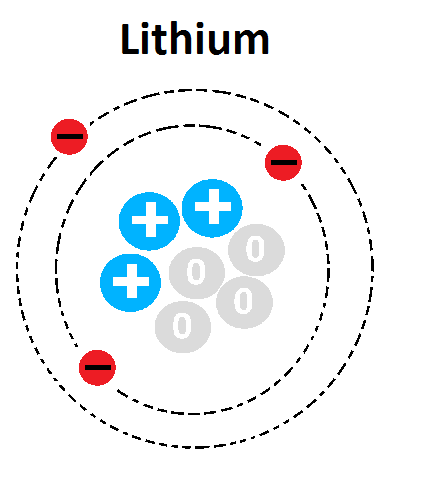
What is the mass number of this atom?
a)
1
b)
3
c)
4
d)
7
47.

What is the atomic number of this atom?
a)
2
b)
4
c)
6
d)
none of the above
48.

What group does this element belong to?
a)
Group 1: Alkali metals
b)
Group 18: Noble Gases
c)
Group 2: Alkaline-Earth Metals
d)
Group 17: Halogens
49.
The innermost energy level has a maximum of how many electrons?
a)
1
b)
2
c)
6
d)
8
50.
What is the goal of the Lewis Dot Structure?
a)
To determine the electron position.
b)
To show the element's valence electrons & bonding capabilities.
c)
To find the atomic mass of an element.
d)
To search for the number of electrons in an individual atom.
51.
According to the octet rule most elements need _______ valence electrons.
a)
2
b)
8
c)
6
d)
18
52.

This is a correct dot diagram for carbon (C)
a)
true
b)
false
53.
What is the charge on a chloride ion?
a)
-1
b)
1
c)
+2
d)
+1
54.
A(n) _________ is an ion with a positive (+) charge.
a)
anion
b)
cation
c)
ion
d)
solute
55.
When an atom loses an electron, it becomes a:
a)
positive ion
b)
negative ion
c)
neutral ion
d)
neutral atom
56.
Magnesium bromide is an ionic compound with the chemical formula MgBr₂. What does the "2" tell you?
a)
There are 2 bromide ions for every magnesium ion
b)
Bromide has a 2- charge
c)
Bromide has a 2+ charge
d)
There are 2 magnesium ions to every bromide ion
57.
What will be the compound name of the following chemical formula?
NaCl
NaCl
a)
Potassium Chloride
b)
Sodium Chloride
c)
Calcium Chloride
d)
Sodium Chlorine
58.
Ionic bonds form between metals and ____.
a)
metalloids
b)
metals
c)
nonmetals
59.
What is the formula of Sodium oxide?
a)
Na2O
b)
NaO2
c)
Na2O2
d)
Na2O
60.
What is the formula of calcium oxide?
a)
CaO2
b)
CaO
c)
Ca2O
d)
CO
100 %

