
 Worksheets
Mid Year Review
Total questions: 141
Worksheet time: 8hrs 14mins
Name
Class
Date
1.
What is the energy source for the water cycle?
a)
the sun
b)
the earth
c)
water
d)
the moon
2.
Which of these is an example of precipitation?
a)
snow
b)
air
c)
clouds
d)
vapor
3.
Which best explains why runoff is important?
a)
It returns water to other locations on Earth
b)
It increases the chance of flooding
c)
It makes evaporation occur faster
d)
It increases condensation
4.
Snow, sleet, hail, and rain are all examples of ________________.
a)
evaporation
b)
condensation
c)
accumulation
d)
precipitation
5.

What is it called when plants give off water vapor as a waste product?
a)
condensation
b)
evaporation
c)
sublimation
d)
transpiration
6.
When water _________, dew forms.
a)
Melts
b)
Evaporates
c)
Condenses
d)
Precipitates
7.
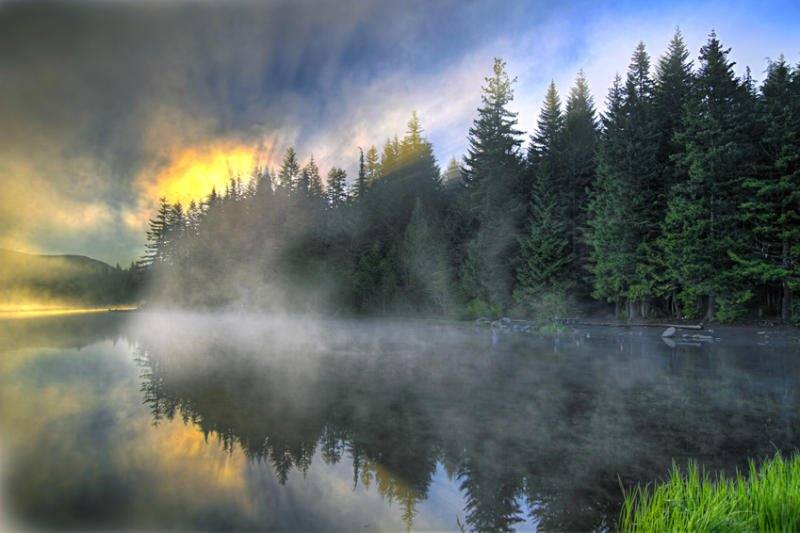
What happens after groundwater at the very end/beginning of the water cycle?
a)
Evaporation
b)
Transpiration
c)
Condensation
d)
Groundwater
8.
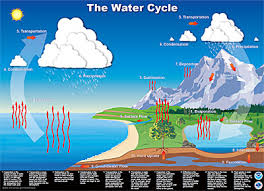
During which stage do clouds form?
a)
condensation
b)
evaporation
c)
precipitation
9.
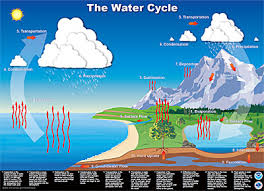
Which stages does liquid water from the ocean turn into water vapor?
a)
condesantion
b)
evaporation
c)
precipitation
d)
run off
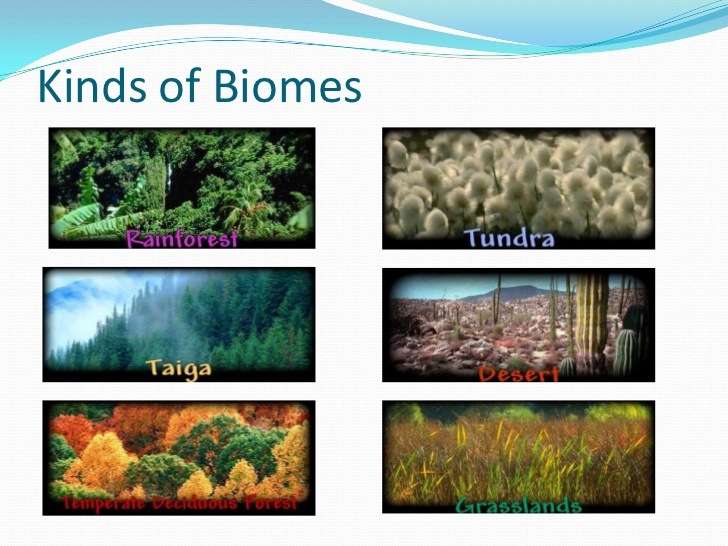
10.
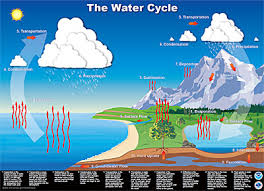
Which stage does ground water try to return to the ocean or soak into the ground?
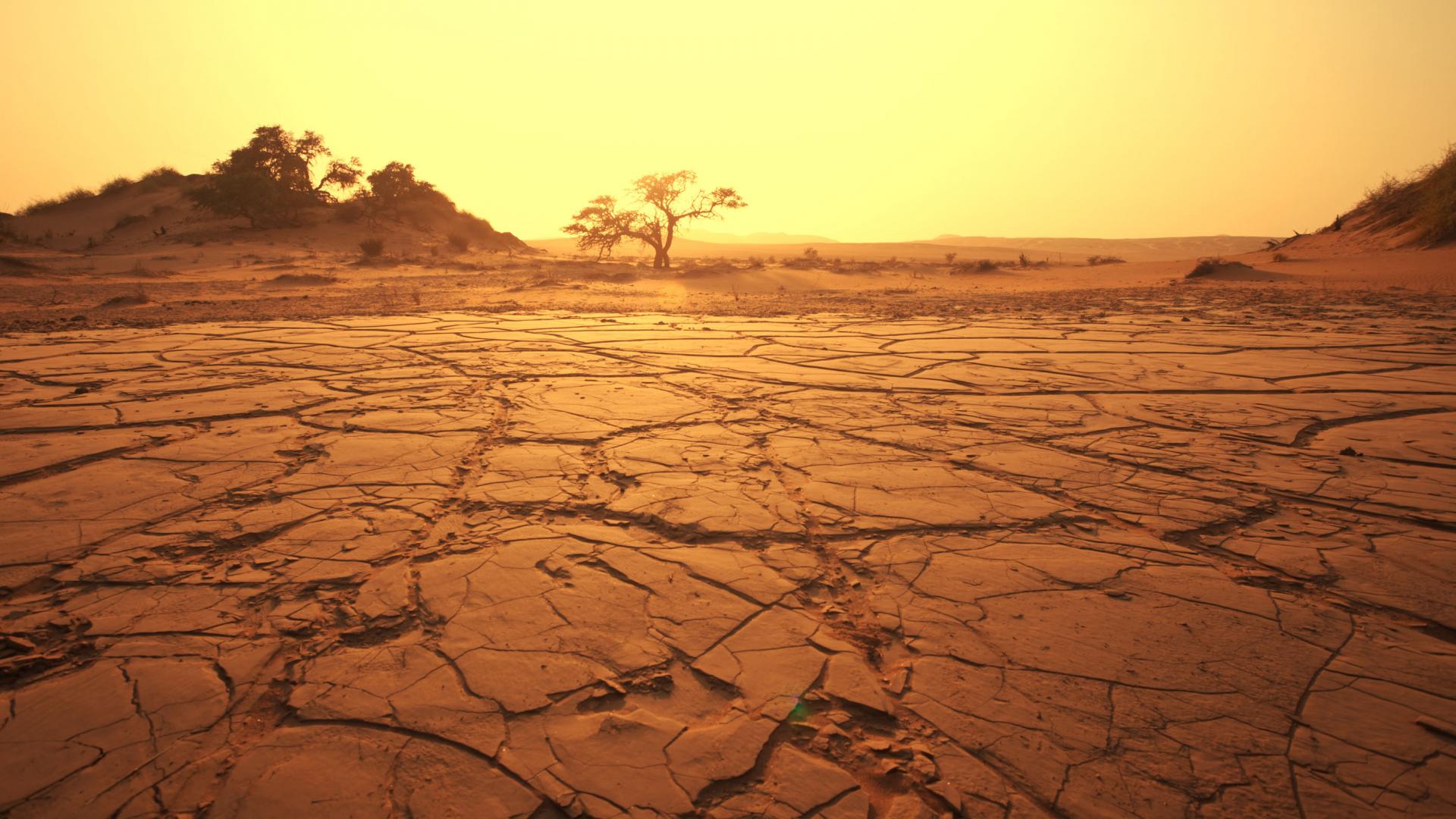
a)
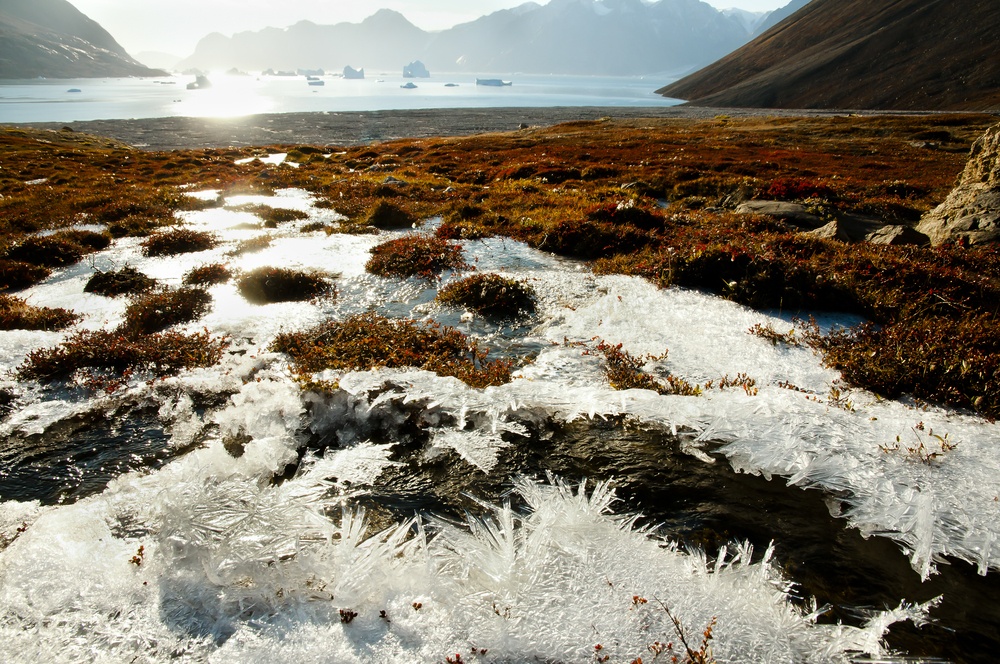
condensation
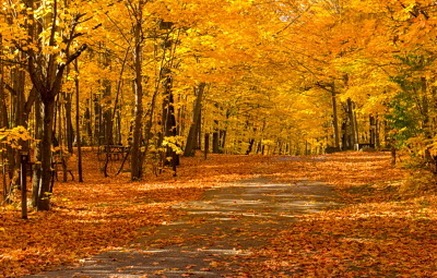
b)
evaporation
c)
precipitation
d)
run off
11.

What does this illustration show?
a)
Sunrise
b)
The Water Cycle
c)
Sunset
d)
the recycling of snow
12.
On which kind of day would you expect the most evaporation from the surface of a pond?
a)
sunny and hot
b)
sunny and cold
c)
rainy and hot
d)
rainy and cold
13.
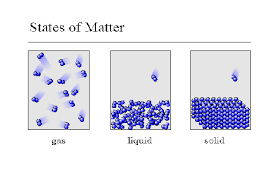
At higher temperatures
a)
particles in an object have less energy
b)
particles in an object move faster
c)
a gas contracts
14.
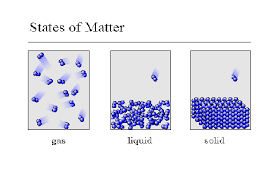
A gas
a)
has a definite shape but no definite volume
b)
has a definite volume but no definite shape
c)
has fast-moving particles
15.
Freezing
a)
Solid to gas
b)
Liquid to solid
c)
Gas to solid
d)
Liquid to gas
16.
Boiling
a)
liquid to gas
b)
gas to solid
c)
gas to liquid
d)
solid to liquid
17.
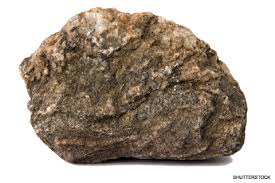
Which state of matter has tightly packed molecules?
a)
solid
b)
liquid
c)
gas
18.
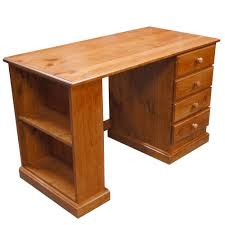
Which state of matter has a definite shape?
a)
solid
b)
liquid
c)
gas
19.
What is happening when my ice cream changes from a solid to a liquid?
a)
freezing
b)
melting
c)
burning
d)
evaporation
20.
Define a liquid.
a)
Indefinite shape, indefinite volume
b)
Definite shape, definite volume
c)
Found in stars
d)
Definite volume, indefinite shape
21.
The state of matter that has no definite size or shape is
a)
Solid
b)
Liquid
c)
Gas
22.
Particles (molecules) in a ______________________ have more energy than the other states of matter.
a)
gas
b)
solid
c)
liquid
23.
Particles of a liquid
a)
are tightly packed together and stay in a fixed position.
b)
have no viscosity.
c)
decrease in volume with increasing temperature.
d)
are free to move around one another but still touch.
24.
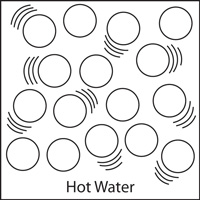
The speed of the molecules determines the _____.
a)
volume
b)
density
c)
pressure
d)
temperature
25.
The slower the particles in a substance move,
a)
the colder it is.
b)
the warmer it is.
c)
the more energy it has.
d)
the less energy it has.
26.
sodium and potassium react violently with water
a)
physical change
b)
chemical change
27.
pancakes cook on a griddle
a)
physical change
b)
chemical change
28.
food digested in the stomach
a)
physical change
b)
chemical change
29.
grass grows on a lawn
a)
physical change
b)
chemical change
30.
tire inflated with air
a)
physical change
b)
chemical change
31.
water absorbed by a paper towel
a)
physical change
b)
chemical change
32.
fireworks explode
a)
physical change
b)
chemical change
33.
Alka-Seltzer gives off carbon dioxide when added to water
a)
physical change
b)
chemical change
34.
clouds form in the sky
a)
physical change
b)
chemical change
35.
water is heated and changed to steam
a)
physical change
b)
chemical change
36.
iron pipe rusts
a)
physical change
b)
chemical change
37.
rubbing alcohol evaporates
a)
physical change
b)
chemical change
38.
ice cube melts
a)
physical change
b)
chemical change
39.
milk sours (goes bad)
a)
physical change
b)
chemical change
40.
paper burns
a)
physical change
b)
chemical change
41.
A solid piece of chocolate is melted and changed to liquid form. Which property of the piece of chocolate will remain the same?
a)
Texture
b)
Temperature
c)
Shape
d)
Mass
42.
Which of the following is a sign that a chemical reaction has occurred?
a)
change in shape
b)
melting
c)
formation of a gas
d)
dissolving
43.
Which of the following is NOT an example of a physical change?
a)
crumpled paper
b)
pencil sharpening
c)
shrunken clothing
d)
rust
44.
Change in color is a physical change.
a)
True
b)
False
45.
Change in density is a physical change.
a)
True
b)
False
46.
Fizzing, foaming, and burning are all examples of
a)
Chemical change
b)
Physical change
47.
Rust on an iron bar is an example of chemical change.
a)
True
b)
False
48.
What kind of properties can only be observed when a substance changes into a different substance?
a)
physical properties
b)
chemical properties
49.
The type of heat transfer that happens through direct contact of molecules or particles with each other is ___________________.
a)
Convection
b)
Conduction
c)
Radiation
d)
insulation.
50.
In heat transfer, heat always flows from the _______________ substance to the _______________ substance.
a)
Hotter to colder
b)
Colder to hotter
c)
Hotter to hotter
d)
Colder to colder
51.
How many kinds of heat transfer are there?
a)
1
b)
2
c)
3
d)
4 or more
52.
The kind of heat transfer that travels through space in electromagnetic waves is ______________________.
a)
insulation.
b)
Radiation
c)
Conduction
d)
Convection
53.
The handle of a metal spoon warms up when it is placed in a hot bowl of soup because of
a)
Convection
b)
Conduction
c)
Radiation
d)
insulation.
54.
When you use a microwave, what is the main way that heat is transferred?
a)
Convection
b)
Conduction
c)
Radiation
d)
insulation.
55.
Which of the following is the best example of conduction?
a)
A light bulb warming a lampshade
b)
An egg cooking in a frying pan
c)
Water boiling in a pot
d)
Gases circulating in the atmosphere
56.
Which of the following is an example of convection?
a)
A hair dryer is drying up your hair.
b)
When the AC or heater changes the temperature.
c)
When a car engine turns hot after being turned on.
d)
When you are making soup and the water is rising and lowering.
57.
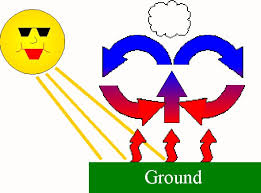
Warm air rises and the cool air sinks demonstrates this type of heat transfer.
a)
conduction
b)
convection
c)
radiation
d)
Insolation
58.
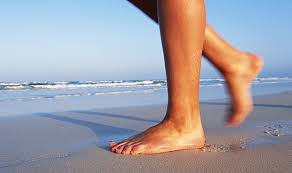
Walking on the warm sand sand with your bare feet demonstrates this type of heat transfer.
a)
conduction
b)
convection
c)
radiation
59.
Ironing a shirt is an example of...
a)
condensation
b)
conduction
c)
convection
d)
radiation
60.

A group of friends gather around a fire to stay warm.
a)
conduction
b)
convection
c)
radiation
61.
You get sunburned due to __________ from the sun.
a)
conduction
b)
convection
c)
radiation
62.

A toaster toasting bread is an example of
a)
condensation
b)
conductio
c)
convection
d)
radiation
63.

The candle will slowly heat the metal and transfer the heat directly to the mans hand.
a)
conduction
b)
convection
c)
radiation
64.
A chair is placed several feet from a fireplace. The fireplace has a glass screen. The side of the chair facing the fireplace gets warm because of
a)
conduction
b)
convection
c)
radiation
65.
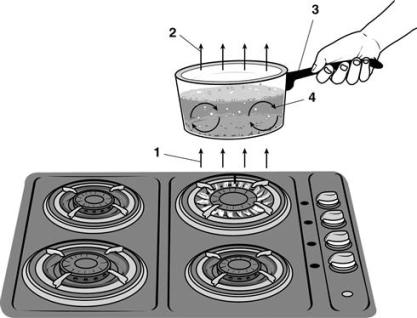
Which numbered part of the picture represents the way that energy from the sun reaches Earth?
a)
1
b)
2
c)
3
d)
4
66.
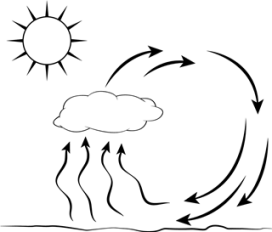
What causes the circulation of air in the atmosphere?
a)
Air in the atmosphere is heated by the sun and sinks to the ground.
b)
The ground is heated by the sun and then heats the air, causing the air to rise.
c)
Air loses heat to the ground and then rises upward to obtain more energy.
d)
The sun heats the clouds which forces the cooler air to move away and sink.
67.
A crayon placed on a dark driveway in bright sunlight melted into a colorful puddle. What caused the crayon to melt?
a)
Solar radiation heated the driveway and then heat transferred to the crayon by conduction.
b)
Solar radiation heated the driveway and then heat transferred to the crayon by radiation.
c)
Solar convection heated the driveway and then heat transferred to the crayon by radiation.
d)
Solar convection heated the driveway and then heat transferred to the crayon by conduction.
68.
A __________ includes all living and non-living things in an environment.
a)
population
b)
niche
c)
abitotic
d)
ecosystem
69.
Which best explains why many kinds of plants and animals can live together in an ecosystem?
a)
The plants and animals are all part of a food chain and depend on each other to live.
b)
Plants and animals are interdependent of one another.
c)
One species may overpopulate, killing all plant life.
d)
Over population of a species results in a biodiversity.
70.
_______ are consumers that eat only meat.
a)
Herbivore
b)
Omnivore
c)
Carnivore
71.
________ are consumers that eat plants and meat.
a)
Herbivore
b)
Omnivore
c)
Carnivore
72.
Which organism make their own food through the process of photosynthesis?
a)
decomposer
b)
consumer
c)
herbivore
d)
producer
73.
Which describes a decomposer?
a)
an organism that eats only plants
b)
an organism that makes its own food
c)
an organism that breaks down dead matter
d)
an organism that recieves energy from the sun
74.
What are interconnected food chains called?
a)
consumers
b)
predators
c)
food web
75.
If the population of prey increases, the population of predators will ________because of the availability of food.
a)
decrease
b)
stay the same
c)
increase
76.
What would most likely happen if an ecosystem no longer received sunlight?
a)
The number of herbivores would increase
b)
The number of plants would increase
c)
all organisms would adapt
d)
All living organisms would eventually die
77.
Examples of how humans negatively affect local ecosystems are
a)
Building dams, deforestation (cutting down trees), adding point sources to nearby streams to allow for run-off, building roads and structures, and salting roads.
b)
Creating laws to prohibit fishing from local streams.
c)
Planting trees and other plants to attract native species.
d)
Removing non-native species from the environment.
78.
How does energy enter an ecosystem?
a)
sunlight
b)
soil
c)
animals
d)
invasive species
79.
A lion, captures and eats other animals. What is he considered?
a)
prey
b)
predator
c)
producer
d)
healthy
80.
All the members of one species that live within an area of an ecosystem is a?
a)
population
b)
community
c)
niche
81.

Which organism do the owl and the weasel compete for in the food web?
a)
Hawk
b)
Spider
c)
Grasshopper
d)
Shrew
82.
A relationship between two organisms in which one organism benefits and the other is unharmed...
a)
Mutualism
b)
Competition
c)
Parasitsm
d)
Commensalism
83.
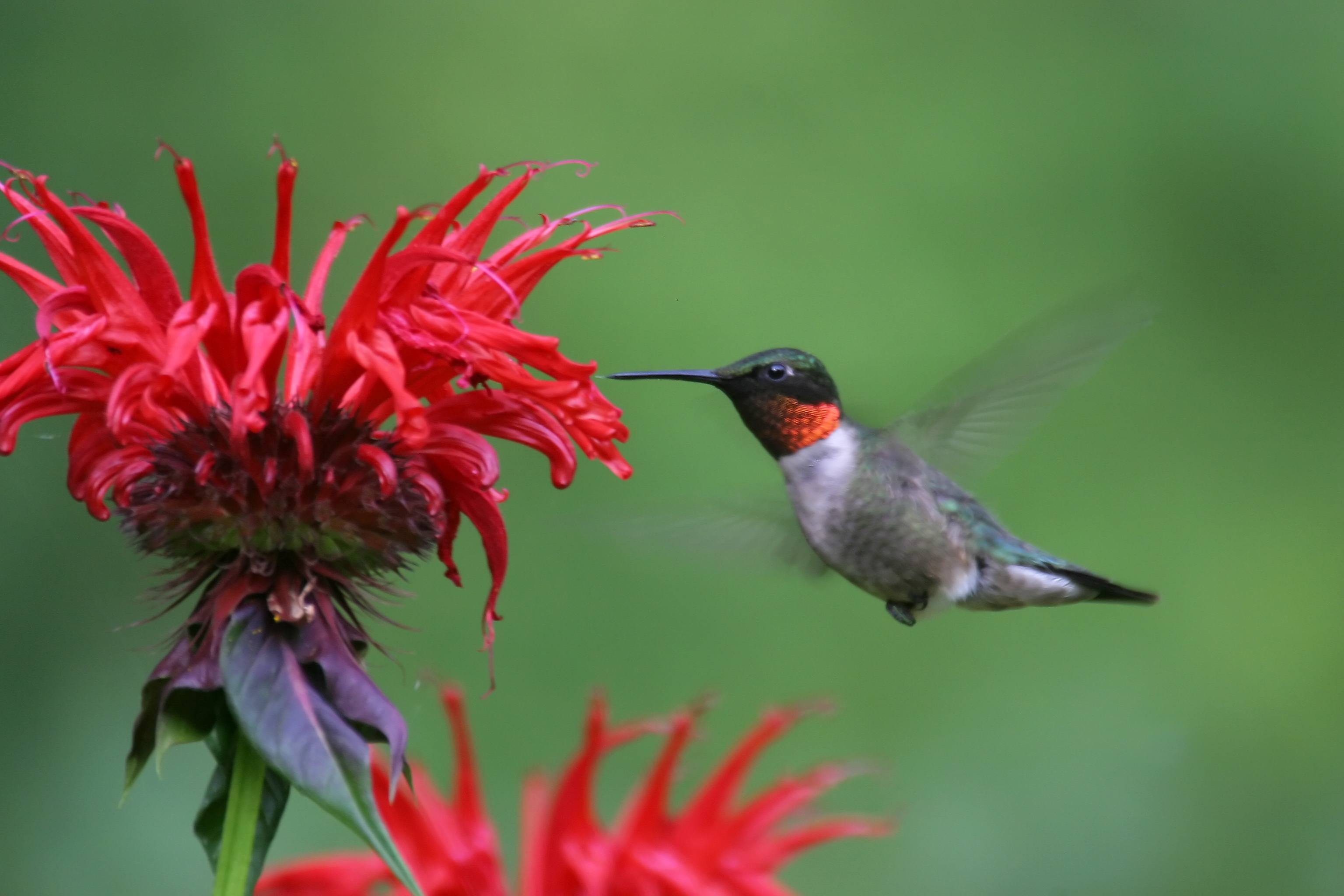
What type of symbiosis? Hummingbirds feed on nectar from flowers. The flowers are pollinated by hummingbirds as they move from flower to flower.
a)
commensalism
b)
mutualism
c)
parasitism
d)
predation
84.
What type of symbiosis? Hummingbirds feed on nectar from flowers. The flowers are pollinated by hummingbirds as they move from flower to flower.
a)
commensalism
b)
mutualism
c)
parasitism
d)
predation
85.
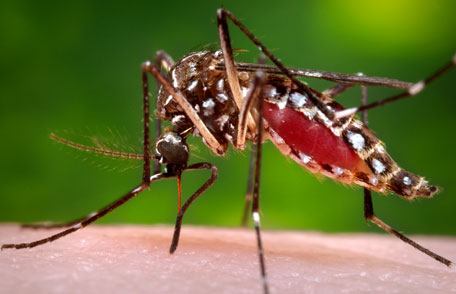
When a mosquito bites you, you are the __________ and the mosquito is the ____________.
a)
host, hostess
b)
parasite, host
c)
host, parasite
d)
prey, predator
86.

Mistletoe extracts water and nutrients from a spruce tree. The spruce tree is harmed.
a)
parasitism
b)
commensalism
c)
mutualism
87.

Oxpeckers feed on the ticks found on a rhinoceros. The oxpeckers get a meal and the rhinoceros is helped by the removal of the ticks.
a)
parasitism
b)
commensalism
c)
mutualism
88.
Which are abiotic factors?
a)
fish
b)
humans
c)
rocks
d)
cats
89.
The availability of shelter, food,water and space can change plant and animal survival. These are called
a)
multiplying factors
b)
competitive factors
c)
limiting factors
d)
survival factors
90.

Which organisms are in competition for the same food?
a)
fox and owl
b)
spider and fly
c)
rabbit and mouse
d)
deer and owl
91.
What is an adaptation?
a)
A feature or behavior that helps an animal survie.
b)
The food that an animal eats.
c)
How energy moves in a food web.
92.
An example of a physical adaptation is...
a)
a turtle hiding inside its shell
b)
The spikes on a porcupine fish
c)
a rabbit burrowing underground
d)
a viper biting when threatened
93.
In the desert, a bird builds its nest in a cactus to avoid predators. This behavior does not hurt or help the cactus, but it helps the bird. What type of relationship is this?
a)
Competition
b)
Parasitism
c)
Commensalism
d)
Mutualism
94.
The main source of energy in the food chain is _________________
a)
the sun
b)
the plants
c)
the consumers
d)
the decomposeres
95.
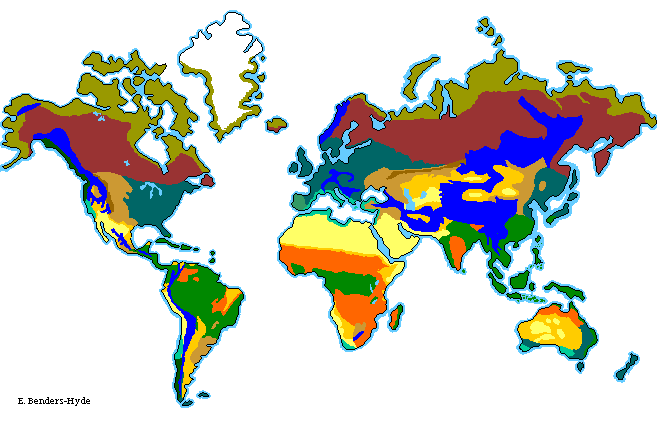
A large ecosystem is called a ______
a)
Ecosystem
b)
Habitat
c)
Biome
d)
Niche
96.
What is the main factor that separates the biomes?
a)
Land
b)
Water
c)
Climate
d)
Longitude
97.
Which biome is the driest?
a)
Desert
b)
Tundra
c)
Taiga
d)
Rainforest
98.
Which Biome has permafrost?
a)
Temperate Forest
b)
Rainforest
c)
Taiga
d)
Tundra
99.
Which biome has deciduous trees (which lose their leaves)?
a)
Temperate Forest
b)
Rainforest
c)
Grasslands
d)
Taiga
100.
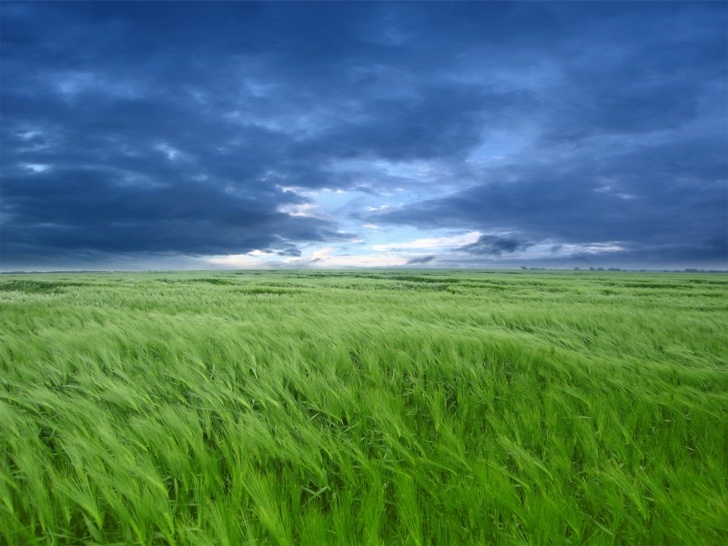
Which biome has wide-open fields of grass?
a)
Taiga
b)
Grasslands
c)
Temperate Forest
d)
Rainforest
101.
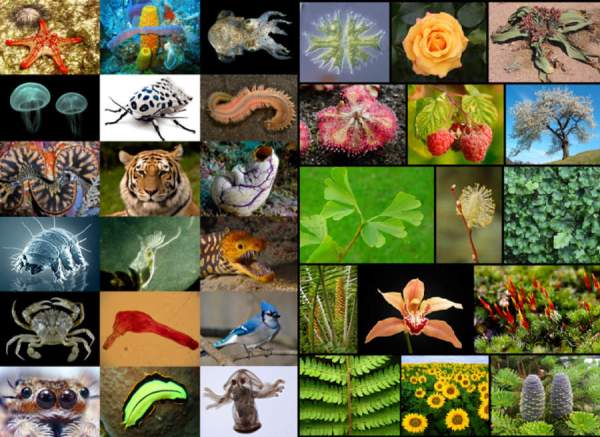
Which biome has the most variety of plants and animals?
a)
Temperate Forest
b)
Rainforest
c)
Tundra
d)
Grasslands
102.
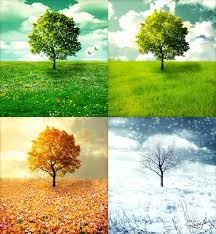
Which biome has 4 seasons?
a)
Taiga
b)
Tundra
c)
Grasslands
d)
Temperate Forest
103.

In which 2 biomes can only plants/animals with adaptations survive?
a)
Taiga/Temperate Forest
b)
Grasslands/Desert
c)
Tundra/Desert
d)
Rainforest/Tundra
104.
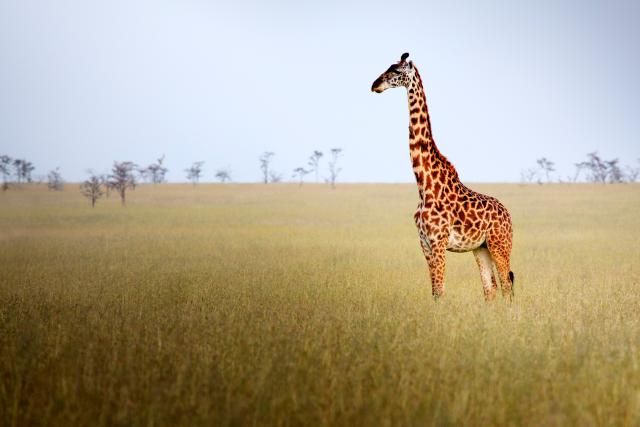
Which biome is home to lions, zebras, wildebeests, giraffes, and elephants?
a)
Grasslands
b)
Tundra
c)
Rainforest
d)
Temperate Forest
105.
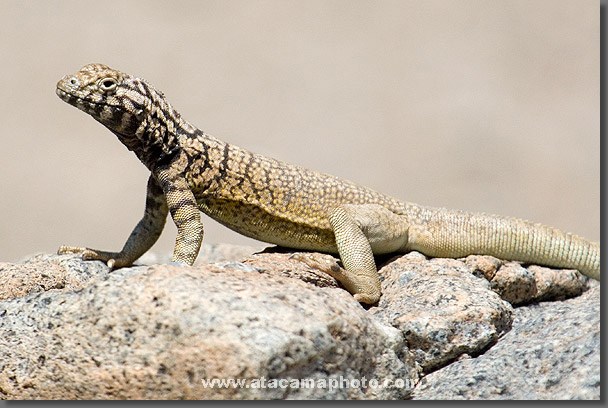
Which biome is home to cacti, scorpions, coyotes, kangaroo rats, and lizards?
a)
Desert
b)
Grasslands
c)
Temperate Forest
d)
Taiga
106.
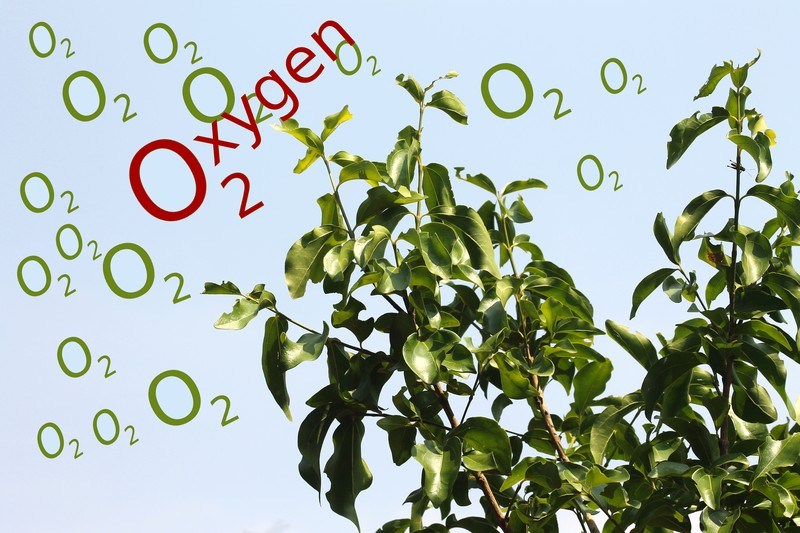
Which biome produces over 50% of the world's oxygen?
a)
Rainforest
b)
Temperate Forest
c)
Grasslands
d)
Taiga
107.

Which biome is home to jaguars, anacondas, leopards, gorillas, and poisonous tree frogs?
a)
Grasslands
b)
Temperate Forest
c)
Rainforest
d)
Tundra
108.
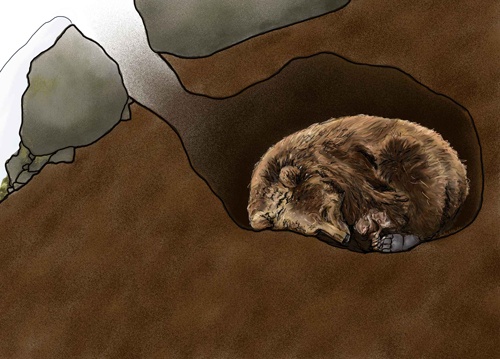
Which biome could an animal who hibernates in the winter to survive the cold live in?
a)
Grasslands
b)
Taiga
c)
Desert
d)
Rainforest
109.
Place where a river meets the ocean
a)
Estuary
b)
River
c)
benthic zone
d)
marsh
110.
Aquatic Biomes cover ________% of Earth's Surface
a)
60
b)
70
c)
80
d)
75
111.
Aquatic biomes are determined by ________ and ________ of water
a)
depth and temperature
b)
salinity and depth
c)
climate and salinity
d)
depth and climate
112.
bodies of water that flow down hill, eventually reaching an ocean or inland see
a)
streams and swamps
b)
rivers and streams
c)
oceans and lakes
d)
rivers and oceans
113.
where are coral reefs typically found?
a)
deep water
b)
shallow water
c)
cold water
d)
dark water
114.
<1% salt concentration
a)
marine
b)
saltwater
c)
brackish
d)
fresh water
115.
Which of the following is considered a wetland?
a)
Swamps
b)
Marshes
c)
Bogs
d)
All of the above.
116.
Which of the following is the best definition for estuary?
a)
Narrow band of coastline that exists between high and low tide.
b)
Areas along the coast where fresh water from rivers mixes with salt water from the ocean.
c)
Flowing fresh water containing rapids.
d)
Freshwater aquatic areas that are saturated by water for at least part of the year.
117.

Which biome is pictured below?
a)
freshwater
b)
wetland
c)
coral reef
d)
ocean
118.
How is gravity affected by mass?
a)
the larger the mass of the object, the greater the gravity
b)
small objects have no gravity
c)
gravity is not affected by mass of objects, whether large or small
119.
What is a force that opposes motion between two surfaces?
a)
friction
b)
acceleration
c)
velocity
d)
motion
120.
What is the difference between mass and weight?
a)
mass is how much matter is in an object, and weight is the gravitational pull on that object
b)
mass and weight are the same
c)
weight affects how much mass is in an object
d)
weight is determined by how many atoms make up an object
121.
What slows down the motion of an object or keeps it from starting?
a)
mass
b)
friction
c)
gravity
d)
magnetism
122.
What are two examples of forces?
a)
Art and Music
b)
A push or pull
c)
A stand or ground
d)
The dark side and the light side
123.
What is motion?
a)
It's like the ocean
b)
Any change in an animal or person's position.
c)
Motion is like acting
d)
Any change in an object or person's position.
124.
What does force allow a ball player to do?
a)
To swing a baseball bat and hit a ball in a same direction
b)
To swing a baseball bat and drop a ball in a new direction
c)
To swing a baseball raquet and hit a ball in a new direction
d)
To swing a baseball bat and hit a ball in a new direction
125.
What pulls a ball back to earth?
a)
Gas
b)
Gravity
c)
Friction
d)
Molecules
126.
Why does a rolling ball stop?
a)
Gravity
b)
Friction
c)
Waterfalls
d)
Sand
127.

The picture of the position vs. time graph shows an object that is...
a)
accelerating/speeding up
b)
moving at a constant speed
c)
not moving
d)
accelerating/slowing down.
128.

If these boys are pulling with the same amount of force. What will happen?
a)
The boy in blue will win.
b)
They will not move at all.
c)
The boy in red will win.
d)
Both will fall down.
129.
The force that causes a ball to fall to the ground is ____________________________
a)
gravity
b)
lubricant
c)
friction
d)
motion
130.

Ms. Pittman was walking at a constant pace to warm up for a run, but then stopped to tie her shoe. After tying her shoe she began running.
What distance/ time graph represents Ms. Pittman.
What distance/ time graph represents Ms. Pittman.
a)
A
b)
B
c)
C
d)
D
131.

Which graph represents a students standing at their locker for a period of time.
a)
A
b)
B
c)
C
d)
D
132.
What is the Average Speed?
Distance: 10m
Time: 5s
Distance: 10m
Time: 5s
a)
2
b)
1/2
c)
50
d)
100
133.
A ball is moving in a certain direction. What would happen to the ball if a greater force was applied on the ball along its direction of motion?
a)
The speed of the ball would decrease.
b)
The speed of the ball would increase.
c)
The ball will stop instantly.
d)
The ball will change direction.
134.
A _____________________ must be exerted on an object at rest to cause it to move.
a)
weight
b)
inertia
c)
force
d)
gravity
135.
What 2 things do you need to calculate speed?
a)
distance and friction
b)
direction and time
c)
direction and friction
d)
distance and time
136.
A push or pull that causes an object to move, stop, or change direction.
a)
force
b)
motion
c)
energy
d)
inertia
137.
If a tennis ball, a baseball, and a golf ball are dropped together from a high place, which ball will land first?
a)
They land at the same time.
b)
The baseball lands first.
c)
The golf ball lands first.
d)
The tennis ball lands first.
138.
Why does a crumpled piece of paper land before a flat sheet of paper?
a)
Gravity exerts more force on the crumpled paper.
b)
There is more air resistance on the flat paper.
c)
The crumpled paper is heavier
d)
The flat paper is lighter.
139.

A train that travels 100 kilometers in 4 hours is traveling at what average speed? Remember: Speed= distance/time
a)
50 km/h
b)
100 km/h
c)
400 km/h
d)
25 km/h
140.
A object with a lot of mass needs more force or less force to be moved?
a)
More
b)
Less
141.
A ball is rolled on four different types of materials. Which material will cause the least amount of friction between it and the ball?
a)
Tile Floor
b)
Carpet
c)
Grass
d)
Cement Sidewalk
100 %

