wayground logo

Free Printable Worksheets

Font size

S
M
L
XL
Worksheets

quarter 3 review 5th grade science

Total questions: 159

Worksheet time: 2hrs 12mins

Name
Class
Date
1.

Collects and holds urine until it leaves the body

a)

kidneys

b)

bladder

c)

pancreas

2.

A muscular organ that pumps blood throughout the body

a)

lungs

b)

liver

c)

heart

3.

A pair of bean-shaped organs that filter water and waste materials from the blood

a)

kidneys

b)

bladder

c)

stomach

4.

Makes bile to break down fats and also removes harmful substance from the blood

a)

lungs

b)

liver

c)

skin

5.

Which system is used for involuntary and voluntary muscle movement?

a)

Skeletal

b)

Muscular

c)

Respiratory

d)

Digestive

6.

organ where blood picks up oxygen and releases carbon dioxide

a)

heart

b)

lungs

c)

pancreas

7.

Organ that contract and relax to move parts of the body

a)

muscles

b)

sensory organs

c)

skin

8.

largest organ and is a protective covering of the body

a)

stomach

b)

skin

c)

sensory organs

9.

Part of the central nervous system that controls most functions in the body

a)

sensory organs

b)

heart

c)

brain

10.

This organ digests food and absorbs nutrients

a)

stomach

b)

large intestine

c)

small intestine

d)

kidneys

11.

These move your bones, they also make up many major organs.

a)

bones

b)

muscles

c)

skin

d)

blood

12.

This organ removes excess water from undigested food. The water moves to the blood and the solid waste is removed from the body.

a)

stomach

b)

large intestines

c)

small intestines

d)

kidneys

13.

Makes digestive juices that are released into the small intestine.

a)

liver

b)

pancreas

c)

kidneys

d)

large intestine

14.

Which part anchors the plant and absorbs water & nutrients?

a)

Stem

b)

Fruit

c)

Roots

d)

Seed

15.

Which part transports water and nutrients to different plant parts?

a)

Flower

b)

Leaves

c)

Stem

d)

Roots

16.

Which part makes food or energy for the plant through collecting the sun using a process called photosynthesis?

a)

Stem

b)

Leaves

c)

Root

d)

Fruit

17.

Which part performs reproductive functions for the plant?

a)

Flower

b)

Fruit

c)

Stem

d)

Roots

18.

What is included in the pistil?

a)

stigma, style, ovary

b)

filament, anther

c)

petal

19.

What is included in the stamen?

a)

anther, filament

b)

style, stigma, ovary

c)

pistil

d)

petal

20.

What is the male part of a flower?

a)

Stamen

b)

Pistil

c)

Petal

21.

What is the female part of a flower?

a)

Pistil

b)

Stamen

c)

Petal

22.

Which part of the plants main function is to reproduce or make more plants?

a)
b)
c)
23.

this is the transfer of pollen to the stigma

a)

pollination

b)

pollinator

c)

fertilization

d)

germination

24.

this is the joining of an egg and pollen in the ovary to create a new seed

a)

fertilization

b)

pollination

c)

germination

d)

pollinator

25.

something that carries the pollen ( wind, water, humans, bees, bats, birds, other insects, etc.)

a)

pollinators

b)

pollination

c)

germination

d)

fertilization

26.

the female part of the flower where eggs are found, and where seeds are made

a)

ovary

b)

stigma

c)

style

d)

anther

27.

what is the correct order of a flowering plants life cycle?

a)

pollination, fertilization, seed dispersal, and germination

b)

germination, fertilization, seed dispersal, and pollination

c)

fertilization, pollination, germination, and seed dispersal

d)

pollination, seed dispersal, germination, and fertilization
28.
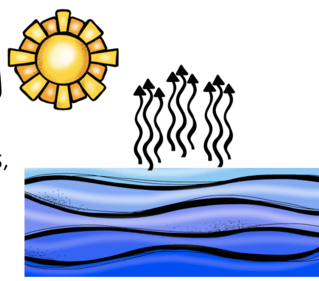
All energy on Earth ultimately comes from what source?
a)
Water
b)
Sun
c)
Consumers
d)
Oxygen
29.

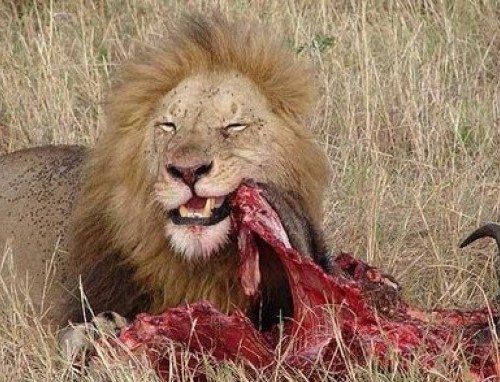
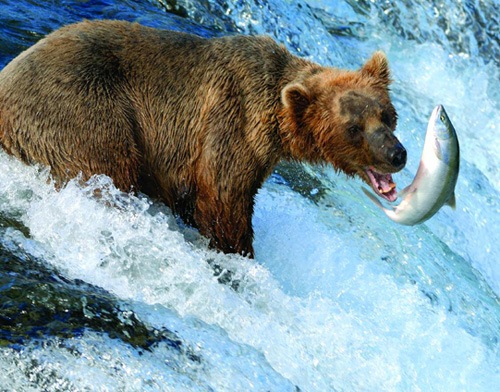
An organism that needs to eat other organisms to obtain energy is known as a:

a)

carnivore

b)

Producer

c)

Consumer

d)

Herbivore

30.
An organism that uses sunlight to create its own food is known as a:
a)
Producer
b)
Heterotroph
c)
Consumer
d)
Decomposer
31.
What does a food chain represent?
a)
How all living organisms within a habitat are connected.
b)
All of the things that a particular animal eats.
c)
How plants create their own food.
d)
A single path of energy transfer within a habitat.
32.
The arrows in a food chain or web represents what?
a)
They point to the organism that is being eaten.
b)
It shows how sunlight flows within an ecosystem.
c)
They show what direction the energy is flowing between organisms. 
d)
They represent how water is transferred within a habitat.
33.
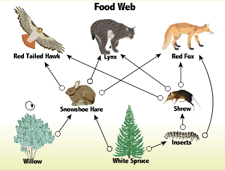
The rabbit in this food web would be considered a:
a)
Decomposer
b)
Producer
c)
Secondary Consumer
d)
Primary Consumer
34.
What may happen if the snowshoe hare was removed from the food web pictured?
a)
The insects in the habitat would increase.
b)
The shrew population would decrease due to being only hawk food source.
c)
The willow tree population would decrease.
d)
Foxes would dies due to no food source. 
35.
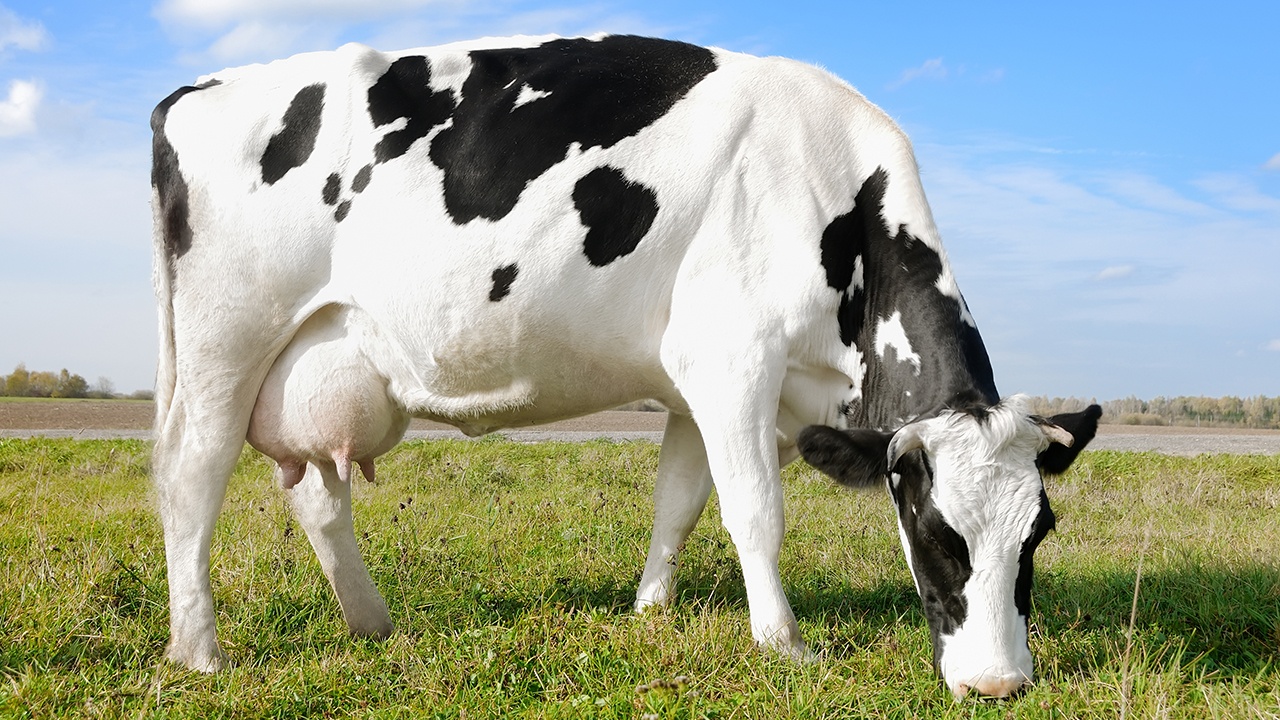
The image provided is an example of a(n):
a)
Autotroph
b)
Carnivore
c)
Herbivore
d)
Decomposer
36.
The image provided is an example of a(n):
a)
Carnivore
b)
Herbivore
c)
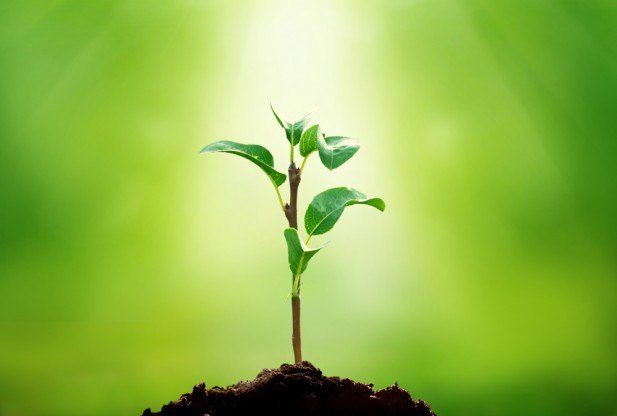
Producer
d)
Autotroph
37.
What are plants called in a food chain?
a)
Producers
b)
Consumers
c)
Decomposers
d)
Scavengers
38.
What are animals called in a food chain?
a)
Producers
b)
Consumers
c)
Decomposers
d)
Plants
39.
What are the organisms that break down dead stuff?
a)
Producers
b)
Consumers
c)
Decomposers
d)
Organisms
40.
What is the role of a producer?
a)
Use sunlight to make food
b)
Gain energy from eating other organisms
c)
Keep other species from overpopulating
d)
Breaking down dead stuff 
41.
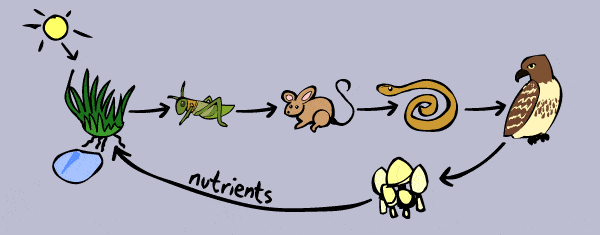
Which of these organisms would receive energy from the snake?
a)
Plant
b)
Rabbit
c)
Mouse
d)
Hawk
42.
Which type of consumer eats meat and plants?
a)
Herbivores
b)
Carnivores
c)
Omnivores
d)
Plants
43.
Which type of consumer is always a first consumer?
a)
Herbivore
b)
Omnivore
c)
Carnivore
d)
Producer
44.
Which is the correct food chain order?
a)
Plant-->1st Consumer--> 2nd Consumer 
b)
Plant <-- 1st Consumer <-- 2nd Consumer
c)
2nd consumer     --> 1st consumer  --> Plant
d)
1st Consumer      --> 2nd consumer --> Plant
45.
Which of these is a decomposer?
a)
Fungi
b)
Hawk
c)
Dog
d)
Grass
46.
The space, conditions and all the living and non-living things around an organism is its _________________.
a)
home
b)
environment
c)
neighborhood
d)
ecosystem
47.
An organism that hunts and feeds on another organism is a ______________________.
a)
prey
b)
producer
c)
predator
d)
decomposer
48.
An animal that is hunted as food
a)
prey
b)
predator
c)
decomposer
d)
producer
49.
An inherited trait that helps those organisms that have it to survive
a)
niche
b)
structure
c)
characteristic
d)
adaptation
50.
Coloring or another physical characteristic that help an organism blend in with its environment
a)
mimicry
b)
camouflage
c)
hibernation
d)
migration
51.
When an organism copies a characteristic of something else in order to better its chances for survival and reproduction
a)
hibernation
b)
camouflage
c)
mimicry
d)
migration
52.
The seasonal movement of an organism from one place to another
a)
camouflage
b)
migration
c)
hibernation
d)
function
53.
When an organism slows its life functions for a period of time to better its chances for survival during harsh conditions
a)
camouflage
b)
migration
c)
mimicry
d)
hibernation
54.
The place or environment where an organism naturally lives
a)
function
b)
habitat
c)
community
d)
ecosystem
55.
Which feature of a rose helps it grow without being eaten by large animals?
a)
flowers with bright colors
b)
sharp thorns
c)
small seeds
d)
deep roots
56.
Which feature helps an animal hide from other animals?
a)
looking like a dangerous animal
b)
being the same color as the place it lives (camoflauge)
c)
having sharp claws or a strong shel
d)
having only a few young and caring for them
57.
A giraffe has a long neck in order to better reach leaves to eat.  This is an example of _____. 
a)
an adaptation
b)
environment
c)
response
d)
stimulus
58.
Which adaptation (for the underlined animal) serves the function of defense?
a)
A walking stick looks like the twig on which it rests.
b)
A porcupine’s quills cause a predator to seek another meal.
c)
A whale filters plankton and krill from the water in which it swims.
d)
A penguin is dark on top and white below to blend in with the water.
59.
How do adaptations help animals?
a)
To escape animals
b)
to hunt for food
c)
to survive in their habitats
d)
All of these are correct
60.
Traveling done by an animal to find food and water. 
Adaption: birds flying south for the winter
a)
Camouflage
b)
Migration
c)
Hibernation
d)
Locomotion
61.
They are highest clouds in the sky. They look curly, white and feathery. Usually mean good weather.
a)
Cumulus
b)
Cumulonimbus
c)
Cirrus
d)
Stratus
62.
This is sometimes called a thunderhead cloud. It looks very tall like mountains and heavy rain comes from it. 
a)
Cumulus
b)
Cirrus
c)
Stratus
d)
Cumulonimbus
63.
They are low in the sky and look soft and fluffy. 
a)
Cirrus
b)
Cumulonimbus
c)
Cumulus 
d)
Stratus
64.
These clouds are the closest to the ground. Their name means layer- or sheet like. They bring rain or snow and cover most of the sky. 
a)
Cirrus
b)
Stratus
c)
Cumulonimbus
d)
Cumulus
65.
Which cloud brings nice weather?
a)
Cumulonimbus
b)
Cumulus
c)
Stratus
66.
what type of cloud is shown?
a)
cumulus
b)
cirrus
c)
stratus
67.
Low clouds (like fog), that are thick, cover the sky, and block the sun.  Usually bring continuous precipitation (rain or snow).
a)
stratus
b)
cumulus
c)
cirrus
d)
nimbo
68.
what type of cloud is shown?
a)
cumulus
b)
cirrus
c)
stratus
69.
what type of cloud is shown?
a)
cumulus
b)
cirrus
c)
stratus
70.
What is the water cycle?
a)
the 3 forms of water
b)
the movement of water on, above, or below the surface of the Earth
c)
when water melts
d)
when clouds form
71.
Snow, sleet, hail, and rain are all examples of  ________________. 
a)
evaporation
b)
condensation
c)
accumulation
d)
precipitation
72.
What is evaporation?
a)
The part of the water cycle when the sun heats up water, turning it from a liquid into water vapor or steam. It rises from the ground into the air.
b)
The part of the water cycle when the water vapor in the air gets cold. The water turns back into a liquid and forms clouds.
c)
The part of the water cycle when clouds get heavy and can no longer hold the liquid water. This causes the water to fall from the sky to the earth as rain, snow, sleet, or hail.
73.
What is condensation?
a)
The part of the water cycle when the sun heats up water, turning it from a liquid into water vapor or steam. It rises from the ground into the air.
b)
The part of the water cycle when the water vapor in the air gets cold. The water turns back into a liquid and forms clouds.
c)
The part of the water cycle when clouds get heavy and can no longer hold the liquid water. This causes the water to fall from the sky to the earth as rain, snow, sleet, or hail.
74.
What is precipitation?
a)
The part of the water cycle when the sun heats up water, turning it from a liquid into water vapor or steam. It rises from the ground into the air.
b)
The part of the water cycle when the water vapor in the air gets cold. The water turns back into a liquid and forms clouds.
c)
The part of the water cycle when clouds get heavy and can no longer hold the liquid water. This causes the water to fall from the sky to the earth as rain, snow, sleet, or hail.
75.
When water condenses, the water vapor in the air gets ___________ and changes back into liquid.
a)
cold
b)
hot
c)
warm
d)
solid
76.
When water condenses, the liquid water forms ______________.
a)
water vapor
b)
steam
c)
air
d)
clouds
77.
Precipitation happens when clouds of water droplets are too ______________.
a)
cold
b)
light
c)
heavy
d)
hot
78.
Evaporation happens when the sun ___________ water and turns it into vapor.
a)
cools
b)
heats up
c)
freezes
d)
lights up
79.
Which of these is not an example of precipitation?
a)
rain
b)
clouds
c)
sleet
d)
snow
80.
This weather tool measures wind speed 
a)
thermometer
b)
barometer
c)
anemometer
d)
psychrometer
81.
Which weather tool measures air pressure?
a)
thermometer
b)
barometer
c)
anemometer
d)
psychrometer
82.
Humidity is the...
a)
Amount of Water Vapor in the Air
b)
Amount of Wind in the Air
c)
Amount of Precipitation in the Air
d)
Amount of Pressure in the Air
83.
What kind of weather is usually associated with a low pressure system?
a)
Sunny weather
b)
Precipitation (rain, snow, etc.)
84.
What kind of weather is usually associated with a high pressure system?
a)
Sunny weather
b)
Precipitation (rain, snow, etc.)
85.
In what direction do winds always blow?
a)
From areas of high pressure to areas of low pressure
b)
From areas of low pressure to areas of high pressure
86.
What measures temperature?
a)
barometer
b)
anemometer
c)
thermometer
d)
psychrometer
87.
What is climate?
a)
 What's going on with the atmosphere at any particular time
b)
The type of weather that occurs during a particular season
c)
An area's pattern of weather over a long period of time
d)
How much sunshine an area gets 
88.
Air pressure is greatest:
a)
closer to Earth
b)
farther from Earth
89.

What Zone is located at the North and South Poles, long cold winters, freezing temperatures almost all the time?

a)

Temperate Zone

b)

Polar Zone

c)

Tropical Zone

90.

What Zone is located between the poles and the equator, mild weather , plenty of precipitation, most land masses located here.

a)

Polar Zone

b)

Tropical Zone

c)

Temperate Zone

91.

True or False.

Latitude determines your type of climate.

a)

true

b)

false

92.
This climate that is characterized by average temperature that are near or below freezing
a)
middle latitude
b)
polar
c)
tropical
d)
none of them 
93.
The latitude zone in between the Arctic Circle and the North Pole
a)
Polar Zone
b)
Temperate Zone
c)
Tropical Zone
94.
What are the 3 major climate zones in order from equator to the poles?
a)
polar, temperate, tropical
b)
tropical, temperate, polar
c)
temperate, polar, tropical
95.
Which climate zone would be hot and rainy with dense forests?
a)
Polar Climate Zone
b)
Cold Temperate Climate Zone
c)
Tropical Climate Zone
d)
High Mountain Climate Zone
96.
Which climate zone is very cold all year, and the ground is covered in ice and snow?
a)
Polar Climate Zone
b)
Tropical Climate Zone
c)
Humid Temperate Climate Zone
d)
Desert Climate Zone
97.
A temperate climate is?
a)
consistently cool
b)
consistently warm
c)
consistently moderate
d)
warm and cool
98.
Which of the following is a scientific observation? 
a)
The potato is brown in color.
b)
The potato tastes the best.
c)
The potato may cause allergies.
d)
The potato smells funny. 
99.
What is another word for hypothesis?
a)
evidence
b)
graph
c)
investigation
d)
prediction
100.
Mr. McNeice wanted to know if different types of music affected people's heart rates, so he played different music and checked their pulses.  What is the dependent variable?
a)
type of music
b)
heart rate
c)
how long they listend to music
d)
Mr. McNeice
101.
Which question can best be investigated by a scientist?
a)
Should I buy a red shirt or a green shirt?
b)
Does chocolate milk or plain milk taste better?
c)
Does a plant need sunlight to grow?
d)
Which feels softer, cat fur or dog fur?
102.
The container is filled to the 350 mL mark with water. 
a)
observation
b)
inference
c)
problem
d)
hypothesis
103.
Why should an experiment be repeated?
a)
to form a hypothesis
b)
to reduce the chance of error
c)
to change controls
d)
to identify the problem
104.
This is the outcome of the experiment. We get data and results from this.
a)
Independent Variable
b)
Dependent Variable
c)
Control
d)
Constant
105.
How many independent variables should be tested at a time in a scientific investigation?
a)
none
b)
one
c)
two
d)
three
106.
When experimenting with the growth of a plant, a scientist uses three plants, two different fertilizers, equal light, and equal water. What type of variable is the water?
a)
Dependent
b)
Independent
c)
Control
d)
Outcome
107.
When a another scientist does someone's experiment to see if the results are valid?
a)
repetition
b)
replication
c)
experimental method
d)
controlled variable
108.

A student hypothesized that lettuce seeds would not sprout (germinate) unless they were exposed to darkness.

The student planted 10 lettuce seeds under a layer of soil and scattered 10 lettuce seeds on top of the soil.

The data collected are shown in the table.


One way to improve the validity of these results would be to:

a)

conclude that darkness is necessary for lettuce seed germination

b)

conclude that light is necessary for lettuce seed germination

c)

revise the hypothesis

d)

repeat the experiment

109.
What would make an experiment valid (true)?
a)
It includes your opinion
b)
Is uses objects
c)
It is based on evidence
d)
It proves your predictions are correct
110.
A series of steps used by scientists to solve a problem or answer a question. 
a)
scientific method
b)
recipe
c)
data collection
d)
metric system
111.

This gives the body support, protects major organs, works with another system to allow the body to move and forms blood cells.

a)

muscles

b)

skeleton

c)

stomach

d)

heart

112.

Some trees shed their leaves and some branches in time for winter to save energy during the darker, colder months. What is this called?

a)

Dormancy

b)

Denning

c)

Hibernation

d)

camouflage

113.
The Brazilian Pepper plant was introduced to the Florida wilderness by accident.  It has no natural predators and grows fast.  How can this be damaging for native Florida plants?
a)
it will take up the native plants space and resources making it hard for them to reproduce
b)
it is prettier than the native plants causing more to grow
c)
animals eat the pepper plant helping to spread its seeds 
d)
the pepper plant helps pollinate the native plants
114.

The American Black Bear in Colorado can hibernate for over 3 months during winter. Black bears in Florida may hibernate for only a few weeks or not at all because the weather is not as cold in Florida. What is this called for the Florida bears?

a)

hiding

b)

hibernation

c)

dormancy

d)

denning

115.
What is the only type of animal that has feathers?
a)
bird
b)
mammal
c)
amphibian
d)
reptiles
116.
What type of animal spends its entire life under water, has fins, and breathes using gills
a)
amphibian
b)
fish
c)
bird
d)
reptile
117.
What type of animal has fur and feeds its young with milk?
a)
birds
b)
reptiles
c)
amphibians
d)
mammals
118.
What classification of animals do humans belong to?
a)
fish
b)
mammals
c)
reptiles
d)
amphibians
119.
What classification of animals are  vertebrae (have a backbone)?
a)
birds only
b)
reptiles only
c)
reptiles and birds but not mammals and fish
d)
mammals, fish, reptiles, amphibians, and birds
120.
Which animal is warm blooded?
a)
reptiles
b)
fish
c)
mammals 
d)
amphibians
121.
This class starts out with gills and then transitions to lungs. 
a)
Bird
b)
Reptiles
c)
Amphibians
d)
Fish
122.

Which animal is NOT cold-blooded?

a)

a fish

b)

a mammal

c)

a reptile

d)

an amphibian

123.

How are animals that have backbones classified?

a)

as vertebrates

b)

as invertebrates

c)

as insects

d)

as jellyfish

124.

Cold-blooded animals body temperature fluctuates, whereas warm-blooded animals body temperature stays constant.

a)

True

b)

False

125.

Reptiles are known for:

a)

Having fur.

b)

Having feathers.

c)

Having scales and laying eggs.

d)

Feeding their young with milk.

126.

Birds are known for:

a)

Having scales.

b)

Having fur.

c)

Living partly in water and partly on land.

d)

Having feathers and laying eggs.

127.
This class of animals has dry skin and scales.  It is cold-blooded and lays hard eggs (on land).
a)
reptiles
b)
amphibians
c)
fish
d)
mammals
128.
This class of animals is warm-blooded, gives birth to live young, has hair/fur, and feeds milk to young.
a)
mammals
b)
birds
c)
reptiles
d)
amphibians
129.
This class of animals is cold-blooded, lays, soft eggs, and has gills.
a)
fish
b)
reptiles
c)
amphibians
d)
arthropods
130.
This class of animals has goes through metamorphosis.  Its eggs are soft and laid in water.  They are born with gills but develop lungs.  
a)
reptiles
b)
amphibians
c)
fish
d)
mammals
131.
This class of animals is the largest (by a lot)  
a)
reptiles
b)
amphibians
c)
fish
d)
arthropods
132.
This class of animals has segmented bodies and an exoskeleton. 
a)
reptiles
b)
amphibians
c)
fish
d)
arthropods
133.
This class of animals lays eggs and are warm blooded.  These animals have feathers and often migrate to feed.
a)
birds
b)
amphibians
c)
fish
d)
arthropods
134.
Insects belong to this class of animals
a)
birds
b)
amphibians
c)
fish
d)
arthropods
135.
Whales belong to this of warm-blooded animals which has hair/fur and lungs.
a)
birds
b)
amphibians
c)
fish
d)
mammals
136.
Sharks belong to this group:
a)
birds
b)
amphibians
c)
fish
d)
reptiles
137.
Being a vertebrate means:
a)
has a backbone or spine
b)
has an outer shell
c)
breathes with lungs
d)
lays eggs
138.
The scientific name for animals without backbones or spines are called:
a)
invertebrates
b)
vertebrates
c)
involuntary
d)
cowards
139.
What animal would you most likely find in the desert habitat?
a)
Squirrels 
b)
Foxes
c)
Camels
d)
Sharks
140.
______________ is home to a huge number of plants and animals and it rains A LOT.
a)
Desert
b)
Rainforest
c)
Grasslands
d)
Ocean
141.
Which habitat is very dry, has very little plant life, and is too hot to support many animals?
a)
Stream
b)
Forest
c)
Desert
d)
Polar Region
142.
A habitat with many trees with leaves that change with the color of the season is called a ___________________.
a)
forest
b)
rainforest
c)
tundra
d)
savanna
143.
Fish, dolphins, whales, sea turtles, and plants live here. What habitat is this describing?
a)
Stream
b)
Polar Region
c)
Rainforest
d)
Ocean
144.

The rain forest is a _______________________.

a)

hot and dry place

b)

a warm and wet jungle

c)

full of salt water

d)

a wide open plain

145.

Polar bears live in the __________________________.

a)

desert

b)

tundra

c)

rain forest

d)

pond

146.

Where would find a cactus?

a)

rain forest

b)

pond

c)

desert

d)

tundra

147.

Which description fits an amphibian?

a)

Has rough, dry skin and scales

b)

Has six legs

c)

Feeds milk to its young

d)

Lives on land and water

148.

Which description fits a mammal?

a)

Has rough, dry skin and scales

b)

Has six legs

c)

Feeds milk to its young

d)

Lives on land and water

149.
Which description fits a reptile?
a)
Has rough, dry skin and scales
b)
Many have wings
c)
Feeds milk to its young
d)
The body helps it live on land and water
150.
 A ______________ has hot days and cool nights.
a)
Artic
b)
Desert
c)
Rain forest
d)
Woodland forest
151.

The type of weather an area has over a long period of time is

a)

climate

b)

vegetation

c)

weather

d)

culture

152.

natural resources

a)

important places or objects (natural or man-made)

b)

found in nature and used by people

c)

an area on Earth with common features that sets it apart from other areas

d)

the kinds of plants that grow in an area

153.
What are the two main factors that determine the climate of an area?
a)
precipitation and humidity
b)
temperature and air pressure
c)
wind conditions and humidity
d)
temperature and precipitation
154.

short, cool summers followed by bitterly cold winters

a)

Tundra

b)

Polar Caps

c)

Highlands

d)

Subartic

155.

Which climate zone would you find a rain forest?

a)

Polar

b)

Temperate

c)

Tropical

156.
Every few years, an event occurs in which the waters in the eastern Pacific Ocean become warmer. This event changes weather patterns worldwide, causing drought, floods, blizzards, hurricanes and tornadoes. What is the name of this event?
a)
Kuroshio Current
b)
Global conveyor
c)
El Nino
d)
Typhoon
157.

Most places near the equator have warm tropical climates. Some places near the equator are much cooler and even have snow. Where in a tropical climate are you most likely to find cooler weather and snow?

a)

at the top of a tall mountain

b)

at sea level near a cold ocean current

c)

in cloudy places near the center of a continent

d)

at the base of a mountain range that blocks air flow

158.

Even within climate zones, the weather in one place can be very different from the weather in another place. The following environments are all in a temperate zone. Which place would you expect to be the most hot and humid?

a)

desert

b)

swamp

c)

wooded forest

d)

mountain range

159.

Different parts of Earth have different climates. The following table lists some features of three different climate zones. Which of the following features would you be most likely to find in a polar climate?

a)

rain forest

b)

hot desert

c)

year-round ice and snow

d)

large rivers and streams