wayground logo

Free Printable Worksheets

NEW

Font size

S
M
L
XL
Worksheets

Periodic Table

Total questions: 68

Worksheet time: 1hrs 2mins

Name
Class
Date
1.
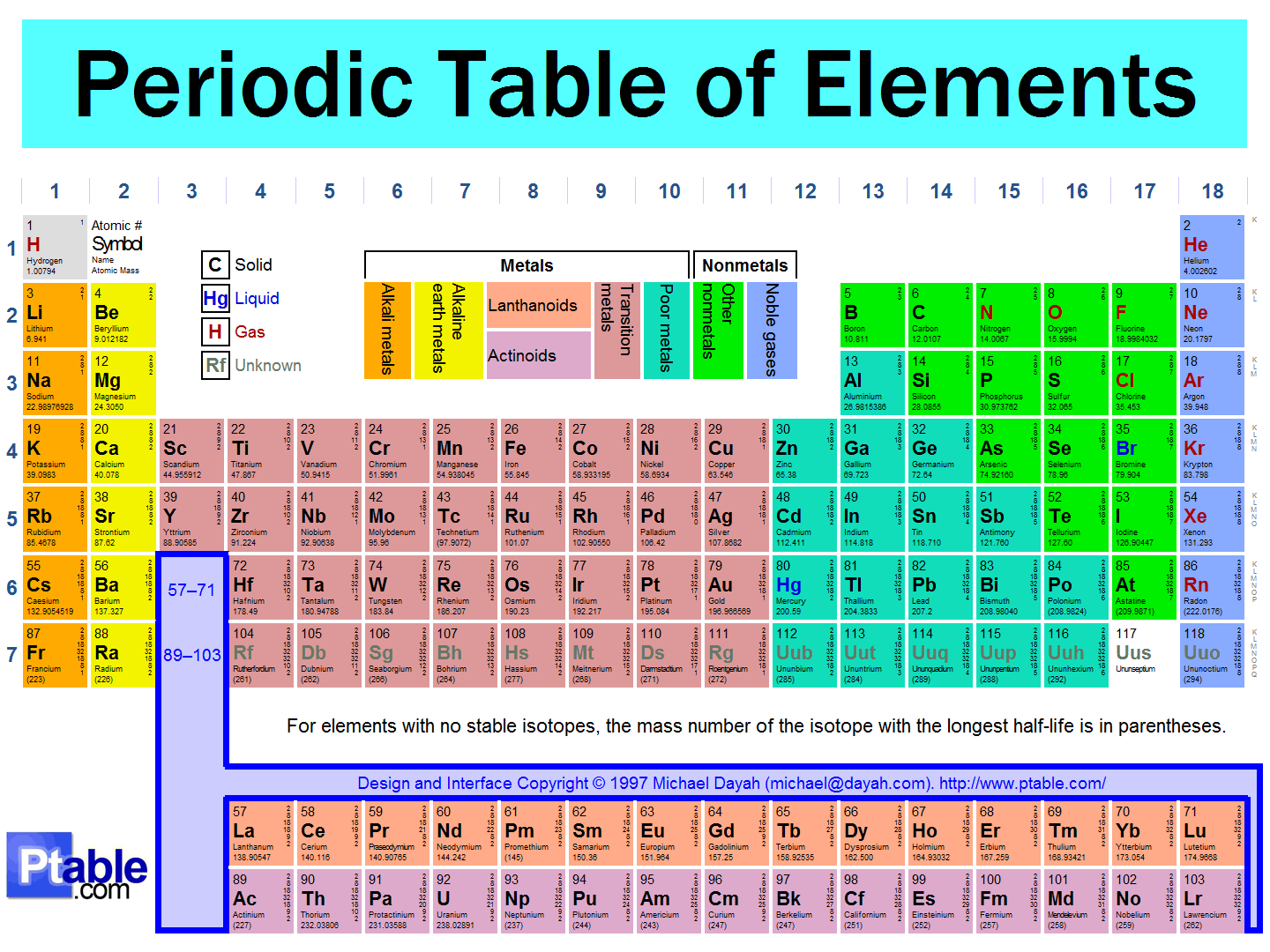
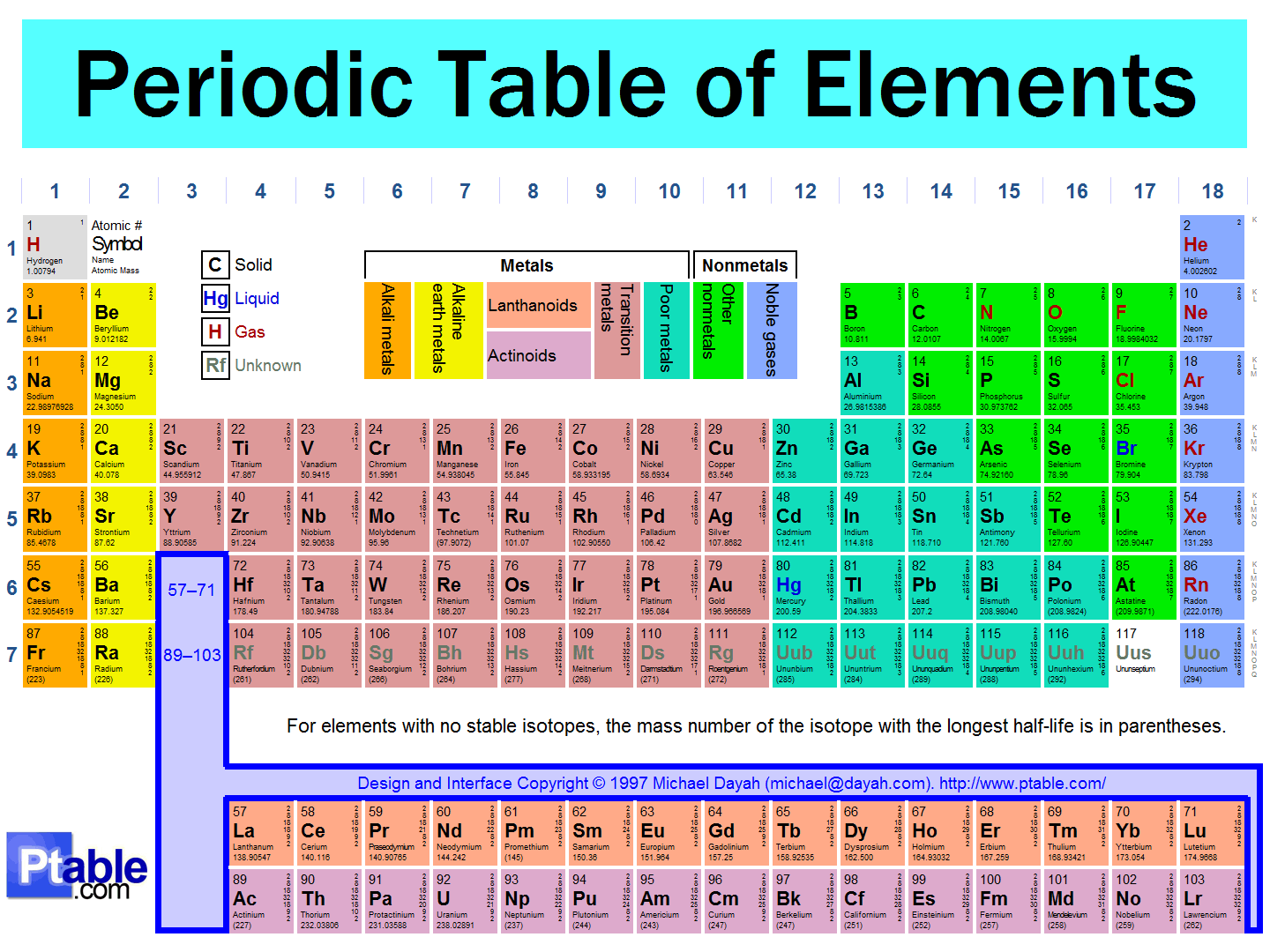
How did Mendeleev arrange the elements?
a)
alphabetical 
b)
density
c)
melting point
d)
atomic mass
2.
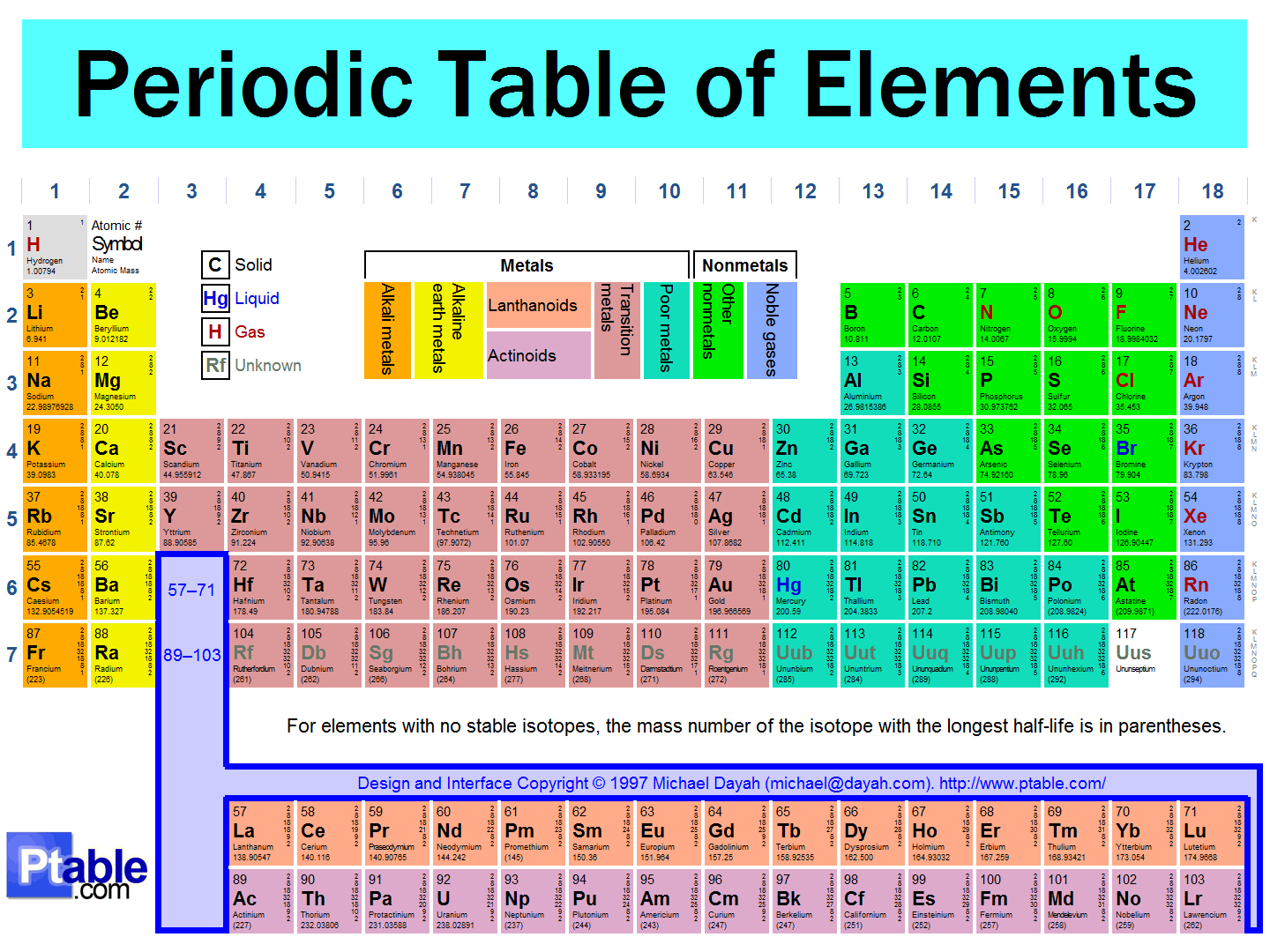
The horizontal row on the periodic table is called a
a)
group
b)
family
c)
period
d)
atomic number
3.
A vertical column is called...
a)
group
b)
tower
c)
period
d)
crew
4.
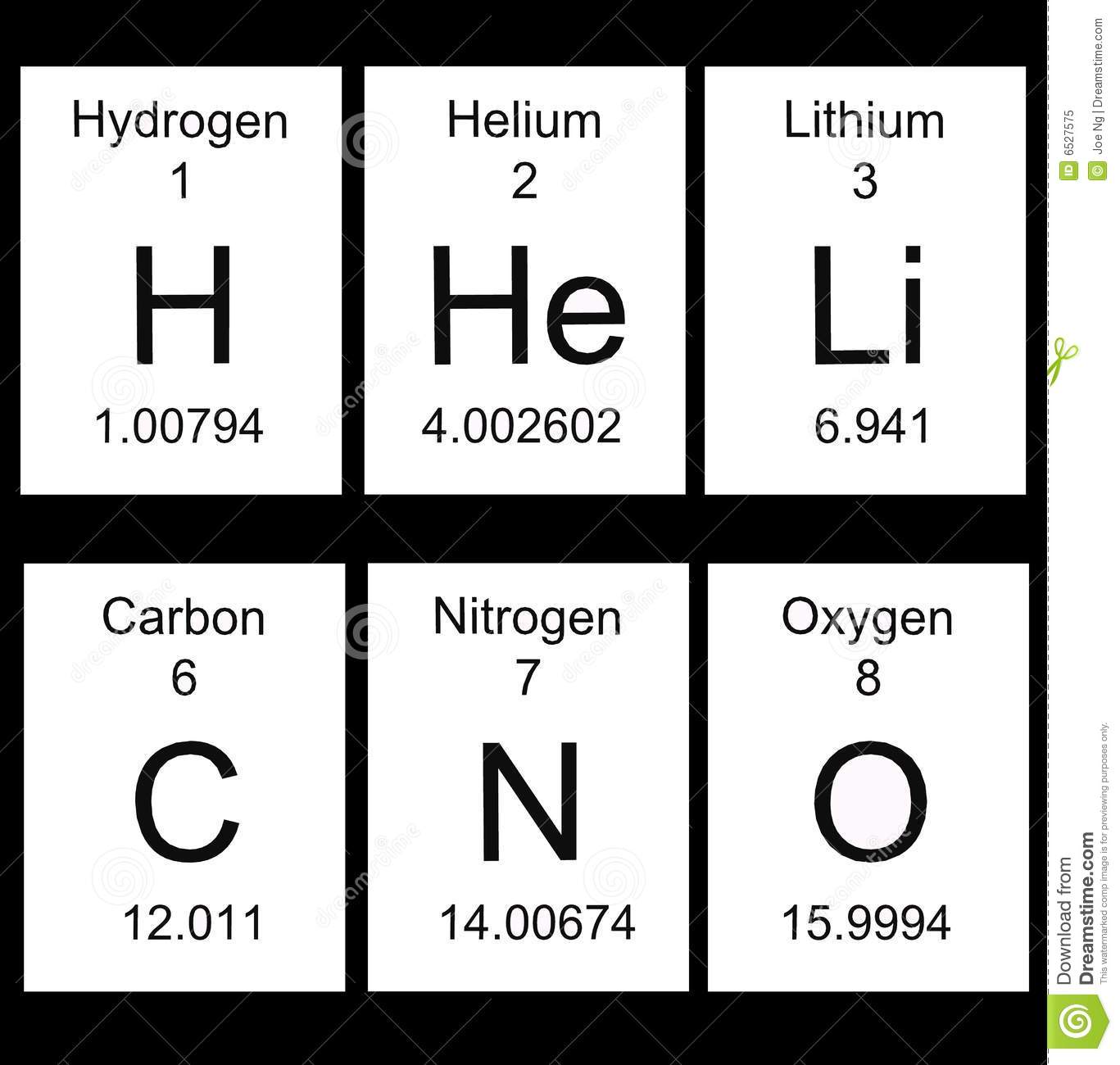
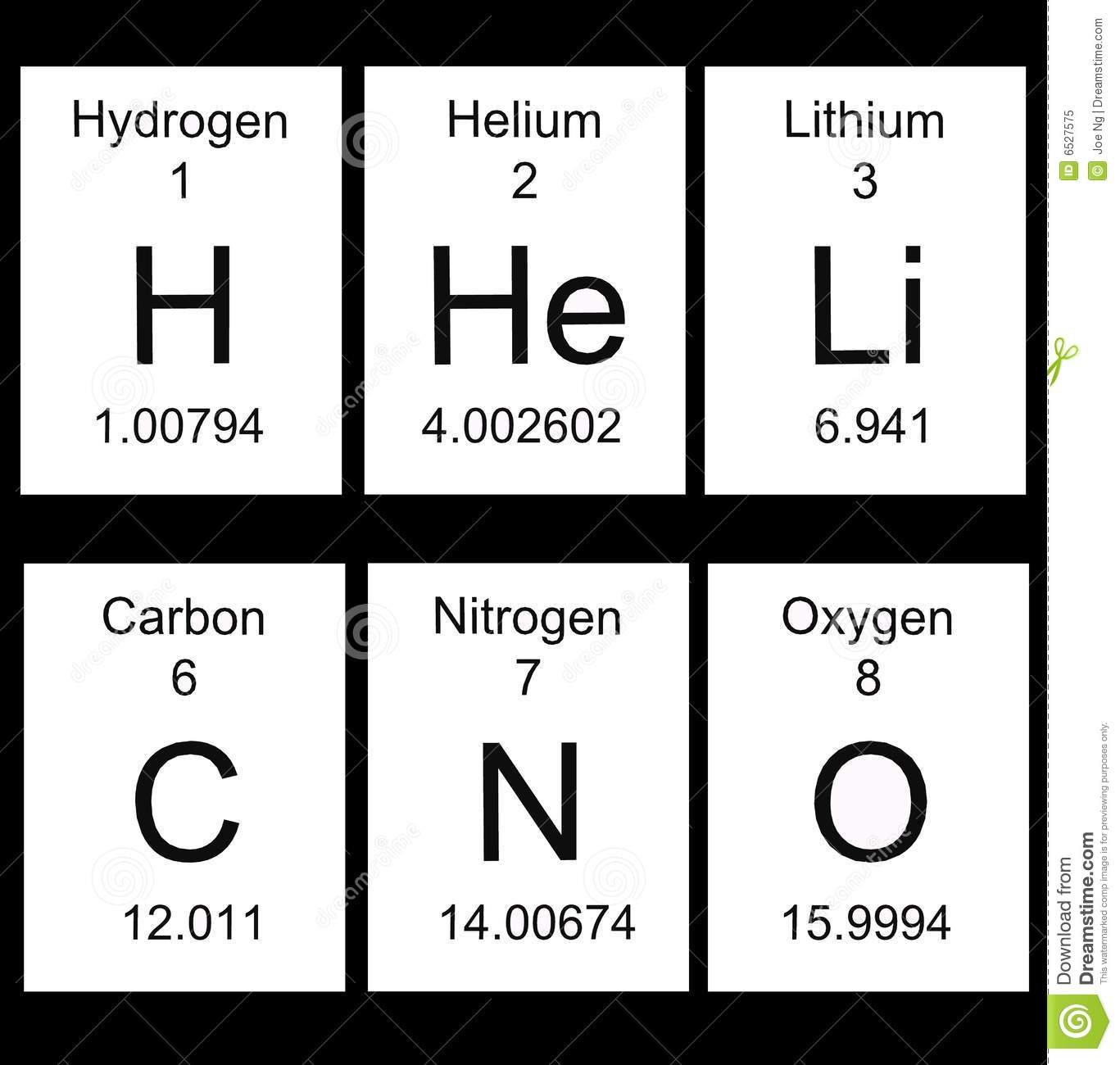
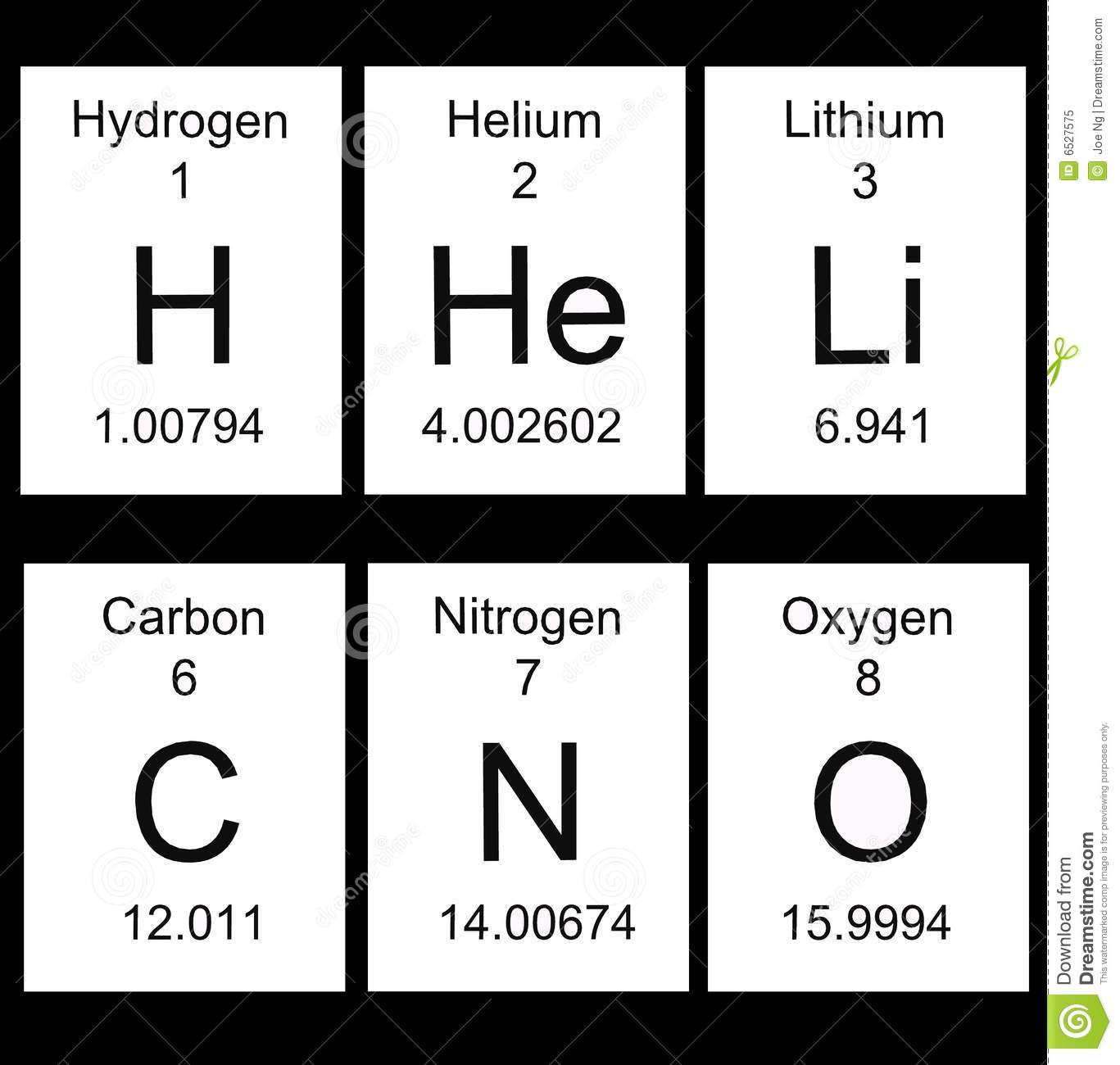
The number at the bottom of each square on the periodic table is the ...
a)
atomic number
b)
atomic mass
c)
chemical symbol
d)
element name
5.
The number at the top of each square on the periodic table is the ...
a)
atomic number
b)
atomic mass
c)
Chemical Symbol
d)
Element Name
6.
What is the chemical symbol for Lithium?
a)
H
b)
He
c)
Li
d)
N
7.
A rule that states that repeating chemical and physical properties of elements change periodically with the atomic number of the elements is the _________.
a)
periodic law
b)
alkaline-earth metals
c)
actinide
d)
group rule
8.
Most of the elements on the periodic table are classified as _____.
a)
Metals
b)
Nonmetals
c)
Metalloids
d)
Periods
9.
This class of elements are sometimes called "semiconductors."
a)
Metals
b)
Nonmetals
c)
Metalloids
d)
Groups
10.
The atomic number tells you what?
a)
number of electrons
b)
number of protons
c)
number of neutrons
d)
both electrons and protons in an atom.
11.

Which group on the periodic table is composed of inert (not reactive) gases?

a)

alkali metals

b)

alkaline earth metals

c)

halogens

d)

noble gases

12.
Elements which are shiny, conduct electricity and heat are called
a)
metal
b)
nonmetal
c)
metalloid
d)
nonexistent
13.

Which element is not a metal?

a)

H

b)

Re

c)

Al

14.
The atoms along the staircase are called 
a)
metals
b)
nonmetals
c)
metalloids
d)
noble gases
15.
Which is an alkali metal?
a)
Magnesium
b)
Iron
c)
Sodium
d)
Europium
16.
Elements in a ..................have similar chemical properties.  
a)
period
b)
group
c)
row
17.
The simplest substance is..?
a)
Carbon
b)
An element
c)
Water
d)
A simple compound 
18.
In the modern periodic table elements are arranged by:
a)
atomic mass
b)
atomic number
c)
valence electrons
d)
number of isotopes
19.
The periodic table has __ periods.
a)
18
b)
8
c)
2
d)
7
20.
Which of the following is not a property of metals?
a)
brittle
b)
malleable
c)
lustrous
d)
conductive
21.
If an atom had the same properties as fluorine (F), it would probably be located in
a)
period 1.
b)
period 2.
c)
group 2.
d)
group 17.
22.
As you move from left to right across the periodic table, the atomic number increases. 
a)
True
b)
False
23.
Which of these metals is usually observed in a "liquid" state?
a)
Cadmium
b)
Indium
c)
Mercury
d)
Thallium
24.
Most of the nonmetals on the periodic table are located...
a)
on the left side
b)
at the bottom
c)
on the right side
d)
in the middle
25.
The word "periodic" in periodic table refers to...
a)
a regular, repeating pattern
b)
organization of elements
c)
columns of elements
d)
increasing numbers of protons
26.
The alkali metals have how many valence electrons?
a)
1
b)
2
c)
7
d)
8
27.
The noble gases have how many valence electrons?
a)
1
b)
2
c)
7
d)
8
28.
Which of these is a property of metals?
a)
It's malleable
b)
It can't conduct electricity
c)
They are used in food
d)
It's very brittle
29.
Which of these grouping of elements could have the characteristic of luster (shiny)?
a)
Metal
b)
Nonmetal
c)
metalloids
d)
Both metals and metalloids
30.
I have an object that is dull, brittle, and an insulator, what is it?
a)
metalloid
b)
non-metal
c)
metal
d)
matter
31.
When an object changes shape when struck by a hammer.
a)
luster
b)
malleable
c)
brittleness
d)
ductile
32.
When an object shatters when struck by a hammer.
a)
luster
b)
malleable
c)
brittleness
d)
ductile
33.
If you have a material that can conduct electricity well it is probably a...
a)
Metalloid
b)
Matter
c)
Non-metal
d)
Metal
34.
The elements argon, krypton, and xenon are all non-metals. What property would these elements have in common?
a)
Good conductor of thermal energy
b)
Poor conductor of electricity
c)
Shiny, lustrous surface
d)
Soft and malleable
35.
What physical properties are used to classify elements as metals, non-metals, or metalloids?
a)
Color, smell, physical state
b)
Reactivity, streak, hardness
c)
Ability to burn, mass, density
d)
Luster, conductivity, malleability
36.
All of the following are properties used to classify elements as metals, non-metals, and metalloids EXCEPT —
a)
texture
b)
conductivity
c)
luster
d)
malleability
37.
Silicon is a semiconductor and has properties of both metals and nonmetals. What type of element is Silicon? 
a)
Metal
b)
Nonmetal
c)
Metalloid
d)
Pretty
38.
Which of these grouping of elements could have the characteristic of brittle?
a)
Metal
b)
Nonmetal
39.
All metallic elements are solid at room temperature
a)
true
b)
false
40.

Which of the following is an Alkali Metal?

a)

Magnesium

b)

Chromium

c)

Sodium

41.
Which of the following is an Alkaline Earth Metal? 
a)
Calcium
b)
Lithium
c)
Phosphorus
d)
Copper 
42.

Which of the following is a Halogen?

a)

Bromine

b)

Rubidium

c)

Beryllium

43.
Which of the following is a transition metal? 
a)
Iron
b)
Oxygen
c)
Neon
d)
Barium
44.

Which of the following is a Noble Gas?

a)

Krypton

b)

Chlorine

c)

Gallium

45.

Which of the following is the most reactive group of metals?

a)

Alkali

b)

Alkaline Earth

c)

Halogen

46.
Which of the following is the most reactive group of non-metals? 
a)
Alkali
b)
Alkali Earth
c)
Halogen
d)
Noble Gas
47.

Which of the following groups is inert?

a)

Alkali

b)

Transition Metals

c)

Noble Gas

48.

What is the electron configuration of Iodine?

a)

[Kr]5s24d105p6

b)

[Kr]5s24d106p6

c)

[Kr]5s25d106p6

d)

None of the above

49.

What atom matches this electron configuration?

[Xe] 6s24f145d9

a)

Mercury

b)

Gold

c)

Platinum

d)

Thallium

50.
Which element is pictured?
a)
neon
b)
fluorine
c)
magnesium
d)
argon
51.

There are __ energy levels

a)

1

b)

2

c)

7

d)

8

52.
How many atomic orbitals are there in the p sublevel?
a)
2
b)
3
c)
4
d)
5
53.
Electron arrangement that uses arrows
a)
Electron configuration
b)
Shorthand configuration
c)
Lewis dot structure
d)
Orbital diagram
54.
How many valence electrons are represented here?
a)
7
b)
5
c)
2
d)
8
55.
How many electron can be found in a s orbital?
a)
2
b)
3
c)
4
d)
1
56.
The graph above shows the ionization energy values as the elements are arranged on the periodic table. Which conclusion cannot be drawn from the graph?
a)
The ionization energy drops significantly as you move down a group because the valence electrons are in a shell further from the nucleus.
b)
The ionization energy increases gradually as you move right across a period because the valence electrons are in a shell further from the nucleus.
c)
The ionization energy increases gradually as you move right across a period because you are adding more protons.
d)
The ionization energy increases when the valence electrons are more attracted to the nucleus.
57.
Which of the following is true for alkaline earth metals as their atomic number increases?
a)
The atomic radius decreases.
b)
Ionization energy decreases.
c)
The number of valence electrons increases.
d)
The Coulombic attraction increases.
58.
Which element has the greater ionization energy?
a)
Strontium
b)
Boron
59.

Which atom has the largest atomic radius?

a)

potassium

b)

rubidium

c)

francium

d)

cesium

60.
As you move down the periodic table atoms get bigger.  This is because ____________.
a)
The atoms have more mass.
b)
The atoms have more protons.
c)
The atoms have more energy levels
d)
The atoms have more nuetrons
61.
The atom with the largest atomic radius in Group 18 is - 
a)
Ar
b)
He
c)
Kr
d)
Rn
62.

Which statement correctly and completely identifies a trend?

a)

Atomic radius decreases across a period and increases down a group.

b)

Electronegativity decreases across a period and decreases down a group.

c)

Ionization energy increases across a period and increases down a group.

d)

Ionic radius increases across a period and increases down a group.

63.
Atomic radius generally increases as we move __________.  
a)
down a group and from right to left across a period 
b)
up a group and from left to right across a period 
c)
down a group and from left to right across a period 
d)
up a group and from right to left across a period 
64.
Francium (Fr) has the lowest ionization energy in Group 1 because - 
a)
it has the smallest number of valence electrons
b)
it has the greatest atomic mass
c)
it has the greatest number of protons, so it attracts its electrons the strongest
d)
its 1 valence electron is very far from the nucleus, so little energy is needed to remove it
65.
Families all have similar 
a)
Names
b)
atomic numbers
c)
atomic masses
d)
properties
66.
Electronegativity is...
a)
the ability of an atom to attract/ accept electrons
b)
the ability of an atom to lose electrons
c)
the energy required to remove an electron from a specific atom
d)
how easy it is to make friends. 
67.
Which has the greater Electronegativity: 
N or C?
a)
C
b)
N
68.
Electronegativity __________ from left to right within a period and __________ from top to bottom within a group.
a)
decreases, increases 
b)
increases, increases
c)
increases, decreases 
d)
stays the same, increases