
 Worksheets
Unit 5 Review
Total questions: 53
Worksheet time: 47mins
Name
Class
Date
1.
What are the three states of matter?
a)
solid, volume, mass
b)
density, volume, mass
c)
solid, liquid, gas
d)
density, gas, volume
2.
Something that takes up space and has mass.
a)
volume
b)
matter
c)
mass
d)
density
3.
A state of matter that has a definite volume and shape.
a)
solid
b)
liquid
c)
gas
d)
matter
4.
A watermelon has more matter than a grape, so it has more
a)
mass
b)
eat
c)
solid
d)
greater
5.
Example for Physical Property
a)
Taste
b)
explodes
6.
A physical property can be observed with your
a)
Eyes
b)
Ears
c)
Tastes
d)
All of the above
7.
Cutting an orange is a physical change.
a)
True
b)
False
8.
An example of a physical property is
a)
flammability
b)
acidic
c)
color
d)
ability to rust
9.
Which change can occur when you add heat energy to water?
a)
The water can change from a liquid to a solid
b)
The water can change from a gas to a liquid
c)
The water can change from a liquid to a gas
d)
The water can change from a solid to a liquid
10.
Chopping wood is an example of a:
a)
Physical change
b)
Chemical change
11.
Water freezing to ice is an example of a:
a)
Physical change
b)
Chemical change
12.
Burning wood to ash is an example of a:
a)
Physical change
b)
Chemical change
13.
Which of the following terms identifies the change from a liquid to gas?
a)
Vaporization
b)
Condensation
c)
Deposition
d)
Sublimation
14.
No Definite Shape and No Definite Volume
a)
Gas
b)
Liquid
c)
Solid
15.
No definite shape, but has a definite volume
a)
Gas
b)
Liquid
c)
Solid
16.
Phase change from a solid to a gas.
a)
sublimation
b)
deposition
c)
condensation
d)
evaporation
17.
Phase change from a solid to a liquid.
a)
melting
b)
sublimation
c)
boiling
d)
condensation
18.

Which solute is the most soluble at 10 ⁰C?
a)
KI
b)
KClO3
c)
NH4Cl
d)
NH3
19.

How does a solution become supersaturated?
a)
dissolve lots of solvent in it.
b)
dissolve a little solute in it.
c)
dissolve more solute than you should be able to.
d)
dissolve a super amount of solvent in it.
20.
When a solution cannot dissolve more solute, it is called
a)
saturated
b)
supersaturated
c)
unsaturated
d)
solvent
21.
A solution that can hold more solute is called
a)
saturated
b)
supersaturated
c)
unsaturated
d)
insoluble
22.
Something that cannot be dissolved into a solution is called
a)
soluble
b)
insoluble
c)
solution
d)
suspension
23.
Water striders can walk across the surface of calm water. Their feet push the surface of the water down slightly, but they do not break the surface. Why?
a)
The insects are light enough so they do not break the hydrogen bonds holding the water molecules together
b)
The insects actually use their wings to hover slightly above the water’s surface and they only skim it with their feet.
c)
The insect’s feet are non-polar, so they are repelled by the polar water molecules and are pushed away from the water’s surface.
d)
The insects are small enough to see the individual water molecules, so they are able to step carefully from one molecule to the next
24.
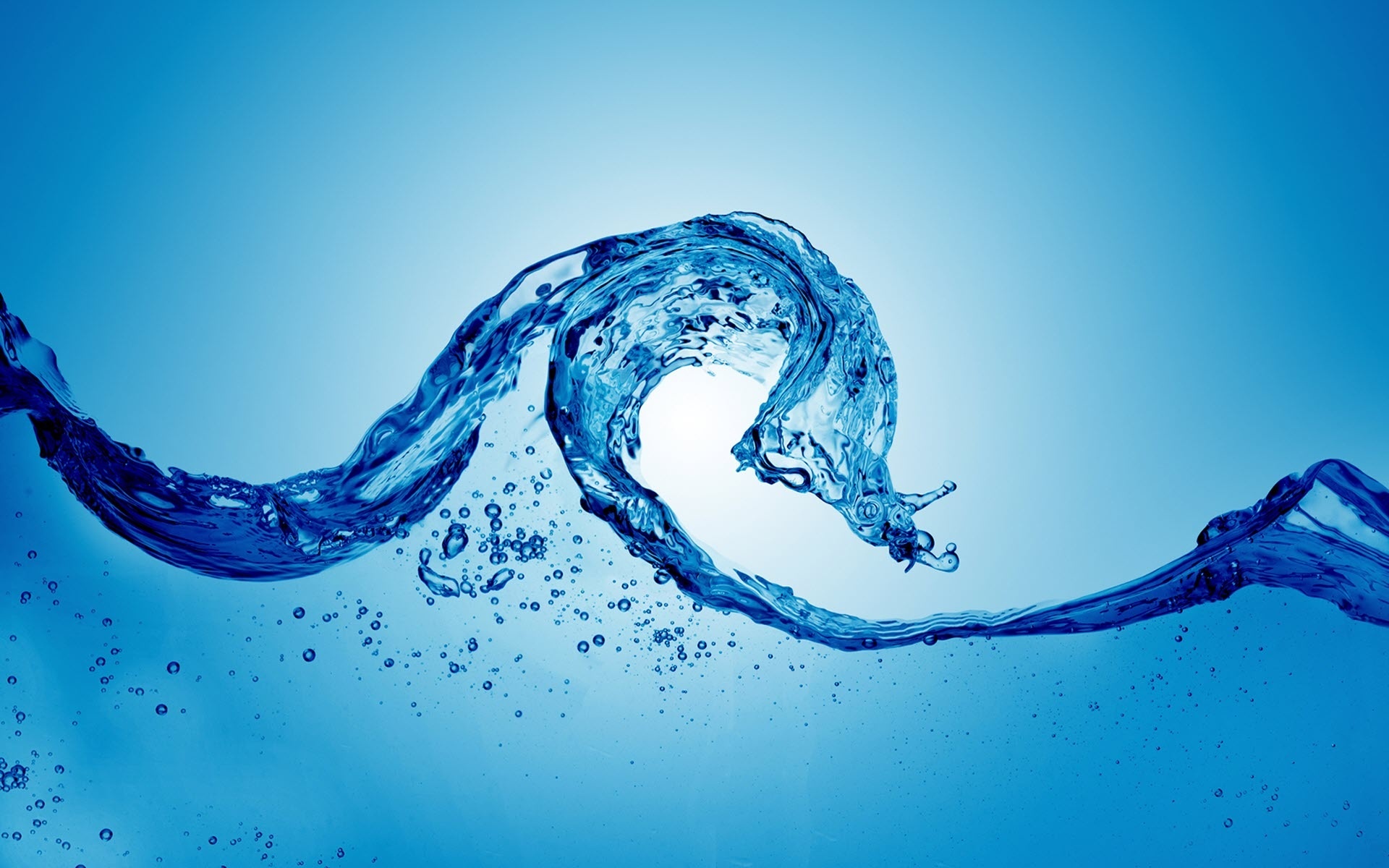
What two elements make up water?
a)
Helium and oxygen
b)
Hydrogen and oxygen
c)
helium and carbon
d)
oxygen and carbon
25.

Why does water move from the roots to the leaves of plants?
a)
Water is pushed by solutes
b)
Capillary action pulls the water molecules like a chain
c)
Water is pulled by gravity
d)
Water’s cohesion causes it to “pull” towards the leaves
26.

The attraction that causes water and other liquids to form drops on thin films is called ________________. This is also water’s ability to be attraction to other water molecules.
a)
adhesion
b)
capillary action
c)
cohesion
d)
surface tension
27.

tendency of molecules of the same kind to stick to one another
a)
cohesion
b)
adhesion
c)
solution
d)
polar molecule
28.

molecule in which opposite ends have opposite electric charges
a)
cohesion
b)
polar molecule
c)
hydrogen bond
d)
solution
29.
Water is a universal solvent because it...
a)
It can be found anywhere
b)
It freezes when it gets cold
c)
floats when frozen
d)
Dissolves most substances
30.
Water beads up on the surface of a penny because of this property.
a)
Adhesion
b)
High Surface Tension
c)
Universal Solvent
d)
Changes in Density
31.
Which of the following energy transformations occur when a lamp that is plugged into a wall socket is functioning correctly?
a)
Chemical to light
b)
Electrical to chemical
c)
Electrical to light
d)
Chemical to electrical
32.
Which of the following shows an energy transformation from chemical energy to electrical to light energy?
a)
A bolt of lightning lights the night sky.
b)
A candle glows brightly in the dark.
c)
A fire in a fireplace lights up a room.
d)
A battery causes a flashlight to shine.
33.
A television works by transforming electrical energy into what other kinds of energy?
a)
Light, thermal, and sound
b)
Thermal, chemical, and solar
c)
Sound, mechanical, and electrical
d)
Light, chemical, and mechanical
34.
Is melting butter for popcorn a chemical or physical change?
a)
chemical
b)
physical
35.
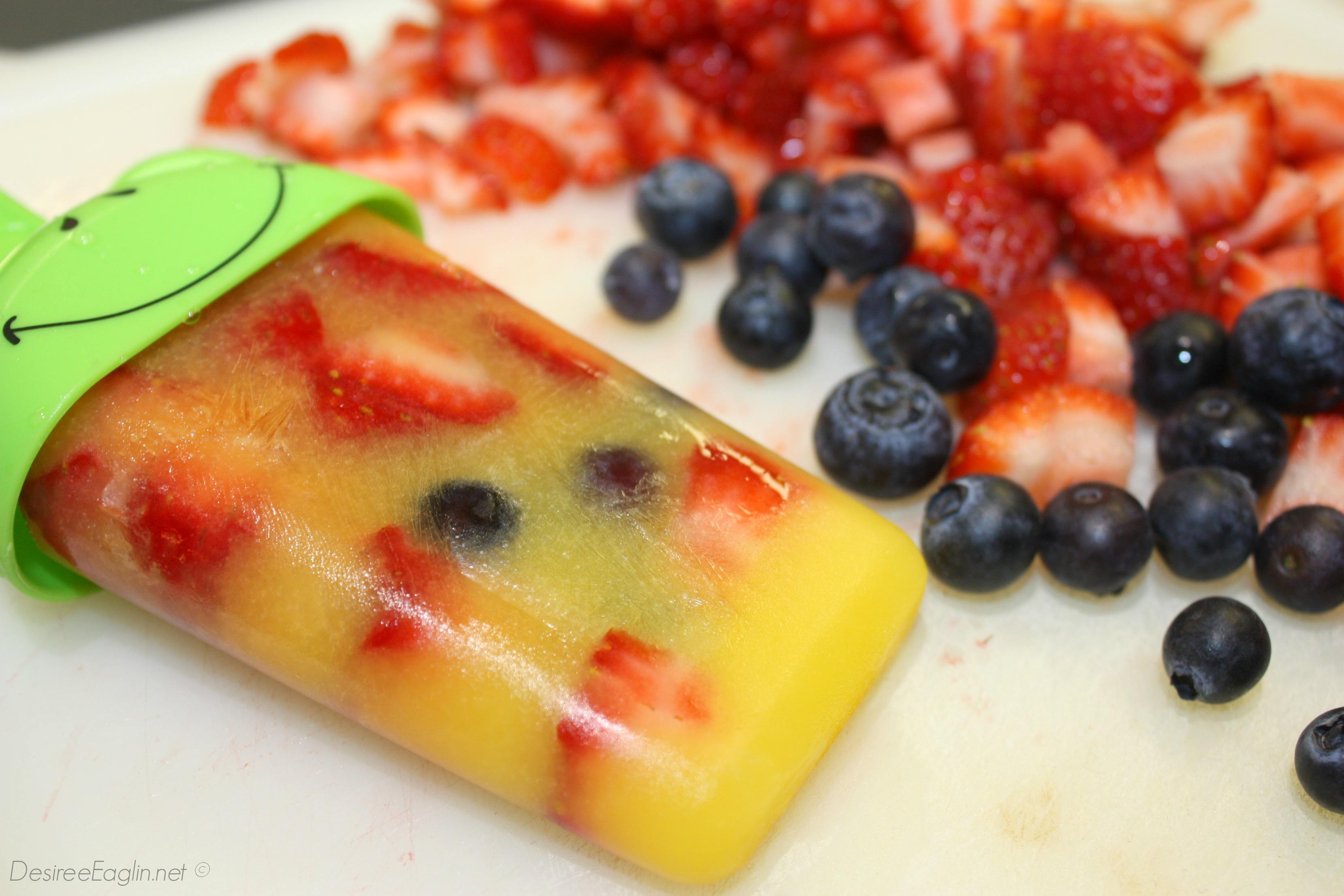
Freezing Juice?
a)
Physical Change
b)
Chemical Change
36.
A change where one or more new substances are created.
a)
Physical Change
b)
Chemical Change
37.
Fizzing, foaming, and burning are all examples of
a)
Chemical change
b)
Physical change
38.
What kind of properties can only be observed when a substance changes into a different substance?
a)
physical properties
b)
chemical properties
39.
Dissolving sugar in water is an example of a
a)
physical change
b)
chemical change
40.
Wood burned in a fireplace
a)
Chemical Change
b)
Physical Change
41.
Cake batter baked in an oven
a)
Chemical Change
b)
Physical Change
42.
Boiling water
a)
Chemical Change
b)
Physical Change
43.
Rust on an iron fence
a)
Chemical Change
b)
Physical Change
44.
when colors of metals causes a color to change
a)
flamabilty
b)
corrosion
c)
precipate
d)
tarnish
45.
What happens in ALL chemical changes?
a)
Change in state of matter
b)
A new substance is formed
c)
Bubbles are produced
d)
An explosion
46.

Is copper tarnishing a physical or chemical change?
a)
Physical
b)
Chemical
47.
The Law of Conservation of Mass tells us matter can't ______________.
a)
change color
b)
change state of matter
c)
be created or destroyed
d)
change temperature
48.
Digesting your food is an example of
a)
chemical change
b)
physical change
49.
Rusting piece of metal is an example of a chemical change.
a)
true
b)
false
50.

Between what two letters is the substance completely solid?
a)
Between D & E
b)
Between E & F
c)
Between A & B
d)
Between B & C
e)
Between C & D
51.
Between what two letters is the substance melting?
a)
Between D & E
b)
Between E & F
c)
Between A & B
d)
Between B & C
e)
Between C & D
52.
Every substance melts at 0oC and boils at 100oC
a)
True
b)
False
53.
Why doesn't the temperature increase when a substance is going through a phase change?
a)
Actually, It does
b)
Because phase changes are endothermic
c)
The heat is turned off at these points
d)
All of the energy is used to break bonds when heat is being added and when heat is being removed, the bonds are reforming
100 %

