wayground logo

Free Printable Worksheets

Font size

S
M
L
XL
Worksheets

Periodic Table and Dot Diagrams

Total questions: 58

Worksheet time: 36mins

Name
Class
Date
1.
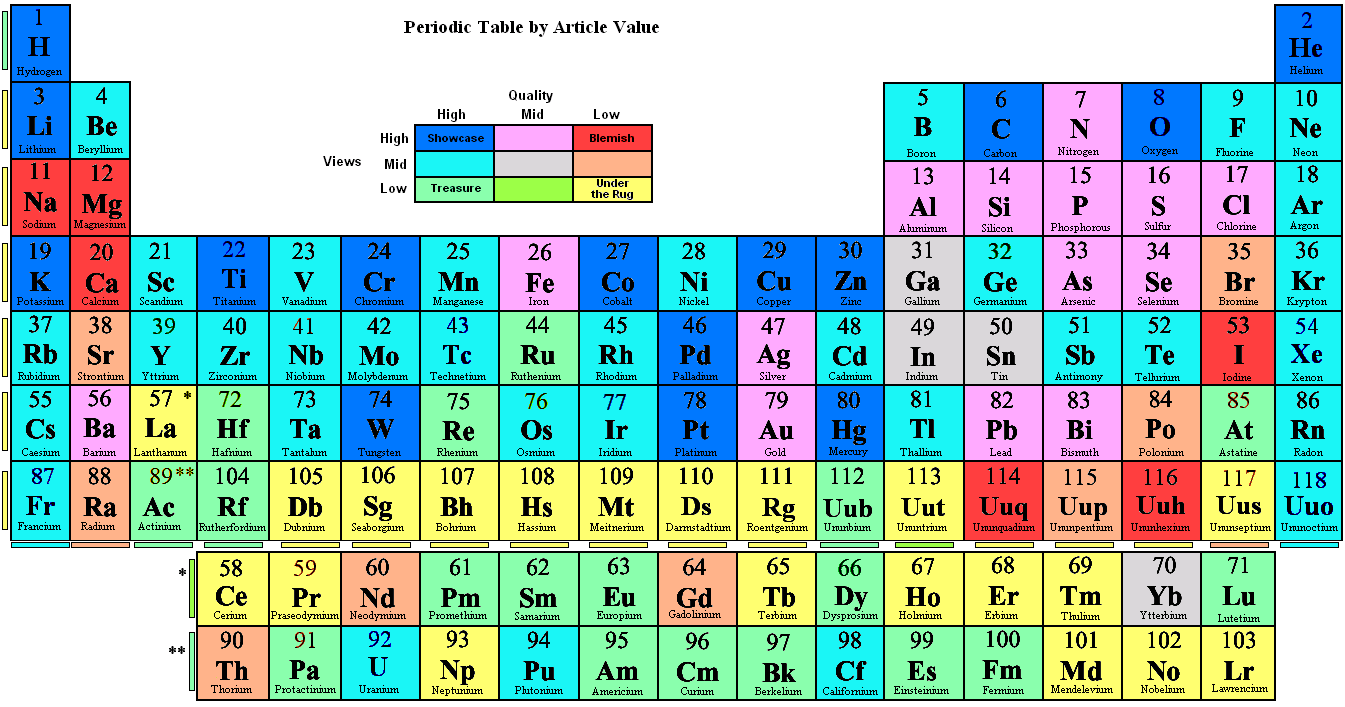
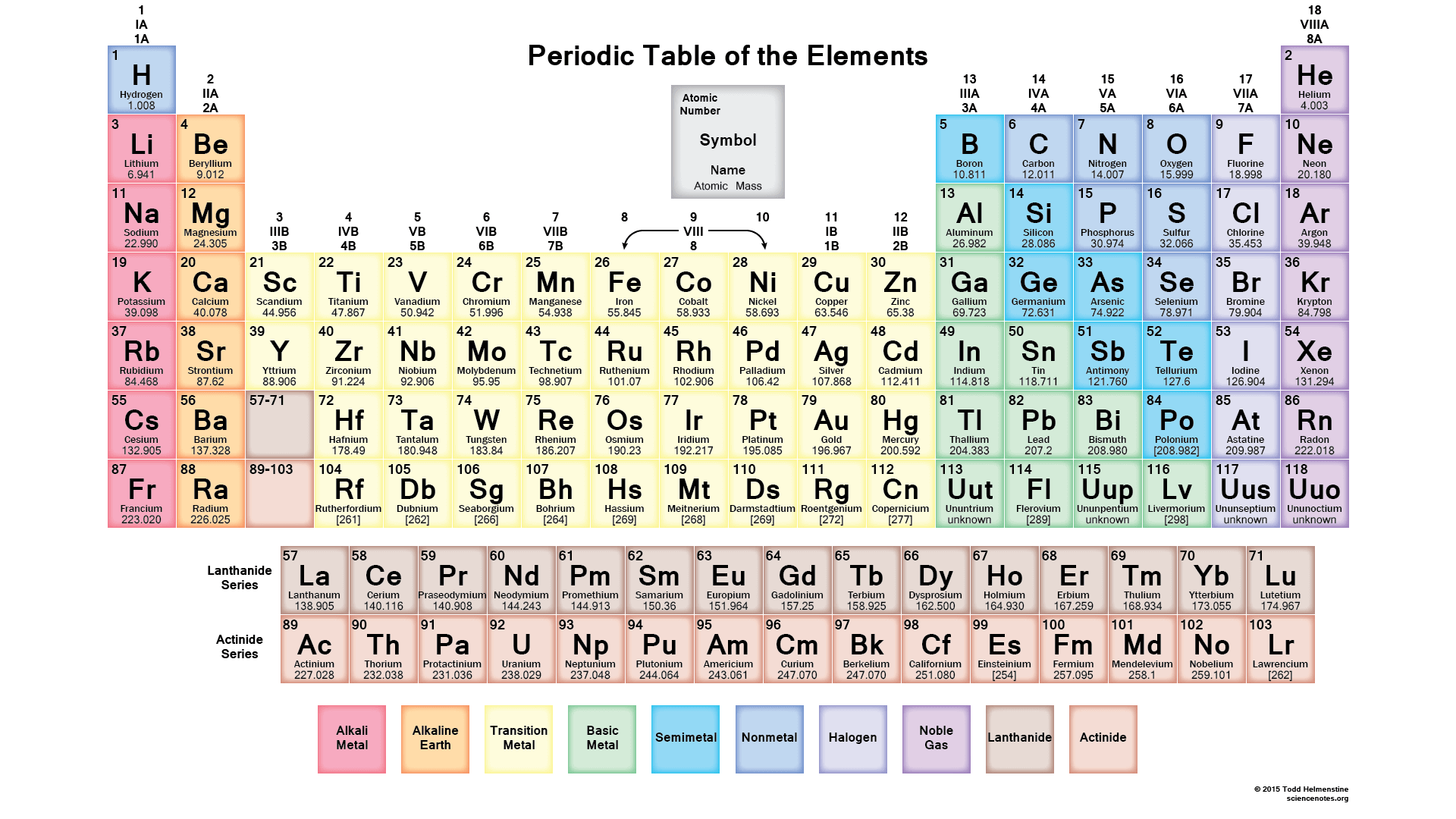
Looking at the Periodic Table, how many valence electrons does lithium (Li) have?
a)
1
b)
2
c)
3
d)
 8
2.
How many valence electrons does neon (Ne) have?
a)
1
b)
5
c)
7
d)
8
3.
How many valence electrons does carbon (C) have?
a)
3
b)
4
c)
5
d)
6
4.
How many valence electrons does chlorine (Cl) have?
a)
2
b)
5
c)
6
d)
7
5.
How many valence electrons does magnesium (Mg) have?
a)
1
b)
2
c)
3
d)
8
6.
Which of these elements has 8 valence electrons?
a)
P
b)
Be
c)
O
d)
Ar
7.
Which of these elements has 3 valence electrons?
a)
Al
b)
N
c)
Li
d)
F
8.
This is the correct dot diagram for nitrogen (N)
a)
true
b)
false
9.
This is a correct dot diagram for neon (Ne)
a)
true
b)
false
10.
A ___________ is an arrangement of elements in columns
a)
columns
b)
rows
c)
periodic table
d)
electron shell
11.
Each column in the periodic table is called a 
a)
period
b)
group
c)
cluster
d)
unit
12.
Which group of the periodic table is composed of inert (not reactive)  gases?
a)
alkali metals
b)
alkaline earth metals
c)
halogens
d)
noble gases
13.
Elements which are shiny, conduct electricity and heat are called
a)
metal
b)
nonmetal
c)
metalloid
d)
nonexistent
14.
Which element is not a metal?
a)
H
b)
Re
c)
Al
d)
B
15.
The atoms along the staircase are called 
a)
metals
b)
nonmetals
c)
metalloids
d)
noble gases
16.
Which is a halogen?
a)
Helium
b)
Chlorine
c)
Oxygen
d)
Neptune
17.
A horizontal row of elements in the periodic table.
a)
column
b)
group
c)
period
18.
Elements in a ..................have similar chemical properties.  
a)
period
b)
group
c)
row
19.
Sodium (Na) is found in period 
a)
3
b)
2
c)
4
d)
1
20.
Sodium (Na) is found in group 
a)
1
b)
2
c)
3
d)
4
21.

Which of the following is a non-metal?

a)

Cobalt

b)

Nitrogen

c)

Silver

d)

Rubidium

22.
a)
energy levels
b)
valence electrons
c)
protons
d)
neutrons
23.
a)
energy levels
b)
valence electrons
c)
protons
d)
neutrons
24.
a)
Group 1
b)
Group 17
c)
Group 18
d)
Group 2
25.

The person who first developed the periodic table was

a)

Einstein

b)

Mendeleev

c)

Moseley

d)

Newton

26.

The person who arranged the periodic table by increasing atomic number was

a)

Mendeleev

b)

Moseley

c)

Einstein

d)

Newton

27.

Most of the human body is made of

a)

metals

b)

nonmetals

c)

metalloids

28.

Which group on the periodic table exist in nature as only pure elements NOT as compounds?

a)

noble gases

b)

halogens

c)

alkali metals

d)

transition metals

29.

Which of the following is a transition metal?

a)

Ca

b)

Si

c)

I

d)

Au

30.
Alkali metals are found in which group of the periodic table?
a)
Group 1
b)
Group 2
c)
Group 7
d)
group 8 
31.
What is another name for the elements in group 7?
a)
The Halogens
b)
The Noble gases
c)
The Oxides
d)
The Alkali Metals
32.

Alkali are so reactive to air they are generally stored in what?

a)

Water

b)

Oil

c)

Vaults

d)

Cotton

e)

a vacuum

33.

Which of the following is NOT an alkali metal?

a)

Li

b)

Mg

c)

K

d)

Cs

34.

True or False: Alkali metals are so soft they can be cut with a knife?

a)

True

b)

False

35.

All alkali metals have ...... electrons in their outermost shell.

a)

1

b)

2

c)

3

d)

4

36.

Alkali earth metals are found in which group of the periodic table?

a)

Group 1

b)

Group 2

c)

Group 7

d)

group 8

37.

Which of the following is NOT an alkali earth metal?

a)

Be

b)

Mg

c)

Ca

d)

Sn

38.

Which of the "Halogens" is found in liquid state at room temperature?

a)

Flourine

b)

Astatine

c)

Iodine

d)

Bromine

39.

Which of the "Halogens" has yellowish green color?

a)

Chlorine

b)

Bromine

c)

Flourine

d)

Iodine

40.

Which "Halogen" in diets is very important to be found for healthy thyroid glands

a)

Flourine

b)

Iodine

c)

Bromine

d)

Chlorine

41.

Which of these elements are Halogens?

a)

Fluorine

b)

Helium

c)

Zinc

d)

Bromine

42.
How many elements are in the Noble Gas family?
a)
24
b)
13
c)
6
d)
18
43.
Which of these is not a noble gas?
a)
Helium
b)
Argon
c)
Nitrogen
d)
Krypton
44.
Where are the nonmetals located on the periodic table?
a)
top left corner
b)
bottom left corner
c)
top right corner
d)
bottom left corner
45.
Name the group that contains inert (nonreactive) elements.
a)
noble gases
b)
halogens
c)
alkali metals
d)
alkaline earth metals
46.
The blue atoms are called 
a)
metals
b)
nonmetals
c)
metalloids
d)
noble gases
47.
a)
Alkali
b)
Alkaline
c)
Halogen
d)
Noble Gases
48.

An element where the last electron added was into a d subshell is the definition of...

a)

Transition Metal

b)

d-block element

c)

catalytic ion

d)

complex ion

49.

Which of the following is not a metal?

a)

Calcium

b)

Carbon

c)

Copper

d)

Chromium

50.
All of these properties describe metals except...
a)
malleable
b)
conductors
c)
brittle 
d)
shiny
51.
Which element is a metalloid?
a)
Titanium
b)
Selenium
c)
Potassium
d)
Polonium
52.
Which element is least likely to conduct heat and electricity? 
a)
O
b)
Si
c)
Po
d)
Ca
53.
A substance that is dull, brittle, and a nonconductor would be classified as a
a)
metal
b)
nonnmetal
c)
metalloid
d)
metallica
54.
Aluminum can be hammered into different shapes or rolled into flat sheets. This means Aluminum is 
a)
ductile
b)
malleable
c)
lustrous
d)
high density
55.
What are elements in groups 3-12 called?
a)
nonmetals
b)
metals
c)
halogens
d)
transition elements
56.
Purple color represents
a)
metals
b)
nonmetals
c)
metalloids
57.
Which family...
a)
Actinides
b)
Lanthanides
c)
Halogens
d)
Alkali
58.
Silicon is a semiconductor and has properties of both metals and nonmetals. What type of element is Silicon? 
a)
Metal
b)
Nonmetal
c)
Metalloid
d)
Pretty