
 Worksheets
Practice Quiz: Cell Growth & Division/Mitosis and Meiosis
Total questions: 59
Worksheet time: 1hrs 24mins

Ethan, Avery, and Harper are having a debate about cell cycle phases. They want to know during which phase of the cell cycle the contents of a cell (excluding the chromosomes) are duplicated. Can you help them?
S
G1
G2
M
Maya, Elijah, and Charlotte are having a debate about cell cycle phases. They want to know during which phase the chromosomes are duplicated. Can you help them?
S
G1
G2
M
During a biology class, David, Luna, and Zoe were discussing the cell cycle. They were curious to know during which phase of the cell cycle the cell checks for errors in the duplicated chromosomes. Can you help them?
S
G1
G2
M
Emma, Jackson, and Harper are having a debate about cells. They want to know, when a cell is not undergoing mitosis, which phase of the cell cycle is it in?
Interphase
Cytokinesis
Prophase
Telophase
Abigail, Lily, and Priya are having a friendly competition to see who can correctly identify the phase of the cell cycle during which the cell undergoes mitosis. Can you help them out?
S
G1
G2
M
Avery, Ava, and Ethan are discussing a mysterious condition in which a cell mutation causes it to undergo mitosis very rapidly. Can you help them identify the name of this condition?
Cancer
Independent Assortment
Cytokinesis
Meiosis
Hannah and Charlotte are having a debate about mitosis. They know it's a form of asexual reproduction, but they need Aria's help to figure out if it requires ________ and produces ______ cells.
one parent, two haploid
two parents, four haploid
one parent, two diploid
two parents, two haploid
Which image accurately depicts prophase in mitosis?


Which image accurately depicts metaphase (middle phase) in mitosis?
Which image accurately depicts anaphase (separation phase) in mitosis?
Which image accurately depicts telophase in mitosis?
Which image accurately depicts cytokinesis in mitosis?
During a biology class, Harper, Benjamin, and Aria were discussing asexual reproduction. They learned that mitosis is a form of asexual reproduction, which means that it requires ________ and produces ____ ______ cells.
one parent, two haploid
two parents, four haploid
one parent, two diploid
two parents, four diploid
During a biology class, Daniel, Avery, and Luna were discussing an important process that occurs in Prophase I of meiosis, which is responsible for the independent assortment of genes. Can you help them identify this process?
Crossing over
Gene flow
Genetic variation
Bottleneck effect

Elijah, Ethan, and Priya are studying meiosis together. They come across a diagram and are curious about phase #1. Can you help them identify which phase of meiosis is labeled #1 in the diagram?
Prophase I
Prophase II
Interphase
Cytokinesis
During a biology class, Liam, Grace, and Elijah were studying meiosis. They came across a diagram and got curious about phase #2. Can you help them identify which phase of meiosis is labeled #2 in the diagram?
Metaphase I
Anaphase II
Anaphase I
Telophase II
Abigail, Daniel, and Noah are playing a trivia game about meiosis. They come across a diagram and need to identify phase #3. Can you help them figure out which phase of meiosis is labeled #3 in the diagram?
Metaphase I
Anaphase II
Anaphase I
Telophase II
Ava, Luna, and Ethan are studying meiosis together. They come across a diagram and are trying to identify the phase labeled #4. Can you help them figure out which phase of meiosis is labeled #4 in the diagram?
Metaphase I
Telophase I
Anaphase I
Telophase II
Zoe, Benjamin, and Nora are on a thrilling quest to understand the mysteries of meiosis. They come across a mysterious diagram with different phases of meiosis labeled. They are particularly curious about the phase labeled #5. Can you help them figure out which phase of meiosis is labeled #5 in the diagram?
Prophase I
Prophase II
Prometaphase I
Metaphase II
Emma, Mia, and Samuel are having a friendly competition to see who can correctly identify the phases of meiosis first. They're stuck on one particular phase labeled as #6 in the diagram. Can you help them out?
Anaphase II
Prophase II
Prometaphase II
Metaphase II
David, Anika, and Aria are having a friendly competition to label the phases of meiosis in a diagram. They are stuck on #7. Can you help them out? Which phase of meiosis is labeled #7 in the diagram?
Anaphase II
Prophase II
Telophase II
Metaphase II
Harper, Benjamin, and Abigail are having a friendly competition to identify the phases of meiosis. They are stuck on identifying the phase labeled #8 in the diagram. Can you help them out?
Anaphase II
Prophase II
Telophase II
Metaphase II
ATTENTION, THIS IS A MULTIPLE ANSWER QUESTION!
Imagine Benjamin, Samuel, and Arjun are having a heated debate about cell division. They are discussing the following statements about mitosis and meiosis. Can you help them figure out which ones are TRUE?
Both mitosis and meiosis result in two daughter cells
Mitosis results in two diploid cells
Crossing over is a phenomenon that only occurs during meiosis, not mitosis
Mitosis results in two haploid cells
Meiosis can be divided into two identical processes: Meiosis I and Meiosis II
Imagine Benjamin, Hannah, and Scarlett are in a heated debate about cell division. They're discussing the differences between Meiosis I and Meiosis II. Benjamin says, 'Crossing over only occurs in Meiosis I, not Meiosis II.' Hannah argues, 'Cytokinesis only occurs in Meiosis II, not Meiosis I.' Scarlett, on the other hand, believes, 'Both processes start with one diploid cell and end with two haploid cells.' Who do you think is correct?
Benjamin: Crossing over only occurs in Meiosis I, not Meiosis II
Hannah: Cytokinesis only occurs in Meiosis II, not Meiosis I
Scarlett: Both processes start with one diploid cell and end with two haploid cells
None of them
Imagine Liam, Aria, and Benjamin are superheroes with the power to change their cells. If one of them had a mutation in their cells, which type of cell would it have to be for the mutation to be passed on to their superhero offspring?
Only gametic
Only somatic
Both somatic and gametic
Neither gametic nor somatic
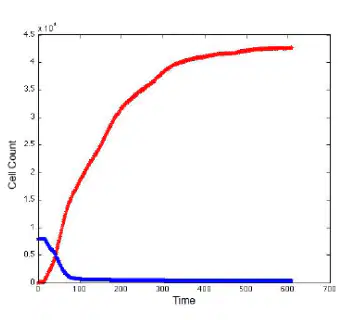
Imagine Kai, Scarlett, and Jackson are superheroes fighting against evil cancer cells! Which superhero's power, represented by a line in the graph, allows them to stop the cells from replicating by bypassing the cell cycle (becoming cancerous)?
Superhero Kai with his Red Power Line
Superhero Scarlett with her Blue Power Line
Either Superhero Kai or Scarlett
Neither Superhero Kai nor Scarlett
Rohan, Elijah, and Avery are planning a beach trip to Florida, known as the 'Sunshine State'. They are excited but also aware that overexposure to harmful UV light from the sun can be harmful as it can cause mutations at the genetic level.
Which statement BEST explains why they should be cautious about the harmful Ultra Violet radiation?
If the UV light causes their cells to mutate, they may lose control of the cell cycle, leading to unregulated cellular division.
If the UV light causes their cells to mutate, they may gain more control of the cell cycle, leading to regulated cellular division.
If the UV light does not cause their cells to mutate, their cells may steadily replicate.
If the UV light causes their cells to mutate, their cells may pause from dividing.
Imagine this, Scarlett, Grace, and Aria! HeLa cells were derived from a person who developed cancer. Her name was Henrietta Lacks. Her cells are still partying and replicating today in laboratories all over the world because cancerous cells are known to have lost the ability to:
control the rate of their cell division dance
control how big they grow during the party
control the rate of their cellular transport moves
control the consumption of glucose snacks
Priya, Abigail, and Michael are having a heated debate about cancer. Priya says, 'Cancer can't be passed on from parent to child.' Which statement BEST supports Priya's argument?
Somatic (body cells) that are cancerous are non-reproductive cells, therefore they don't get passed on.
Gametic (reproductive sex cells) can never have mutations that are cancerous.
Only gametic (reproductive sex cells) can be cancerous.
Only germ line cells can be cancerous.
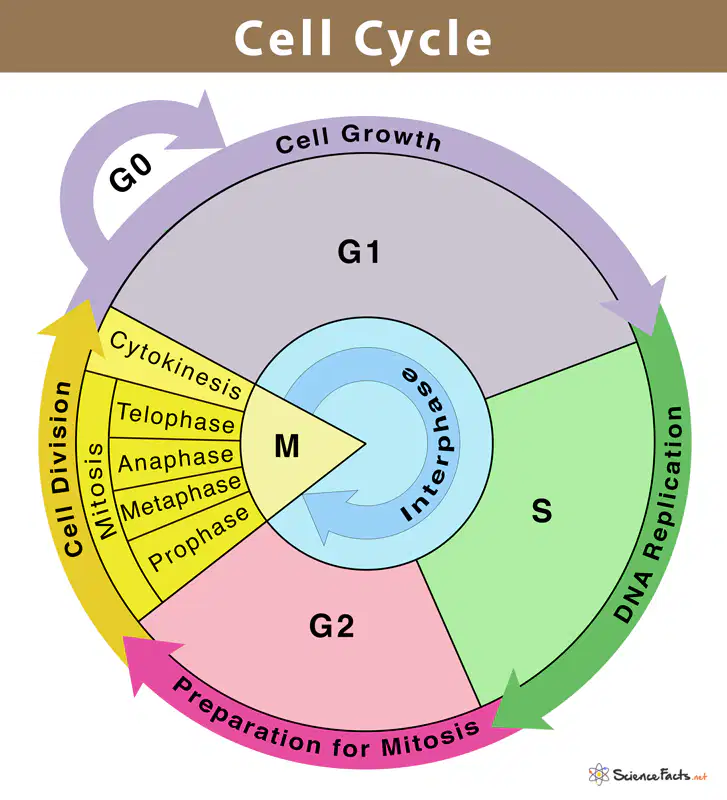
Imagine Harper, Emma, and James are tiny scientists exploring the inside of a cell. Suddenly, they realize the cell is about to divide, but it has bypassed DNA Replication (depicted in green)! What would be the results in the daughter cells?
The cells would end up Haploid instead of Diploid, therefore they would only contain half of the original genetic info.
The cells would end up Diploid instead of Haploid, therefore they would contain the same amount of the original genetic info.
The cells would end up Quatroid instead of Diploid, therefore they would contain a quarter of the original genetic info.
The cells would end up Triploid instead of Diploid, therefore they would contain three times the amount of the original genetic info.
Ethan, Noah, and Elijah were playing superheroes, and Ethan, pretending to be Wolverine, claimed that his body could heal itself by replacing damaged cells. Which process is Wolverine's body using to replace these damaged cells?
Mitosis only
Mitosis or Meiosis
Meiosis only
Diffusion
James, Samuel, and Aria are having a heated debate about cell division. They all agree that Mitosis and Meiosis are similar, but they can't agree on the differences. Can you help them out? Which statement BEST describes a major difference between the results of both types of cell division?
James argues: 'In Mitosis, daughter cells are identical to each other and to the parent cell; In Meiosis, daughter cells are unique from each other.'
Samuel counters: 'In Meiosis, daughter cells are identical to each other and to the parent cell; In Mitosis, daughter cells are unique from each other.'
Aria suggests: 'In Mitosis, 4 daughter cells are produced; In Meiosis, 2 daughter cells are produced.'
Or is it that, as some others believe: 'In Mitosis, there are two stages of division - Mitosis I and Mitosis II; In Meiosis, there is only one stage.'
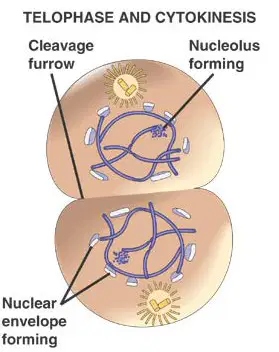
Aiden, Zoe, and Anika are studying for their biology test. They come across a diagram in their textbook. According to the diagram, which two phases of cell division are happening at the same time?
Prophase and metaphase
Metaphase and Anaphase
Telophase and Cytokinesis
Anaphase and Telophase
Imagine Abigail, Evelyn, and Aiden are tiny scientists, exploring the inner workings of a cell. They notice that the cell repairs its genetic information before it divides. Why do you think this is?
Every daughter cell, just like our tiny scientists, needs a full set of DNA to perform all of its functions
To prevent the cell from dividing too fast, like a race car on a track
To allow for genetic mutations, like adding extra toppings on a pizza
To guarantee that the cell will not become cancerous, like a superhero protecting the city
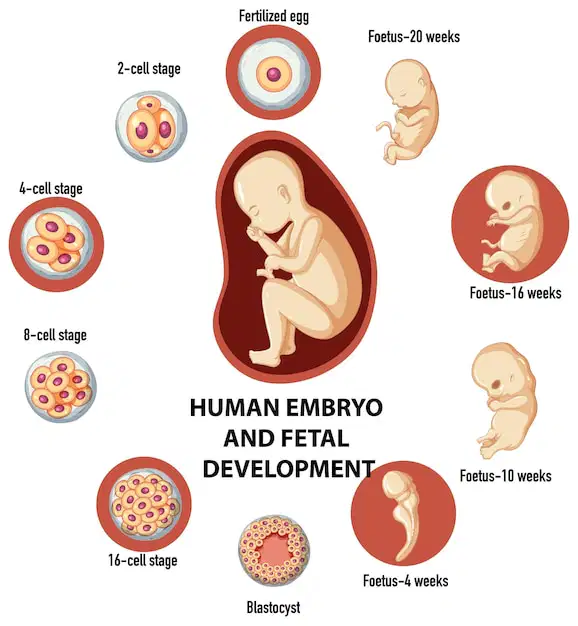
Imagine Nora, Zoe, and Abigail are observing a fascinating process of cell reproduction from a zygote (one cell) to a multicellular organism under their microscope in a science class.
Which statement do you think they would agree best describes what is happening to the chromosomes found in each cell during this amazing journey of fetal development?
Chromosomes are replicated prior to each cell division (S-Phase) to ensure the same number of chromosomes and identical genetic information for each cell.
Chromosomes are cut in half prior to each cell division (S-Phase) to ensure the haploid number of chromosomes information for each cell.
Chromosomes are replicated prior to each cell division (S-Phase) to ensure the same number of chromosomes and unique genetic information for each cell.
Chromosomes are randomized prior to each cell division (S-Phase) to ensure unique genetic information for each cell.
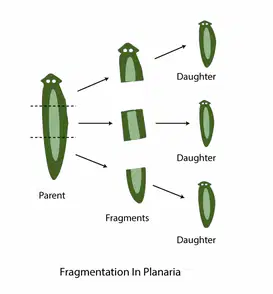
Imagine Grace, Jackson, and Emma are on a science adventure and they stumble upon a fascinating creature - the planarian S. mediterranea, a diploid species of freshwater flatworm with four chromosome pairs (2N = 8). This little creature has a unique way of reproducing - it uses fragmentation! Now, if the original parental cells had 8 chromosomes, can you guess how many chromosomes will be found in each of the cells of the baby Planaria?
8
2
4
16
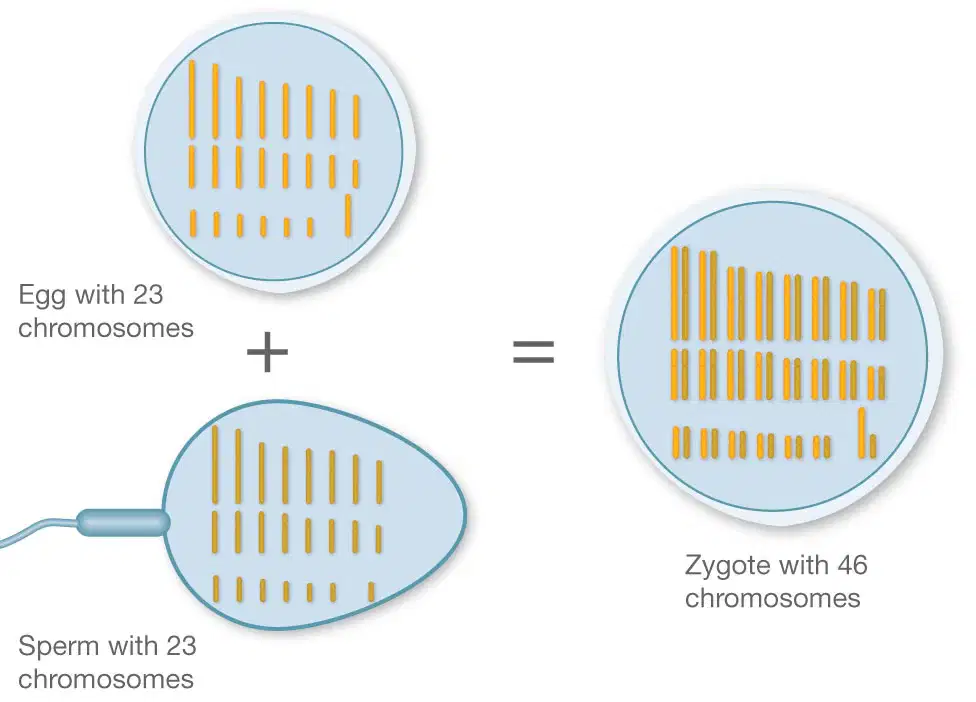
Aria, Jackson, and James are having a debate about the process shown in the image. Can you help them by naming the process depicted in the image?
Fertilization
Mitosis
Meiosis
Replication

Mason, Lily, and Aria are having a debate about the change in chromosome number during the process of fertilization. Can you help them settle the debate by identifying the correct term?
Haploid + Haploid = Diploid
Diploid + Diploid = Haploid
Haploid + Diploid = Haploid
Haploid + Diploid = Diploid
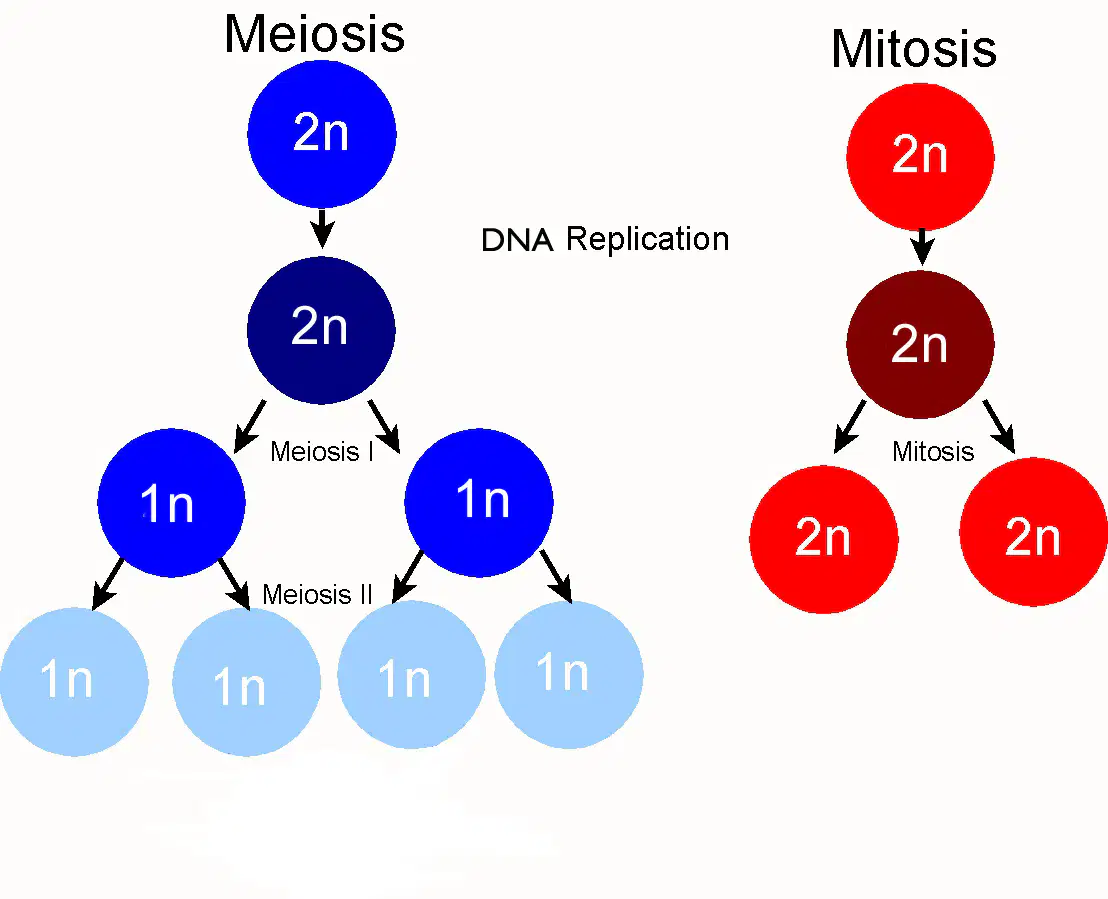
Abigail, Priya, and David are studying genetics together. They come across a diagram and wonder which process reduces the genetic information by half. Can you help them?
During Meiosis I, the chromosome number is reduced by half; from Diploid to Haploid.
During Meiosis II, the chromosome number is reduced by half; from Diploid to Haploid.
During Mitosis, the chromosome number is reduced by half; from Diploid to Haploid.
During Mitosis, the chromosome number is reduced by half; from Haploid to Diploid.

Grace, Michael, and Maya are learning about cell division. They come across a diagram and wonder, in what kind of cells does Meiosis occur?
Human reproductive cells (such as sperm and egg cells)
Human somatic (body) cells such as skin cells
Only in fetal cells
Only in infant cells
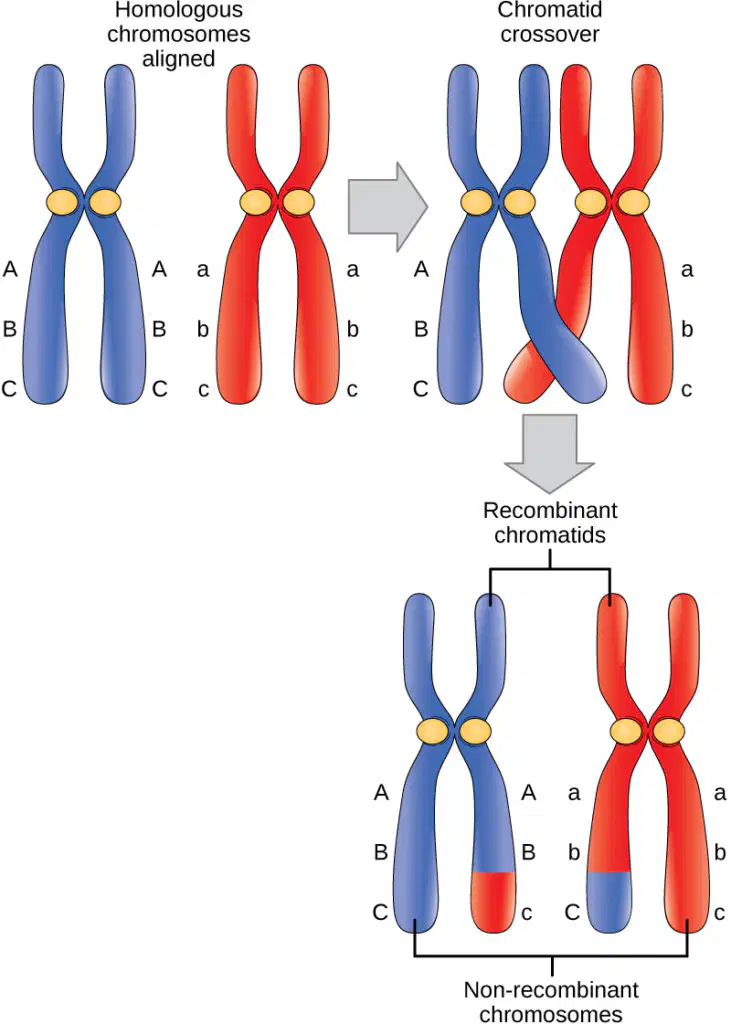
Ava, Evelyn, and Sophia are studying genetics and come across an interesting image. Can you help them describe the process depicted in the image?
Crossing over is occurring to recombine the genes and produce genetic variation.
Chromosomes are aligning in the middle of the cell.
Chromosomes are separating from each other.
Chromosomes are splitting in half.

James, Aria, and Emma are studying for their biology exam. They come across a question about Meiosis. Can you help them figure out during which phase of Meiosis does crossing over between homologous chromosomes occur in the cell?
Prophase I of Meiosis
Prophase II of Meiosis
Telophase I of Meiosis
Anaphase II of Meiosis
Reorder the following

Prophase

Metaphase

Anaphase
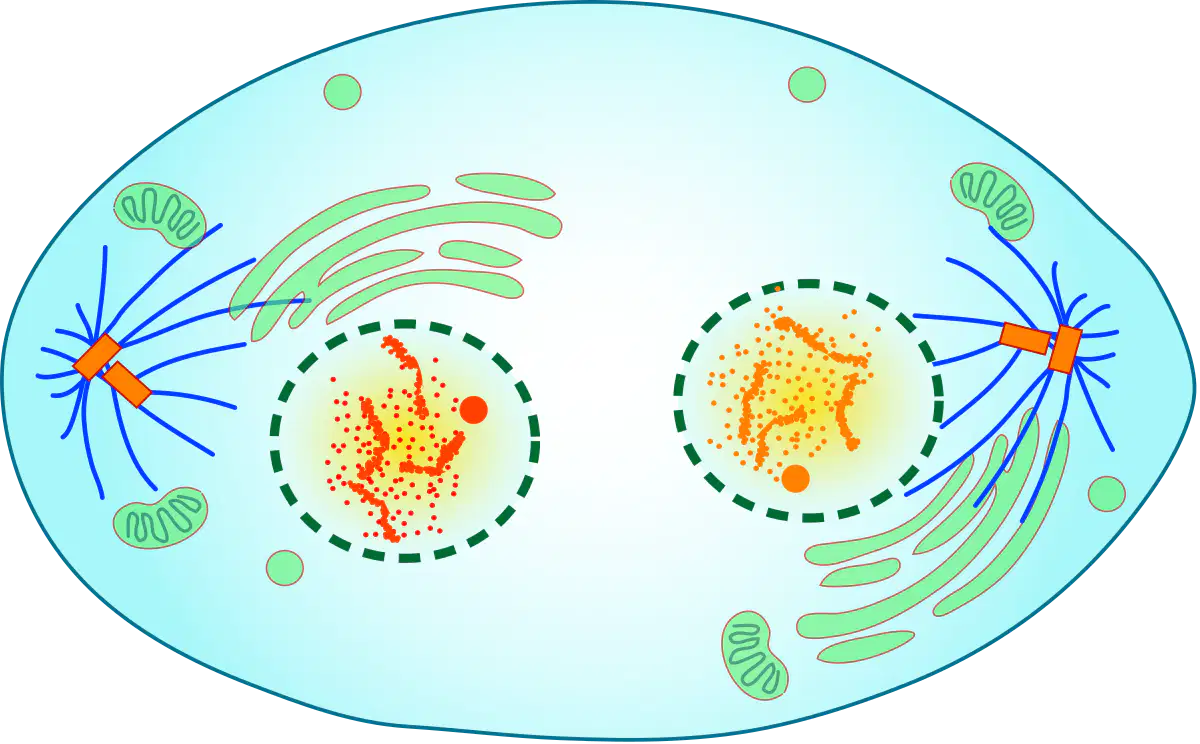
Telophase
Reorder the following
Luna, Grace, and Avery are studying cell division. They come across a process where a cell divides into two identical daughter cells. What is this process called?
Mitosis
Meiosis
Fertilization
Cytokinesis
Rohan, Liam, and David are having a debate about meiosis. They're trying to figure out during which phase of meiosis crossing over between homologous chromosomes occurs. Can you help them?
Prophase I
Prophase II
Anaphase I
Anaphase II
Emma, Michael, and Daniel are discussing the importance of repairing the genetic information of a cell before it divides. What is the main advantage of doing so?
To prevent the cell from becoming cancerous
To allow for genetic mutations
To guarantee that the cell will not divide too fast
Every daughter cell needs a full set of DNA to perform all of its functions
During a biology class, Liam, Grace, and Elijah were studying meiosis. They came across a diagram and got curious about phase #2. Can you help them identify which phase of meiosis is labeled #2 in the diagram?
Metaphase I
Anaphase II
Anaphase I
Telophase II
During a biology class, David, Luna, and Zoe were discussing the cell cycle. They were curious to know during which phase of the cell cycle the cell checks for errors in the duplicated chromosomes. Can you help them?
S
G1
G2
M
Imagine Benjamin, Hannah, and Scarlett are in a heated debate about cell division. They're discussing the differences between Meiosis I and Meiosis II. Benjamin says, 'Crossing over only occurs in Meiosis I, not Meiosis II.' Hannah argues, 'Cytokinesis only occurs in Meiosis II, not Meiosis I.' Scarlett, on the other hand, believes, 'Both processes start with one diploid cell and end with two haploid cells.' Who do you think is correct?
Benjamin: Crossing over only occurs in Meiosis I, not Meiosis II
Hannah: Cytokinesis only occurs in Meiosis II, not Meiosis I
Scarlett: Both processes start with one diploid cell and end with two haploid cells
None of them


Reorder the following
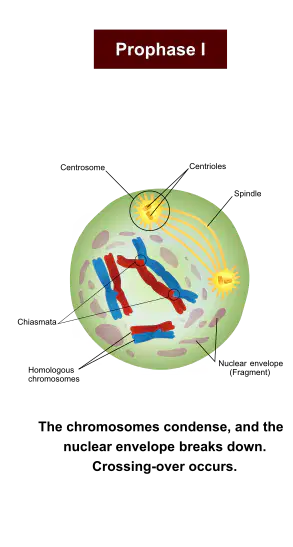
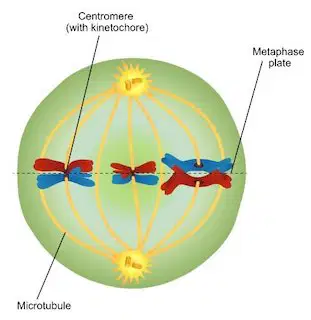

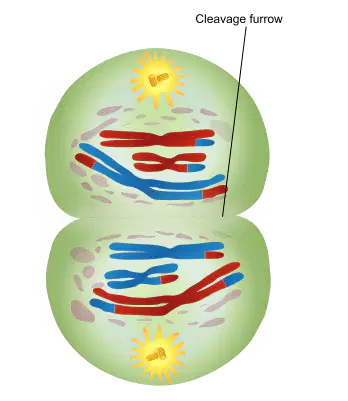
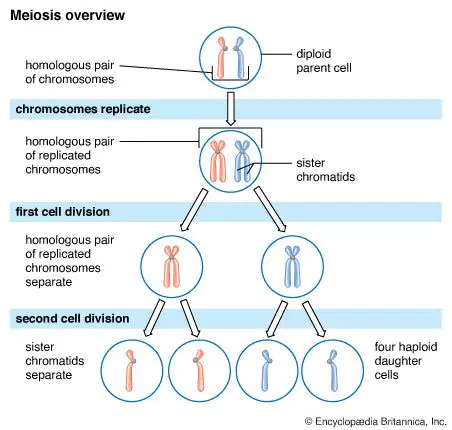
According to the diagram, what is the final result of Meiosis
4 haploid daughter cells
4 diploid daughter cells
2 haploid daughter cells
2 diploid daughter cells
What is an advantage of sexual reproduction
Meiosis creates reproductive cells that are unique, therefore it increases genetic variation.
Mitosis creates reproductive cells that are unique, therefore it increases genetic variation.
Meiosis creates reproductive cells that are unique, therefore it decreases genetic variation.
Mitosis creates reproductive cells that are unique, therefore it decreases genetic variation.
Match the following
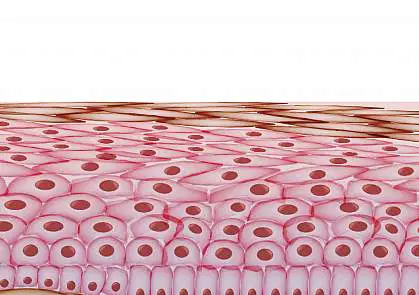
Somatic (body) cell

Somatic (body) cell
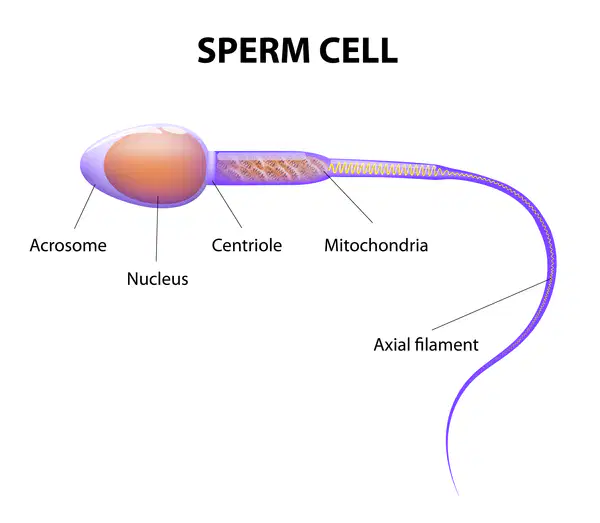
Gamete (reproductive) cell

Somatic (body) cells reproduce by
Mitosis
Meiosis I
Meiosis II
Meiosis

Gametes (reproductive) cells are created by the process of
Meiosis
Mitosis I
Mitosis II
Mitosis
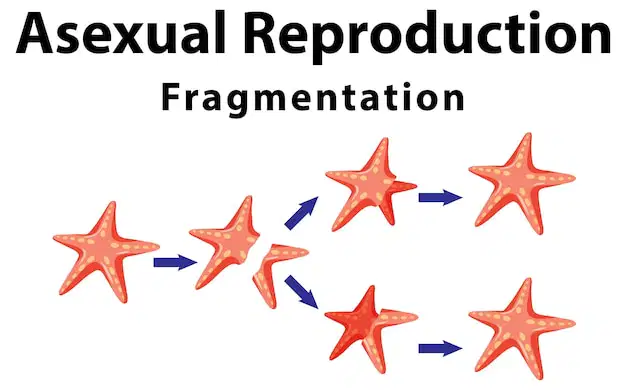
Asexual reproduction does not require gametes (sperm or egg), therefore this process ensures that
the chromosome number is maintained.
the chromosome number is reduced to a haploid state.
the chromosome number is increased to a diploid state.
the chromosome number tripled.

