
 Worksheets
Ecology
Total questions: 58
Worksheet time: 3575secs
Name
Class
Date
1.
The following are all examples of _________ within an ecosystem. Grass, trees, flowers, bears, and fish
a)
Abiotic factors
b)
Biotic factors
c)
Extinction
2.
The most energy is available at the _______ level of an energy pyramid?
a)
consumer
b)
predator
c)
decomposer
d)
producer
3.
The pattern of overlapping feeding relationships or food chains among the various organisms in an ecosystem is called
a)
Food chain
b)
Food web
c)
Energy pyramid
d)
Carbon cycle
4.
This is the way two organisms of different species exist in a relationship and both benefit...
a)
Mutualism
b)
Commensalism
c)
Parasitism
5.

Cattle egrets forage (feed) in fields among cattle. The egret gets easy access to flying insects stirred up by the cattle, and the cattle don't care if they are there or not.
a)
mutualism
b)
commensalism
c)
competition
d)
parasitism
6.
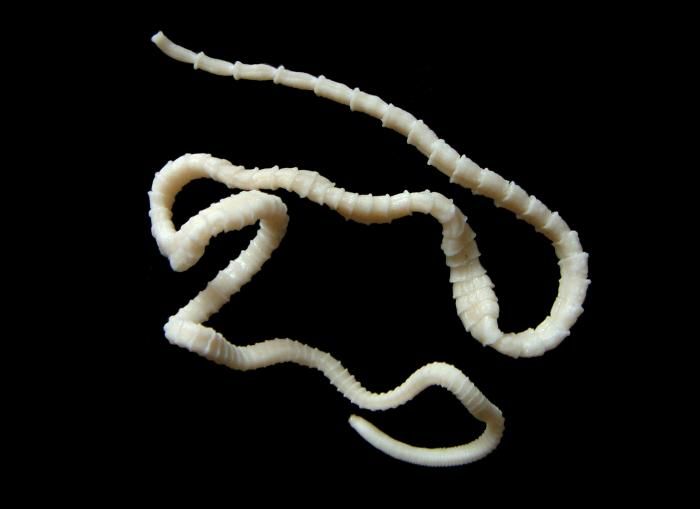
A tapeworm and a cat have this type of relationship.
a)
mutualism
b)
parasitism
c)
commensalism
d)
competition
7.
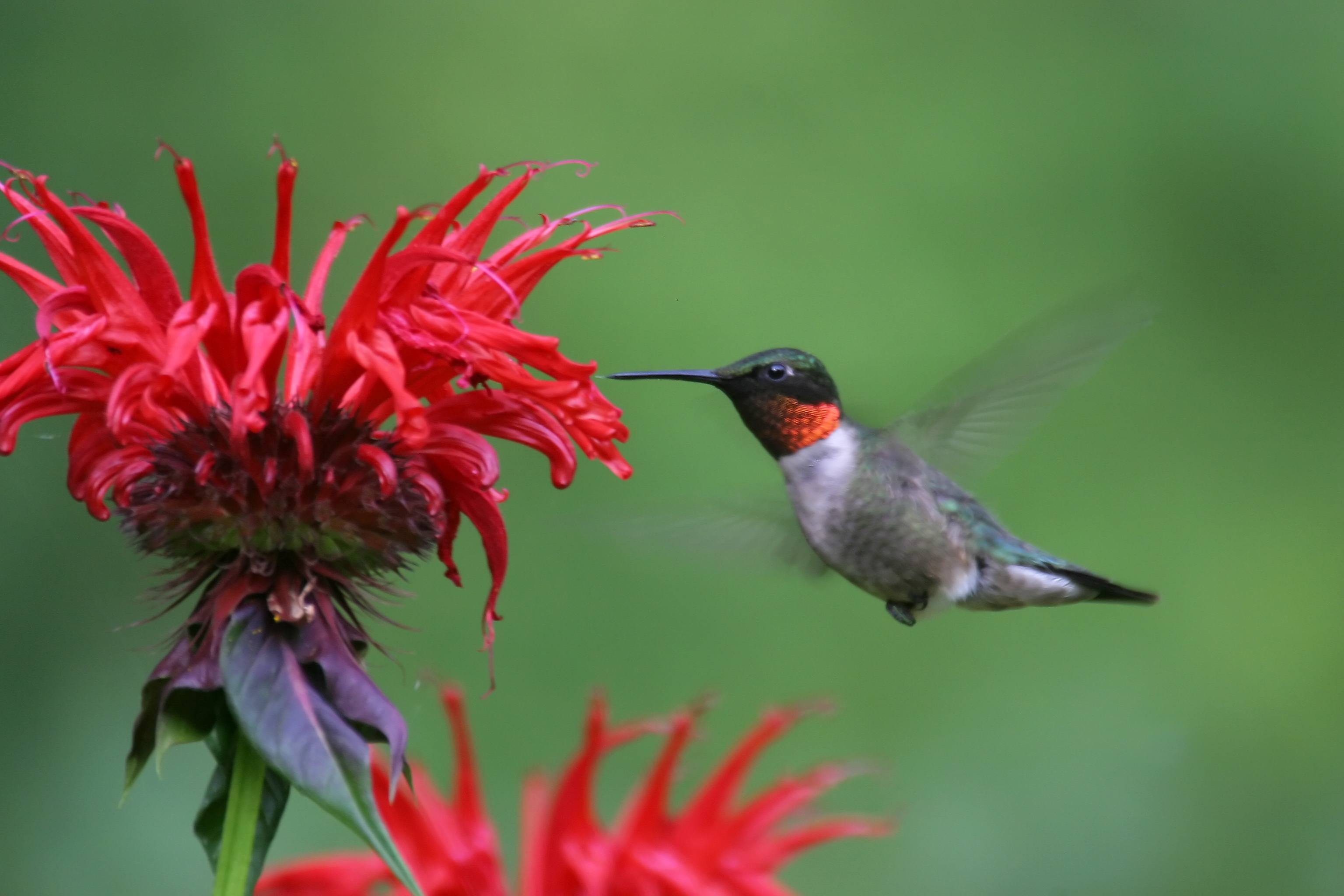
What type of symbiosis? Hummingbirds feed on nectar from flowers. The flowers are pollinated by hummingbirds as they move from flower to flower.
a)
commensalism
b)
mutualism
c)
parasitism
d)
predation
8.
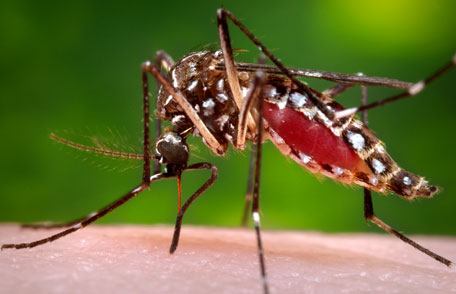
When a mosquito bites you, you are the __________ and the mosquito is the ____________.
a)
host, hostess
b)
parasite, host
c)
host, parasite
d)
prey, predator
9.

The rabbit in this food web would be considered a:
a)
Decomposer
b)
Producer
c)
Secondary Consumer
d)
Primary Consumer
10.
What does a Secondary Consumer eat?
a)
Tertiary Consumers
b)
Primary Consumers
c)
Producers
d)
Secondary Consumers
11.

What level of organization can be observed in the image?
a)
Species
b)
Population
c)
Community
d)
Ecosystem
12.
Which level of ecological organization is composed of many similar ecosystems with the same climate and geographic locations?
a)
A community
b)
A population
c)
A biome
d)
A biosphere
13.
Which is an example of an abiotic factor?
a)
Grass
b)
Trees
c)
Rain
d)
Birds
14.

What are the biotic factors in this image?
a)
sunlight, elephants, and grasses
b)
sunlight, water, and air
c)
elephants, plants, trees
15.

What are the abiotic factors in this image?
a)
water, sunlight, dirt, air
b)
birds and plants
c)
water, plants, and birds
16.

Which is in the correct order for primary succession?
a)
bare rock-->lichen/moss-->grass-->shrubs-->trees
b)
lichen/moss-->bare rock--->grass--->trees-->shrubs
c)
bare rock--->grass-->lichen/moss-->shrubs-->trees
d)
lichen/moss--->grass-->shrubs-->trees-->bare rock
17.
What type of even could have caused a secondary succession?
a)
forest fire
b)
glacier receding
c)
volcano
d)
underwater volcano forming a new island
18.
What type of relationship is described below?
Mistletoe extracts water and nutrients from the oak tree, causing harm to the oak tree. What type of relationship do mistletoe and the oak tree have?
Mistletoe extracts water and nutrients from the oak tree, causing harm to the oak tree. What type of relationship do mistletoe and the oak tree have?
a)
parasitism
b)
mutualism
c)
commensalism
d)
competition
19.
What type of relationship is described below?
A lucky alligator spots a deer drinking water, attacks the deer, kills it, and eats it for food. What type of relationship do the alligator and deer have?
A lucky alligator spots a deer drinking water, attacks the deer, kills it, and eats it for food. What type of relationship do the alligator and deer have?
a)
predation
b)
mutualism
c)
commensalism
d)
competition
20.
Secondary succession---
a)
starts out with soil and is faster than primary
b)
starts out with soil and is slower than primary
c)
does not start out with soil and is faster than primary
d)
does not start out with soil and is slower than primary
21.
A group of deer is a...
a)
population
b)
organism
c)
community
d)
ecosystem
22.
A group of deer, chipmunks, otters, and insects is a...
a)
population
b)
organism
c)
community
d)
ecosystem
23.
A group of deer, chipmunks, otters, and insects and their non-living surroundings is a(n)...
a)
population
b)
organism
c)
community
d)
ecosystem
24.
All of the deserts around the world can be considered one...
a)
biosphere
b)
biome
c)
community
d)
ecosystem
25.

What is the carrying capacity of the population according to this graph?
a)
21 days
b)
2,000
c)
2,500
d)
9 days
26.
What is the carrying capacity ?
a)
the maximum number of individuals an environment can support
b)
how much energy it takes to support a population
c)
the amount of time it takes to reach the maximum number of individuals in a population
d)
how many individuals can be carried by others
27.
Autotrophs make up the _______ level in all ecosystems.
a)
First
b)
Second
c)
Third
d)
Fourth
28.
What is the original source of almost all energy in most ecosystems?
a)
carbohydrates
b)
sunlight
c)
water
d)
carbon
29.
An organism that produces its own food supply from inorganic compounds is called a(an)
a)
heterotroph
b)
consumer
c)
detritivore
d)
autotroph
30.

What does a food web represent?
a)
All connections of energy flow throughout all organisms in a habitat.
b)
The specific ways that mutualism is carried out.
c)
A single pathway or energy flow between organisms.
d)
How carnivores get their food.
31.

The image provided is an example of a(n):
a)
Carnivore
b)
Herbivore
c)
Producer
d)
Autotroph
32.

The image provided is an example of a(n):
a)
Producer
b)
Autotroph
c)
Consumer
d)
Insect
33.
The amount of energy that usually transfers from one trophic level to the next...
a)
10%
b)
20%
c)
80%
d)
50%
34.
Which of the following would be the definition of a detritivore?
a)
Animals that eat insects.
b)
Organisms that feed on rocks, recycling the nutrients back into the ground.
c)
Organisms that eat only pants
d)
Things that feed on dead organisms, recycling the nutrients back into the ground.
35.
The nonliving aspects of an ecosystem.
a)
Abiotic factors
b)
Biotic factors
36.
The living portions of the ecosystem.
a)
Biotic factors
b)
Abiotic factors
37.
A collection of organisms that belong to different populations but all live in the same area and interact with one another.
a)
Population
b)
Ecosystem
c)
Community
d)
Ecosphere
38.
A place where an organism lives.
a)
Terrain
b)
Habitat
c)
Community
d)
Population
39.
A graphic illustration that shows each trophic level and the amount of useable energy contained within.
a)
Food chain
b)
Food web
c)
Energy Pyramid
d)
All of these
40.
Which of the following is an example of a density-dependent factor?
a)
Parasitism
b)
weather changes
c)
natural disaster
d)
clear cutting
41.

In the energy pyramid here, how much of the energy in each level gets lost as heat or used by the organism for survival?
a)
80%
b)
90%
c)
10%
d)
20%
42.

In a forest ecosystem, which of the following is the best example of a limiting factor for a rabbit population?
a)
Squirrel Population
b)
Sunlight
c)
Grass available
43.

If the carrying capacity of a predator decreases, what will happen to the carrying capacity of the prey?
a)
Will Increase
b)
Will Decrease
c)
Will stay the same
d)
Will fluctuate
44.
organisms that break down material
a)
producers
b)
consumers
c)
decomposers
d)
predators
45.
A relationship between organisms.
a)
Symbiosis
b)
Competition
c)
Predation
46.
Anything that would keep a population from growing larger.
a)
Symbiosis
b)
Limiting Factors
c)
Carrying capacity
47.
Which of the following is NOT a limiting factor?
a)
Increase in predators
b)
Food shortage
c)
Natural Disasters
d)
Symbiosis
48.
The unique ways an organism survives, obtains food and shelter, and avoids danger is known as _________.
a)
habitat
b)
carrying capacity
c)
biotic potential
d)
niche
49.
Deer are herbivores.
a)
habitat
b)
niche
50.
Wolves hunt in pack for a more successful hunt.
a)
Habitat
b)
Niche
51.
Which of the following is an example of a density-independent factor
a)
parasitism
b)
predation
c)
competition
d)
Natural disaster
52.

What term identifies the role an animal fills including how it lives, what abiotic factors it needs, how it reproduces, what it eats, and how it obtains food in an ecosystem?
a)
territory
b)
niche
c)
habitat
d)
species
53.
___ states that two species cannot exist together if they compete for the same resources. One will either die out or migrate, or they will adapt to separate resources.
a)
Hardy-Weinberg Principle
b)
Limiting Nutrient Principle
c)
Competitive Exclusion Principle
d)
Tolerance Principle
54.
This biome is found around the equator and is home to a large amount of biodiversity.
a)
Deserts
b)
Tropical Rain Forests
c)
Savannas
d)
Chaparral
55.
Which major biome is home to cacti, mesquite, white torn, pack rats, small reptiles, and coyotes?
a)
Desert
b)
Taiga
c)
Tundra
d)
Grassland
56.
This occurs in the higher latitudes such as northern America or Russia. It has very cold winters and cool summers with moderate to low precipitation, mostly evergreen trees and a variety of animals in the summer. Which biome is this?
a)
Grasslands
b)
Taiga
c)
Tundra
d)
Desert
57.
Which of the following is not a method used by ecologist to study the environment?
a)
Obervation
b)
Experimentation
c)
Modeling
d)
All are used.
58.
An organism that does not require light to make their own food is a ___________.
a)
chemotroph
b)
autotroph
c)
plant
d)
algae
100 %

