wayground logo

Free Printable Worksheets

NEW

Font size

S
M
L
XL
Worksheets

TCAP Review

Total questions: 79

Worksheet time: 26mins
Name
Class
Date
1.
Energy of motion is which type of energy?
a)
Potential
b)
Kinetic
c)
Sound
d)
Gravitational
2.
What kind of energy is represented in the picture?
a)
Thermal
b)
Chemical
c)
Sound
d)
Nuclear
3.

A cooking smoker, used to cook meats, works by allowing the warm air filled with smoke to rise to the meat, while the cooler air sinks closer to the fire. What type of heat transfer is responsible for smoking the meat?

a)

Electrical

b)

Radiation

c)

Convection

d)

Conduction

4.
Geothermal energy is energy from 
a)
the sun
b)
heat from deep in the earth
c)
wind
d)
inexhaustable
5.
Wind energy is 
a)
generated from moving water
b)
starts with moving air and generates electricity
c)
starts with the sun
d)
comes from the earth
6.
The faster an object moves, the ________ kinetic energy it has. 
a)
more
b)
less
c)
none of the above
d)
all of the above 
7.
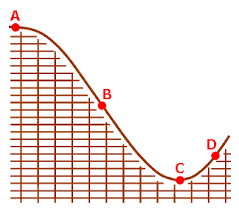
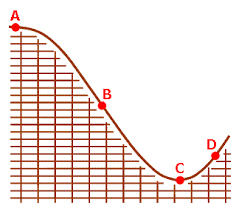
At which point(s) on the roller coaster is the gravitational potential energy at its maximum?
a)
A
b)
B
c)
C
d)
D
8.
At which point(s) on the roller coaster is the kinetic energy at its maximum?
a)
A
b)
B
c)
C
d)
D
9.
Is energy always conserved?
a)
Always
b)
Often
c)
Never
d)
Sometimes
10.
What type of energy is in this picture?
a)
Kinetic
b)
Potential
c)
Chemical
d)
Sound
11.
Work is:
a)
A transfer of energy by a force to move and object
b)
Something you get paid for
c)
Something you take home
d)
Makes you sweat
12.
On a roller coaster, where is maximum potential energy?
a)
At the bottom of a big hill
b)
When going around a corner
c)
When going upside down
d)
At the top of a big hill
13.
What does friction produce?
a)
light
b)
sound
c)
heat
d)
gravity
14.
On which surface will a toy car travel the furthest?
a)
Carpet
b)
Polished Wood
c)
Ice
15.
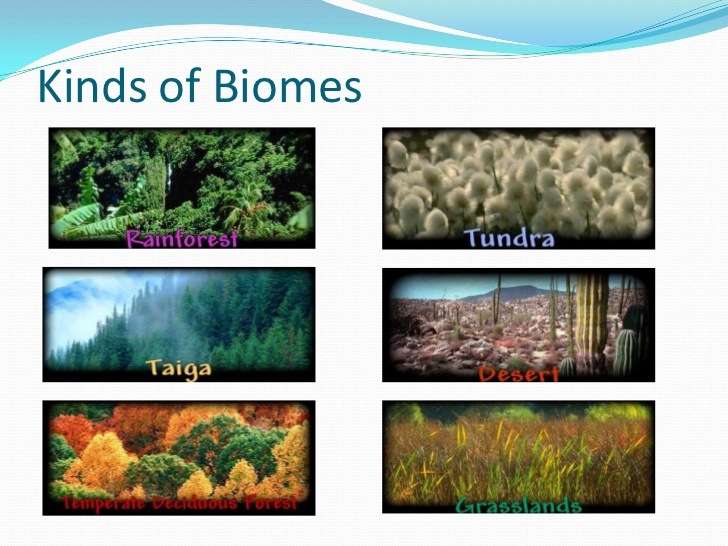
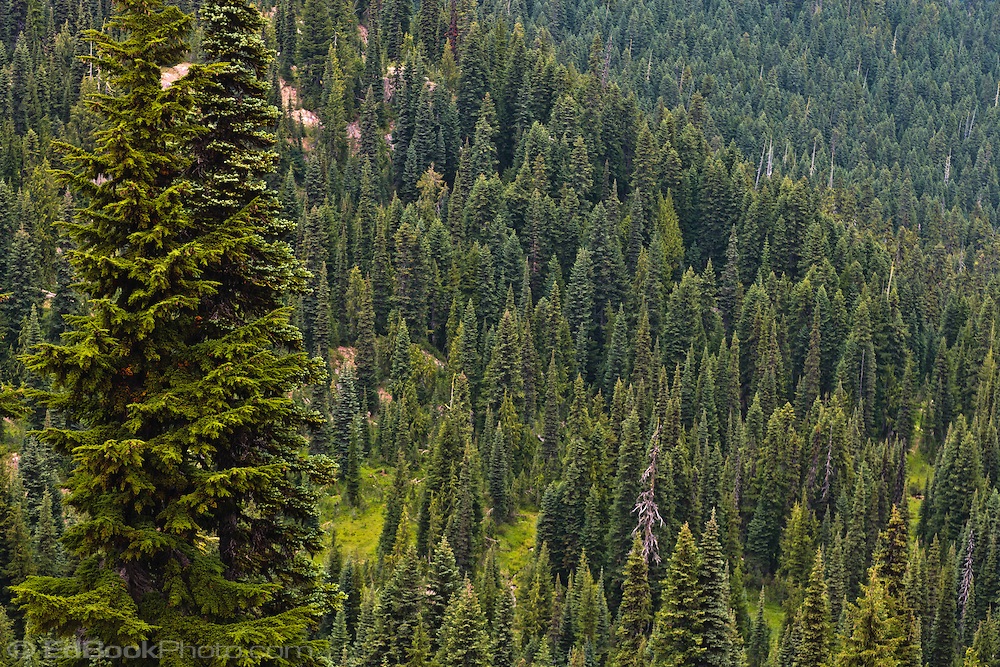
What is this biome?
a)
Arctic Tundra
b)
Desert
16.
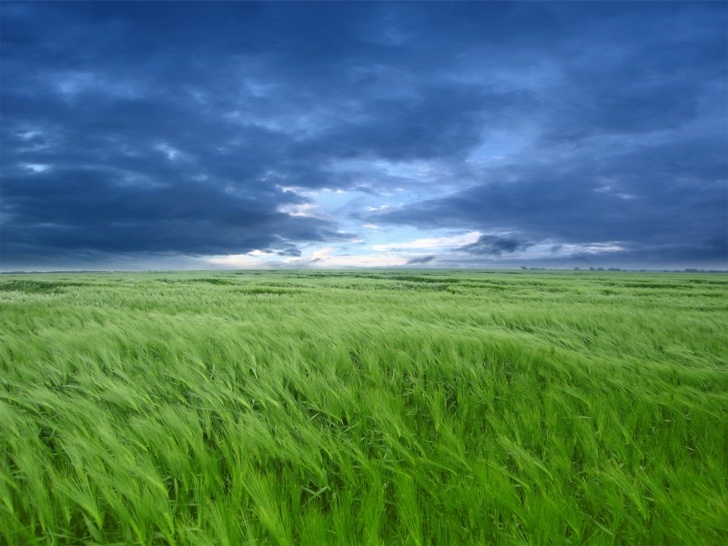
What is this biome?
a)
Grassland
b)
Desert
17.
What is this biome?
a)
Desert
b)
Arctic Tundra
18.
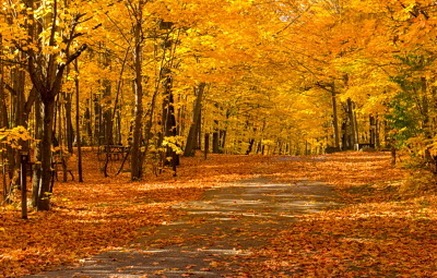
What is this biome?
a)
Deciduous Forest
b)
Tropical Rainforest
19.
What is the main factor that separates the biomes?
a)
Land
b)
Water
c)
Climate
d)
Longitude
20.
Which biome has deciduous trees (which lose their leaves)?
a)
Temperate Forest
b)
Rainforest
c)
Grasslands
d)
Taiga
21.
Which biome has coniferous trees (which don't lose their leaves)?
a)
Taiga
b)
Temperate Forest
c)
Tundra
d)
Grasslands
22.
Which biome has wide-open fields of grass?
a)
Taiga
b)
Grasslands
c)
Temperate Forest
d)
Rainforest
23.
In which 2 biomes can only plants/animals with adaptations survive?
a)
Taiga/Temperate Forest
b)
Grasslands/Desert
c)
Tundra/Desert
d)
Rainforest/Tundra
24.
What living things make their own energy?
a)
Consumers
b)
Producers
c)
Decomposer
d)
Carnivores
25.
The following list of things are producers.
a)
Bat, lion, and dog.
b)
Wal-Mart, Toys-R-Us, and Game Stop.
c)
Cashier, Salesman, and waiter
d)
Tree, grass, and flowers.
26.
A __________________ is a type of animal that hunts other animals to eat. 
a)
prey
b)
herbivore
c)
predator
d)
producer
27.
A food chain is?
a)
Overlapping food chains in an ecosystem.
b)
The amount of energy that moves from one feeding level to another in a food web.
c)
A series of events in which one organism eats another and obtains energy.
d)
biotic and abiotic factors in an area.
28.
A consumer gets energy by doing what?
a)
Making it themselves.
b)
Breaking down biotic wastes and dead organisms and returning raw materials to the ecosystem.
c)
Soaking it up from the ground.
d)
Feeding on other organisms.
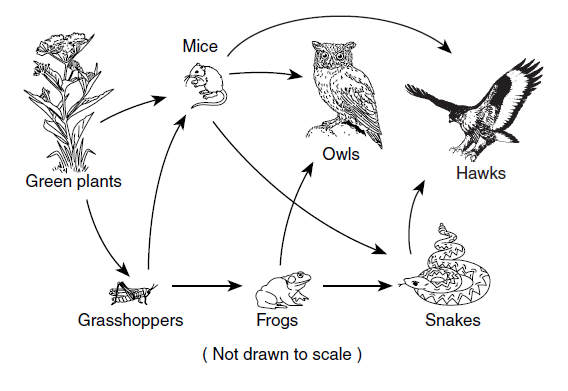
29.

Which group of organisms is missing from the food web above?

a)

Carnivore

b)

Herbivore

c)

Omnivore

d)

Decomposer

30.
Which of the following is an example of a biotic factor in an ecosystem?
a)
sunlight
b)
stream
c)
rock
d)
tree
31.
Most producers get energy from the Sun using the process of
a)
cellular respiration
b)
chemosynthesis
c)
photosynthesis
d)
consumption
32.
Food webs are models that show
a)
one sequence of producers and consumers.
b)
networks of feeding relationships
c)
stored energy in food chains
d)
a.  only primary consumers in an ecosystem
33.
The water cycle, in which water moves from the atmosphere, to the surface, below ground, and back, is also called the
a)
Carbon Cycle
b)
Hydrologic Cycle
c)
Biogeochemical Cycle
d)
Atom Cycle
34.
Which of the following is NOT an alternative energy source?
a)
fossil fuels
b)
geothermal
c)
hydroelectric
d)
wind 
35.
Biofuel is...
a)
 Energy that comes from harnessing the movement of the air
b)
Energy that comes from the Sun
c)
A source of non- renewable energy
d)
Fuel from plant material
36.
One problem with ____ energy is that it produces radioactive waste. 
a)
nuclear
b)
solar
c)
tidal
d)
geothermal
37.
Oil, natural gas and coal are called ________resources because they are not easy to replace.
a)
fossil fuels
b)
cheap
c)
natural resources
d)
nonrenewable
38.
Why are fossil fuels more widely used than solar energy?
a)
Solar energy is harder to find
b)
Fossil fuels are much cheaper
c)
Fossil fuels are more abundant
d)
The sun's energy can never be harnessed
39.
Geothermal energy uses heat energy from under the earth’s surface to heat buildings and also to generate –
a)
building materials
b)
solar power
c)
fossil fuels
d)
electric energy
40.

A student is preparing a presentation about alternative energy resources and recorded the information below.

Which alternative energy source does this information describe?

a)

Hydroelectricity

b)

Solar energy

c)

Biofuels

d)

Wind

41.
Which of the following is NOT an alternative energy source?
a)
fossil fuels
b)
geothermal energy
c)
hydroelectric energy
d)
wind energy
42.

What is one of the biggest disadvantages to wind turbines?

a)

They're big

b)

They can interfere with bird migration

c)

They're expensive

d)

It takes a long time to put one up and then maintain it

43.
Which type of alternative energy source is shown in this picture?
a)
Wind
b)
Solar
c)
Hydroelectric
d)
Geothermal
44.
The faster an object moves, the ________ kinetic energy it has. 
a)
more
b)
less
c)
none of the above
d)
all of the above 
45.
__________ is stored energy. 
a)
Potential
b)
Kinetic
c)
None of the above 
d)
All of the above 
46.
Gravitational potential energy depends on the ________ and ________ of the object. 
a)
Height and mass
b)
Friction and movement
c)
Mass and Movement
d)
Height and Friction 
47.
Elastic potential energy is energy stored in object that are compressed or __________. 
a)
movement
b)
stored
c)
harnessed
d)
pulled 
48.
Can energy be destroyed?
a)
no
b)
yes
49.
Energy stored by things that stretch
a)
Kinetic Energy
b)
Gravitational Potential Energy
Energy
c)
Chemical Potential Energy
d)
Elastic Potential Energy
50.
What remains the same regardless of your location?
a)
mass
b)
weight
c)
attitude
d)
memory
51.
What does the food represent?
a)
chemical energy
b)
kinetic energy
c)
heat energy
d)
potential energy
52.
Which SI unit is used to measure energy?
a)
Joules
b)
Meters
c)
Weight
d)
Mass
53.
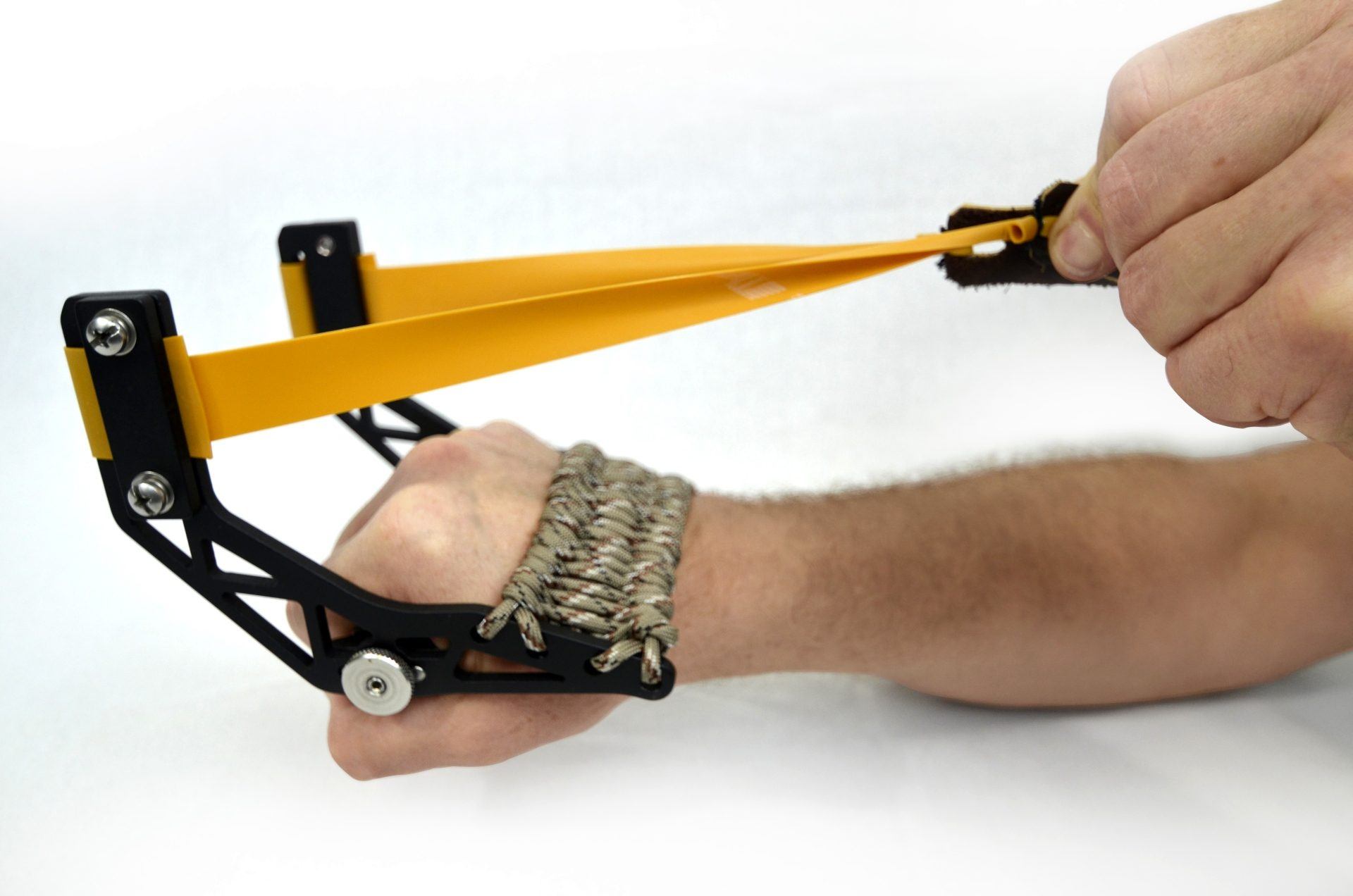
At which point does the slinsghot have the greatest Elastic Potential Energy?
a)
1
b)
2
c)
3
d)
4
54.
What are the yearly conditions of temperature, precipitation and humidity?
a)
weather
b)
climate
55.
What imaginary line divides our world into the northern and southern hemispheres?
a)
equator
b)
international date line
56.
Which climate zone gets the least amount of direct sunlight and is the coldest?
a)
tropical
b)
temperate
c)
polar
57.
Which climate zone gets the most amount of direct sunlight and rainfall and is the warmest?
a)
tropical
b)
temperate
c)
polar
58.
What part of the water cycle includes rain, sleet and snow?
a)
condensation
b)
precipitation
59.
Which factor does not affect climate?
a)
longitude
b)
distance from large bodies of water
c)
latitude
d)
altitude
60.
What are the daily conditions of temperature, humidity and precipitation?
a)
weather
b)
climate
61.
In an ocean, warm water moves __________ and cold water moves ____________.
a)
Down, Up
b)
Up, Down
62.
What causes wind?
a)
movement of high pressure to low pressure
b)
movement of low pressure to high pressure
63.
During convection, more dense currents _________ and less dense currents _________.
a)
sink, rise
b)
rise, sink
64.
Any form of water that falls to Earth's surface from the clouds is called what?
a)
Evaporation
b)
Condensation
c)
Precipitation
d)
Sublimation
65.
The curving path of a moving object from an otherwise straight path due to Earth's rotation is called what?
a)
Sublimation
b)
Continental Deflection
c)
Transpiration
d)
Coriolis Effect
66.
What describes why the Earth's surface currents flow in a circular pattern?
a)
Gyres
b)
Coriolis Effect
c)
Sublimation
d)
Condensation
67.
The Corilois effect causes winds to curve that way because Earth rotates from __________________.
a)
right to left
b)
left to right
68.
What is the definition of CONVECTION
a)
When heat transfers through waves.
b)
When heat transfers from objects that are touching.
c)
a  hot liquid or air that  expands, becomes less dense, and rises or becomes more dense, and sinks.
d)
Heat traveling from the sun
69.
What is the definition of CONDUCTION?
a)
When heat is transferred from objects like rays of light or electromagnetically.
b)
a  hot liquid or air that  expands, becomes less dense, and rises or becomes more dense, and sinks.
c)
When heat transfers from objects that are touching.
d)
When heat transfers through the heater or AC in your house.
70.

Which of the following is an example of convection?

a)

A hair dryer is drying up your hair.

b)

When the AC or heater changes the temperature.

c)

When a car engine turns hot after being turned on.

d)

When you are making soup and the water is rising and lowering.
71.
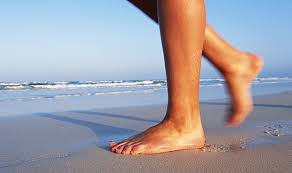
Walking on the warm sand sand with your bare feet demonstrates this type of heat transfer. 
a)
conduction
b)
convection
c)
radiation
72.
A group of friends gather around a fire to stay warm.
a)
conduction
b)
convection
c)
radiation
73.

You get sunburned due to __________ from the sun.

a)

conduction

b)

convection

c)

radiation

74.
As a population grows, it will most likely stop growing at what size?
a)
Growth limit
b)
Exponential limit
c)
Carrying Capacity
d)
It won't stop growing
75.
The carrying capacity of an environment for a particular species at a particular time is determined by the
a)
number of individuals in the species.
b)
distribution of the population.
c)
reproductive potential of the species.
d)
supply of the most limited resources
76.
A population is...
a)
A group of one species in one area
b)
Multiple species that live in one area
c)
All of the living and nonliving things in an area
d)
None of these
77.
What is the carrying capacity of the following graph?
a)
1000
b)
8000
c)
800
d)
600
78.

As a population of a species increases within a territory, which of the following most likely also increases?

a)

Immigration

b)

Food supply

c)

Carrying capacity

d)

Competition

79.
What factor describes when populations increase because animals are moving into a population?
a)
Emigration
b)
Limiting Factors
c)
Immigration
d)
Exponential Growth