wayground logo

Free Printable Worksheets

NEW

Font size

S
M
L
XL
Worksheets

Plant Life Cycles

Total questions: 74

Worksheet time: 43mins

Name
Class
Date
1.
______ is the part that grows into a new plant.
a)
seed
b)
pollen
c)
leaf
2.
A sticky yellow powder inside a flower is ________.
a)
leaves
b)
flower
c)
pollen
3.
A seed sprouts into a young plant called a ________.
a)
seedling
b)
tree
c)
leaf
4.
The ______ holds the plant in place.
a)
stem
b)
seed
c)
roots
5.
_______ is the part of the plant that can make seeds.
a)
stem
b)
seed
c)
roots
6.
The _______ of a plant use sunlight to make food.
a)
leaves
b)
stem
c)
seedling
7.
The _____ is the part of the plant where leaves grow.
a)
leaves
b)
stem
c)
roots
8.
The stage of a plant from the seed to plant is called the ______.
a)
sunlight
b)
energy
c)
life cycle
9.
______ can move pollen from one flower to another flower.
a)
fruit
b)
leaves
c)
bees
10.
We can tell plants are alive because ____.
a)
we can smell the flowers
b)
we can eat the fruit
c)
we see them grow and change
11.
People need plants because the plants _____.
a)
make water
b)
use sunlight
c)
make oxygen
12.

What is a seed coat?

a)

a plant

b)

the outer protective layer of a seed

c)

a cute little jacket the seed wears to stay warm

d)

None of these

13.

What does it mean to germinate?

a)

to begin to grow or sprout

b)

to cough on people

c)

A flower that is not opened up or fully grown

d)

None of the above

14.

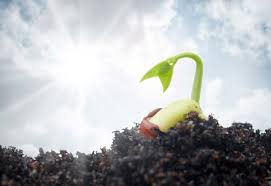
What stage of the plant life cycle is shown in the picture?

a)

A sprout

b)

A bud

c)

embryo

d)

seed coat

15.

What is an embryo?

a)

to begin to grow or sprout

b)

a tiny new plant inside a seed

c)

a full grown plant

d)

a flowering plant

16.

A seedling is . . .

a)

the outer protective layer of a seed

b)

to begin to grow or sprout

c)

a seed whose shoot has reached about the ground

d)

none of these

17.

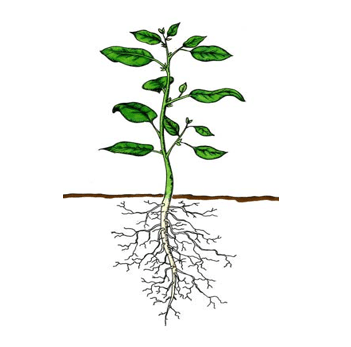
What stage of the plant life cycle is shown?

a)

Full grown, mature plant

b)

a bud

c)

a seed

d)

a sprout

18.
In order to grow plants need?
a)
water,sunlight and soil
b)
water,food and sun
c)
sun,a basket, soil
19.
All fruits have seeds.
a)
True
b)
False
20.
What are 2 things seeds need to grow?
a)
Sunlight, water, and food
b)
Water and Warmth
c)
Soda and water
d)
Sunlight and Nutrients
21.
What is the most common way seeds move?
a)
cars and boats
b)
humans and trains
c)
wind and animals
d)
bikes and scooters
22.
Where do you find a seed in a pine tree?
a)
Seed
b)
Fruit
c)
Flower
d)
Cone
23.
Where do you find the seed in a flowering plant?
a)
seed
b)
fruit
c)
flower
d)
cone
24.

A ___________ is the plant part where fruit and seeds form.

a)

flower

b)

roots

c)

stem

25.

A ________________ is the part of a flower that is around a seed.

a)

fruit

b)

leaves

c)

cone

26.

A _________________ is the part from which a new plant grows.

a)

seed

b)

cone

c)

fruit

27.

The series of changes that a living thing goes through as it grows is its _________________.

a)

life cycle

b)

environment

c)

population

28.

A _________________ is the part where seeds form in plants without flowers.

a)

cone

b)

flower

c)

fruit

29.

All living things __________________, or have passed on to them, traits from their parents.

a)

inherit

b)

life cycle

c)

gravity

30.

An _______________ is all the living and nonliving things around a living thing.

a)

environment

b)

population

c)

inherit

31.

A _______________ is a group of the same kind of living thing in one place.

a)

population

b)

gravity

c)

life cycle

32.

___________________ is a force that pulls all objects toward each other.

a)

gravity

b)

environment

c)

population

33.

The roots of a plant grow down toward the pull of

a)

gravity

b)

light

c)

soil

34.

Which animal could be part of this population?

a)
b)
c)
35.

Which is the correct order of the life cycle of a plant?

a)

seedling, seeds, adult

b)

seeds, seedling, adult

c)

adult, seedlings, seed

36.

This frog is in what stage of its life cycle?

a)

egg

b)

tadpole

c)

adult

37.

Where do seeds form?

a)

inside roots

b)

inside flowers

c)

inside leaves

38.

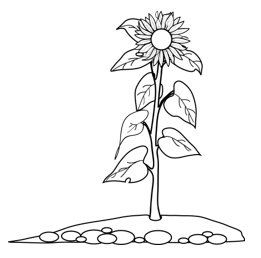
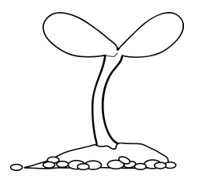
The pictures show the life cycle of a plant. What stage shows the adult plant?
a)
b)
c)
39.

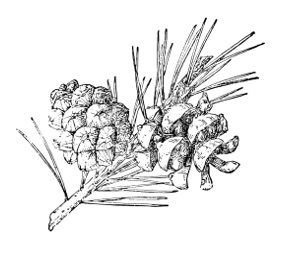
Where do seeds form in a plant without flowers?
a)
b)
c)
40.

Plants in a population go through _________________ stages in a life cycle.

a)

more

b)

the same

c)

different

41.

What caused the tree to lose its leaves?

a)

Temperature got cooler

b)

Sunlight got brighter

c)

Soil got thicker

42.

Very cold weather

a)

helps plants to grow.

b)

can damage plants.

c)

makes more fruit.

43.

What would you find if you cut open a fruit?

a)

seeds

b)

flowers

c)

leaves

44.
True or false, plants are living things?
a)
False
b)
True
45.
What is the first stage in a plant's life?
a)
germination
b)
seed
c)
young adult
d)
seedling
46.
How is a seedling different from an adult plant?
a)
a seedling does not have flowers or fruit
b)
a seedling does not have a root
c)
a seedling does not have a stem
d)
a seedling does not need sunlight to grow
47.

Roots grow...

a)

up towards the sunlight

b)

down into the soil

48.

Stems grow...

a)

up towards sunlight

b)

down into the soil

49.

The plant life cycle starts over when seeds from a plant end up in soil.

a)

False

b)

True

50.

Flowers are grown in what stage?

a)

seedling stage

b)

young adult stage

c)

shoot stage

d)

adult stage

51.
What do seedlings produce?
a)
Seedlings produce flowers.
b)
Seedlings are not a part of a plant's life cycle.
c)
Seedling produce seeds.
d)
Seedlings produce the parts of the plant that will be needed for the mature plant to survive.
52.
In which stage of a plant's life cycle is there a tiny undeveloped plant with enough food to start to grow.
a)
Seedling stage
b)
Mature Plant stage
c)
Plant stage
d)
Seed  stage
53.
What is the purpose of plants' roots?
a)
Roots are underground.
b)
Roots run through the ground.
c)
Roots take in water and nutrients from the soil and holds the plants in place.
d)
Roots do not have a purpose.
54.
Seeds can begin to grow without soil. 
a)
True
b)
False
55.
What are the two groups scientist classify plants into?
a)
flowering and flowering 
b)
flowering and nonflowering
c)
nonflowering and nonflowering
d)
flowers and trees
56.
If a plant is a flowering plant, what must it produce?
a)
a seed within a flower
b)
a cone
c)
spores
57.
What is an example of a flowering plant?
a)
Bean plant
b)
pine tree
c)
moss
d)
cedar tree
58.
Plants______capable of making their own food. Pick which choice to answer the question.
a)
are
b)
are not
59.
A nonflowering plant is a plant that...
a)
produces a flower 
b)
produces a fruit
c)
makes a seed in a cone
d)
makes a seed in a flower
60.
Which is NOT an example of a nonflowering plant?
a)
pine tree
b)
cedar tree
c)
oak tree
d)
spruce tree
61.
Which is an example of a nonflowering plant?
a)
grass
b)
tomato plant
c)
oak tree
d)
moss
62.
Mature plants are similar to seedlings. (They both have roots, leaves, and stems.)
a)
True 
b)
False
63.
What do seeds need to germinate?
a)
water and warmth 
b)
air and warmth
c)
water and air
d)
water only 
64.
What does germinate mean?
a)
begin to grow
b)
under developed
c)
survive
d)
live
65.
What is the order of a plant's life cycle?
a)
seedling, seed, mature plant
b)
mature plant, seedling, seed
c)
seed, seedling, mature plant
d)
seed, mature plant, seedling
66.
Which way does a seedling grow?
a)
towards the light
b)
away from the light
c)
in the ground
d)
to the left or right
67.
What begins to grow in the seedling stage?
a)
leaves
b)
stem
c)
roots
d)
flower
68.
What does a mature plant produce?
a)
seeds to reproduce
b)
leaves, stem, roots
c)
roots only
d)
more leaves
69.
What are the first sprouts called?
a)
sprouts
b)
seedlings
c)
mature plant
d)
flower
70.
Plants have a unique pattern of growth and development. What is this called?
a)
life
b)
a cycle
c)
life cycle
d)
nothing
71.
Seedlings can reproduce using flowers or cones.
a)
True
b)
False
72.
What would you find inside of a seed?
a)
undeveloped plants
b)
leaves
c)
nothing
d)
dirt
73.
Seedlings are needed so that the plant will _______ in its environment as an adult plant.
a)
survive
b)
die
74.
Mature plants reproduce by
a)
flowers
b)
flowers and cones
c)
cones
d)
flowers, cones and leaves