
 Worksheets
Space Science Review
Total questions: 71
Worksheet time: 1hrs 19mins
Which is the correct order of the moon phases? Remember, "DOC"
New Moon, First quarter, Full Moon, Third Quarter, New Moon
Full Moon, First quarter, New Moon, Third Quarter
Full Moon, New Moon, First quarter, Full Moon, Third Quarter, New Moon
New Moon, Full Moon, First quarter, Full Moon, Third Quarter, New Moon
What does Earth ROTATE (spin) on?
How does Earth have day or night?
Magic
The earth's rotation on it's axis, causing one side to face the sun, and the other to face away.
By the moon creating night and the sun creating day.
True or False: One day on Earth is caused by one orbit around the sun.
True or False: One day on Earth is caused by one ROTATION the Earth's Axis.
True
False

The Day and Night Cycle is caused by...
Orbit of the Earth
Rotation of the Earth
Orbit of the Sun
Rotation of the Sun

On Earth, the seasons are caused by...
The change in distance between the Earth and Sun
The tilt of the Earth's axis and its orbit around the Sun
The tilt of the Earth's axis and its rotation around the Sun
The tilt of the Earth's axis and the Moon's orbit around the Earth

The Moon orbits around Earth once every...
29.5 hours
29.5 days
29.5 weeks
29.5 months

A ____________ moon is one that is completely lighted.
new
crescent
gibbous
full

The length of shadows grows in the ______________ and decreases in the _______________.
afternoon / morning
morning / afternoon
morning / evening
evening / afternoon

As the Earth rotates and the sun appears to move across the sky, shadows move from ___________ to __________.
north / south
south / north
east / west
west / east
As the Earth rotates, the sun appears to move across the sky from ___________ to __________.
north / south
south / north
east / west
west / east

In the morning, shadows point...
northerly
easterly
southerly
westerly
In the afternoon, shadows point...
northerly
easterly
southerly
westerly

When the North Pole points away from the sun, the season is _________________ in the northern hemisphere
winter
spring
summer
autumn
When the North Pole points away from the sun, the season is _________________ in the southern hemisphere
winter
spring
summer
autumn

All of the following are similarities between the Earth and Moon except...
rocky surface
craters
rotation and orbit
atmosphere
How long does the Earth take to complete one orbit around the sun?
1 day
27.322 days
365.27 days
30 days
What is an orbit when talking about Earth?
One Earth day
One day and night cycle
One trip around the Sun
One full season

What is the first phase of the Moon?
Waxing Crescent Moon
Full Moon
Waning Gibbous Moon
New Moon
What two gases fuel the Sun?
Lithium and Helium
Hydrogen and Nitrogen
Hydrogen and Helium
Hydrogen and Oxygen
What holds the Moon in orbit?
The tides
Orbit
Gravity
Dark matter

The Moon is a _________________of Earth
Planet
Comet
Star
Satellite
The brightest phase of the Moon is:
New Moon
Full Moon
Waxing crescent Moon
Waning gibbous Moon
What is located at the center of the solar system?
Earth
the sun
the moon
Mars

Which of the following groups are all terrestrial (rocky) planets?
Venus, Mars, Mercury
Mars, Venus, Saturn
Jupiter, Mars, Neptune
Mercury, Saturn, Jupiter

Which of the following groups of planets are all gas giants?
Neptune, Saturn, Jupiter
Venus, Mars, Saturn
Mars, Venus, Mercury
Mars, Jupiter, Neptune
The formation of our solar system was driven mostly by what force?
Gravity
Magnetism
Fusion
Which of the following planets are INNER PLANETS?
Earth, Jupiter, Saturn, and Mars
Jupiter, Saturn, Neptune, and Uranus
Pluto, Mercury, the Asteroid Belt, and the sun
Mercury, Venus, Earth, and Mars
What separates the inner planets from the outer planets?
the asteroid belt
a meteor shower
comets
the MIlky Way
Why does the sun appear to be the brightest star when viewed from Earth?
It is closer.
It is the hottest star.
It is the largest star.
All of the above
How long does it take the Earth to complete one full ROTATION on its axis?
365 1/4 days
24 hours
7 days
3 months
How does the Earth's tilt affect our planet?
It gives us day and night.
It causes the moon's phases.
It causes the ocean's tides to rise.
It gives us seasons.
What causes moon phases to occur?
the moon's orbit around the Earth
the Earth's rotation
the man in the moon
If Tommy observes a full moon as he looks out the window, what can he expect to see in about one month when he looks out the window again?
New moon
Crescent moon
Full moon
gibbous moon
Which planets are the outer planets?
Earth, Mars, Venus, and Mercury
Pluto, Uranus, and Neptune
planets and the asteroid belt
Jupiter, Saturn, Uranus, and Neptune

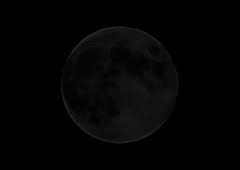
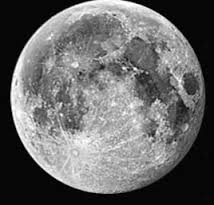
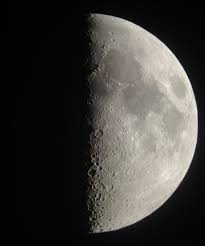

Name the phase of the moon for letter e


Orbit gives us:
If you want to watch the sun set you should face which way?
North
South
East
West
What is the second planet from the sun?
Venus
Earth
Jupiter
Mars
What is the fifth planet from the sun?
Earth
Mercury
Jupiter
Mars
What is the sixth planet from the sun?
Saturn
Mercury
Jupiter
Mars
The _____________ is the closest star to the Earth.
North Star
moon
Sun
blue star

