wayground logo

Free Printable Worksheets

NEW

Font size

S
M
L
XL
Worksheets

Fish and Amphibian Review

Total questions: 53

Worksheet time: 33mins

Name
Class
Date
1.

Most fish have what covering their bodies

a)

Scales

b)

Gills

c)

Skin

d)

Feathers

2.

Fish breathe using

a)

gills

b)

lungs

c)

antennae

3.
The skeletons of sharks is made of...
a)
Bone
b)
Cartilage
4.
........ is not a type of fish.
a)
Ray
b)
Eel
c)
Seahorse
d)
Frog
5.
Fish with bodies of cartilage and scales.
a)
chondrichthyes
b)
osteichthyes
c)
agnatha
6.
BONY FISH
a)
CHONDRICHTHYES
b)
AGNATHA
c)
OSTEICHTHYES
7.
ANOTHER NAME FOR THE TAIL OF A FISH
a)
pectoral fin
b)
anal fin
c)
caudal fin
8.
Many aquatic vertebrates have a lateral line. The purpose is to 
a)
sense blood in the water
b)
detect pressure and vibrations
c)
keep it swimming in a straight line
9.
Claspers in sharks are used in the act of 
a)
mating
b)
swimming
c)
digestion
10.
What fin is showing on this shark?
a)
dorsal
b)
pectoral
c)
caudal
11.

The frog has a special "#3rd" eyelid called the

a)
nictitaing membrane
b)
lactating membrane
c)
ocular eyelid
12.

What's the point of fish having scales?

a)

To cover and protect the fish

b)

To fend off predators

c)

To help the fish breathe

d)

To help them swim

13.
Which of the following is not a major group of fish?
a)
cartilaginous
b)
jawless
c)
bony
d)
dolphin
14.
I lay my eggs in water.
a)
Fish 
b)
Amphibian
c)
Reptile
d)
Both Fish and Amphibians
15.
Fish take in oxygen through their ________.
a)
fins.
b)
gills.
c)
scales.
d)
vertebrae.
16.
The swim bladder of a fish is a sac filled with:
a)
Oil
b)
Gas
c)
Lactic acid
d)
Seminal fluid
17.
The flap of tissue covering a fish's gills:
a)
Operculum
b)
Caudal fin
c)
Dorsal fin
d)
Lateral line
18.
Which Phylum do the sharks, skates, rays and bony fish belong to?
a)
Agnatha
b)
Echinodiea
c)
Osteichthyes
d)
Chordate
19.
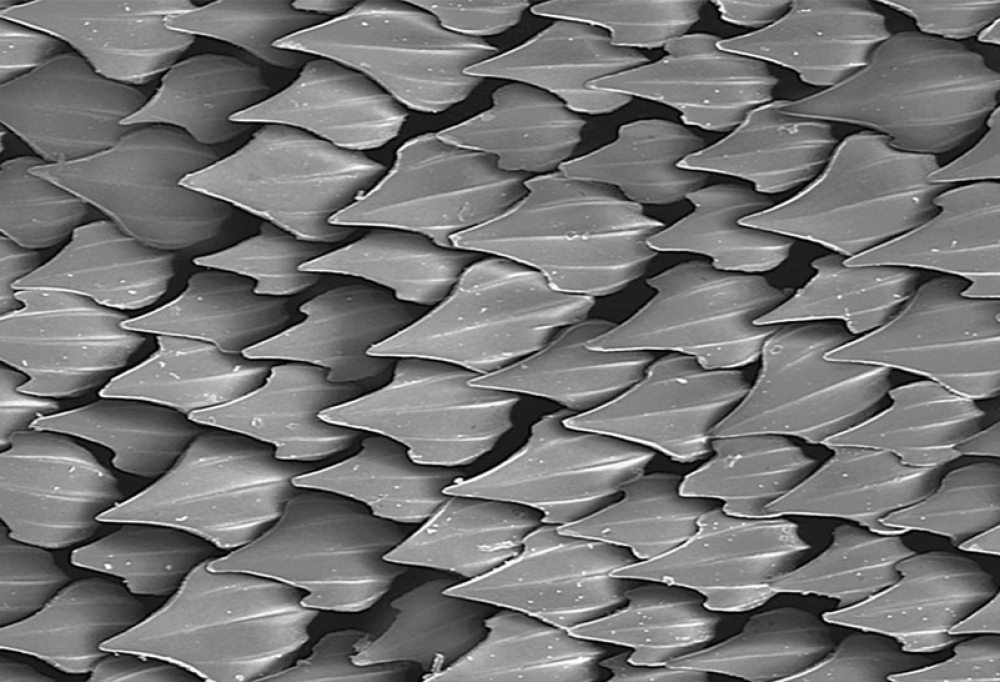
What kind of scales does a shark have?
a)
Placoid
b)
Ganoid
c)
Ctenoid
d)
Cycloid
20.
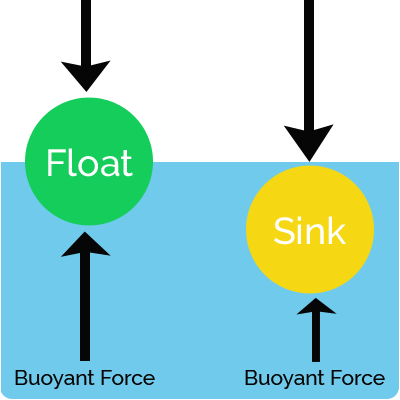
What is a shark's adaptation to maintain neutral buoyancy?
a)
Fluid in the ears
b)
 Gas filled bladder
c)
Large oily liver
d)
Nictitating membrane
21.
A scientist that studies fish is called this:
a)
Ostracodist
b)
Osteopelagic
c)
Ichthologist
d)
Anthropologist
22.
A fish's swim bladder regulates...
a)
speed
b)
breathing
c)
buoyancy
d)
ammonia excretion
23.
What are the two groups of jawed fish that exist today?
a)
Acanthodians and placoderms
b)
Acanthodians and Agnatha
c)
Osteichtyes and placoderms
d)
Chondrichthyes  and Osteichthyes
24.
The primary advantages of paired fins in fish is...
a)
speed
b)
camouflage
c)
buoyancy
d)
stability
25.

Do these characteristics describe a fish or a an amphibian: do not have claws, have mucus glands, breathe with both gills and lungs

a)

amphibians

b)

fish

26.

Which of the following is NOT a characteristic of an amphibian?

a)

live on land as adults

b)

they breathe with lungs as adults

c)

they have scales and claws

d)

they have mucus glands to keep them from drying out

27.

Where do amphibians live?

a)

water

b)

land

c)

both

28.

Where do the majority of amphibians live when they're born?

a)

land

b)

water

29.

Where do the majority of amphibians spend most of their time when adults?

a)

water

b)

land

30.

Legs begin to grow and lungs form during __________.

a)

Migration

b)

Hibernation

c)

Metamorphosis

d)

Pollination

31.

The word amphibian literally means ...

a)

Double Fin

b)

Double Life

c)

Triple Life

d)

Water gills

32.

Amphibians have a ____-chambered heart.

a)

1

b)

2

c)

3

d)

4

33.

A tadpole growing into an adult frog is an example of ...

a)

Complete Metamorphosis

b)

Molting

c)

Brooding

d)

Amphibian

34.

Which is not a group of amphibians?

a)

Frogs

b)

Salamanders

c)

Toads

d)

Lizards

35.

Salamanders can breathe through their skin.

a)

True

b)

False

36.

Adult frogs have legs adapted for ...

a)

Jumping

b)

Running

c)

Gliding

d)

Swimming

37.

This group of amphibians has rougher skin and shorter legs compared to a frog.

a)

Frogs

b)

Caecilians

c)

Salamanders

d)

Toads

38.
Where does FERTILIZATION happen for most amphibians?
a)
Internally
b)
Externally
39.
Which order do caecilians belong to?
a)
Anura
b)
Caudata
c)
Gymnophiona
40.

Which order do frogs and toads belong to?

a)
Anura
b)
Caudata
c)
Gymnophiona
41.

Which order do salamanders belong to?

a)
Anura
b)
Caudata
c)
Gymnophiona
42.
How do ADULT amphibians get oxygen?
a)
gills
b)
lungs & skin
43.
Another name for the windpipe is..
a)
Throat
b)
Glottis
c)
Trachea
d)
Mouth
44.
Name this organ...
a)
Lungs
b)
Heart
c)
Small intestine
d)
Large intestine
45.
Name this organ...
a)
kidneys
b)
lungs
c)
liver
d)
pancreas
46.
Name this organ...
a)
Heart
b)
Gall bladder
c)
Liver
d)
Lungs
47.

Name the structure that the arrow is pointing to...

a)

Fatty bodies

b)

liver

c)

small intestine

d)

pancreas

48.
Name this organ..
a)
Mouth
b)
Eardrum
c)
Tongue
d)
Teeth
49.
Name this organ..(looked like a shriveled up pea)
a)
Liver
b)
Pancreas
c)
Gall Bladder
d)
Spleen
50.
Stores bile
a)
Pancreas
b)
Mouth
c)
Gall Bladder
d)
Teeth
51.
Name this organ...
a)

Brain

b)

Lungs

c)

nictitating membrane

d)

tympanic membrane (eardrum)

52.
hole behind the eye
a)
Spiracle:
pumps water to gills
b)
Pit Organ:     
for hearing and balance
c)
Ampulla of Lorenzini:
Electrosense
53.
Sharks lack a swim bladder.
a)
True
b)
False