
 Worksheets
REVIEW SCIENCE FCAT 4/29
Total questions: 76
Worksheet time: 2hrs 36mins

A teacher gives a student four clear sealed containers. Each container holds a different substance. The student records some observations about the substance in each container. Based on these observations, which container most likely holds only gas?
Container 1
Container 2
Container 3
Container 4

A farmer keeps bees to pollinate crops. The farmer makes several observations about the bees. Which of these observations describes a learned behavior?
Bees make return trips to drink sugar water from a bowl placed 40 meters from their hive.
Bees have dark eyes and black-and-yellow stripes.
Bees produce honey from the nectar they collect.
Bees will sting when threatened or disturbed.

A group of students built the circuit shown here. The lightbulb does not glow. Which statement explains this observation?
The battery is not charged.
The lightbulb is not part of a complete circuit.
The circuit does not have a switch.
The bell uses most of the energy from the battery.
A student looks into a mirror and sees an image of an object. Which diagram shows an X where the object is most likely located?


An African savanna is a grassland with shrubs and a few small trees. It has warm temperatures all year long, a dry winter season, and a rainy summer season. Which group of animals is most likely supported by an African savanna?


A student observed liquid wax dripping down the side of a burning candle. After putting out the candle’s flame, the student left the room. Several hours later the student observed that there was no longer any liquid on the side of the candle. Which statement explains what most likely happened to the liquid wax?
The heat given off by the flame caused the candle wax to evaporate.
The liquid wax changed back into a solid as it cooled.
The liquid wax condensed and was absorbed by the candle.
None of the above

A freshwater ecosystem has various food webs. One of these food webs is shown here. Which organisms transfer the most energy within the food web?
Bass, because they are predators in this web
Copepods, because they support two chains in this web
Crayfish, because they are at the bottom of this web
Algae, because they are the producers in this web

The diagram shows a fish being viewed from above the water. The fish appears to be closer to the surface than it really is. What causes this difference?
Light is reflected.
Light is refracted.
Light is focused.
Light is blocked.

This photograph shows a canyon in northern Arizona. Which of these describes how this canyon was most likely formed?
Floods eroded the sandstone away from the canyon walls.
Glaciers eroded the canyon rock as they melted and moved.
Ice wedged into cracks in the rock and weathered the canyon walls.
Wind blew large rocks that smashed against the canyon walls.

The Sagebrush will decrease.
The number of Frilled Lizards will decrease.
The Sun will receive more energy.
The number of Frilled Lizards will increase.

The chicken goes through complete
metamorphosis.
The moth goes through incomplete
metamorphosis.
The chicken needs oxygen but the moth does not.
Both the chicken and the moth start out as an egg.

wheat only
hawk, wheat,
and grasshopper
snake only
hawk and snake

Which statement best explains what happens
in step Y of the tomato plant life cycle?
Fruit forms.
The plant grows roots.
The seed is
planted.
The seedling emerges.

What were the students most likely
investigating?
Which bird’s feet have hollow bones?
Which birds can hop the farthest?
Which model of a bird’s foot moves more
water?
Why do bird’s have different feet?


A leaf is green. What does this tell you about the light that is being absorbed?
The light is a UV ray.
The light is not a part of the light spectrum.
All colors are reflected except green.
All colors are absorbed except green

What happens when light hits a shiny or smooth surface?
It disappears.
It is refracted.
It is absorbed.
It is reflected.

What is it called when light bends as it moves from one substance to another?
Absorption
Reflection
Refraction
Incidence

The students observed the Sun throughout a school-day, over the school's play ground. The Sun appeared in different position each time all through the day. This was caused by:
the Earth's revolution around the Sun
the earth orbiting and revolving around other planets
the Sun's orbit of the Solar System
the Earth's rotation on its axis

Jose has learned that the Eart is constantly rotating on its axis. Which of the following provides him with evidence that the Earth is always rotating on its axis?
the moon phases
the sun's rotation in the solar system
the shadows changing their position and appearance throughout the day
the changes in seasons
All living things interact with both renewable
and nonrenewable resources found within
their community. Which of the following is a
nonrenewable resource?
water
oxygen
coal
plants

Mr. K's class tested the physical properies of different types of matter. They wanted to built a electrical circuit for their science investigation. They made a table of important properties of matter needed for choosing a conductor for their circuit (see table). Which materiar should they chose?
copper
plastic
iron
glass

Mr. K's class tested the physical properies of different types of matterial. They wanted to make an electrical circuit for their science investigation. They have made a table of important properties of matter needed for choosing an insulator for their electrical circuit's wires (see table). Which materiar should they choose?
iron
glass
copper
stone
plastic

A student observed a duck swimming in a tank while visiting the zoo. Which of the following statements explains why the lowere part of the duck appeared to be so much different in size from the upper part?
The light rays that travel through water and
then into the air are refracted.
The light rays that travel through water and
then into the air are enlarged.
The light rays that travel through the air
into the water are reflected.
The light rays that travel through the air
into the water are reduced.
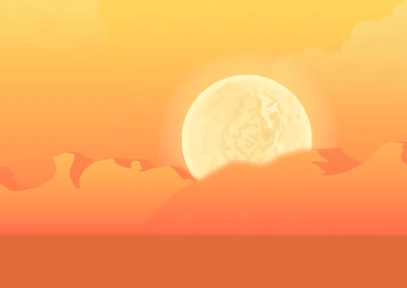

Students use a flashlight and a glove to model how Earth's rotation causes days and nights. What is one possible advantage of this model?
The flashlight and glove show how Earth's rotation causes day and night
The flashlight and globe are scale-sized models of the sun and Earth
The model shows the amount of sunlight that shines on Earth
The actual distance between the sun and Earth is represented


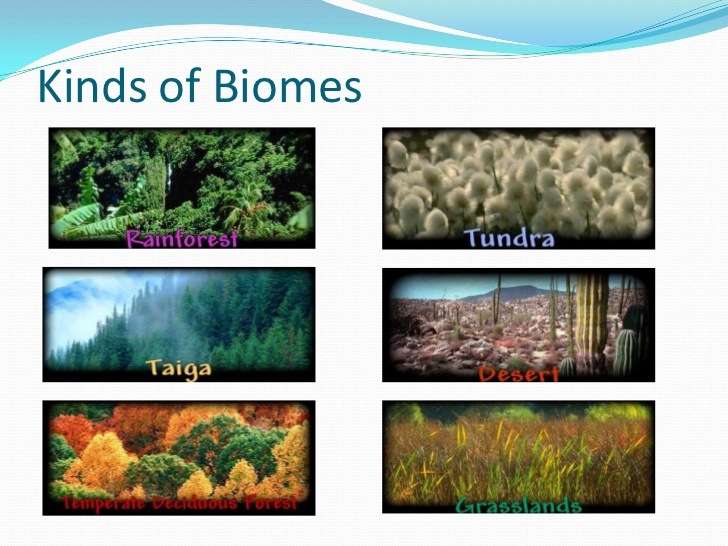
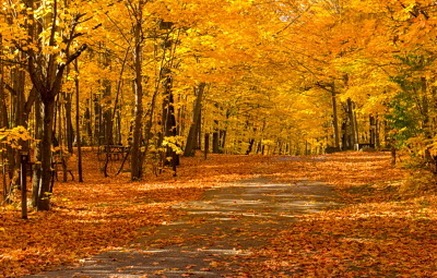
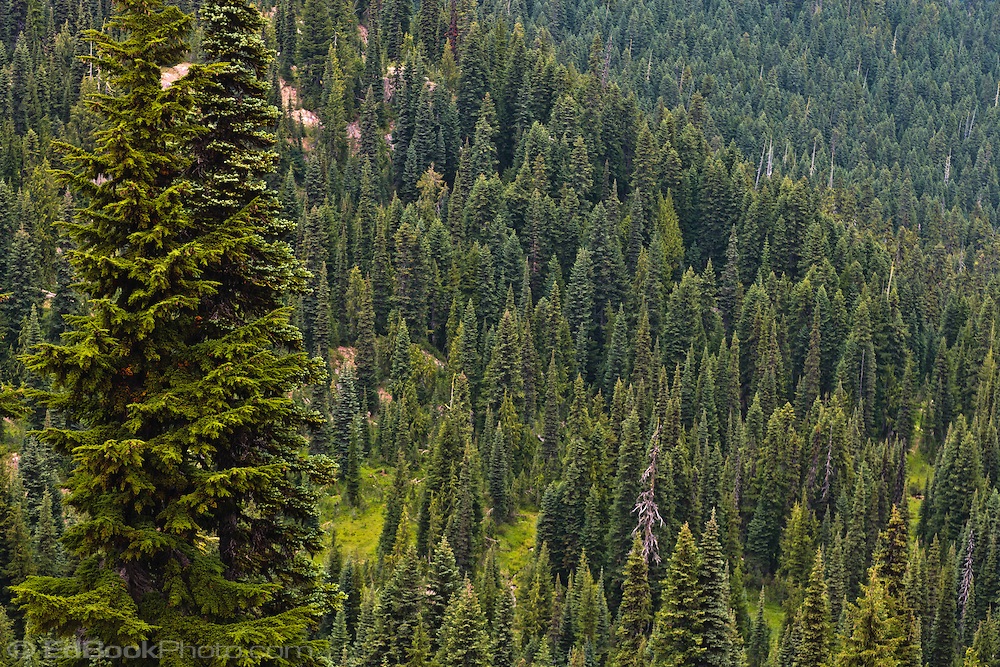

What measures wind speed?
Hygrometer
Anemometer
Wind vane
rain gauge
Decreasing air pressure means -
storms and rain
clear skys

Which number represents Tropical Rain Forest?
1
5
10
8
Which number represents Temperate Rain Forest?
1
7
10
8
Which numbers represent Tropical Rain Forest? Mark ALL of the correct ones!!!!
4
7
9
8

The polar zones of the Earth are far northern and far southern, near the poles. Is that true or false?
True
False

What climate zone is the green area in the picture?
Polar zone
Temperate zone
Tropical zone

What climate zone is the white area in the picture?
Polar zone
Temperate zone
Tropical zone

What climate zone is the red area in the picture?
Polar zone
Temperate zone
Tropical zone
Temperatures in the TEMPERATE ZONES are...
cold all year
always warm
warm in summer and cold in winter
Temperatures in the TROPICAL ZONES are...
cold all year
always warm
warm in summer and cold in winter
Precipitations in the POLAR ZONES are...
heavy or little, it depends on the area
variable
little and in the form of snow

Shin made this table describing three climate zones.
What seasonal temperatures would you most likely find in a temperate climate?
very hot summers and warm winters
cool summers and very cold winters
mild summers and mild winters
hot summers and cold winters
Shin made this table describing three climate zones.
What seasonal temperatures would you most likely find in a temperate climate?
very hot summers and warm winters
cool summers and very cold winters
mild summers and mild winters
hot summers and cold winters
Savitri is making a model of a tundra. A tundra is a treeless area that usually gets less than 10 inches of precipitation each year. The soil below the surface of the ground is frozen year-round. What climate zone does Savitri’s model show?
equatorial
polar
temperate
tropical
Savitri is making a model of a tundra. A tundra is a treeless area that usually gets less than 10 inches of precipitation each year. The soil below the surface of the ground is frozen year-round. What climate zone does Savitri’s model show?
equatorial
polar
temperate
tropical

This map shows climate regions of the world. In general, what is the relationship between temperature and latitude?
Temperature stays the same for all latitudes
Temperature decreases as latitude increases
Temperature increases as latitude increases
Temperature and latitude decrease at the same rate

Coos Bay, Oregon, and Boise, Idaho, are shown on the map below. In January, the average temperature in Coos Bay is 11.7º C (53º F). The average temperature in Boise
is 2.7º C (37º F).
What is the most likely reason for the difference in the average January temperatures of the two cities?
Coos Bay is near the Pacific Ocean.
Coos Bay gets more precipitation.
Boise is affected by the Great Salt Lake
Boise is at a higher latitude

Turkey is a country located between the Black Sea to the north and the Mediterranean Sea to the south. In a broad band near its southern, western, and northern borders, it has a Mediterranean climate. There, the summers are hot and dry and winters are cool and rainy. The central part of the country has a Steppe climate.
There, most of the year is hot and winters are cold and dry.
What is the main difference between areas that are in the Mediterranean climate and areas that are in the Steppe
climate?
nearness to large bodies of water
direction of prevailing wind
difference in latitude
elevation

