wayground logo

Free Printable Worksheets

Font size

S
M
L
XL
Worksheets

Year 8 Chem Mid-Topic Quiz

Total questions: 81

Worksheet time: 58mins
Name
Class
Date
1.
At higher temperatures
a)
particles in an object have less energy
b)
particles in an object move faster
c)
a gas contracts
2.
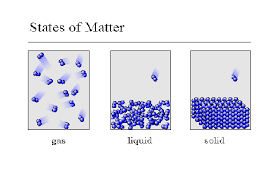
A gas
a)
has a definite shape but no definite volume
b)
has a definite volume but no definite shape
c)
has fast-moving particles
3.
Freezing
a)
Solid to gas
b)
Liquid to solid
c)
Gas to solid
d)
Liquid to gas
4.
Boiling
a)
liquid to gas
b)
gas to solid
c)
gas to liquid
d)
solid to liquid
5.
Which state of matter has a definite shape?
a)
solid
b)
liquid
c)
gas
6.
What is happening when my ice cream changes from a solid to a liquid?
a)
freezing
b)
melting
c)
burning
d)
evaporation
7.

Define a liquid.

a)

Variable shape, Variable volume

b)

Set shape, Variable volume

c)

Set shape, Set volume

d)

Variable shape, Set volume

8.
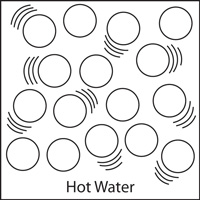
The state of matter that has no definite size or shape is
a)
Solid
b)
Liquid
c)
Gas
9.
Particles (molecules) in a ______________________ have more energy than the other states of matter.
a)
gas
b)
solid
c)
liquid
10.

Particles of a liquid

a)

are tightly packed together and vibrate in a fixed position.

b)

have no viscosity.

c)

decrease in volume with increasing temperature.

d)

are free to slide over one another

11.
What term describes a solid changing to a gas?
a)
Deposition
b)
Sublimation
c)
Evaporation
d)
Freezing
12.
The speed of the molecules determines the _____.
a)
volume
b)
density
c)
pressure
d)
temperature
13.

A chemical change is...

a)

a change that does not result in a new substance being produced

b)

a change that creates a new substance

14.

A physical change is...

a)

a change that does not result in a new substance produced

b)

a change that makes a new substance

15.
Water freezing into ice is an example of a...
a)
Physical Change
b)
Chemical Change
16.
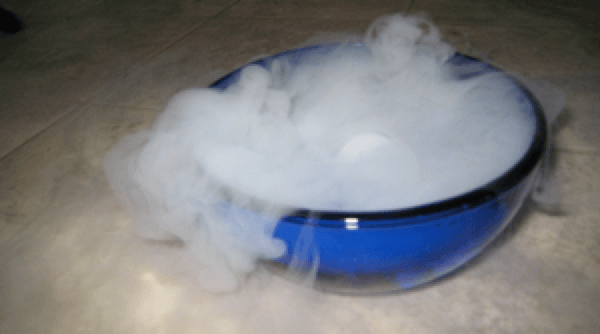
Which of the following is an example of sublimation?
a)
Dry Ice
b)
Water boiling into steam
c)
Ice cream melting
d)
Water freezing into ice
17.
Any change in the state of matter of a substance is a...
a)
Physical Change
b)
Chemical Change
18.
Which of the following indicates a chemical change?
a)
Change in state of matter
b)
Temperature change
c)
Change in size 
d)
Change in shape
19.
Which of the following DOES NOT indicate a chemical change/reaction is occurring?
a)
Color Change
b)
Formation of a Precipitate
c)
Formation of gas/bubbles
d)
State of matter change
20.
Which of the following indicates a PHYSICAL change?
a)
Change in temperature
b)
Change in shape
c)
Formation of a precipitate
d)
Change in color
21.
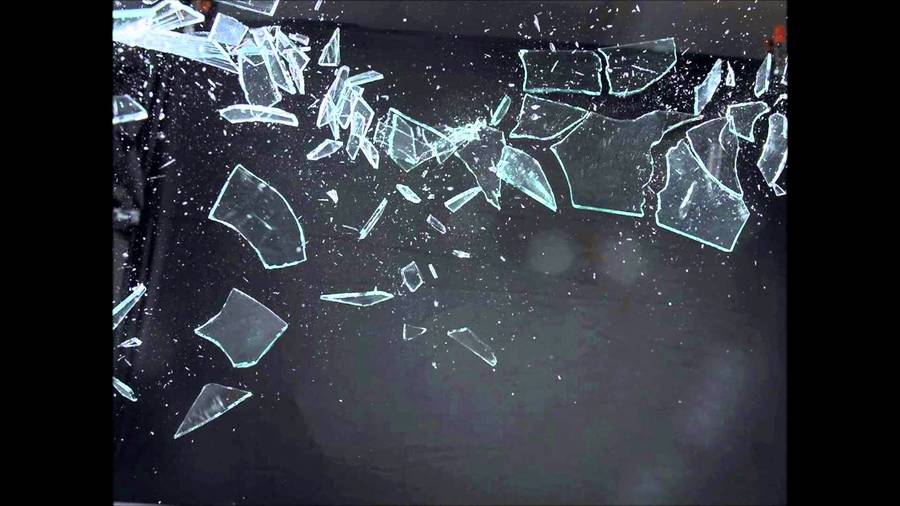
Chemical or Physical?  Glass breaking into tiny shards
a)
Chemical Change
b)
Physical Change
22.
Physical or Chemical Change?  Iron rusts
a)
Physical Change
b)
Chemical Change
23.
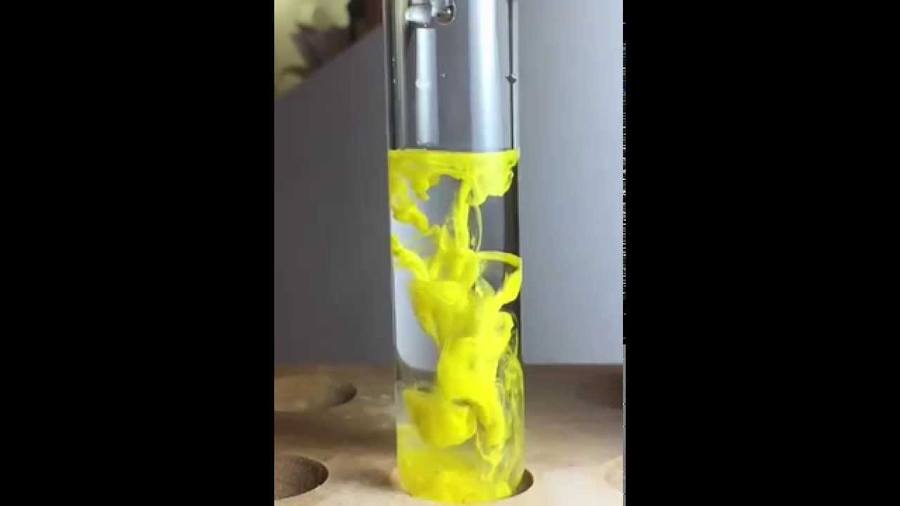
Physical or Chemical Change? 
a)
Physical Change
b)
Chemical Change
24.
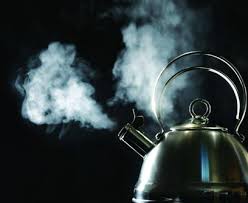
Physical or Chemical Change?
a)
Physical Change
b)
Chemical Change
25.
Physical or Chemical Change?  Cutting an orange into wedges.
a)
Physical Change
b)
Chemical Change
26.
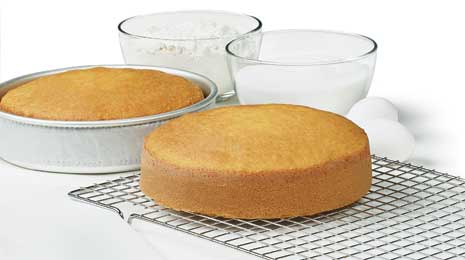
Physical or Chemical Change?  Baking a cake.
a)
Chemical Change
b)
Physical Change
27.
Physical or Chemical Change?  Logs burning in a campfire.
a)
Physical Change
b)
Chemical Change
28.
Physical or Chemical Change?  Sodium metal burning in water.
a)
Physical Change
b)
Chemical Change
29.
Physical or Chemical Change?  Making a paper airplane.
a)
Physical Change
b)
Chemical Change
30.
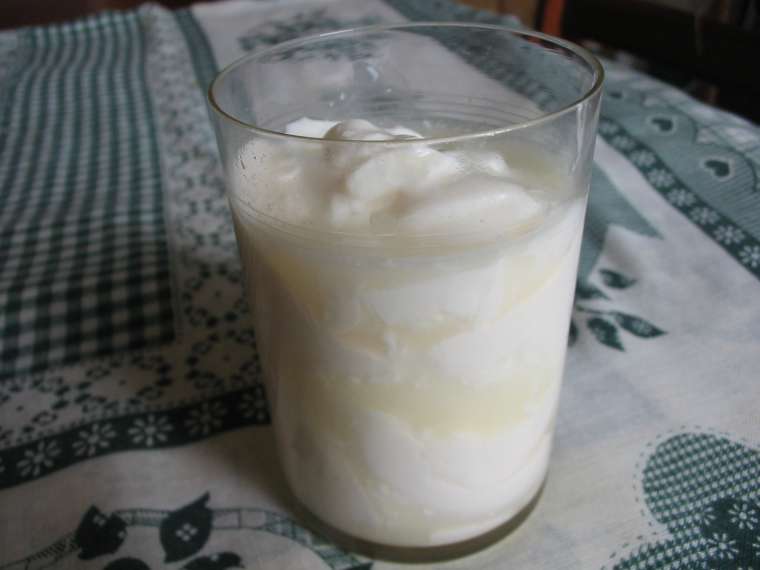
Is milk going sour a physical or chemical change?
a)
Physical 
b)
Chemical
31.
Is Gatorade powder dissolving in water physical or chemical change?
a)
Physical 
b)
Chemical
32.
Is mold growing on cheese a physical or chemical change?
a)
Physical 
b)
Chemical
33.
Is sharpening a pencil a physical or chemical change?
a)
Physical 
b)
Chemical
34.
Is copper tarnishing a physical or chemical change?
a)
Physical 
b)
Chemical
35.
Is the formation of the grand canyon a physical or chemical change?
a)
Physical 
b)
Chemical
36.
Exploding Fireworks?
a)
Physical Change 
b)
Chemical Change 
37.
Melting a chocolate bar?
a)
Physical Change
b)
Chemical Change 
38.
Rotting bananas?
a)
Physical Change
b)
Chemical Change
39.
Cutting your hair?
a)
Physical Change
b)
Chemical Change
40.
If enough heat is taken away from a container of water, what will happen to the water?
a)
It will begin to boil.
b)
It will become a solid.
c)
It will turn into a gas.
d)
It will increase in weight.
41.
Which is NOT an example of condensation?
a)
Dew is found on the grass on a summer morning.
b)
Drops of water form on a cold can of soda on a hot day.
c)
A bucket of water left uncovered eventually becomes empty.
d)
The walls of a bathroom are damp after someone takes a showers.
42.
all matter is made of what 
a)
energy 
b)
atoms 
c)
electrons 
d)
compounds 
43.
The positive particles of an atom are 
a)
electrons 
b)
positrons 
c)
neutrons 
d)
protons 
44.
the central region of an atom where its neutrons and protons are is its 
a)
nucleus 
b)
electron cloud
c)
core 
d)
center 
45.
an atom with atomic number 6 would have how many protons 
a)
6
b)
12
c)
3
d)
cannot be determined 
46.
Particles in an atom that are neutral and have no charge are 
a)
negatrons 
b)
electrons 
c)
neutrons 
d)
protons 
47.
A particle that moves around the nucleus is a(n)...
a)
Proton
b)
Neutron
c)
Electron
d)
Quark
48.
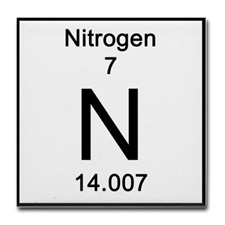
What is the number of protons that the element in this image contain?
a)
14
b)
7
c)
15
d)
18
49.

What is the atomic number of this atom shown in the Bohr model?

a)

11

b)

12

c)

13

d)

can't be determined

50.

Most of the mass of an atom is found in the ______.

a)

nucleus

b)

proton

c)

electron cloud

d)

isotope

51.
What is the chemical symbol for the element hydrogen
a)
H
b)
He
c)
h
d)
he
52.
What is the chemical symbol for the element Silicon
a)
S
b)
Si
c)
si
d)
Sl
53.
What is the chemical symbol for the element Carbon
a)
ca
b)
co2
c)
C
d)
Cd
54.
What is the chemical symbol for the element copper?
a)
co
b)
c
c)
Cu
d)
cu
55.
What is the chemical symbol for the element Aluminum
a)
A
b)
AL
c)
Al
d)
al
56.
What is the chemical symbol for the element Nitrogen
a)
Ni
b)
N
c)
No
d)
Nb
57.
What is the chemical symbol for the element oxygen
a)
O
b)
Oxy
c)
ox
d)
Oy
58.
What is the chemical symbol for the element Silver
a)
S
b)
Si
c)
Au
d)
Ag
59.
What is the chemical symbol for the element Chlorine
a)
C
b)
Cl
c)
cl
d)
Ch
60.
What is the chemical symbol for the element Gold
a)
G
b)
go
c)
AU
d)
Au
61.
What element is represented by the Chemical symbol Mg
a)
Manganese
b)
Magnesium
c)
Molybdenum
d)
Mitrium
62.
What is the chemical symbol for the element Iron
a)
I
b)
Ir
c)
Fe
d)
fe
63.
What is the chemical symbol for the element Zinc
a)
Z
b)
Zn
c)
Zr
d)
zn
64.
What is the chemical symbol for the element Helium
a)
He
b)
he
c)
H
d)
h
65.
What is the chemical symbol for the element Calcium
a)
C
b)
Ca
c)
Cl
d)
CL
66.
What is the chemical symbol for the element Sodium
a)
Na
b)
So
c)
S
d)
Sd
67.

Helium contains individual atoms floating around. Helium is considered to be a:

a)

Crystal lattice

b)

Monatomic element

c)

Molecule

68.

Chlorine exists in clusters if 2 atoms bonded together. Chlorine is considered to be a:

a)

Crystal lattice

b)

Monatomic element

c)

Molecule

69.

Silver is a metal. What is the arrangement of silver atoms?

a)

Lattices

b)

Molecules

c)

Monatomic

70.

The Noble gases (found in the last column of the Periodic table) are found as:

a)

Lattices

b)

Molecules

c)

Monatomic elements

71.

Ozone (O3) has how many atoms in the molecule?

a)

1

b)

2

c)

3

d)

4

72.

What is the formula for oxygen gas?

a)

O

b)

O2

c)

O3

d)

O4

73.

Define Brownian Motion

a)

The increase of speed of particles

b)

The decrease in speed of particles

c)

Erratic movement of particle in a fluid

d)

Particles that move from a lattice formation to a fluid

74.

What is the arrangement of atoms for buckyballs (C60)?

a)

Molecules

b)

Monatomic

c)

Lattices

75.

What is the arrangement of atoms for graphite?

a)

Molecules

b)

Monatomic

c)

Lattices

76.

What is the arrangement of atoms for diamond?

a)

Molecules

b)

Monatomic

c)

Lattices

77.

Which states of matter are ordered in INCREASING densities?

a)

Gas, Liquid, Solid

b)

Solid, Liquid, Gas

c)

Liquid, Solid, Gas

d)

Gas, Solid, Liquid

78.

What substance is more dense as a liquid than solid?

a)

Water

b)

Carbon dioxide

c)

Mercury

d)

Helium

79.

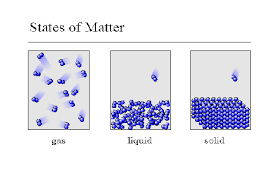
What state of matter is shown in the particle diagram?

a)

Solid

b)

Liquid

c)

Gas

80.

What state of matter is shown in the particle diagram?

a)

Solid

b)

Liquid

c)

Gas

81.

What state of matter is shown in the particle diagram?

a)

Solid

b)

Liquid

c)

Gas