
NEW
Font size
S
M
L
XL
 Worksheets
Review for 8th Science FCAT (Earth's Structure & Rock Cycle)
Total questions: 25
Worksheet time: 50mins
Name
Class
Date
1.
You live, breathe, and eat on this layer.
a)
Outer Core
b)
Inner Core
c)
Mantle
d)
Crust
2.
Which layer of the Earth is the only liquid layer?
a)
Outer Core
b)
Inner Core
c)
Mantle
d)
Lithosphere
3.
Which layer is considered the thinnest layer?
a)
Mesosphere
b)
Core
c)
Mantle
d)
Crust
4.
What is the hottest layer?
a)
Crust
b)
Mantle
c)
Core
5.

Which compositional layer is represented by the yellow layer?
a)
inner core
b)
outer core
c)
mantle
d)
crust
6.
Which Layer is considered the coolest layer?
a)
Crust
b)
Mantle
c)
Inner Core
d)
Outer Core
7.
What is the correct order of Earth's layer starting from the surface?
a)
Crust, mantle, outer core, inner core
b)
outer core, inner core, crust, mantle
c)
crust, outer core, inner core, mantle
d)
mantle, outer core, inner core, crust
8.
Out of all the layers, which one would be the easiest for us to drill through?
a)
inner core
b)
outer core
c)
mantle
d)
crust
9.
What happens to temperature as you move down through the layers?
a)
it remains the same
b)
it increases then decreases
c)
it increases
d)
it decreases
10.
Where is the Earth's crust the thickest?
a)
Oceans
b)
Equator
c)
Mountains
d)
North and South Poles
11.
The mantle "flows" because of large differences in temperature from the bottom to the top, which create convection currents.
a)
True
b)
False
12.
Which layer is made of slightly molten rock?
a)
crust
b)
mantle
c)
outer core
d)
inner core
13.
Which layer is responsible for creating Earth's magnetic field?
a)
crust
b)
mantle
c)
outer core
d)
inner core
14.
Which type of rock results from melting and cooling of magma?
a)
Igneous
b)
Metamorphic
c)
Sedimentary
d)
Extrusive
15.
Which type of rock forms from extreme heat and pressure?
a)
Igneous
b)
Sedimentary
c)
Organic
d)
Metamorphic
16.
A metamorphic rock changes into an igneous rock by what two processes?
a)
Melting and cooling
b)
Extreme heat and pressure
c)
Compaction and cementation
d)
Weathering and erosion
17.
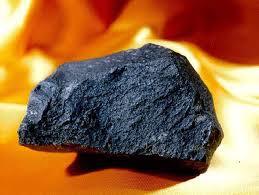
This rock was found near the mouth of a volcano. What type of rock is this?
a)
Sedimentary
b)
Igneous
c)
Metamorphic
18.
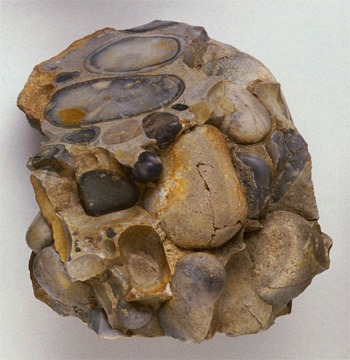
This rock was formed by smaller pieces of rock that settled at the bottom of a lake millions of years ago. What type of rock is this?
a)
Sedimentary
b)
Igneous
c)
Metamorphic
19.

This rock started as lava that cooled and then was heated and put under pressure over time. What type of rock is this?
a)
Sedimentar
b)
Igneous
c)
Metamorphic
20.

This rock started as molten magma. What type of rock is this?
a)
Sedimentary
b)
Igneous
c)
Metamorphic
21.

This rock was molten magma that slowly cooled under the ground. What type of rock is this?
a)
Sedimentar
b)
Igneous
c)
Metamorphic
22.

This rock cooled on the outside of a volcano and contained air bubbles when it was forming. What type of rock is this?
a)
Sedimentary
b)
Igneous
c)
Metamorphic
23.

After lots of time, pressure, and heat, you get this kind of rock. What type of rock is this?
a)
Sedimentary
b)
Igneous
c)
Metamorphic
24.
Fossils are often found in ____________ because it is formed from the remains of once living things.
a)
metamorphic
b)
magma
c)
igneous
d)
sedimentary
25.

This rock was formed by lots of fossils that settled on top of each other over time. What type of rock is this?
a)
Sedimentary
b)
Igneous
c)
Metamorphic
Reset

