wayground logo

Free Printable Worksheets

Font size

S
M
L
XL
Worksheets

Milestone Review

Total questions: 204

Worksheet time: 3hrs 38mins

Name
Class
Date
1.
A car travels 30 miles/hr for 3 hours, calculate the distance it will travel
a)
90 miles
b)
10 miles
c)
600 miles
d)
90 km
2.
Velocity is both ____ and _____. 
a)
speed , direction 
b)
direction, mass
c)
volume, density 
d)
direction, magnitude 
3.
65mi/hr South is an example of...
a)
Speed
b)
Velocity
c)
Acceleration
d)
Direction
4.
What does this graph represent?
a)
Constant Speed
b)
Acceleration
c)
Not moving
5.
A distance vs. time graph shows an object's
a)
frame of reference
b)
speed
c)
acceleration
d)
favorite food
6.
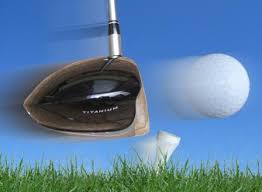
A golf ball accelerates off a tee at 15m/s2, changing its velocity from 0m/s to 50 m/s down the fairway. How long did it take the golf ball to accelerate?
a)
750 seconds
b)
35 seconds
c)
0.3 seconds
d)
3.3 seconds
7.
Why does a car accelerate as it round a corner at a constant speed?
a)
Its direction changes
b)
It doesn't
c)
It slows down
d)
Its speeds up  
8.
In each of the following cases, determine where the car has no acceleration ?
a)
A car shortly after a stoplight turns green.
b)
A car approaching a red light
c)
A car with the cruise control set at 80 km/h
d)
A car turning a curve at a constant speed
9.
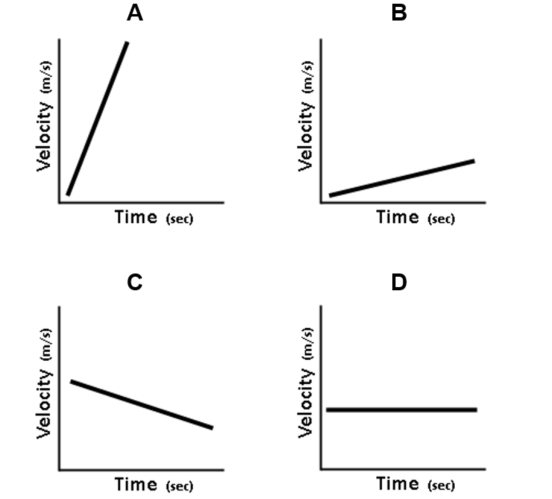
Which graph represents zero acceleration (constant velocity)?
a)
A
b)
B
c)
C
d)
D
10.
Which graph represents the greatest acceleration?
a)
A
b)
B
c)
C
d)
D
11.
What is the formula for force?
a)
F=M/A
b)
F=A/M
c)
F=M*A
d)
F=M*F
12.
A 20 kg bike accelerates at 10 m/s2.  what was the force?
a)
25 Newtons
b)
20 Newtons
c)
200 Newtons
d)
10 Newtons
13.
What is Newton's First Law known as? The Law of
a)
Friction
b)
Mass
c)
Inertia
d)
Gravity
14.
Which type of force(s) will cause a change in an object's motion?
a)
gravity
b)
zero net force
c)
balanced forces
d)
unbalanced forces
15.
This equation goes with which law?
a)
Newton's first law of motion
b)
Newton's second law of motion
c)
Newton's third law of motion
d)
None of these
16.
A person is pushed forward into their seat belt when a car stops.  Which law is this?
a)
1st
b)
 2nd
c)
2 and 3
d)
3rd 
17.
When a cannon fires a cannonball we observe Newton's third law. Which force is the reaction force?
a)
The cannon moving forward
b)
The cannonball moving forward
c)
The cannon moving backward
d)
The cannonball moving backward
18.
Which of Newton's Laws is illustrated with a large mass and a small mass accelerating?
a)
1st Law, the Law of Inertia.
b)
2nd Law, the Law of Acceleration
c)
3rd Law, the Law of Action Reaction
d)
The Law of Conservation of Mass
19.
What is the standard unit force is measured in?
a)
Newtons
b)
pounds
c)
grams
d)
meters
20.

A rocket pushes burning gases DOWN which causes the rocket to launch UP. Which law is this?

a)

Law 1

b)

Law 2

c)

Law 3

21.

A sports car speeds up much faster than a dump truck when a traffic light turns from red to green. Which law is this?

a)

Law 1

b)

Law 2

c)

Law 3

22.

When a mule stops suddenly, the packages on its back continue to move forward onto the ground. Which law is this?

a)

Law 1

b)

Law 2

c)

Law 3

23.

as the mass of an object increases, the pull of gravity...

a)

Increases

b)

Decreases

c)

Stays the same

24.
What does the strength of gravity between two objects depend upon?
a)
Mass & distance
b)
Mass & weight
c)
Gravity & inertia
d)
Inertia & mass
25.
Which of the following will not change in different gravitational fields?
a)
weight
b)
force
c)
mass
d)
pounds
26.

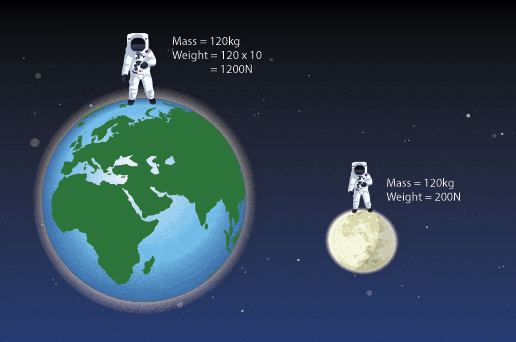
The force of gravity (mass x gravity) is also known as...

a)

mass

b)

weight

c)

distance

d)

acceleration

27.

Which of the diagrams shows the greatest gravitational force?

a)

I

b)

II

c)

III

d)

IV

28.
Which of the following energy transformations occur when a lamp that is plugged into a wall socket is functioning correctly?
a)
Chemical to light
b)
Electrical to chemical
c)
Electrical to light
d)
Chemical to electrical
29.
Which of the following shows an energy transformation from chemical energy to electrical to light energy?
a)
A bolt of lightning lights the night sky.
b)
A candle glows brightly in the dark.
c)
A fire in a fireplace lights up a room.
d)
A battery causes a flashlight to shine.
30.

How does heat move?

a)

from a warmer to a cooler object

b)

from a cooler to a warmer object

c)

toward a hot object

d)

away from a cold object

31.

__________ is the transfer of heat by the movement of a fluid.

a)

Conduction

b)

Convection

c)

Radiation

32.

When you heat up an object, the particles in the object move _________.

a)

faster

b)

the same speed

c)

slower

33.

When you touch hot sand, heat is transferred by _________ to your skin.

a)

conduction

b)

convection

c)

radiation

34.

The Sun's heat reaches the Earth through the vacuum of space.

a)

Radiation

b)

Conduction

c)

Convection

d)

none of these

35.

A toaster oven heats the air inside, creating cycles of hot air that warm food.

a)

Radiation

b)

Conduction

c)

Convection

d)

none of these

36.

Two fluids, one warm and one cold, mix. The warm fluid rises and the cool fluid sinks

a)

Radiation

b)

Conduction

c)

Convection

d)

none of these

37.
Which way does heat transfer?
a)
From cold to hot
b)
From hot to cold
38.
What unit do you use to measure Thermal Energy?
a)
J/Kg ºC
b)
Kg
c)
ºC
d)
J
39.
Water has a specific heat of 4184 J/KgºC.  Wood has a specific heat of 1760 J/KgºC.  What material needs more energy to raise the temperature 1ºC
a)
Wood
b)
Water
c)
Both are the same
40.
The symbol for specific heat is .......
a)
c
b)
Q
c)
m
d)
t
41.
A high specific heat means...
a)
It heats up quickly with energy added
b)
It requires more energy to change temperature
42.
For a skillet, used for cooking, do you want a high or low specific heat
a)
High, so that it will need more energy to heat up
b)
Low, so that it will change temperature quickly
43.
Which of the following is NOT true about heat? 
a)
Heat moves from hot to cold
b)
Heat is a form of energy
c)
Heat cannot be transferred
d)
Heat makes molecules speed up 
44.
Sound is an example of which type of wave?
a)
Transverse
b)
Longitudinal
c)
Both
d)
Neither
45.
Which wave can only travel using a medium?
a)
Transverse
b)
Longitudinal
c)
Both
d)
Neither
46.
What are the parts of a longitudinal wave?
a)
Compressions and rarefactions
b)
Crests and troughs
c)
Compressions and crests
d)
Rarefactions and troughs
47.
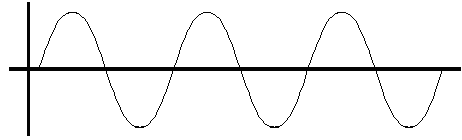
Which wave is pictured?
a)
Transverse
b)
Longitudinal
c)
Both
d)
Neither
48.
Which wave is pictured?
a)
Transverse
b)
Longitudinal
c)
Both
d)
Neither
49.
Which letter represents the wavelength of a wave?
a)
A
b)
B
c)
C
d)
D
50.
Which letter represents the amplitude of the wave?
a)
A
b)
B
c)
C
d)
D
51.
Which letter(s) represent the crest of the wave?
a)
A
b)
B & D
c)
B & F
d)
F
52.
The image above shows a student using a Slinky to create a wave. The slinky is stretched at one end and the resulting wave travels back and forth. This is an example of a...
a)
Superposition Wave
b)
Refracted Wave
c)
Longitudinal Wave
d)
Transverse Wave
53.
When the frequency of a wave increases, what happens to the wavelength?
a)
The wavelength is not directly affected by the frequency of a wave.
b)
The wavelength increases.
c)
The wavelength decreases.
d)
More specific information is needed to form a conclusion about the wavelength.
54.
Which wave in the diagram has the greatest frequency?
a)
1
b)
2
c)
3
d)
4
55.
Which wave in the diagram has the greatest wavelength?
a)
1
b)
2
c)
3
d)
4
56.
Which electromagnetic waves have the highest frequencies and the shortest wavelengths?
a)
microwaves
b)
visible light
c)
gamma rays
57.
Which type of waves are used in broadcasting?
a)
radio waves
b)
infrared rays
c)
x-rays
58.
Electromagnetic waves that help your body produce vitamin D are called?
a)
ultraviolet rays
b)
x-rays
c)
gamma rays
59.
Which electromagnetic waves are used in ovens and cell phone communications?
a)
Infrared rays
b)
ultraviolet rays
c)
microwaves
60.
For waves in any medium, as the wavelength decreases, what happens to the frequency?
a)
It also decrease
b)
It stays the same
c)
It increases
61.
Which of the following has wavelengths longer than microwaves?
a)
Infrared waves
b)
Radio waves
c)
Visible light
62.
Which of the following has frequencies higher than ultraviolet rays?
a)
visible light
b)
infrared rays
c)
x-rays
63.
Which of the following lists the electromagnetic waves in order of increasing wavelength?
a)
X-rays, visible light, radio waves
b)
gamma rays, microwaves, UV rays
c)
infrared rays, radio waves, x-rays
64.
Which electromagnetic waves are used in devices such as heat lamps & TV remote controls?
a)
ultraviolet rays
b)
microwaves
c)
infrared rays
65.
Which of the following lists the electromagnetic waves in order of decreasing frequency?
a)
X-rays, microwaves, infrared rays
b)
UV rays, visible light, x-rays
c)
infrared rays, microwaves, radio waves
66.
True or false: as you move along the spectrum, radio to gamma waves, the wavelengths decrease in size (get smaller)
a)
true
b)
false
67.
A wave with a large wavelength will have a ______ frequency and _____ energy
a)
high, low
b)
high, high
c)
low, high
d)
low, low
68.
Which section of the spectrum is the ONLY one we can see?
a)
X-rays
b)
Visible Light
c)
Gamma Rays
d)
Ultraviolet Rays
69.
How are electromagnetic waves different from other waves? 
a)
They have very short wavelengths 
b)
They transmit energy instead of matter 
c)
They can travel through empty space
d)
They can change direction by reflection 
70.
What is interference?  
a)
occurs when two or more waves overlap and combine 
b)
occurs when two or more waves combine and neutralize each other 
c)
when one waves travels alone
71.
Which wave behavior do noise cancelling headphones use?
a)
diffraction
b)
refraction
c)
constructive interference
d)
destructive interference
72.
The high or low pitch of a sound is related to the ___________ of the wave
a)
decibel
b)
amplitude
c)
frequency
d)
rest position
73.
How loud or soft a sound is, is related to the _____________ of the wave
a)
amplitude
b)
frequency
c)
wave length
d)
rest position
74.
The changing pitch of a police siren as the car moves past you
a)
sound interfernce
b)
doppler effect
c)
constructive interference
d)
destructive interference
75.
Sound travels fastest through what type of medium?
a)
pond water
b)
cold air
c)
iced tea
d)
wooden desk
76.
Refraction causes waves to bounce back off of an object.
a)
True
b)
False
77.
Which of the following is the bending of a wave, which changes its speed.
a)
Reflection
b)
Diffraction
c)
Refraction
d)
Frequency
78.
When a wave bends or spreads past a medium, this is referred to as
a)
Reflection
b)
Refraction
c)
Radiation
d)
Diffraction
79.
When waves meet, and form either a larger or smaller amplitude
a)
Radiation
b)
Interference
c)
Diffraction
d)
Microwaves
80.
Which of the following could be used as the core of a simple electromagnet?
a)
drinking straw
b)
iron nail 
c)
a soda bottle
d)
an ink pen
81.
What is the purpose of a switch in an electric circuit?
a)
to allow the circuit to be opened or closed
b)
to change the direction of the current
c)
to provide a push for the current
d)
to increase the electric power to the load
82.
What is the purpose of an electric motor?
a)
to convert electrical energy to mechanical energy
b)
to convert chemical energy to electrical energy
c)
to convert mechanical energy to electrical energy
d)
to convert mechanical energy to heat energy
83.
Each time a lightbulb is added to a series circuit, the other bulbs in the circuit 
a)
get brighter
b)
get dimmer
c)
stay the same brightness
d)
release more heat
84.
A group of lights are connected in a parallel circuit.  One of the lights is removed.  The rest of the lights will
a)
get brighter
b)
get dimmer
c)
go out
d)
not change
85.
A scientist observed that the needle of a compass moved when it was placed near a wire carrying an electric current.  What did this observation show?
a)
Opposite charges attract.
b)
Electric current generates a magnetic field.
c)
Magnetized wires generate electricity.
d)
Like charges repel.
86.
A string of lights is lit.  They are part of a series circuit.  One of the bulbs is removed.  The rest of the lights will
a)
go out
b)
stay lit
c)
get brighter
d)
get dimmer
87.
What is the purpose of a generator?
a)
to convert electrical energy to mechanical energy
b)
to convert chemical energy to electrical energy
c)
to convert mechanical energy to electrical energy
d)
to convert mechanical energy to heat energy
88.
What Is Volume?
a)
How heavy something is.
b)
The amount of space taken up by and object.
c)
How a liquid flows.
d)
The international unit of measurement.
89.
At higher temperatures
a)
particles in an object have less energy
b)
particles in an object move faster
c)
a gas contracts
90.
Boiling
a)
liquid to gas
b)
gas to solid
c)
gas to liquid
d)
solid to liquid
91.
Freezing
a)
Solid to gas
b)
Liquid to solid
c)
Gas to solid
d)
Liquid to gas
92.
Melting
a)
liquid to solid
b)
solid to liquid
c)
solid to gas
d)
gas to liquid
93.
The drops of water that appear on the outside of a glass of cold juice on a warm day are an example of?
a)
sublimation
b)
condensation
c)
evaporation
94.
Define a liquid.
a)
Indefinite shape, indefinite volume
b)
Definite shape, definite volume
c)
Found in stars
d)
Definite volume, indefinite shape
95.
Which of these is an example of sublimation?
a)
water turning to ice
b)
ice cream dripping
c)
a puddle drying up
d)
dry ice being used to make fog
96.
What would cause a decrease in particle movement?
a)
decrease atoms
b)
increase in space between atoms
c)
decrease in temperature
d)
increase in mass
97.
Which state of matter take up ALL the space inside a container? 
a)
solid
b)
liquid
c)
gas
d)
all of the above
98.

You can make a solute dissolve more quickly in a solvent by

a)

adding more solute.

b)

adding ice.

c)

heating the solvent.

d)

removing some solvent.

99.

A solution that contains all of the solute it can hold at a given temperature is

a)

diluted.

b)

saturated.

c)

supersaturated.

d)

unsaturated.

100.

The amount of solute that can be dissolved in a specific amount of solvent at a given temperature is its

a)

concentration.

b)

density.

c)

dilution.

d)

solubility.

101.

A solution that is able to dissolve additional solute is best described as

a)

supersaturated.

b)

concentrated.

c)

saturated

d)

unsaturated.

102.
The _____is the part that gets dissolved. 
a)
solute 
b)
solvent 
c)
solution 
d)
Sacajawea 
103.
The universal solvent is ______. 
a)
sodium 
b)
acid 
c)
water 
d)
wind 
104.
When one of the parts of the solution is water we call it _________. 
a)
water stuff 
b)
water mixture 
c)
aqua-man
d)
aqueous 
105.
This is the part of the solution that does the dissolving. 
a)
solute
b)
solvent 
c)
salt water 
d)
First Continental Congress 
106.
The concentration of a mixture can be increased in which of the following ways?
a)
Heating the mixture
b)
Adding more water “solvent”
c)
Adding more powder “solute”
d)
Stirring the mixture
107.
A solution that is considered dilute would be....
a)
Dark in color
b)
Have a strong scent
c)
Have a large amount of solute
d)
Have a small amount of solute
108.
Kool-Aid - Powder, sugar, and water
Identify the solvent 
a)
water
b)
powder
c)
sugar
d)
powder and sugar
109.
Lemonade - Water, lemon juice, and sugar
Identify the solute
a)
water
b)
lemon juice
c)
sugar and lemon juice 
110.
When Pressure increases then the Volume must...
a)
Increase
b)
decrease
111.
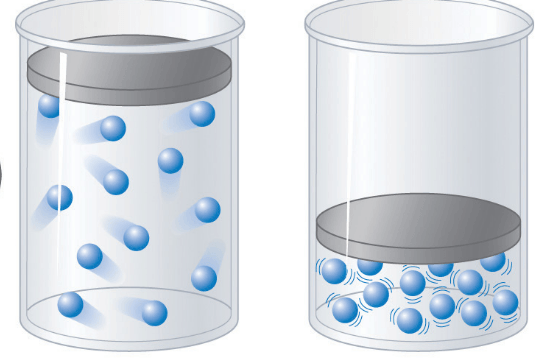
Which container will have a lower pressure?
a)
left
b)
right
c)
they both have the same pressure
d)
I don't know
112.
Boyle's law : When _______ is held constant, the pressure and volume of a gas are ________  proportional
a)
temperature,  equally
b)
mass, inversely
c)
temperature, inversely
d)
mass, equally
113.
What happened to the volume between the two steps?
a)
volume increased
b)
volume decreased
c)
volume stayed the same
114.
If the pH of a solution is 9, it is a....
a)
acid
b)
base
c)
both
d)
none
115.
Which is the stronger acid?
a)
pH 1
b)
pH 4
c)
pH 8
d)
pH 13
116.
Which of the following substances is basic?
a)
Apple juice
b)
Ginger ale
c)
Baking soda
d)
Distilled water
117.
How do acidic solutions taste?
a)
Delicious
b)
Sweet
c)
Bitter
d)
Sour
118.
What is a property of bases?
a)
Slippery touch
b)
Sour taste
c)
Ability to dissolve metal
d)
Ability to form hydronium ions
119.
This piece of pH paper has been dipped into:
a)
An acid
b)
A base
c)
A pH-neutral substance
d)
A buffer
120.
An extremely strong base would have a pH of:
a)
1
b)
7
c)
9
d)
14
121.

Which is the correct set of acid properties, as described by Boyle:

a)

sour taste, corrosive, change litmus from red to blue

b)

sour taste, corrosive, change litmus from blue to red

c)

sweet taste, slippery, change litmus from blue to red

d)

sour taste, slippery, change litmus from blue to red

122.

Which is true?

a)

pH of less than 7 is basic; pH of more than 7 is acidic

b)

pH of less than 7 is acidic; pH of more than 7 is basic

123.

NaOH may be found in drain cleaners and as a component of soaps. Is NaOH an acid or a base?

a)

Acid

b)

Base

c)

Neither (Neutral)

124.

Water found near sources of air pollution tends to be:

a)

Acidic.

b)

Basic.

c)

Neither. Air pollution doesn't alter the pH of water.

125.
subatomic particles found on the outermost shell & responsible for the atom's reactivity
a)
neutrons
b)
valence electrons
c)
isotopes
d)
ions
126.
Value representing the number of protons in an element
a)
Atomic Mass
b)
Mass Number
c)
Valence Electrons
d)
Atomic Number
127.
Atoms of the same element with a different number of neutrons
a)
Ion
b)
Gluons
c)
Isotope
d)
Quarks
128.
The smallest particle of an element that shows all the properties of that element.
a)
Subatomic Particles
b)
Atom
c)
Quarks
d)
Gluons
129.
Where electrons are likely to be found as they travel around the nucleus
a)
Nucleus
b)
Electron Cloud
c)
Within a Proton
d)
Within a Neutron
130.
A tiny but very dense, positively charged portion of the atom that holds most of the atomic mass
a)
Electron Shells
b)
Orbitals
c)
Electron Cloud
d)
Nucleus
131.
Arrangement of elements organized by atomic number
a)
Electron Cloud 
b)
Periodic Table 
c)
Electron Configuration
d)
None of these
132.
Electrons are not factored into atomic mass because:
a)
They are so small their mass is negligible
b)
They're not in the nucleus
c)
They're too big
d)
They move so quickly their mass is zero
133.
When you add the number of protons and neutrons together, you are calculating...
a)
Atomic Number
b)
Atomic Mass
c)
Mass Number
d)
Pythagorean's Theorem
134.
What is an atom that has an unstable nucleus referred to as?
a)
radioactive
b)
isotope
c)
ion
d)
Bill
135.

The vertical (up and down) columns in the Periodic Table are called

a)

groups

b)

towers

c)

periods

d)

atomic numbers

136.
Sodium (Na) is found in period 
a)
3
b)
2
c)
4
d)
1
137.
Sodium (Na) is found in group 
a)
1
b)
2
c)
3
d)
4
138.
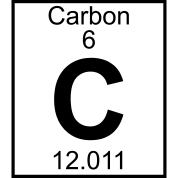
What does the 6 represent?
a)
atomic mass
b)
atomic number
c)
element name
d)
chemical symbol 
139.
What does 12.011 represent?
a)
atomic mass
b)
atomic number
c)
element name
d)
chemical symbol 
140.

What category is silicon (Si) a part of?

a)

Metal

b)

Nonmetal

c)

Metalloid

d)

Halogens

141.

How many electrons does Barium (Ba) have?

a)

13

b)

2

c)

71

d)

56

142.

What is group name of the most reactive metals?

a)

Noble gases

b)

Halogens

c)

Alkali metals

d)

Alkaline earth metals

143.

Why are halogens so reactive?

a)

They want to get rid of their only valance electron

b)

They only need one more electron

c)

They are non reactive, they have a full shell

144.
Which one of these is not a noble gas?
a)
Helium
b)
Radon
c)
Iodine
d)
Krypton
145.

what is the name of group number 2

a)

transition metals

b)

halogens

c)

metaloids

d)

alkaline earth

146.

what is the big group of metals called found within the metals

a)

transition metals

b)

nonmetals

c)

noble gases

d)

halogens

147.

what group number are the halogens

a)

18

b)

1

c)

2

d)

17

148.

what group number are the noble gases

a)

17

b)

18

c)

14

d)

15

149.
Most of the mass of an atom is found it its _____.
a)
electron cloud
b)
nucleus
c)
atomic number
d)
empty space
150.
Each is an example of matter except _____.
a)
a cloud
b)
air
c)
a dust particle
d)
a beam of light
151.
An atom of the element with atomic number 6 always has _____.
a)
six protons in its nucleus
b)
an atomic mass of six
c)
more than six neutrons
d)
six electron clouds
152.
Covalent bonds are between...
a)
Metal and Non-metal
b)
Non-metal and Non-metal
c)
Metal and Metal
153.
Ionic bonds are between...
a)
Metal and Non-metal
b)
Non-metal and Non-metal
c)
Metal and Metal
154.
Atoms are most stable when their outer shell is complete.
a)
true
b)
false
155.
How are covalent bonds formed?
a)
Sharing of electrons
b)
Transfer of electrons
156.
How are ionic bonds formed?
a)
Transfer of electrons
b)
Sharing of electrons
157.
Group numbers on the periodic table help us determine 
a)
The number of valence electrons
b)
Color of the elements
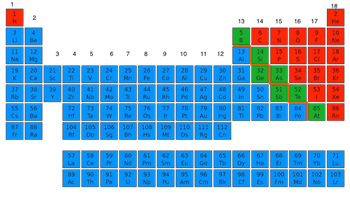
158.
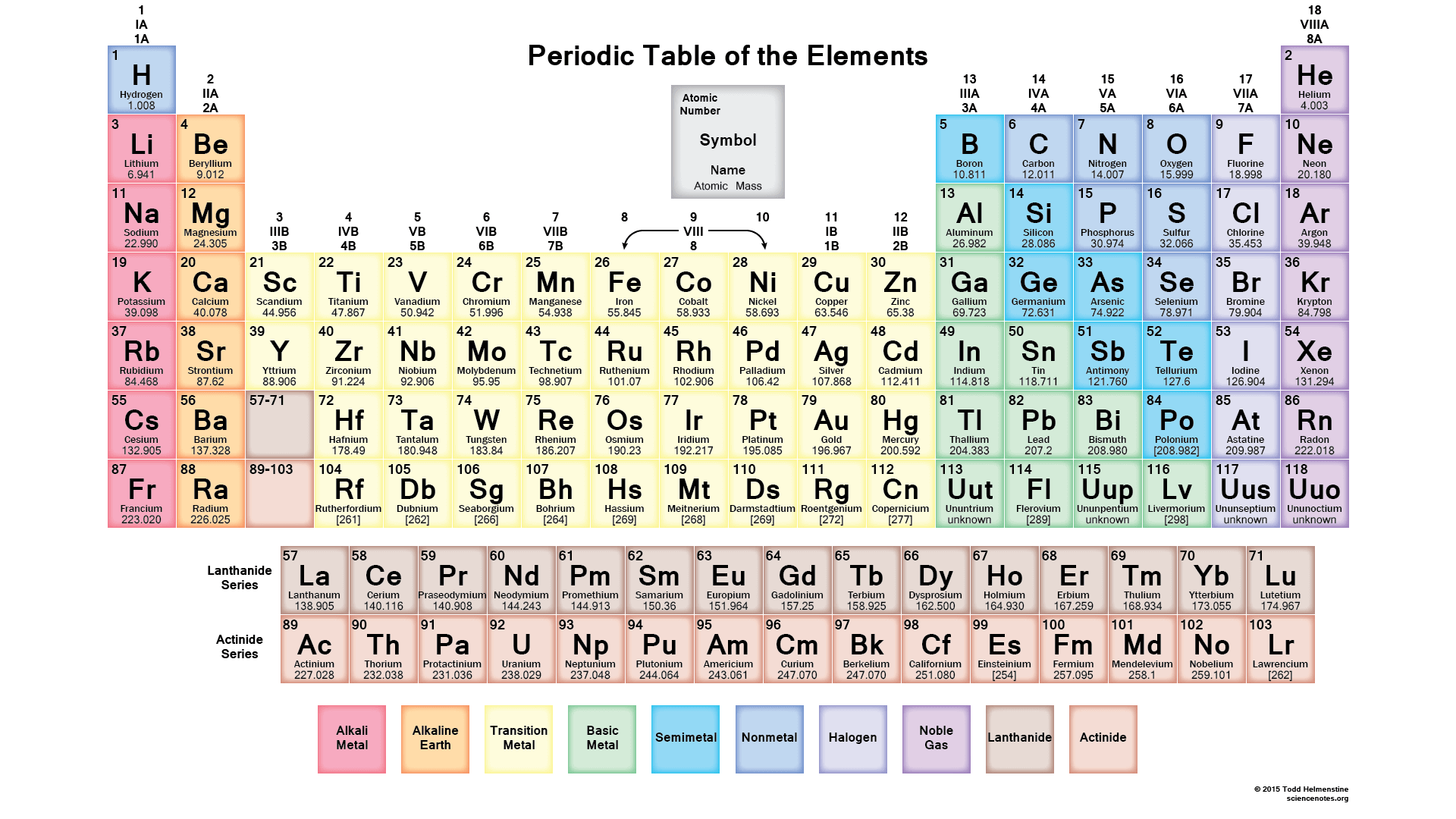
Where are the nonmetals located on the periodic table? 
a)
Blue
b)
Red
c)
Green
159.
Where are metals located on the periodic table?
a)
Blue
b)
Green
c)
Red
160.
Where are the metalloids located on the periodic table?
a)
Blue
b)
Red
c)
Green
161.
Two or more atoms held together by a chemical bond is called what?
a)
A molecule
b)
A molecure
162.
NaCl
a)
Ionic Bond
b)
Covalent Bond
c)
Both bonds
d)
Neither bond
163.
H2O
a)
Ionic Bond
b)
Covalent Bond
c)
Both bonds
d)
Neither bond
164.
CO2
a)
Ionic Bond
b)
Covalent Bond
c)
Both bonds
d)
Neither bond
165.
LiF
a)
Ionic Bond
b)
Covalent Bond
c)
Both bonds
d)
Neither bond
166.
This picture shows a...
a)
Ionic Bond
b)
Covalent Bond
c)
Both bonds
d)
Neither bond
167.
This picture shows a...
a)
Ionic Bond
b)
Covalent Bond
c)
Both bonds
d)
Neither bond
168.
What does (aq) mean in a chemical reaction?
a)
Ag
b)
silver
c)
aqualirious
d)
aqueous
169.
Si + S8 --> Si2S4
a)
Synthesis (combination)
b)
Decomposition
c)
Single replacement
d)
Double replacement
170.
KOH + H3PO4 --> K3PO4 + H2O
a)
Synthesis (combination)
b)
Decomposition
c)
Single replacement
d)
Double replacement
171.
Pb(NO3)2 --> PbO + NO2 + O2
a)
Synthesis (combination)
b)
Decomposition
c)
Single replacement
d)
Combustion
172.
What are the products in the following chemical equation? 
2H2 + O2   -->   2H2O
a)
H2
b)
O2
c)
2H2 + O2
d)
2H2O
173.

When the radioactive atoms in a sample decay by half...

a)

alpha decay

b)

Beta decay

c)

half-life

174.

How can radiation hurt us?

a)

by exposing us to X-rays

b)

Can make us spend money

c)

destroys our cells and DNA

175.
Energy in the sun is produced as a result of nuclear ____ reactions.
a)
fusion
b)
fission
c)
waste
d)
sub
176.
Neutrons released in a fission reaction can strike other nuclei and cause a 
a)
meltdown
b)
take down
c)
break down
d)
chain reaction
177.
What makes something radioactive?
a)
elements with an atomic number above 81
b)
an unstable nucleus
c)
contaminated sewage
d)
It decays over time
178.
What is nuclear fission?
a)
Big nucleus splits to small nuclei
b)
Small nuclei fuse into a bigger nucleus
c)
Stars
d)
Making compounds
179.
How do nuclear power-plants work?
a)
Fusion
b)
Half-life
c)
Fission
d)
Fusion or fission
180.
Nuclear power uses ____ for fuel.
a)
steel
b)
coal
c)
uranium
d)
hydrogen
181.
What is an advantage  of nuclear energy?
a)
radioactive waste
b)
no pollution
c)
we will never run out
d)
it is the safest way to make energy
182.
What type of radioactive decay is in this picture? 
a)
Alpha
b)
Beta
c)
Gamma
d)
Fission
183.
What type of radioactive decay is in this picture? 
a)
Alpha
b)
Beta
c)
Gamma
d)
Fusion
184.
What decay emits (releases) a He atom (2 protons and 4 neutrons?)
a)
Alpha
b)
Beta
c)
Gamma
d)
Fission
185.
What type of decay emits an electron?  
a)
Alpha
b)
Beta
c)
Gamma
d)
Fusion
186.
C-14 has 8 neutrons and C-13 has 7 neutrons.  How many protons are in C-14? 
a)
6
b)
12.01
c)
7
d)
8
187.
A radioactive isotope has a half life of 30 years.  At year 0, there are 400 radioactive atoms.  How many are left after 120 years of decay
a)
50 atoms
b)
30 atoms
c)
25 atoms
d)
12.5 atoms
188.
What are the two main elements (gases) that make up the Sun? 
a)
Carbon and Helium
b)
Iron and Hydrogen
c)
Hydrogen and Helium
d)
Carbon and Hydrogen 
189.
What happens to the nuclei of isotopes during a FUSION reaction
a)
They break down or break a part
b)
They fuse and/or combine together
c)
They add more neutrons to its mass
d)
They collapse into a black hole 
190.
What happens to the nuclei of isotopes during a FISSION reaction
a)
They break down or break a part
b)
They fuse and/or combine together
c)
They add more neutrons to its mass
d)
They collapse into a black hole 
191.
What process does the Sun go through in order to produce limitless energy for billions of years
a)
Fusion
b)
Fission
c)
Alpha, Beta, Gamma
d)
Isotopic implosion 
192.

What is resistance (output) force?

a)

the force required by a machine in order to accomplish work (the force you put on the machine)

b)

The force that is exerted by a machine

c)

the force the machine exerts on a object

d)

the output work times the input distance

193.

What is effort (input) force?

a)

the force one exerts on a machine

b)

the force which an effort force must overcome in order to do work on an object via a simple machine.

c)

the force the machine exerts on a object

d)

the output work times the input distance

194.

What is mechanical advantage?

a)

The advantage a machine has over a bicycle

b)

A measure of how much a simple machine reduces work

c)

A measure of when is the best time to use a simple machine

d)

the number of times a machine increases input force

195.
What is the mechanical advantage of this pulley system?
a)
2
b)
3
c)
4
d)
5
196.
Is this an example of work?
A teacher applies a force to a wall and becomes exhausted.
a)
True
b)
False
197.
Is this an example of work? 
A waiter carries a tray full of meals above his head by one arm straight across the room at constant speed. 
a)
True
b)
False
198.

a simple machine that is a flat, sloped surface

a)

inclined plane

b)

wedge

c)

lever

d)

fulcrum

199.

a device that is thick at one end and tapers to a thin edge at the other end

a)

wedge

b)

inclined plane

c)

lever

d)

fulcrum

200.

a rigid bar that is free to pivot, or rotate, on a fixed point

a)

wedge

b)

inclined plane

c)

lever

d)

fulcrum

201.

a simple machine that acts like an inclined plane wrapped around a cylinder

a)

screw

b)

pulley

c)

fulcrum

d)

compound machine

202.

a simple machine made of two circular or cylindrical objects fastened together that rotate about a common axis

a)

wheel and axle

b)

pulley

c)

screw

d)

compound machine

203.

a simple machine made of a grooved wheel with a rope or cable wrapped around it

a)

pulley

b)

wheel and axle

c)

screw

d)

lever

204.

a machine that utilizes two or more simple machines

a)

compound machine

b)

machine

c)

wedge

d)

screw