Wayground logo

Free Printable Worksheets

Font size

S
M
L
XL
Worksheets

Human Body Systems Unit Review

Total questions: 85

Worksheet time: 1hrs 2mins

Name
Class
Date
1.
The chewing and grinding of food into smaller pieces is an example of...
a)
Mechanical Digestion
b)
Chemical Digestion
2.

What is one accessory organ of the digestive system?

a)

Small Intestine

b)

Esophagus

c)

Gallbladder

d)

Stomach

3.
Bile is made by which digestive organ?
a)
Gallbladder
b)
Stomach
c)
Rectum
d)
Liver
4.
Nutrients from digested food are absorbed in which digestive organ?
a)
Small Intestine
b)
Stomach
c)
Large Intestine
d)
Gallbladder
5.
Which of the following is NOT part of the digestive tract?  (Hint:  Identify the secondary organ.)
a)
Mouth
b)
Esophagus
c)
Small Intestine
d)
Liver
6.
Number 4 is pointing to the....
a)
Anus
b)
Rectum
c)
Large Intestine
d)
Small intestine
7.
Number 5 is pointing to the...
a)
Liver
b)
Gallbladder
c)
Pancreas
d)
Stomach
8.
Number 3 is pointing to the...
a)
Small intestine
b)
Rectum
c)
Large intestine
d)
Stomach
9.
Number 2 is pointing to the...
a)
Esophagus
b)
Stomach
c)
Small intestine
d)
Anus
10.
Which organ pushes food down to the stomach?
a)
Mouth
b)
Esophagus
c)
Rectum
d)
Large intestine
11.
Which body system gets ride of solid waste?
a)
Excretory (Urinary)
b)
Digestive
c)
Circulatory
d)
Respiratory
12.
As waste moves through the digestive system, the ______ absorbs water before storing waste in the rectum.
a)
Small intestine
b)
Stomach
c)
Esophagus
d)
Large intestine
13.
Bile is stored in which secondary digestive organ?
a)
Stomach
b)
Liver
c)
Gallbladder
d)
Pancreas
14.
What is the substance found in the stomach that allows for chemical digestion to take place?
a)
Gastric Juices
b)
Saliva
c)
Bile
15.
Which is NOT a function of the Digestive System?
a)
To rid the body of solid waste
b)
Absorb nutrients for energy & growth
c)
Break down nutrients from food
d)
Pump blood around the body
16.
The opening at the end of the digestive system where solid waste comes out is the...
a)
rectum
b)
anus
c)
mouth
d)
large intestine
17.
Which secondary organ makes digestive juices like insulin to help absorb food in the small intestine?
a)
Large intestine
b)
Pancreas
c)
Liver
d)
Gallbladder
18.
Gastric juices in the stomach digest food into a thick liquid.  This is...
a)
Mechanical digestion
b)
Chemical digestion
19.
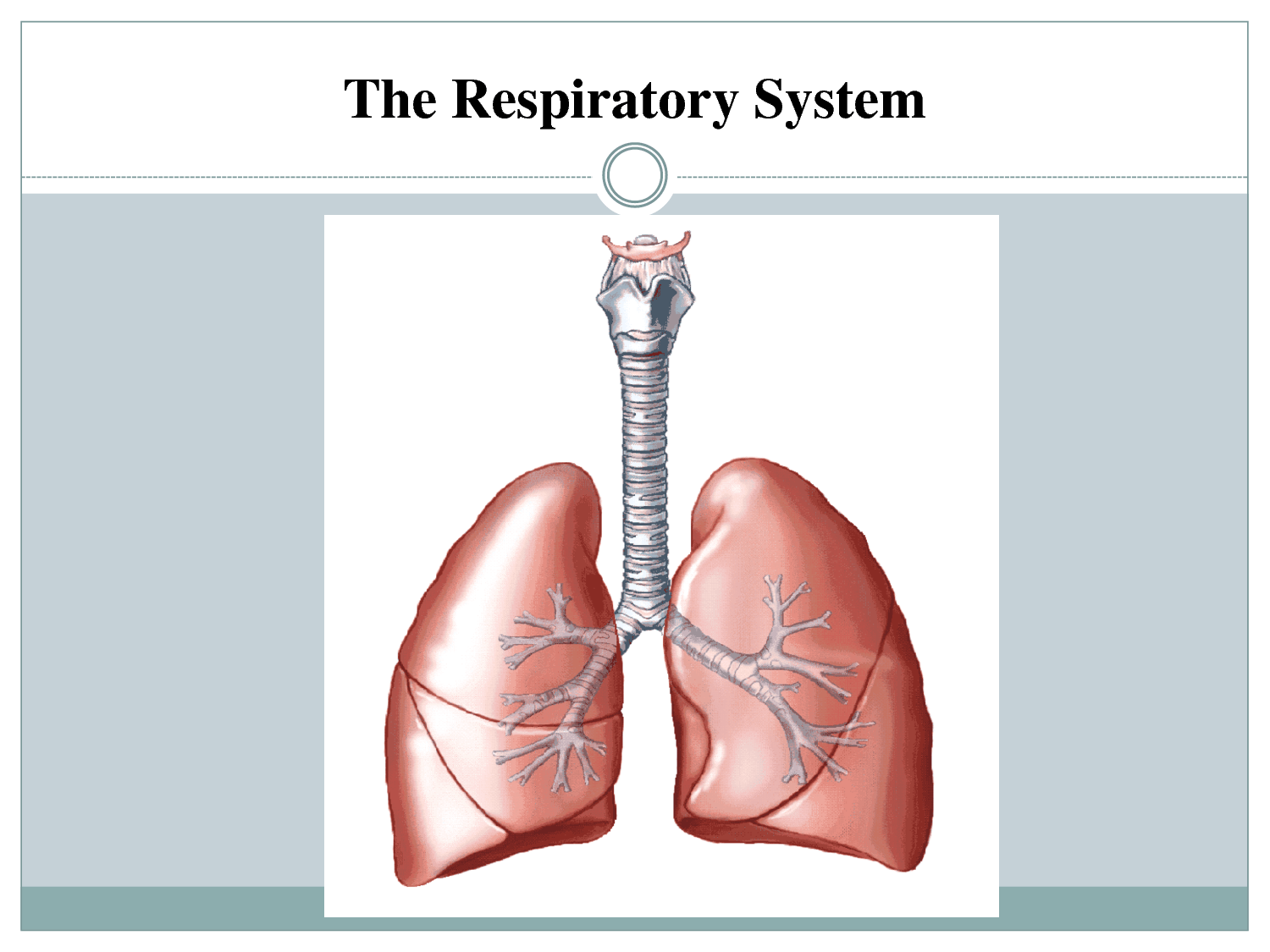
What is the main function of the respiratory system?
a)
to provide oxygen and remove carbon dioxide from the body
b)
to bring oxygen to the body
c)
to break down food and absorb nutrients
d)
to remove oxygen from the body and deliver carbon dioxide
20.
EXHALE!!!
My lungs are __________________ air. 
a)
taking in
b)
letting out
21.
What are the main organs of gas exchange in the respiratory system?
a)
diapragm
b)
lungs
c)
trachea
d)
bronchi
22.
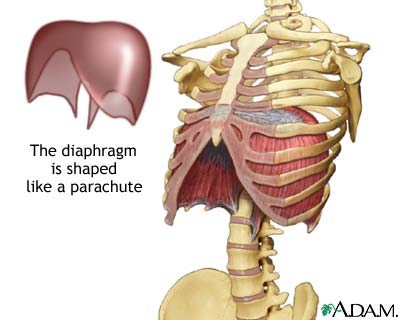
What is function of the dome-shaped diaphragm?
a)
This is where gas exchange happens.
b)
Air passes through the diaphragm on the way to the lungs.
c)
It attaches to the lungs to help in breathing.
d)
It is under the lungs and keeps them from falling down to your stomach.
23.
When you breathe, your lungs take in ___ and remove ___. 
a)
air/oxygen
b)
oxygen/carbon dioxide 
c)
carbon dioxide/waste 
d)
waste/air 
24.
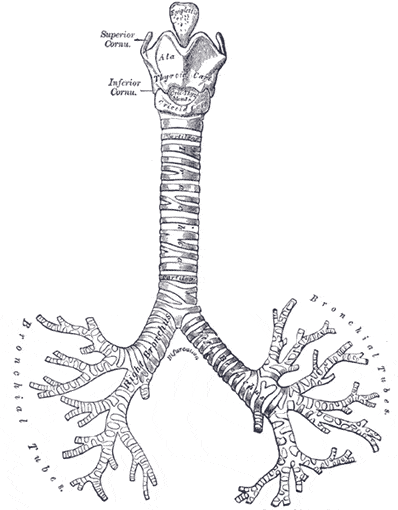
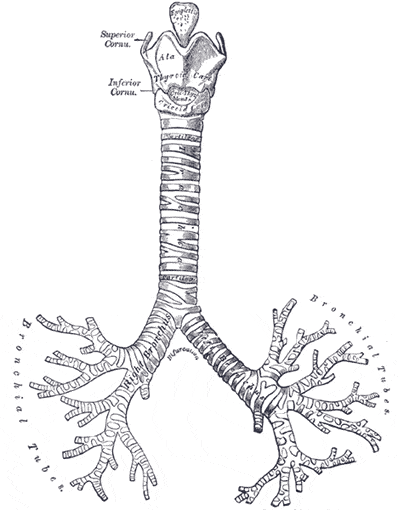
What is the function of the bronchi?
a)
Transport air from nose to lungs
b)
Transport air from trachea to lungs
c)
Transport air from lungs to alveoli
d)
Transport air from alveoli to blood
25.
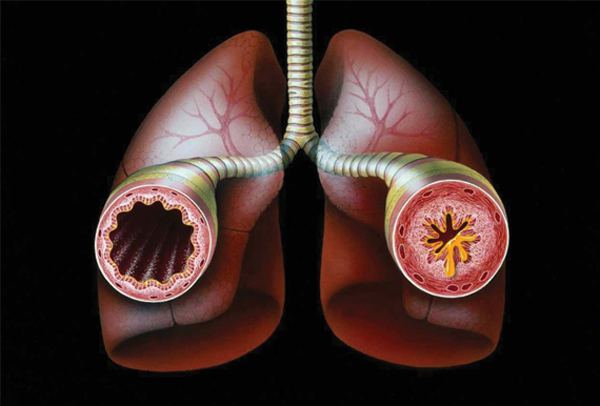
A disorder of the lungs called ____ causes the bronchi to become restricted (get smaller) so air can't get to the lungs.
a)
asthma 
b)
cold
c)
influenza 
d)
bronchitis 
26.
The two main branches from the trachea (one to each lung)
a)
bronchi
b)
alveoli
c)
capillaries
d)
bronchioles
27.
Within the lungs, the exchange of oxygen and carbon dioxide occurs between the ___ and the capillaries. 
a)
trachea 
b)
bronchi 
c)
alveoli
d)
diaphragm
28.
What is tube that is also known as your wind pipe?
a)
esophogus
b)
bronchi
c)
trachea
d)
alveoli
29.
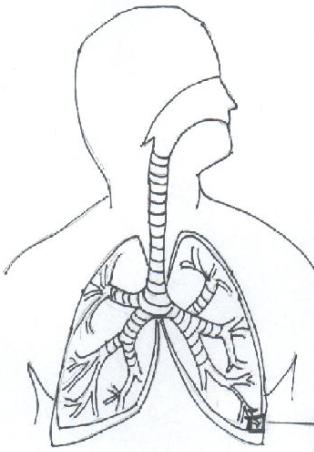
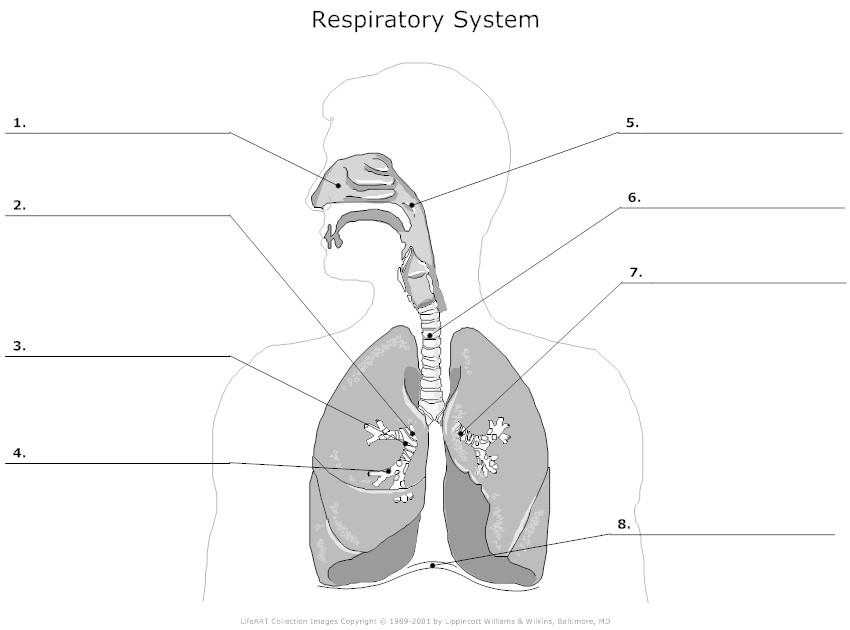
Name the structure labeled 8 
a)
lungs 
b)
trachea 
c)
diaphragm 
d)
alveoli 
30.
Flap of skin that covers the opening to the windpipe during swallowing
a)
Stomach
b)
Trachea
c)
Pancreas
d)
Epiglottis
31.
The Pharynx is the muscle that moves the lungs
a)
True
b)
False
32.
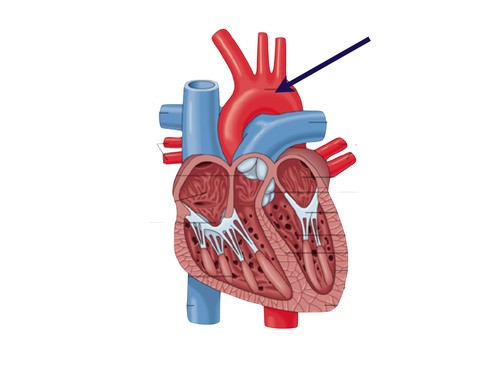
Identify
a)
Pulmonary veins
b)
Pulmonary artery
c)
Aorta
d)
Vena cava
33.
The heart has ___ chambers.
a)
1
b)
2
c)
3
d)
4
34.
This chamber of the heart RECEIVES blood returning from the body
a)
Right Atrium
b)
Right Ventricle
c)
Left Atrium
d)
Left Ventricle
35.
The aorta is the largest artery in the body. The blood leaving the aorta is full of?
a)
Oxygen 
b)
Carbon Dioxide 
c)
White blood Cells 
d)
Potassium 
36.
Thin-walled vessels that allow for the exchange of O2 , CO2, nutrients and wastes between blood cells or air sacs in the lungs
a)
Arteries
b)
Veins
c)
Capillaries
37.
A flap of tissue that prevents blood from flowing backward
a)
Aorta
b)
Atrium
c)
Septum
d)
Valve
38.
Carry blood away from heart; mostly oxygen-rich
a)
Arteries
b)
Veins
c)
Capillaries
39.
Which is the correct definition of the Circulatory system?
a)
The system fights disease so the body stays healthy.
b)
The system that circulates blood and oxygen through the body, consisting of the heart,blood vessels,and blood.
c)
Breaks down food into smaller pieces and absorbs those nutrients into the body.
d)
Provides shape and structure for the body.
40.
What function does the heart do?
a)
Protects organs and produces red blood cells.
b)
Generates heat.
c)
Breaks down food into nutrients.
d)
The heart is a pump, which moves the blood. The arteries and veins are the pipes where the blood flows.
41.
What is the main function of the artery?
a)
It controls your brain and your thought process.
b)
They carry oxygen- poor blood BACK to the heart.
c)
Arteries carry oxygen- rich blood AWAY from the heart.
d)
It receives information (senses) and sends messages to the body about how to react to things.
42.
Which is NOT a function of the circulatory system?
a)
deliver O2 and nutrients to cells
b)
remove CO2 and wastes from cells
c)
break down carbohydrates into glucose
d)
transport other materials through body
43.
Structure(s) that keep the blood flowing in one direction.
a)
Valve(s)
b)
Septum(s)
c)
Neuron(s)
d)
Bronchiole(s)
44.
arteries, veins, and capillaries are three types of __________
a)
heart valves
b)
blood vessels
c)
cells
d)
veins
45.
What does the Circulatory System do?
a)
Circulates the Blood throughout the body
b)
Circulates Water throughout the body
c)
Excretes Waste
d)
Controls all parts of the body
46.

In the Heart, what is an upper, thin-walled chamber through which blood is pumped to the ventricles?

a)

Valves

b)

Veins

c)

Ventricles

d)

Atrium

47.
What is a lower, thick-walled chamber that receives blood from the Atrium?
a)
Ventricle
b)
Valve
c)
Aorta
d)
Pericardium
48.
What is the Circulatory System also known as?
a)
The heart
b)
Cardiovascular System
c)
Nervous System
d)
Aorta
49.
What do Red-Blood cells do?
a)
Carry oxygen from the lungs to the body cells and  transport carbon dioxide from the cells back to the lungs
b)
keeps blood flowing in one direction to the heart and prevent blood from flowing backwards
c)
Collects  blood from the capillaries and drain it into the veins
d)
Bring nutriients to the cells and carries away waste materials.
50.
What does blood do?
a)
Carries Water to cells
b)
Carries Oxygen to cells
c)
Carries Food to cells
d)
All of the above 
51.

What are the 4 parts of the blood?

a)

plasma, white blood cells, hemoglobin, water

b)

plasma, red blood cells, white blood cells, leukocytes

c)

plasma, red blood cells, white blood cells, plateletts

d)

water, cells, plasma, plateletts

52.

what do white blood cells do?

a)

fight infection

b)

clot blood

c)

stop bleeding

d)

carry carbon dioxide

53.

What do red blood cells have that white blood cells do not?

a)

hemoglobin

b)

nuclei

c)

oxygen

d)

carbon dioxide

54.

Your blood is 55% what?

a)

red blood cells

b)

water

c)

plasma

d)

cells

55.

What is the function of the kidneys in the excretory/urinary system?

a)

store urine before it is eliminated from the body.

b)

break down food into smaller pieces through chemical digestion

c)

filter blood of cellular waste material as a result of cellular processes

d)

control thoughts, voluntary actions, and other sensations of the five senses.

56.
Which organ system removes cellular wastes as the result of cellular respiration?
a)
nervous
b)
digestive
c)
excretory
d)
circulatory
57.
One major function of the excretory system is to clean the what?
a)
urine
b)
blood
c)
kidneys
d)
bladder
58.
These organs are responsible for what?
a)
storing urine
b)
storing water
c)
filtering blood
d)
they don't have a particular job 
59.
Where is urine stored?
a)
kidneys
b)
urinary bladder
c)
urethra
d)
ureters
60.
How many kidneys do you have?
a)
1
b)
3
c)
5
d)
2
61.
Which are the tubes that carry urine from the kidney to the bladder?
a)
Adrenal tubes
b)
Kidneys
c)
Ureters
d)
Urethras
62.
What word describes the function of the nephrons?
a)
Tube
b)
Passageway
c)
Filter
d)
Reservoir
63.
What is organ 1.
a)
Kidney
b)
Ureter
c)
Bladder
d)
Urethra
64.
What is #2?
a)
Kidney
b)
Ureters
c)
Bladder
d)
Urethra
65.
What is #3?
a)
Kidney
b)
Ureters
c)
Bladder
d)
Urethra
66.
What is #4?
a)
Kidney
b)
Ureter
c)
Bladder
d)
Urethra
67.
long tube that absorbs nutrients into the body using villi
a)
small intestine
b)
large intestine
c)
trachea
d)
alveoli
68.
secrete wastes including water, salts, and small amounts of urea
a)
appendix
b)
gall bladder
c)
salivary glands
d)
sweat glands
69.
tube from the bladder to the outside of the body
a)
urethra
b)
ureter
c)
large intestine
d)
I.V
70.

What other organ (s) are involved in the excretory system?

a)

Lungs

b)

Small Intestine

c)

Large Intestine

d)

Pancreas

71.
Which two human body systems are most responsible for getting oxygen to cells?
a)
digestive and skeletal
b)
skeletal and circulatory
c)
circulatory and respiratory
d)
respiratory and digestive
72.
Which best compares the respiratory system to the circulatory system?
a)
The respiratory system transports oxygen to cells, while the circulatory system provides oxygen for cells.
b)
The respiratory system provides oxygen for cells, while the circulatory system transports oxygen to cells.
c)
The respiratory system breaks down food for cell energy, while the circulatory system rids the body of waste.
d)
The respiratory system rids the body of waste, while the circulatory system breaks down food for cell energy.
73.
As the blood reaches the lungs, what is removed from the blood?
a)
Oxygen
b)
Red Blood Cells
c)
White Blood Cells
d)
Carbon Dioxide
74.
The respiratory system works with what other system to remove carbon dioxide from the lungs
a)
Immune
b)
Skeletal
c)
Excretory
d)
Digestive
75.
List the levels of organization in the human body in order from least complex to most complex…
a)
Tissues, cells, organ systems, organs, and organism
b)
Cells, tissues, organ systems, organs, and organism
c)
Cells, tissues, organs, organism, and organ systems
d)
Cells, tissues, organs, organ systems, and organism
76.
A group of cells that work together to perform a specific task are called…
a)
An organ
b)
An organ system
c)
A tissue
d)
An organism
77.

What body systems work together to help your cells get nutrients?

a)

Digestive & Circulatory

b)

Digestive & skeletal

c)

Muscular & Respiratory

d)

Digestive & Cardiovascular

78.
The circulatory system does which of the following?
a)
Takes in oxygen and releases carbon dioxide
b)
Transports needed materials such as oxygen and nutrients to cells and carries away wastes such as carbon dioxide
c)
Removes wastes from body
d)
Protects organs, stores minerals, allows movement and forms blood cells
79.
The Excretory system does which of the following?
a)
Fights disease by recognizing and attacking antigens such as bacteria and viruses by producing antibodies
b)
Transports needed materials such as oxygen and nutrients to cells and carries away wastes such as carbon dioxide
c)
Removes wastes from body
d)
Protects organs, stores materials, allows movement and forms blood cells
80.

The body's ability to self regulate its internal environment is called _____.

a)

Homeostasis

b)

Equillibrium

c)

Set Point

d)

Stimuli Response

81.
If the environment gets cold, we will often shiver in order to:
a)
keep body temperature the same as the external temperature
b)
decrease body temperature
c)
increase body temperature
d)
regulate blood pressure
82.
Homeostasis in the human body is often maintained by a: 
a)
neutral feedback loop 
b)
solar feedback loop
c)
positive feedback loop
d)
negative feedback loop
83.
The maintenance of an organism’s internal environment is called:
a)
compensating
b)
homeostasis
c)
balancing
d)
routine
84.
The "cause" for something to happen is the
a)
response
b)
effect
c)
stimulus
d)
homeostasis
85.
The "effect" of a given stimulus is the...
a)
response
b)
stimulus
c)
cause
d)
result